
Whether you’re a theme park, cultural organisation, zoo or any other type of visitor attraction, retail can contribute to the growth of secondary spend, but can also help to enhance experiences, drive loyalty and become a form of organic marketing.
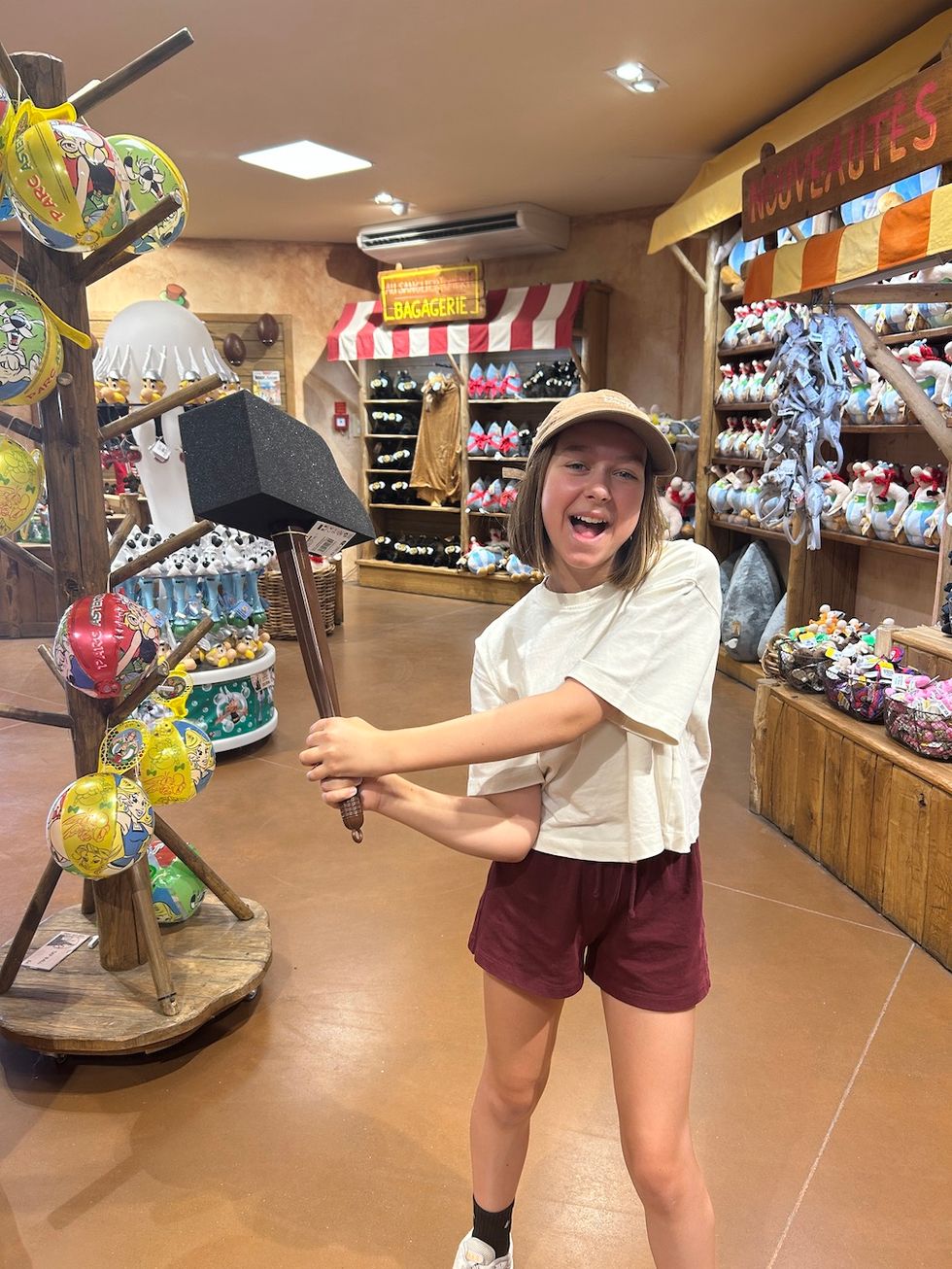
Retail offers a way for guests to get involved at Parc Asterix
Image credit Graham Speak
It can become a secret weapon to support P&L growth and add value for your guests.
I’m always on the lookout for great merchandise and retail executions, and so here are some case studies from theme parks across Europe.
Once again, I’ve come back from trips with more pictures of retail outlets than I have of my family – all so I have some pictures of real-life examples to share with you here, so I hope you enjoy!
Final disclaimer: developing a retail offer can be complex, so this article isn’t comprehensive or a blueprint for success. But hopefully it shares some commonly used principles and inspires you to think about how they could be brought to life or applied in your business in a way that’s right for your guests.
Showcase your ‘hero’ products with impact to guests
You may not need to have thousands of items to make an effective retail offer.
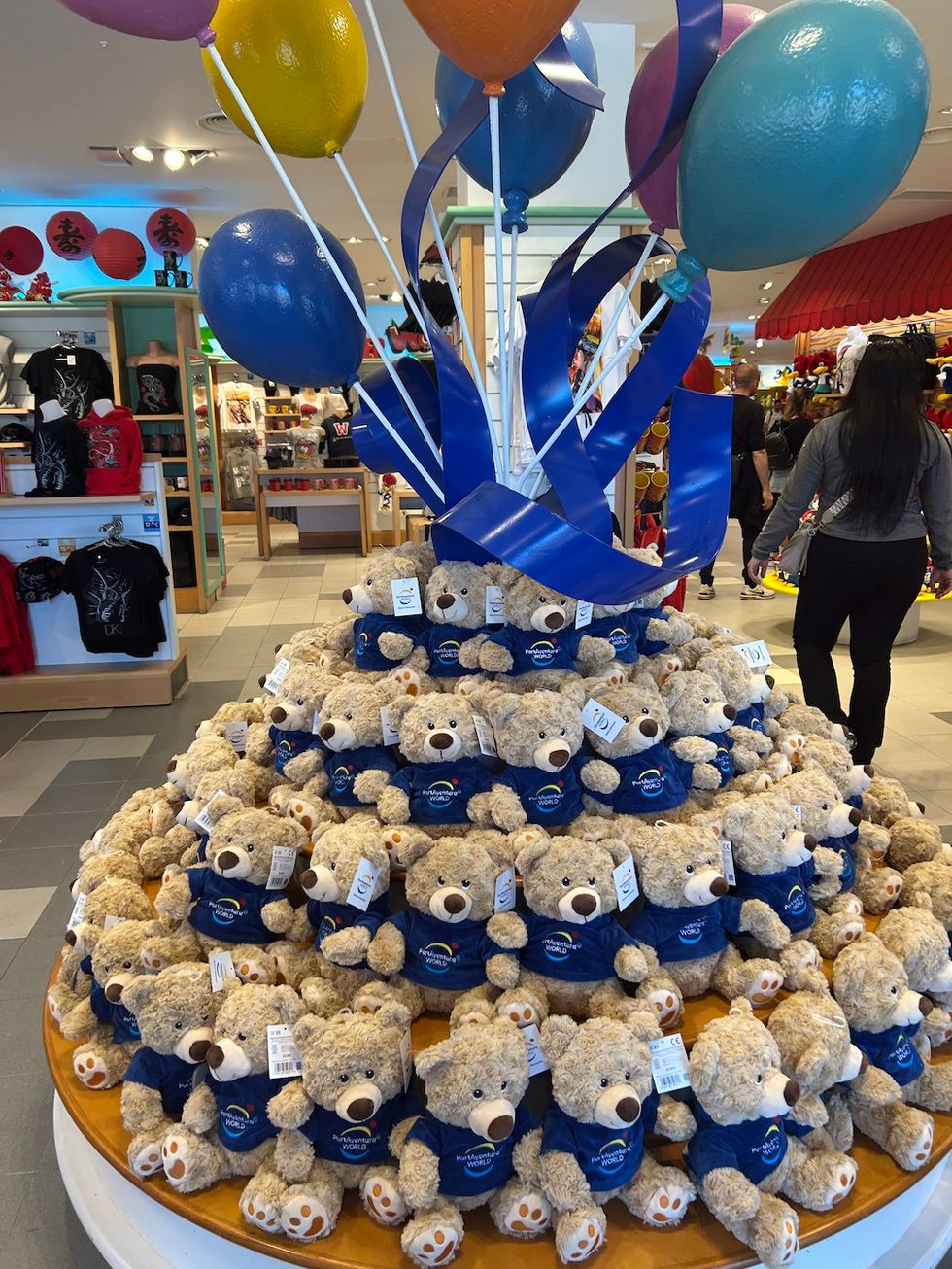
Plush mountain at Port Aventura: a broad appeal item impactfully displayed in a prime retail location
Image credit Graham Speak
Sometimes having ‘hero’ volume items that anchor your range makes sense – broad appeal, priced well, meeting multiple guest needs (or reasons for buying), and delivering your margin requirements.
Once you’ve established those hero products, consider how to merchandise them and put them in front of guests so they can’t miss what you want them to see. Set yourself a conversion target. What percentage of guests do you want to pick one up?
Consider how merchandise can play a role in enhancing the guest experience throughout their visit
Don’t rely on your exit gift shop. Many attractions do a great job of considering where in the journey each item makes sense. Are there products you could put in front of customers that could help them have a better experience?
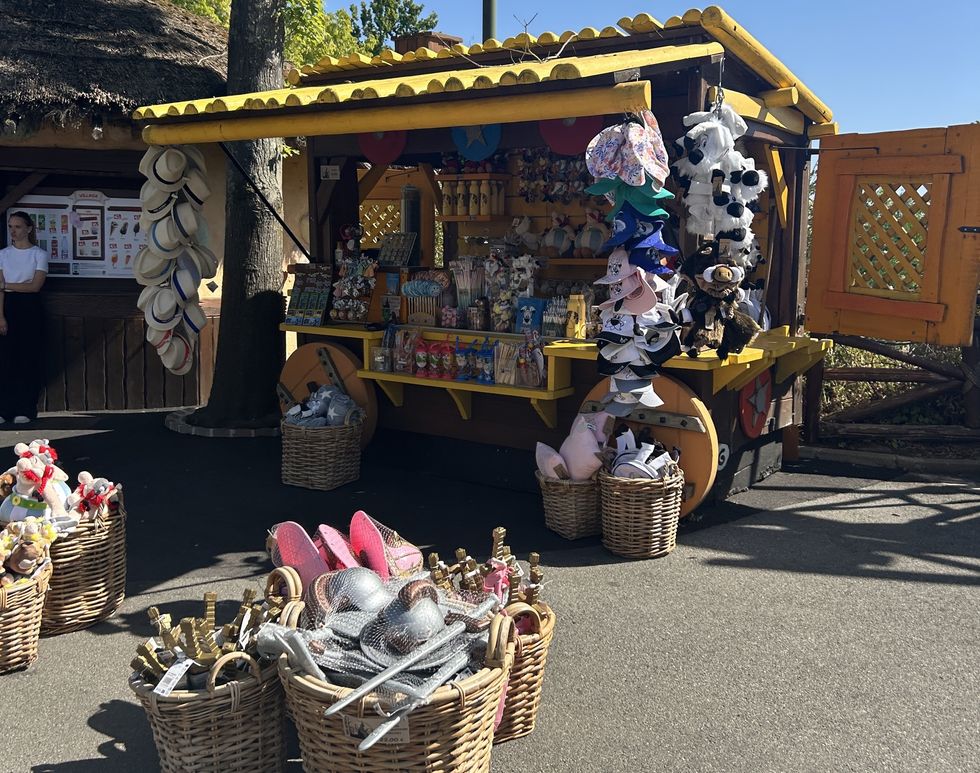
Parc Asterix merchandise cart: consider selling products that can enhance a guest’s experience throughout your attraction
Image credit Graham Speak
At Parc Asterix, who wouldn’t want to wear a pair of Dogmatix (or Idéfix in French, Obelix’s dog) ears, or carry around a Gallic sword or axe? Of course, have them in your gift shop, but why not sell them as guests start their day with you or throughout your attraction?
It means guests get full use of their purchase, showcases your products to other guests and adds to the atmosphere across your experience!
Call out exclusivity and limited-edition products: help guests understand why they should buy from you
This may sound like an obvious one, but be sure to tell your guests if product is only available from you.
Attractions that have IP-led partnerships should be aware of this too. Whilst you may stock branded products available at other retailers, consider why a customer would buy from you instead of somewhere else.
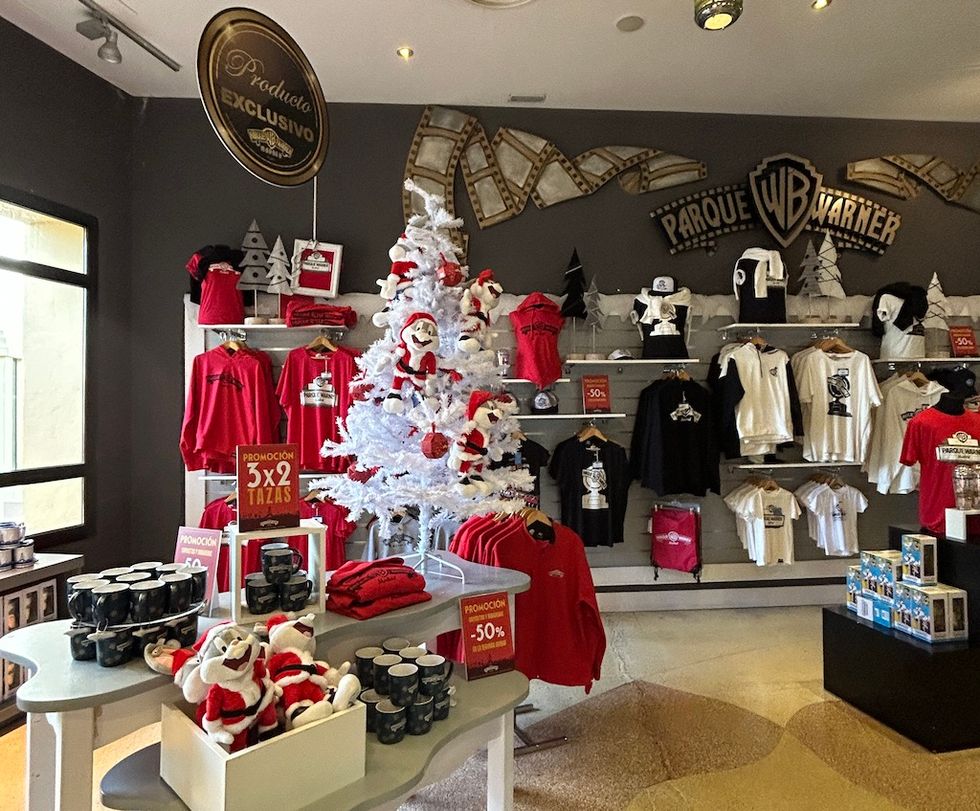
Highlight to guests that product is only available from you
Image credit Graham Speak
Ideally, you’d develop exclusive merchandise options to delight fans of the IP that they can only get from you, helping them celebrate the IP they love and the place that helped them experience it.
Regular visitors, pass-holders and fans may also look for limited editions, different designs and items like year-dated products. Consider what your range looks like for these guests, and make sure they know they are buying exclusive, limited-edition merchandise.
If seasonal moments are growing for your attraction, think about how merchandise can grow alongside
Halloween is an example of a calendar moment that is creating all sorts of new opportunities to drive visits, frequency, new audience and spend. For some, the season is now one of the busiest of the year, with many operators searching for new ways to make it even bigger (and differentiate versus competitors).
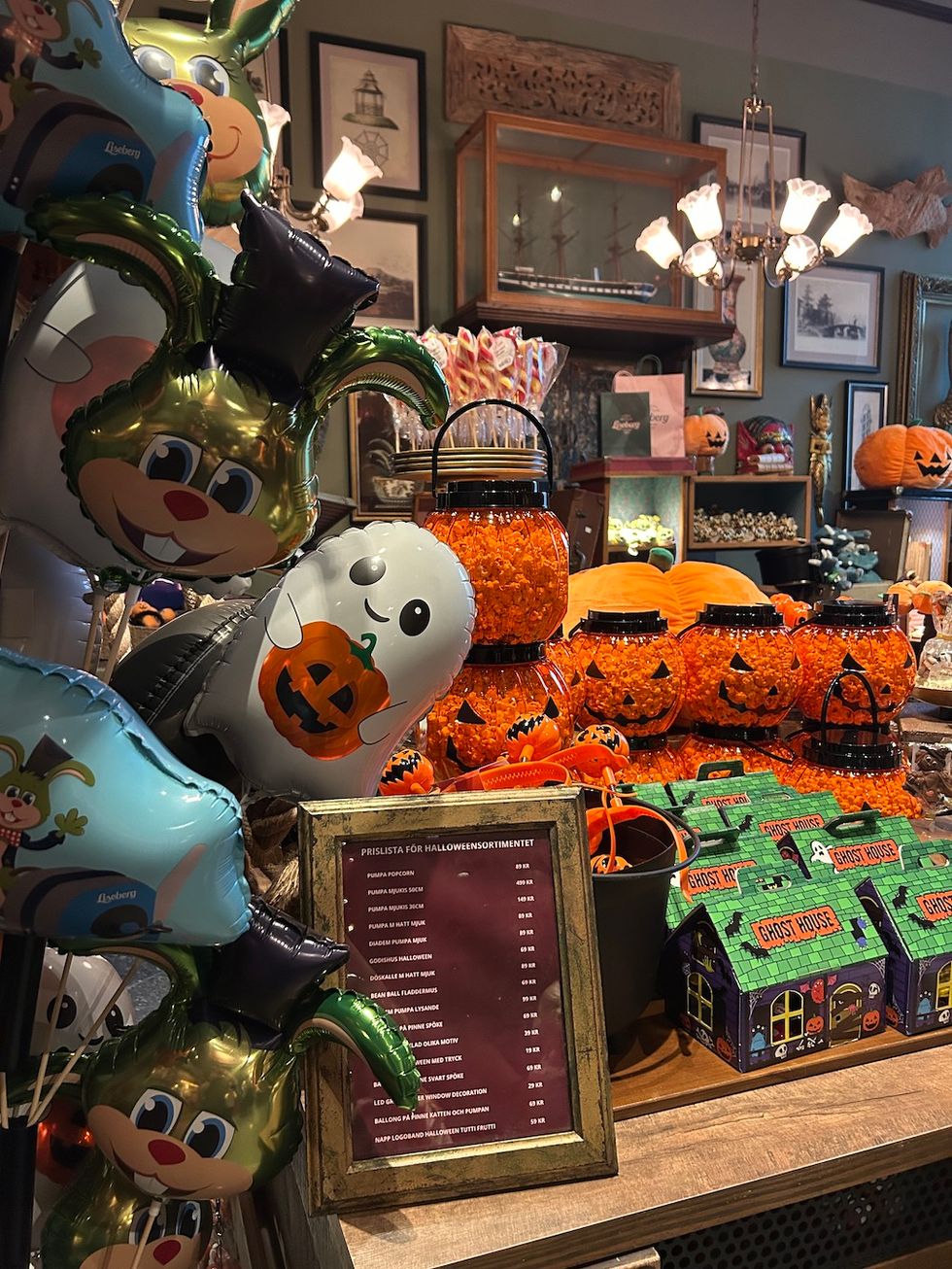
From pumpkin popcorn buckets to low-priced spooky balloons, Liseberg has lots of broad-appeal, impulse Halloween products
Image credit Graham Speak
Developing secondary spend opportunities like retail can be one way to do this.
Liseberg, in Gothenburg, Sweden, goes big at Halloween, using some of the principles already discussed.
As a hero item, pumpkin popcorn buckets are visible everywhere across the park, from the hotel to gift shops to food stands.
They’re chunky, look Halloween-y wherever they are merchandised, and are a great dual treat-and-souvenir product with incredibly broad appeal across visitors.
Stalls across the amusement park sell Halloween dress-up and spooky accessories to help guests get in the mood.
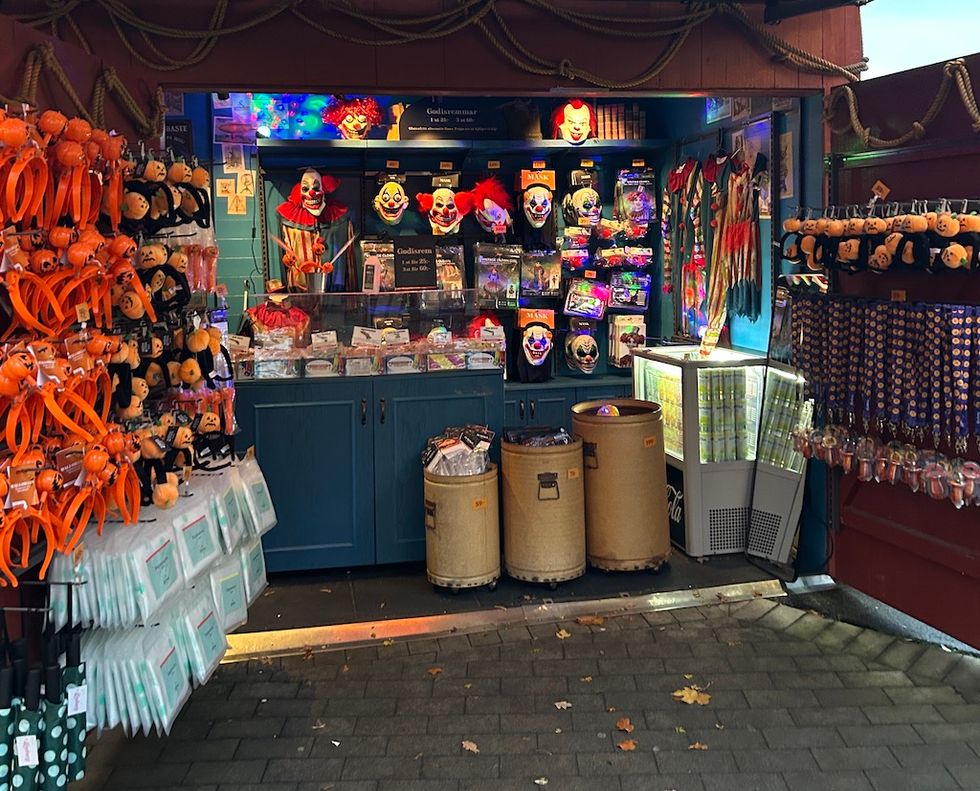
Halloween accessory stand located in the ‘Clowns’ scare zone. Not relying on the gift shop and encouraging guests to buy during their visit to Liseberg to become part of the event
Image credit Graham Speak
And many products are bespoke for Liseberg, giving guests a reason to buy pumpkin plush from them rather than somewhere else.
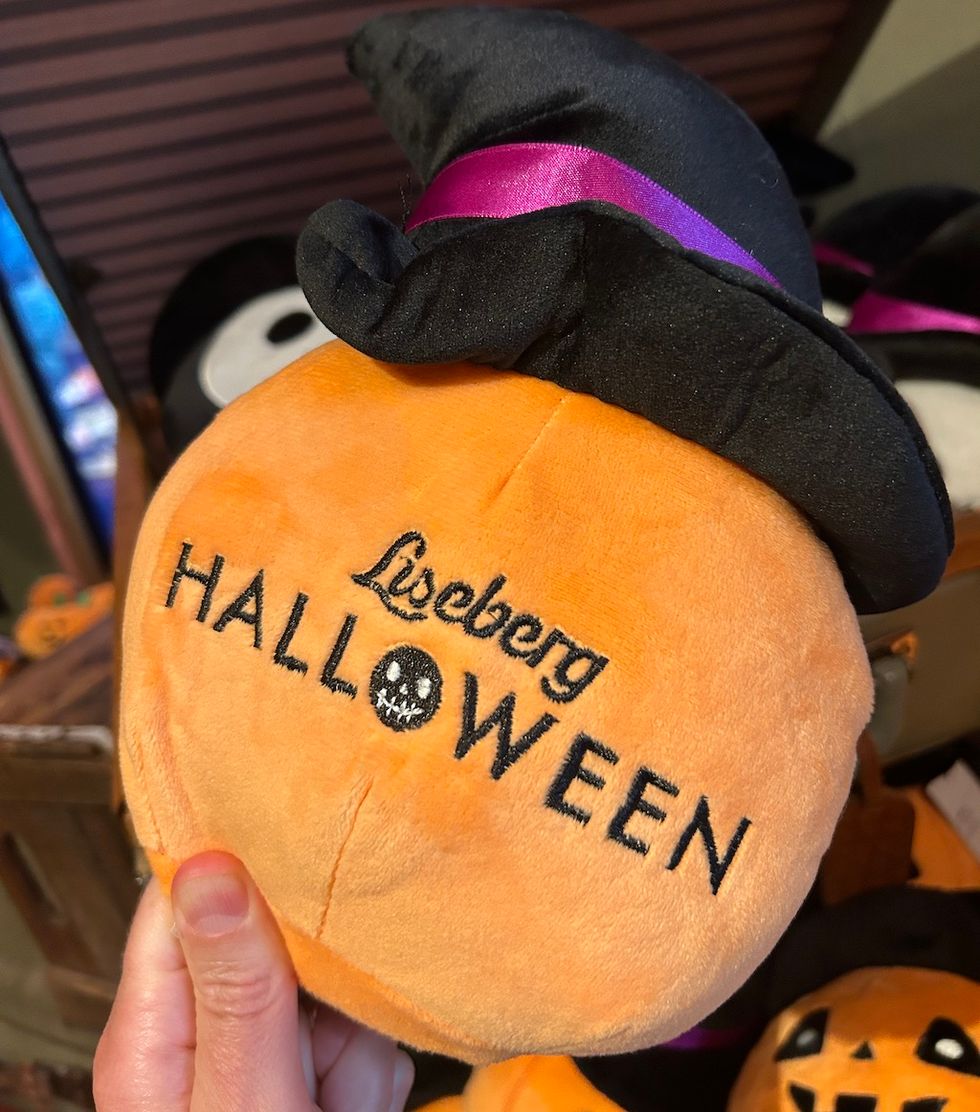
Creating broad-appeal bespoke items only available from you makes the perfect souvenir and gives guests a reason to buy
Image credit Graham Speak
A spooky souvenir of their visit to Liseberg’s Halloween event.
For your business, it may not be Halloween, but could be Christmas, Summer, or a specific moment in your own calendar, like Superhero month!
Whatever the calendar moment, consider whether merchandise could play a role.
Liseberg aren’t the only one at it. How about a Plopsaland Christmas jumper, available to buy year-round?
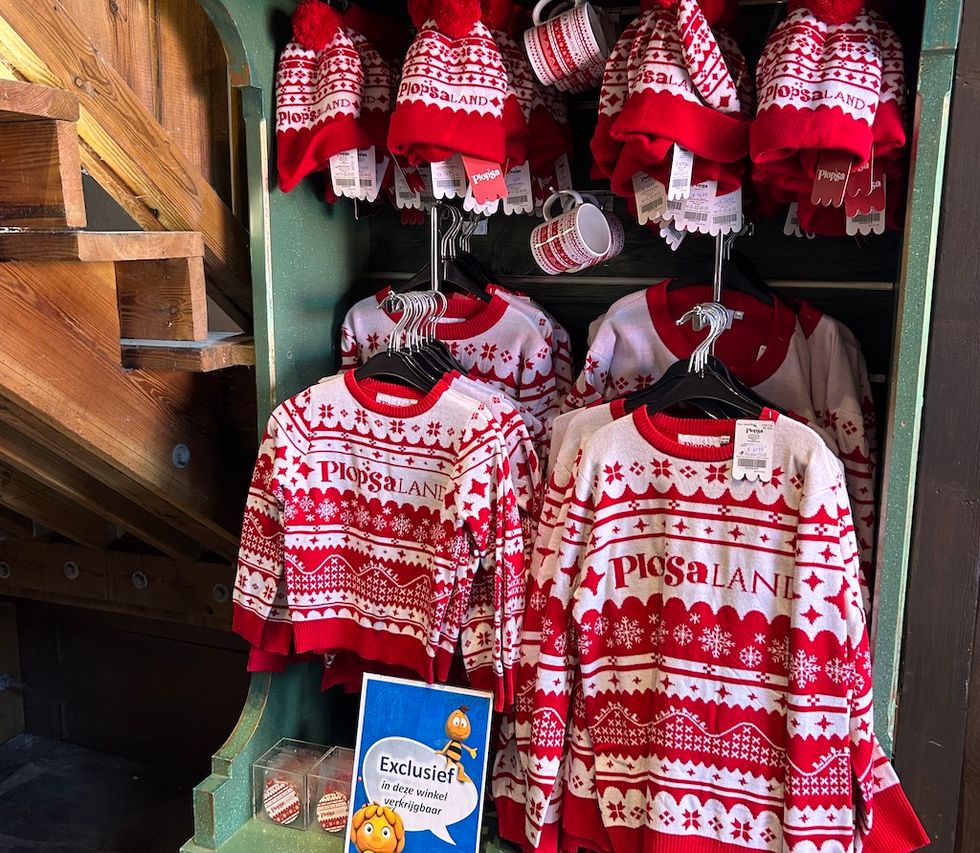
Be part of a guest’s celebrations at special times of their year. Bonus points for calling out exclusivity
Image credit Graham Speak
A great opportunity to remind guests, at a special time of year, of that amazing visit they had (and share it with all their friends and family).
Consider how your merchandise works for different guest segments
Not all guests are looking for the same thing from your retail offer.
Understanding, prioritising and ranging for those different segments and buying occasions will help you unlock retail success. Young children look for different ranges from teenagers, who often have differing needs from roller coaster enthusiasts.
Mecalodon opened at Walibi Belgium in 2026 and is billed by the park as ‘The Benelux’s biggest family coaster’. It’s a fun launch coaster dominating a large, visible area of the park, with broad appeal across Walibi’s visitor base.
But with a 1-meter height restriction, the ride often finds itself as the first ‘bigger’ coaster for young visitors.
With this in mind, Walibi has developed two ranges with different styles: a young-child-focused merchandise range featuring a cartoon-y shark across a range of kids' clothing, backpacks and plush.
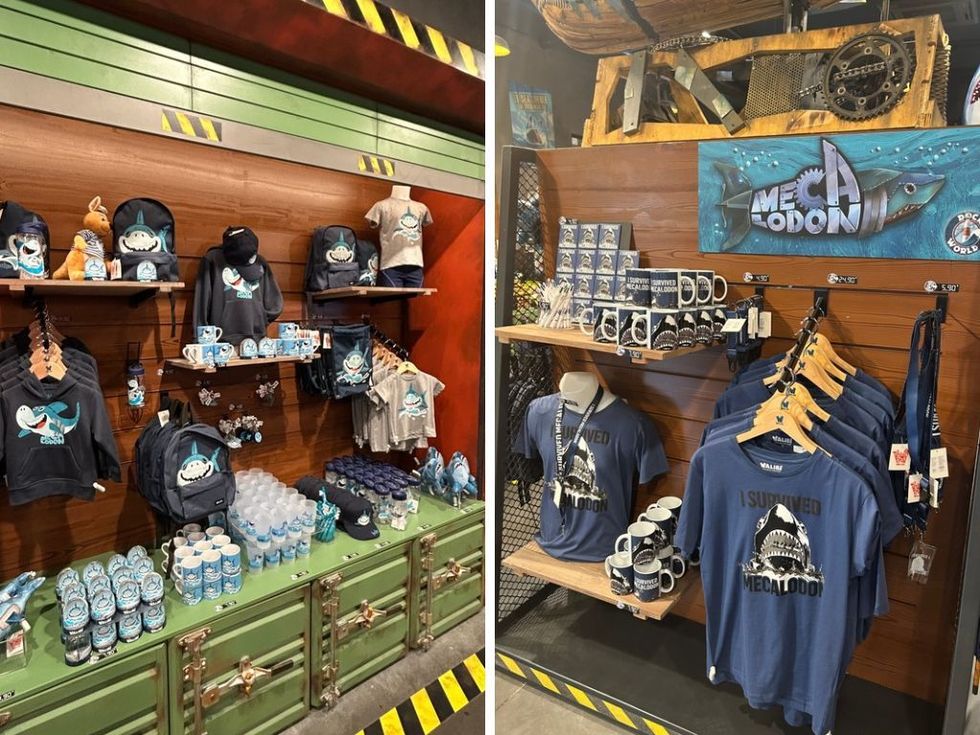
Mecalodon at Walibi Belgium: different product ranges and designs mean different audience segments can find products that they want to pick up after experiencing the coaster
Image credit Graham Speak
Sitting alongside, a more grown-up ‘I Survived Mecalodon’ range with T-shirts, lanyards and mugs offers something for the older audience.
Knowing your audience segments and the reasons they want to buy is critical.
Doing this allows you to develop the right products, with the right designs (priced, kept in stock and merchandised impactfully) - and you’re on your way to retailing success.
If you have a mascot that guests love, give them a way to take it home
Visiting Liseberg, it’s impossible to miss their iconic rabbit mascot, Kanne (often shown with sidekick, Kanina).
With their own land (Kaninlandet - Rabbit Country), dark ride and mini disco show and featured across pretty much every Liseberg marketing touchpoint, the rabbits are loved and synonymous with the park.
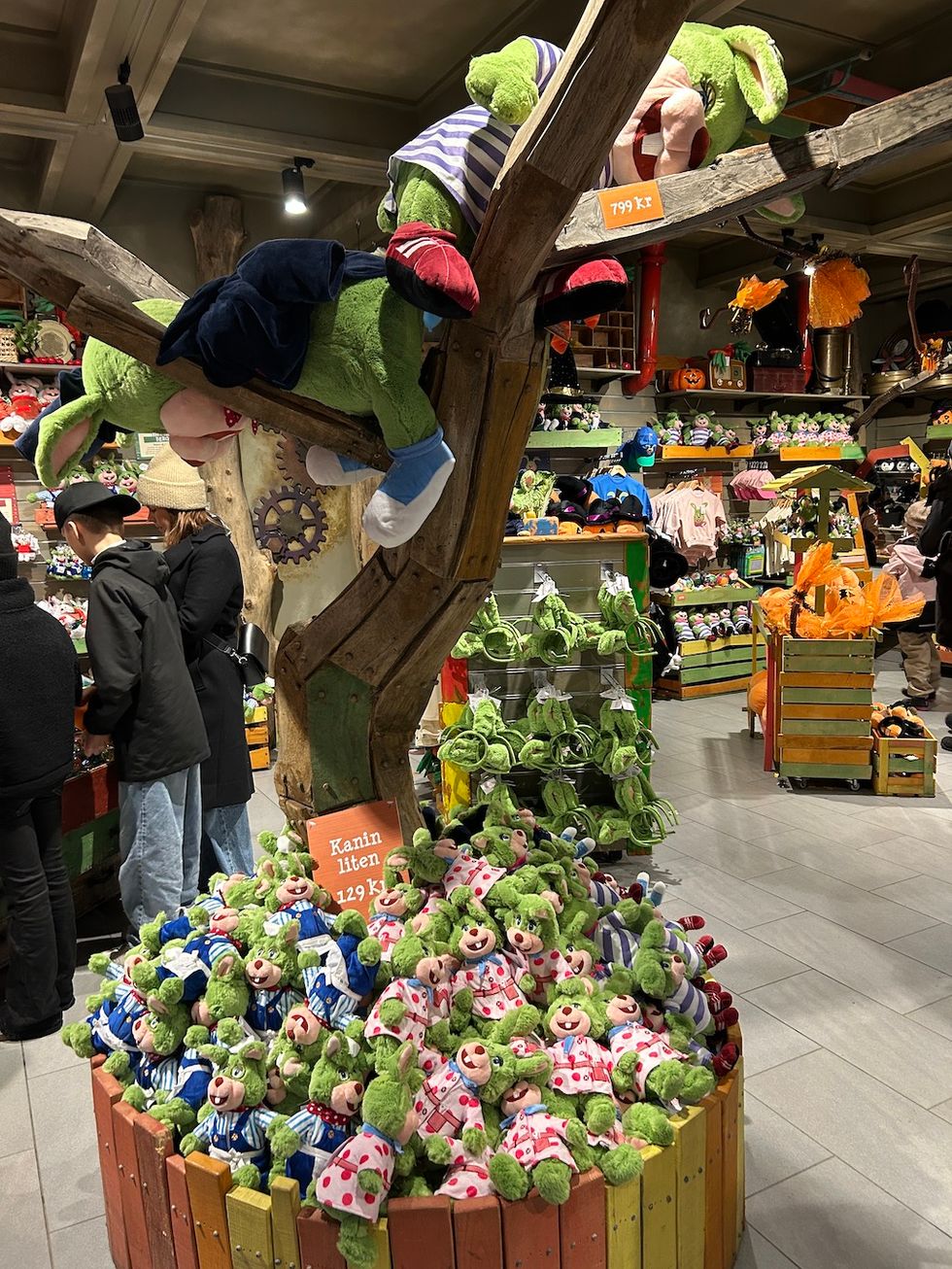
Guests at Liseberg have several ways to take the park's popular rabbit mascot home with them
Image credit Graham Speak
Guests can buy rabbit ears to wear (often modelled by staff), alongside a well-designed merchandise range created to help you spend time with Liseberg long after you’ve left the park (including puzzle games, kids’ plates and cutlery, backpacks, and, of course, plush toys).
Only at Liseberg can guests meet Kanne. They will have formed memories of that visit, often made with the people they love. So, giving guests the opportunity to take home a reminder of the unique character they have created memories with makes total sense.
They’ll eat with your brand, wear your brand and snuggle your brand at bedtime – each time being reminded of the fantastic time they had. A constant reminder in families’ homes to go back to Liseberg and make more memories!
Finally…
You may think developing merchandise and retail requires lots of resources, investment and risk. It would be wrong to say that isn’t the case at all, but these factors can be right-sized and managed.
For example, there are lots of suppliers and partners who can help de-risk, optimise supply, and help you start to develop a strong retail proposition for you, your business, and your guests.
Retail shouldn’t be a chore for guests. Done right, it can be part of your experience that visitors will hunt out and enjoy. Beyond delighting guests, it can be a valuable additional income stream for your P&L. Hopefully, these examples offer some principles to help you get started.