Autism Friendly Club: Transforming Visitor Experiences for Autistic and Neurodivergent People
Autism Friendly Club
Autism Friendly Club is transforming accessibility for autistic and neurodivergent visitors by changing the way tourism, leisure, cultural and hospitality organisations design and deliver the visitor experience.
For many autistic people, visiting a hotel, attraction, cultural venue or leisure facility can involve barriers that are invisible to others: uncertainty about what will happen, overwhelming sensory environments, unclear communication, unfamiliar procedures or staff who have not been trained to respond appropriately.
Autism Friendly Club: Transforming Visitor Experiences for Autistic and Neurodivergent People
Autism Friendly Club
The result is a visitor experience that is easier to understand, more predictable and more comfortable for people who have traditionally faced significant barriers when accessing leisure and tourism.
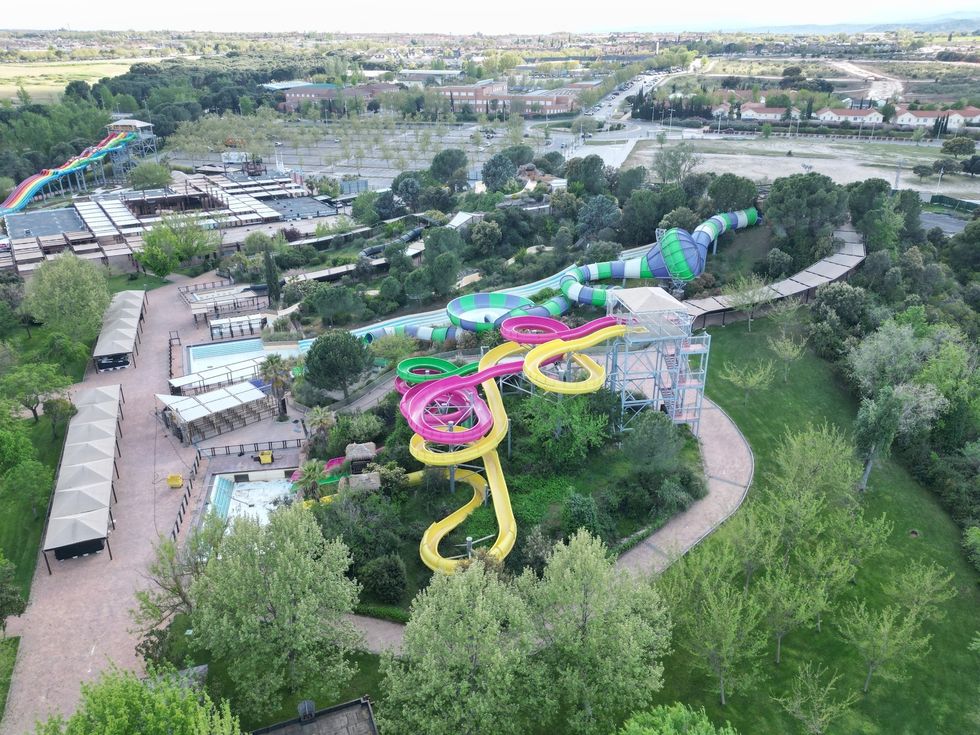
Today, more than 900 spaces have adopted the Autism Friendly approach, over 15,000 professionals have been trained, and our methodology is being implemented across multiple European countries. Recent projects include hotels, cultural venues, municipalities and major visitor attractions, including Aquópolis Villanueva de la Cañada, the first Autism Friendly water park in Europe.
Autism Friendly Club logo
Autism Friendly Club
Autism Friendly Club: Transforming Visitor Experiences for Autistic and Neurodivergent People
Autism Friendly Club
Autism Friendly Club was created to turn these barriers into practical areas for improvement.
Rather than treating accessibility as a single adaptation or simply a badge, we work with organisations across the complete visitor journey. Each project begins by understanding the venue and identifying where visitors may encounter cognitive, communication or sensory barriers. We then implement a combination of measures adapted to that specific environment.
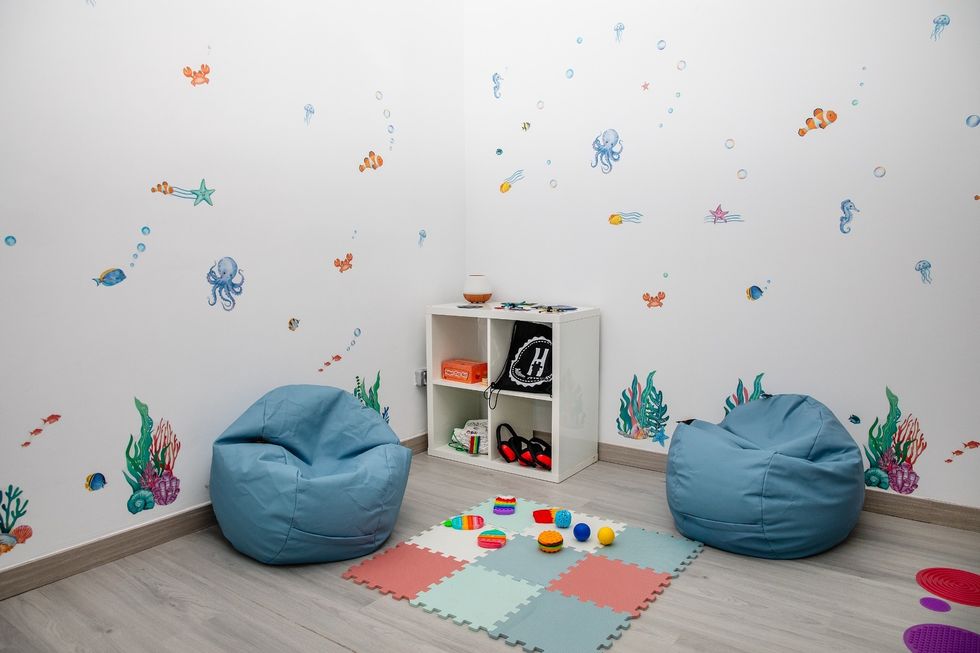
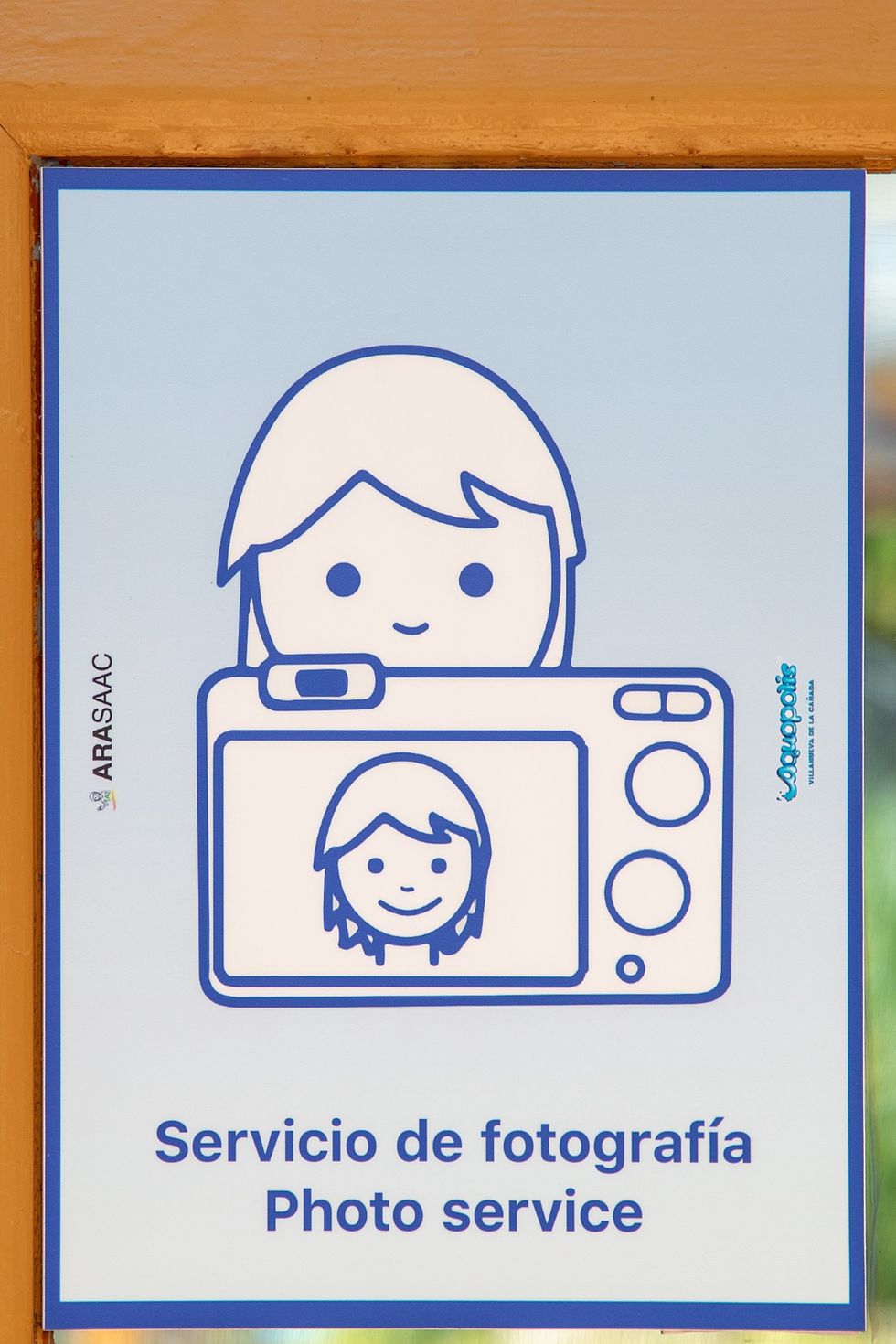
These can include staff training, cognitive accessibility and pictogram systems, anticipation materials that allow visitors to understand an experience before arriving, adapted communication, sensory kits, quieter spaces, accessible menus and information, and specific operational protocols for different situations.
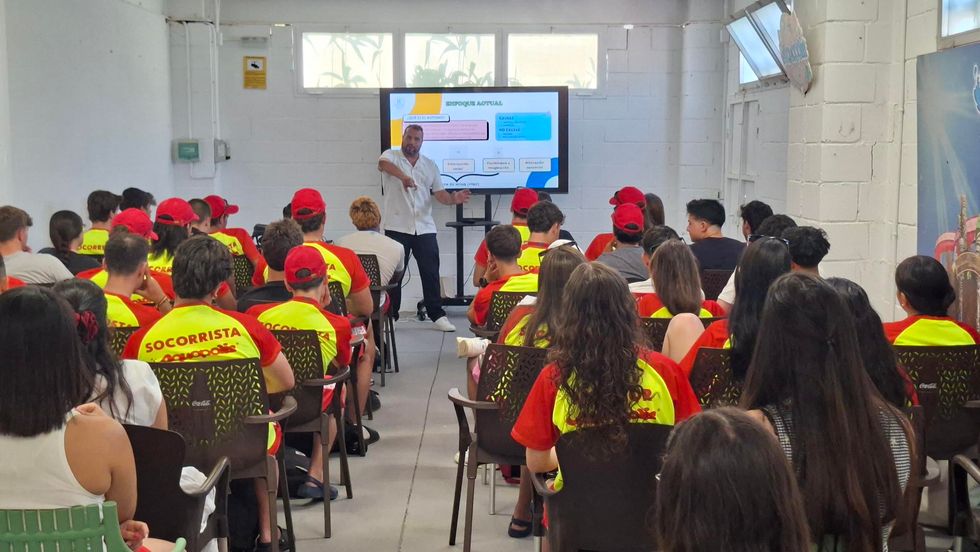
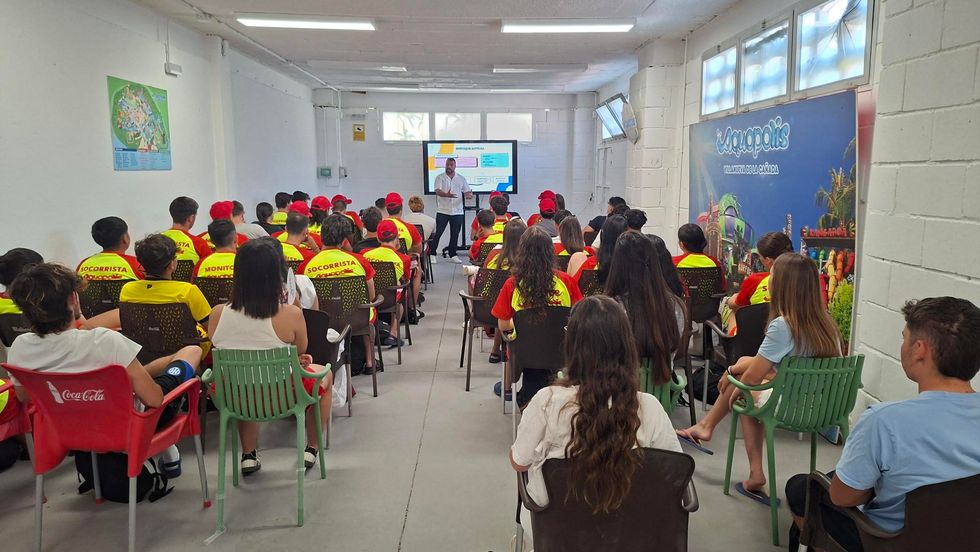
Training is a fundamental part of the model. More than 15,000 professionals have already been trained to understand autism and neurodivergence and, importantly, to translate that understanding into their everyday interaction with visitors.
Autism Friendly Club: Transforming Visitor Experiences for Autistic and Neurodivergent People
Autism Friendly Club
The innovation lies not in one individual accessibility tool, but in bringing these measures together and integrating them into the normal operation of mainstream visitor environments.
We do not aim to create a separate experience for autistic visitors. We want the same visitor experience to become more understandable, predictable and adaptable.
This approach has now been implemented in more than 900 spaces and across several European countries, including hotels and resorts, visitor attractions, cultural venues, restaurants, retail environments, municipalities and other public-facing organisations.
Autism Friendly Club: Transforming Visitor Experiences for Autistic and Neurodivergent People
Autism Friendly Club
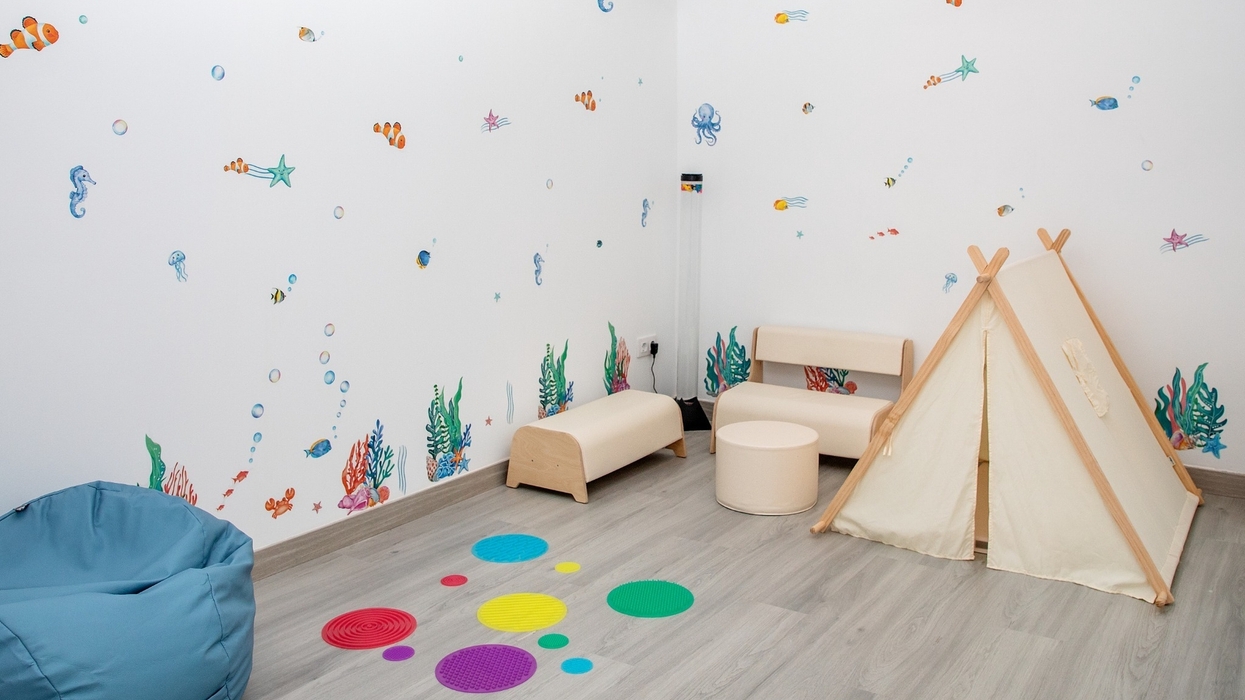
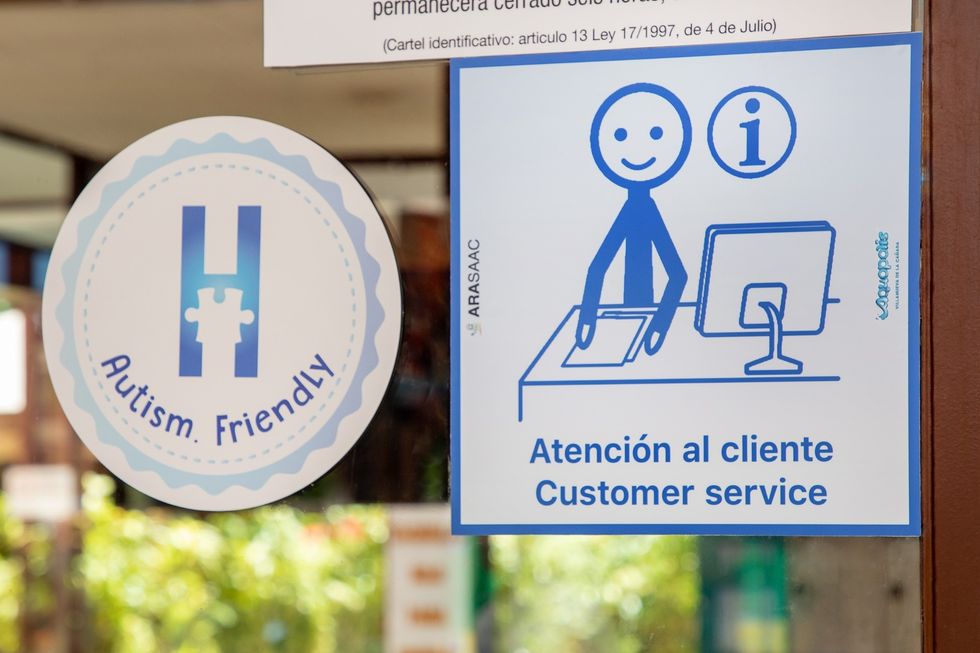
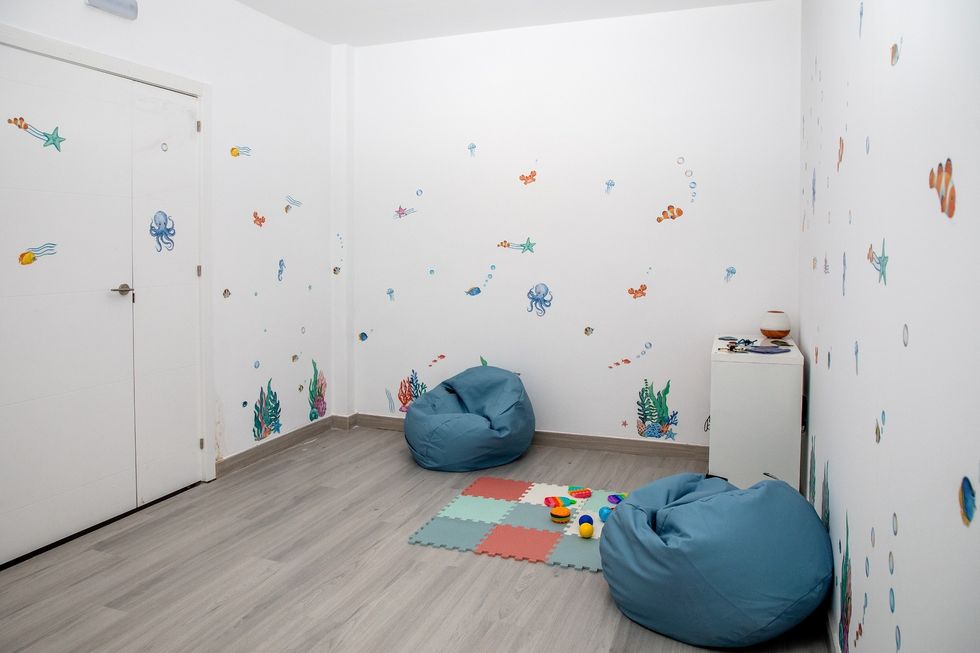
A particularly significant development in 2026 has been the application of the model to major visitor attractions. Aquópolis Villanueva de la Cañada became the first Autism Friendly water park in Europe following a process involving staff training, cognitive accessibility, sensory resources, a calm space and specific operational measures. Autism Friendly Club is also working with Parques Reunidos to extend this approach to other attractions.
This demonstrates another important aspect of the innovation: scalability without applying exactly the same solution everywhere.
Autism Friendly Club: Transforming Visitor Experiences for Autistic and Neurodivergent People
Autism Friendly Club
A water park, hotel, theatre or cultural venue presents very different challenges. Our methodology provides a consistent accessibility framework while allowing the measures implemented to respond to the reality of each environment.
Accessibility is also understood as a continuous process. Becoming Autism Friendly does not mean that every possible barrier has disappeared. It means that an organisation has identified barriers, trained its people, introduced tangible improvements and committed to continuing that work over time.
Ultimately, the impact is not simply the number of certified venues.
Autism Friendly Club: Transforming Visitor Experiences for Autistic and Neurodivergent People
Autism Friendly Club
It is what changes for the visitor: being able to understand what will happen before arriving; finding clearer information; having access to sensory support when needed; encountering environments that consider different sensory needs; and meeting professionals who understand how they can respond.
Autism Friendly Club demonstrates that cognitive and sensory accessibility can become part of everyday visitor operations rather than an exceptional or separate service.
Our ambition is to make this approach increasingly normal across the visitor economy, creating experiences that are more accessible for autistic and neurodivergent people while also making environments clearer, more understandable and more comfortable for everyone.