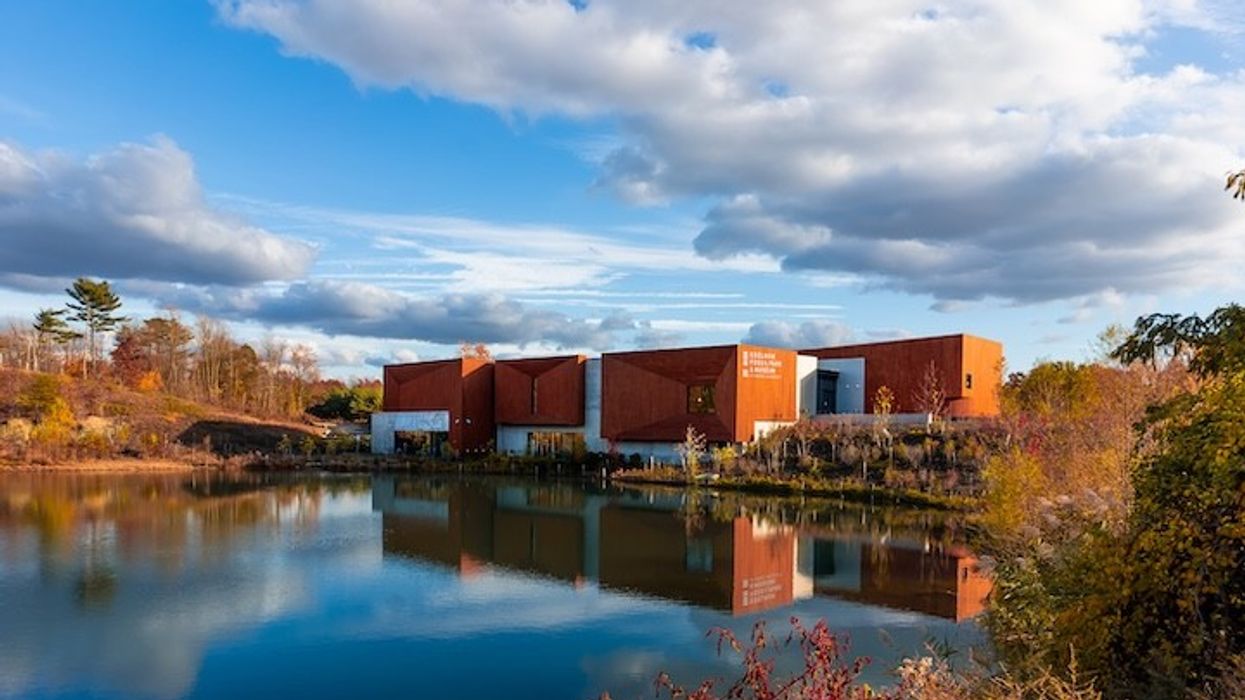
Just minutes from Philadelphia, and located in an unassuming site behind a Lowe’s in Mantua Township, Edelman Fossil Park & Museum has created a dinosaur lover’s haven that invites guests to dive deep into Earth’s history. Since their opening in March 2025, the $75 million facility has transformed the traditional museum experience by combining science with cutting-edge immersive technology, hands-on learning, and sustainability-focused design, providing a portal into the fascinating lost world of dinosaurs.
At its core, EFM engages guests with an authentic connection to Earth’s prehistoric past, displaying remarkable creatures from the Cretaceous period alongside interactive exhibits and an exclusive free-roam VR experience that makes complex scientific concepts accessible and memorable.
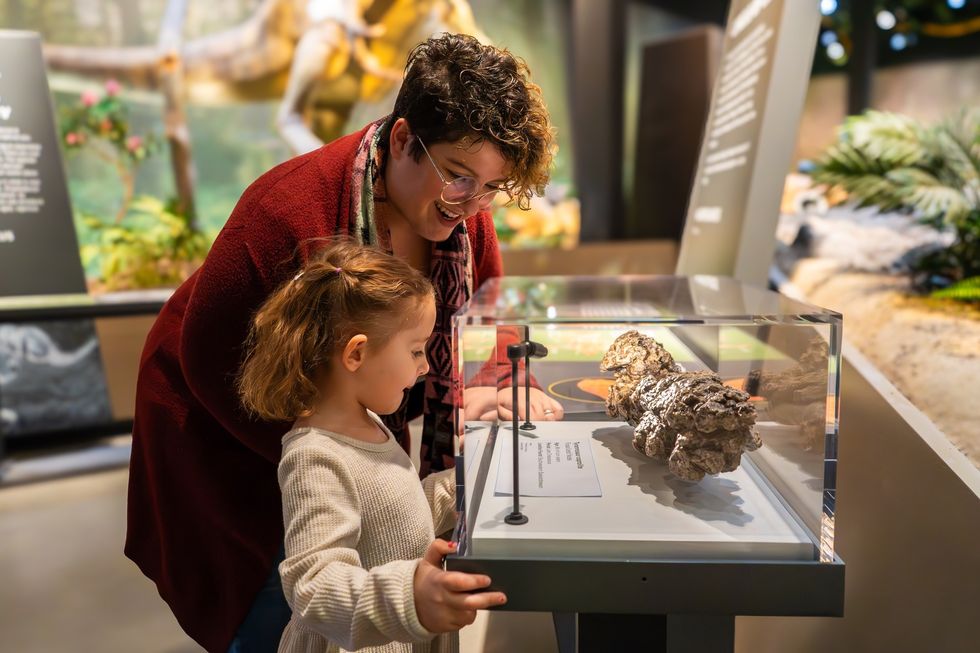
Traditionally, fossil exhibits have been static, educational spaces, but EFM reimagines the museum as an immersive, multi-sensory experience that caters to diverse audiences, marking a transformative step forward in museum design and guest engagement.
The museum isn’t your traditional museum.
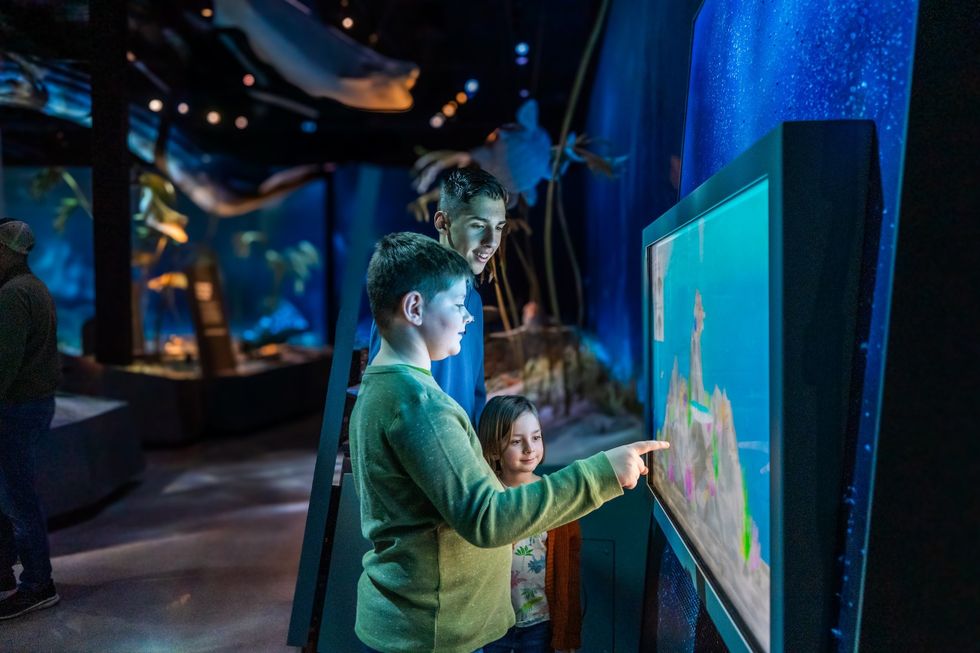
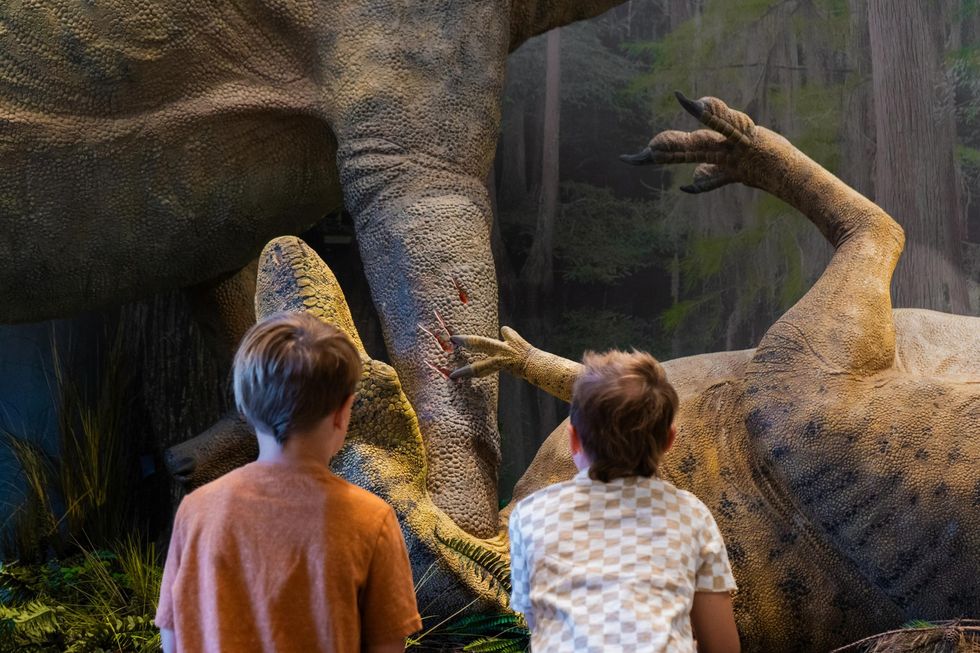
Instead, EFM has become a can’t miss attraction for both young explorers and life-long learners, where visitors are transported 66 million years back in time to environments such as the Monstrous Seas exhibit, where they encounter life-sized recreations of ancient ocean creatures, and the Hall of Extinction & Hope, which provides a window into the day the dinosaurs died and inspires action to protect our planet in today’s environment.
Design Overview
The Edelman Fossil Park & Museum of Rowan University (EFM) is a world-class destination designed to merge science, sustainability, and storytelling.
Envisioned by Ennead Architects (Design Architect), KSS Architects (Executive Architect), and Gallagher & Associates (Museum Planning & Experience Design), the museum’s architecture and exhibits are a seamless extension of the surrounding fossil-rich landscape in southern New Jersey.
The design evokes a dialogue between past and present, rooted in the region’s ancient geological heritage while advancing a forward-looking commitment to sustainability. With geothermal and electric systems, sustainably sourced materials, and bird-safe glass, the 44,000-square-foot facility redefines what a modern cultural institution can be: both innovative and environmentally responsible.
Immersive Experience & Storytelling
EFM’s design transforms palaeontology into a deeply human experience, one that invites visitors to discover the past and protect the future. Each gallery tells a chapter in Earth’s story through multisensory environments that blend technology, artistry, and scientific accuracy.
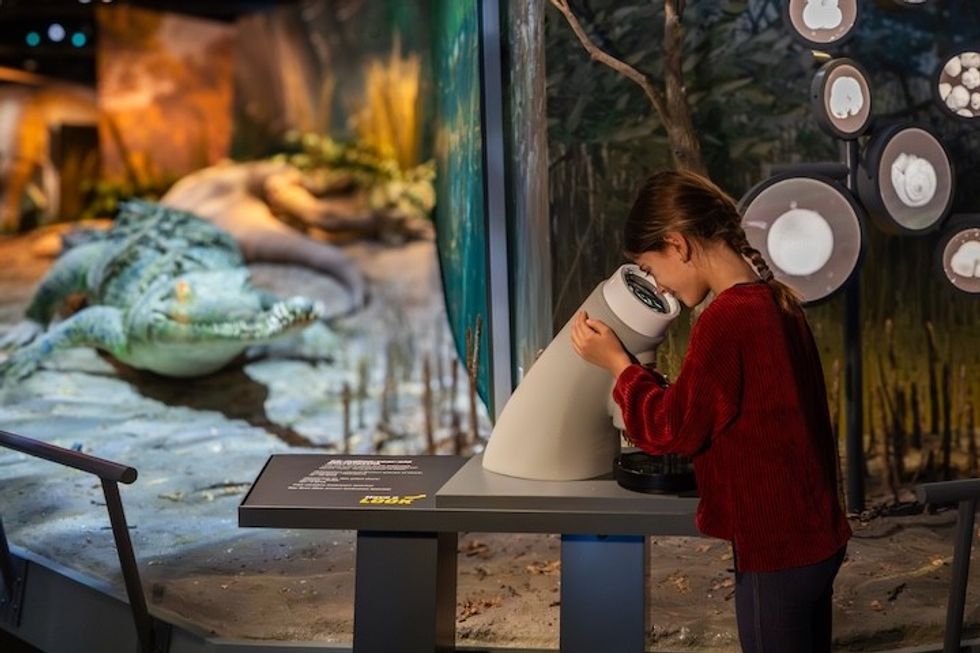
Visitors embark on an emotional and educational journey through immersive spaces such as Dinosaur Coast, Monstrous Seas, and the Hall of Extinction & Hope, where full-scale reconstructions, dynamic lighting, soundscapes, and interactive exhibits bring ancient worlds to life.
The journey culminates in a message of resilience and environmental stewardship, inspiring guests to connect the extinction story of the past with our shared responsibility today.
Visitor Journey
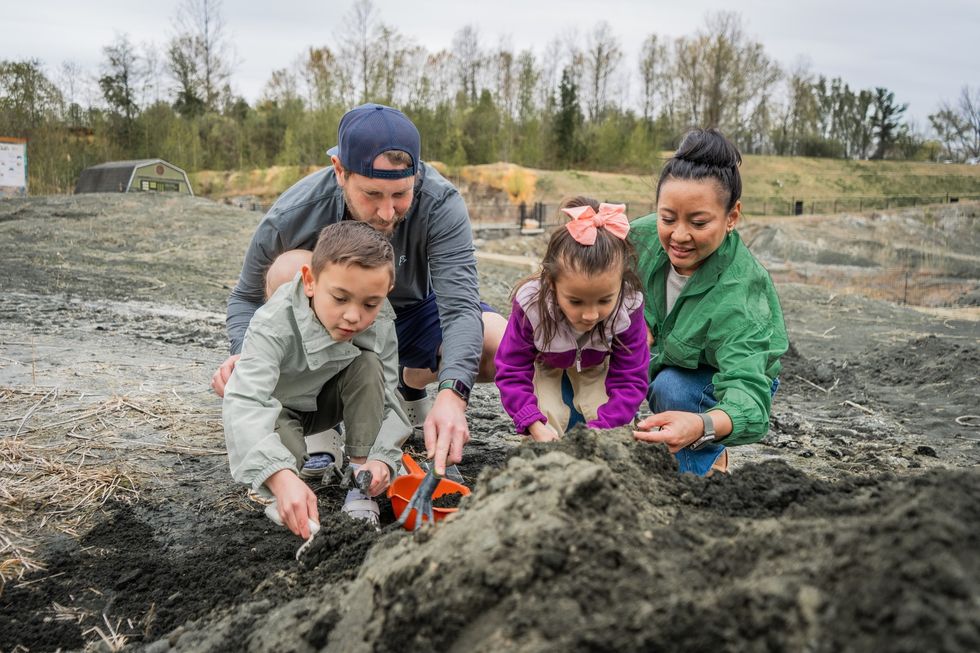
From the moment visitors arrive, the design of EFM guides them through discovery, beginning with the outdoor fossil quarry, where guests can dig for real fossils, to the museum’s Discovery Forest, Critter Cove, and free-roaming virtual reality experience.
Every touchpoint, from the Quarry Grounds Café to the Pterosaur Pterrace Playground, is designed to foster curiosity, awe, and connection. Together, these elements create a holistic and accessible guest experience that bridges science and culture, engaging audiences of all ages in the wonder of discovery.
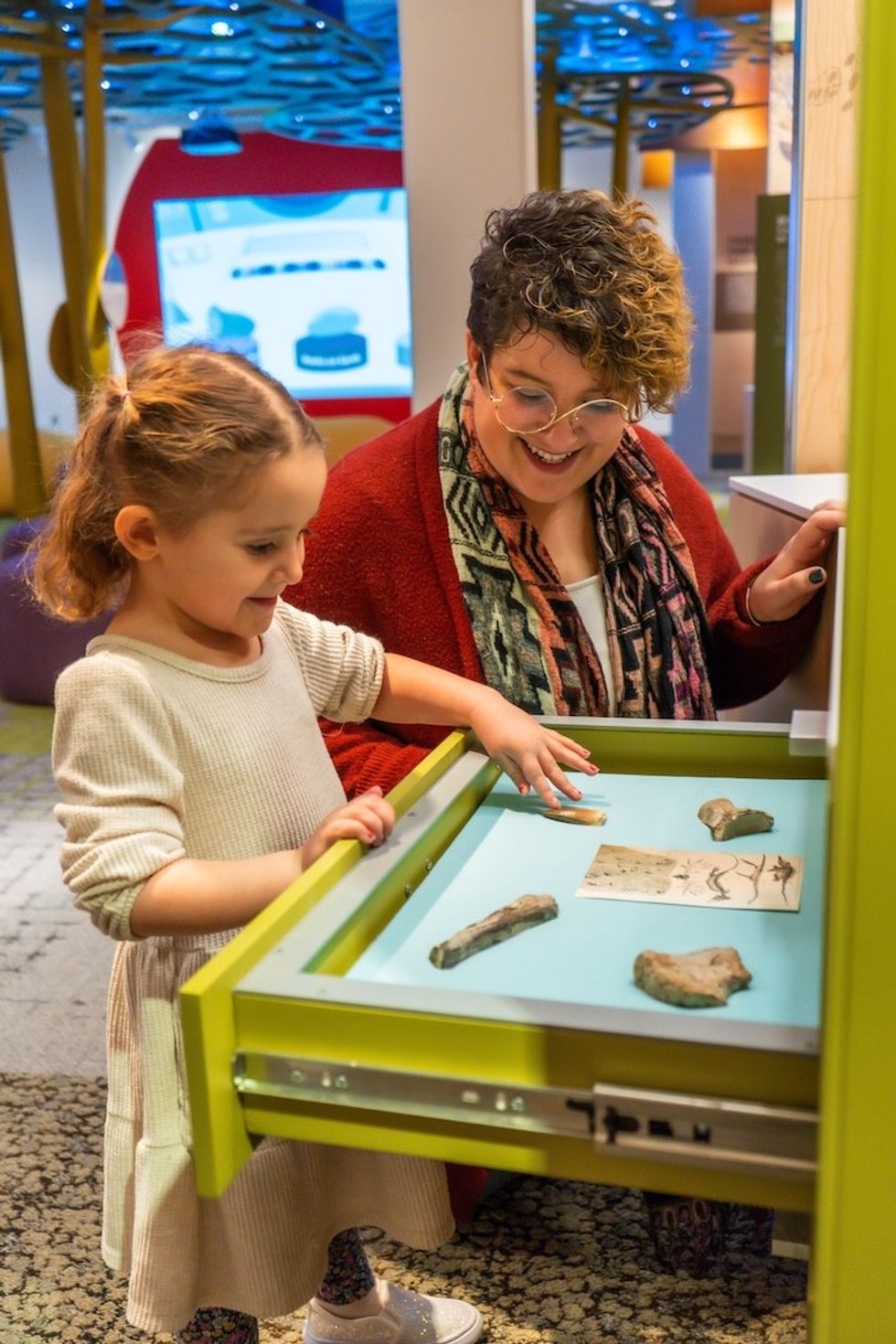
In addition to its exhibits, the museum offers hands-on activities, such as an interactive scavenger hunt, animal encounters at Critter Cove, and tactile, educational experiences for younger audiences at Discovery Forest, allowing guests of all ages to actively engage with science through play and experimentation.
Innovative signage, multimedia elements, and interactive stations allow visitors to engage at their own pace, making each experience personalised and memorable.
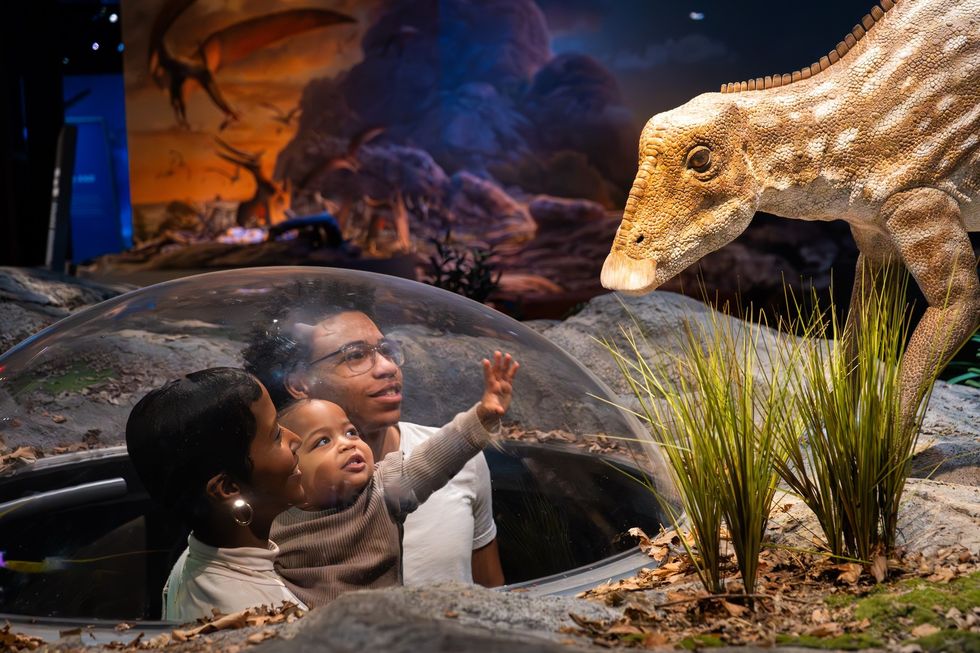
Another key innovation lies in the integration of sustainability and operational efficiency into every aspect of the museum experience. Aligned with their mission to discover the past and protect the future, the museum was sustainably designed with geothermal and electric systems to reduce the carbon footprint.
Additional spaces like Pterosaur Pterrace – a one-of-a-kind palaeontology-themed playground – feature sustainable material, and every touchpoint, from exhibit design to visitor flow, is carefully crafted to inspire guests throughout their journey, giving the hope for the future and encourages environmental stewardship.
Furthermore, their carefully-curated programming also encourages guests to consider sustainability in their own lives, connecting the prehistoric past to contemporary environmental challenges.
EFM also fosters collaboration between scientists, educators, and designers to ensure both scientific accuracy and visitor accessibility. The museum was founded by Dr Kenneth Lacovara, a world-renowned palaeontologist best known for unearthing the massive 65-ton Dreadnoughtus, which appeared in the film Jurassic World: Dominion.
Partnerships with Rowan University, conservation organisations and local scientists amplify educational impact, positioning the museum as both a research hub and an unparalleled community resource.
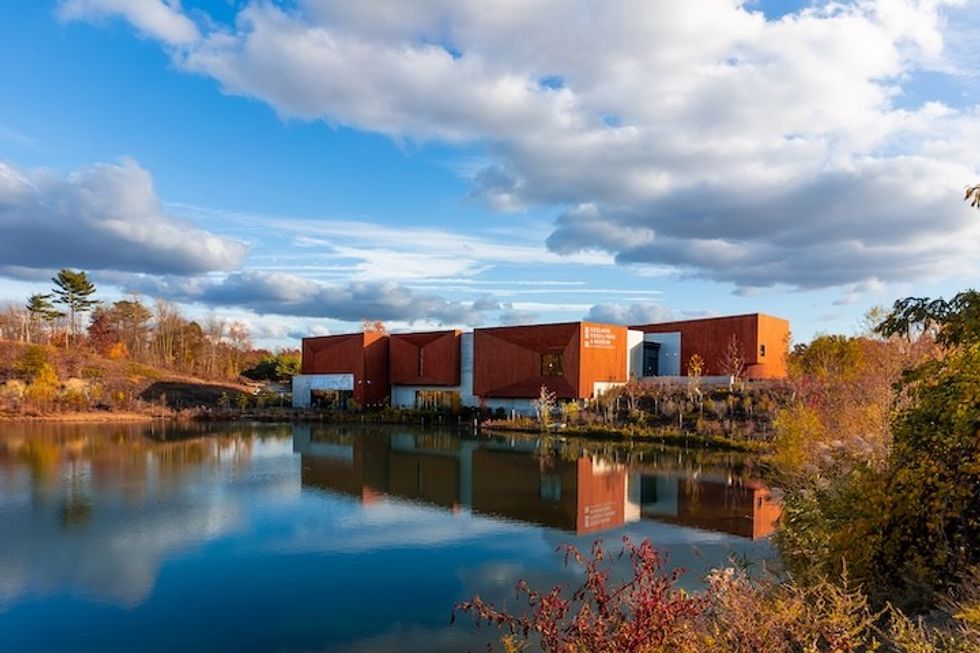
Adding to the importance of the museum, EFM also blends seamlessly with its scientifically-relevant environment.
Southern New Jersey has long been known as a globally important region for palaeontology, and just below the surface of the museum, their team has unearthed more than 100,000 real fossils representing over 100 species of marine and land animals, including the remains of bus-length mosasaurs, marine crocodiles, sea turtles, shark teeth, and much more.
This innovative approach to museum design demonstrates how science, technology, and sustainability can be seamlessly integrated to create a holistic, educational, and deeply engaging visitor experience, creating a new standard for traditional museums.
By blending storytelling, interactive discovery, and environmental responsibility, EFM is redefining what it means to experience a museum in the 21st century, and exemplifies innovation in a field that never ceases to fascinate audiences worldwide – the majestic world of dinosaurs.
Partners
- Rowan University
- G&A
- Ennead Architects
- KSS Architects
- Jive PR + Digital