The Philippines Pavilion at Expo 2025 Osaka is a striking example of how experiential technology can be interwoven with cultural heritage to create an immersive, authentic national showcase. Designed to honour Filipino biodiversity, craftsmanship, and community, the pavilion combines advanced multimedia systems with handcrafted artistry to deliver a journey that is both innovative and deeply human.

Cultural Storytelling through Technology
At its core, the pavilion tells the story of the Philippines through participatory experiences. Visitors encounter a sequence of environments that merge immersive projection and lighting features, interactive elements, and digital storytelling, designed to celebrate the nation’s landscapes, heritage, and future. A highlight of the experience is an AI-powered interactive fiesta, where visitors actively shape their journey, symbolising the creativity and communal spirit of the Philippines.
Architectural & Material Innovation
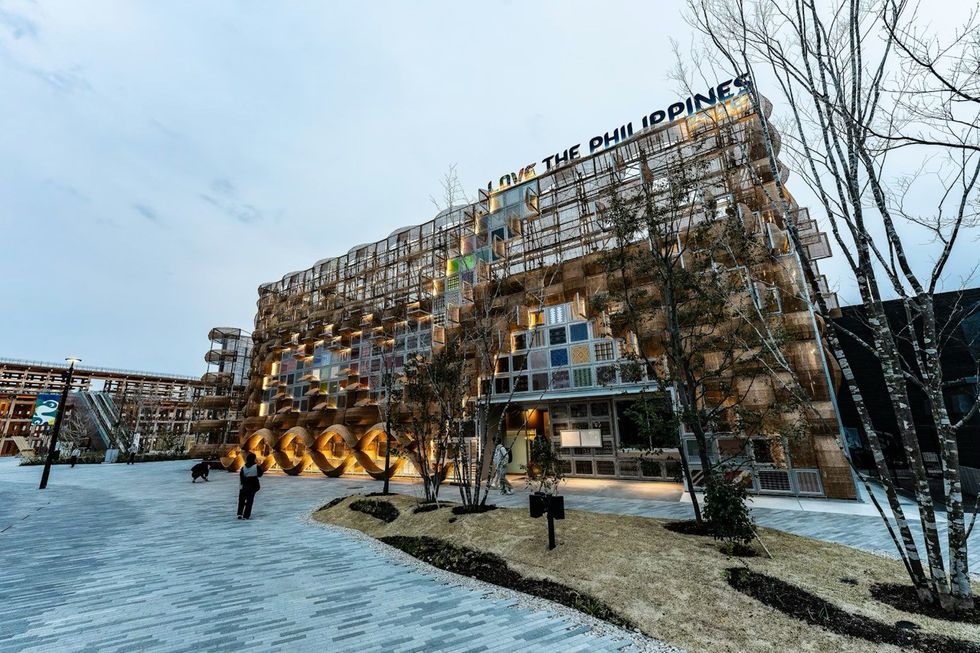
The pavilion’s exterior is an architectural narrative in itself: a façade crafted from more than 200 handwoven textiles sourced from 18 regions across the Philippines, created by local artisans. These natural and cultural materials were treated, transported, and integrated with great care, balancing authenticity with compliance. The result is a façade that is both sustainable and symbolic, turning indigenous craft into a large-scale immersive canvas.
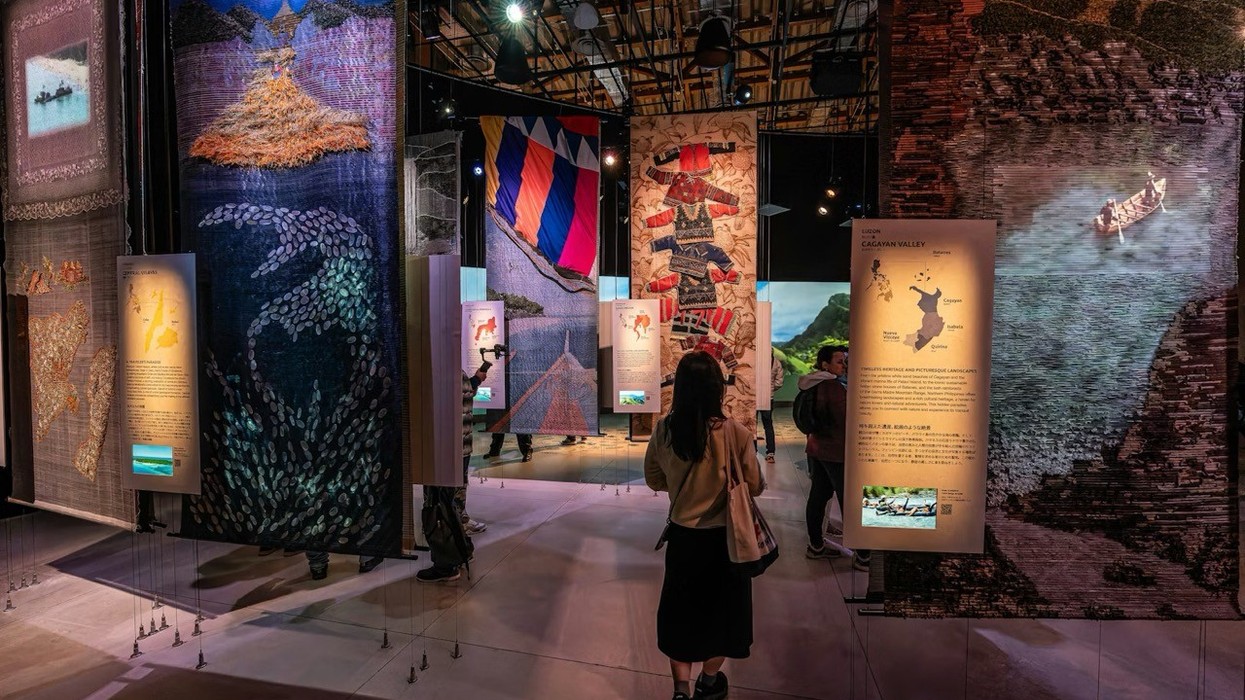
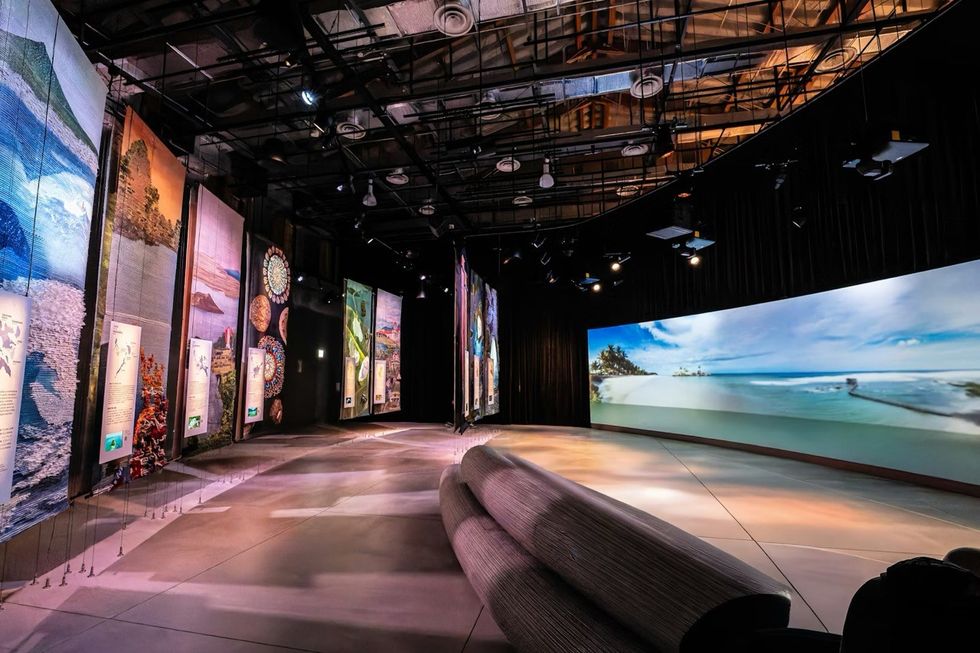
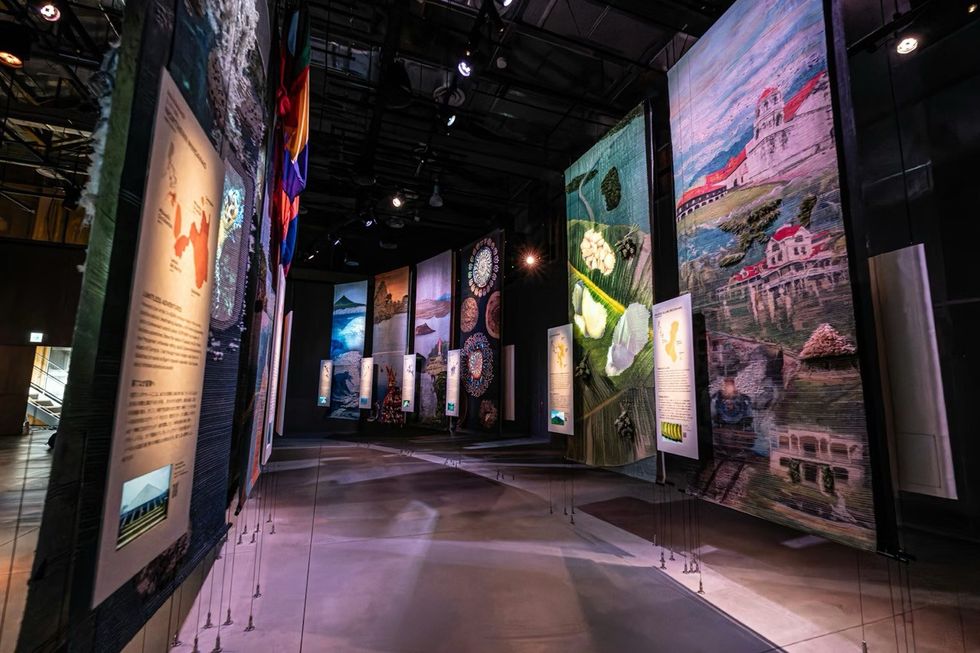
Inside, the design extends this material storytelling. Visitors walk through a “woven forest” of textiles and artworks, where traditional motifs are enhanced by dynamic lighting and interactive technologies. By embedding natural materials within a digital framework, the pavilion achieves a rare balance between heritage and innovation.
Experiential Technology & Integration
BeWunder’s turnkey scope covered the full delivery of the visitor experience — from early feasibility studies and design development to final implementation. Our scope included:
- Multimedia and lighting systems: fully synchronised across the pavilion to create immersive atmospheres.
- Interactive installations: responsive technologies that invite participation, including the AI-driven fiesta.
- Exhibit fabrication and scenic fit-out: physical sets and custom-built structures that frame the digital content.
- Graphics, print, and signage: integrated visual layers that reinforced narrative clarity.
- Façade installation: engineered to support the woven textiles, marrying cultural authenticity with structural innovation.
- Centralised show control ensured all AV and lighting systems worked in harmony, allowing the pavilion to deliver complex sequences with precision.
Innovation in Experiential Technology
What makes the Philippines Pavilion stand out in this category is its fusion of natural materials and advanced technology. The façade is not only visually striking but also a statement on sustainability and community. Inside, the integration of AI-driven interactivity and immersive projection with handcrafted artworks creates a unique balance of tradition and modernity.
By transforming artisanal heritage into part of the digital experience, the pavilion demonstrates how experiential technology can serve storytelling with authenticity and inclusivity. It is not just an exhibition space — it is a living cultural statement, showcasing how innovation can be rooted in identity and heritage.
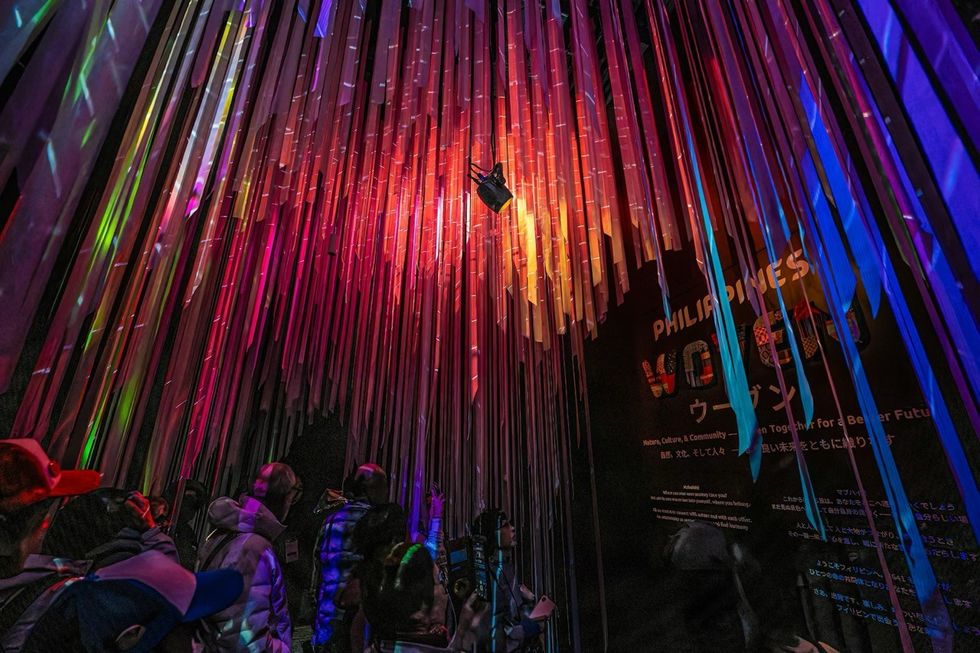
The Philippines Pavilion transforms storytelling into an active, multi-sensory journey through the fusion of cultural heritage and cutting-edge experiential technology. Inside, visitors are immersed in a dynamic “forest” of woven artworks that respond to movement, sound, and presence. These textiles are embedded with motion sensors and projection-mapped animations that evolve in real time, symbolising the interconnection between people, craft, and nature — a modern interpretation of the Filipino concept of bayanihan (community spirit).
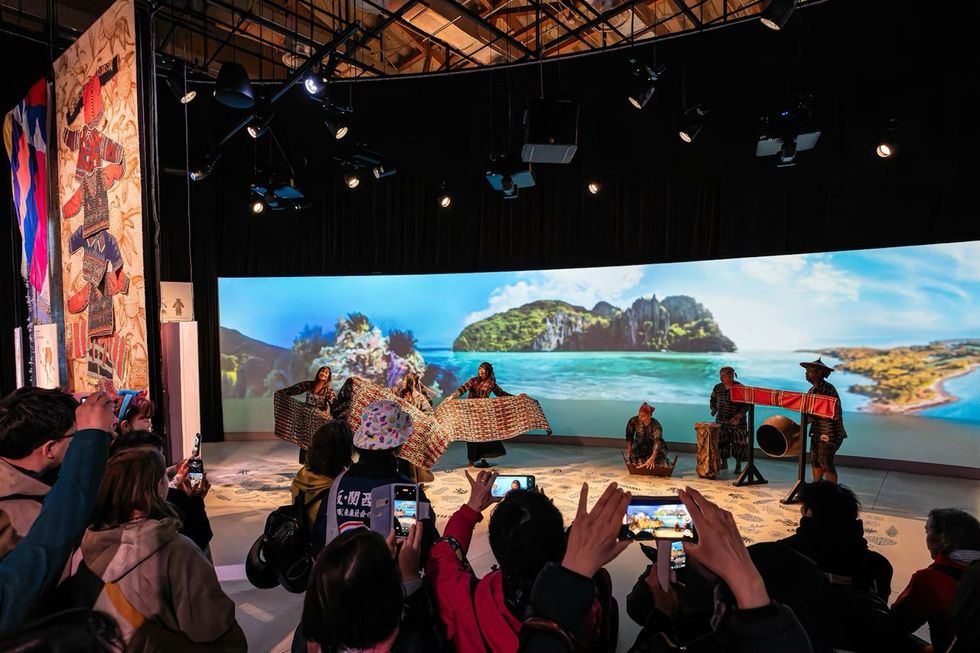
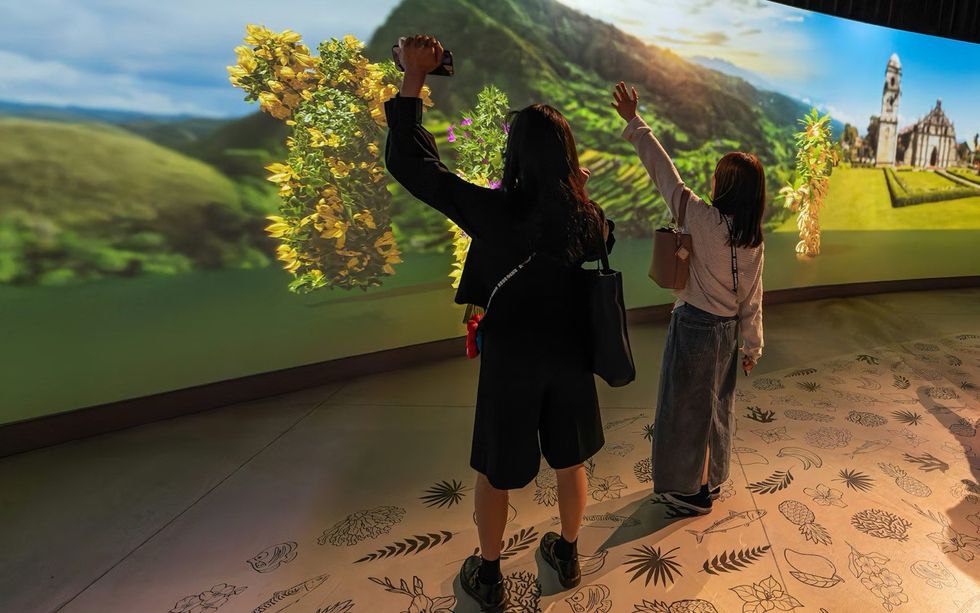
The centrepiece of the experience is an AI-powered interactive fiesta, an original concept developed to celebrate the country’s vibrant festivals through digital art. Visitors can engage with AI-generated patterns, colours, and rhythms inspired by traditional dances and local instruments. As guests move or clap their hands, the environment reacts — lights shift, music layers adapt, and visuals unfold uniquely for each participant. No two interactions are ever the same, creating a living celebration of Filipino creativity powered by technology.
This innovative use of AI and real-time interactivity transforms passive observation into participation. It bridges ancestral craftsmanship with modern technology — from the handwoven textiles of the façade to the data-driven algorithms that animate the interior. The result is an experience that honours tradition while showcasing how innovation can preserve and amplify cultural identity in a global setting.
Logistics & Collaboration
Delivering a pavilion that combined artisanal craft with high-tech systems posed significant challenges. BeWunder managed logistics for sourcing, treating, and transporting natural materials from the Philippines, ensuring durability and compliance with Japanese regulations. Simultaneously, advanced AV, interactive, and lighting systems were engineered, installed, and commissioned on a compressed timeline.
This was achieved through close collaboration between the Tourism Promotion Board (end client), RF Construction (commissioning partner), and Tellart (exhibition designer). BeWunder acted as the turnkey partner, bridging creative ambition and technical delivery.
Impact & Visitor Experience
Since opening on 13 April 2025, the Philippines Pavilion has been praised for its emotional depth and innovative presentation. Visitors highlight the power of walking through a tactile, woven façade into an immersive digital environment, where technology elevates rather than overshadows culture. The pavilion has become a symbol of national pride and a highlight at Expo 2025.
Partners
- Tourism Promotion Board – End Client
- RF Construction – Commissioning Partner
- Tellart – Exhibition Designer
- BeWunder – Turnkey Design & Build Contractor, Multimedia & Technology Integration