Adirondack Studios (ADKS), a company that provides creative solutions for designers, artists, producers, and owners in the themed entertainment industry, continues its five-decade story in this third of five excerpts from Fifty Years of Making a Scene: Adirondack Studios 1975-2025, as the company wraps up its 50th Anniversary celebrations this year.
Fifty Years of Making a Scene: Adirondack Studios 1975-2025 is written by Bob Barnett with a foreword by Michael Blau. It is edited by Michael Blau, Tom Lloyd, Mike Marko and Clara Rice.
The book will be published in a limited release in 2026.
The first excerpt is available here, and the second is available here.
Boarding the roller coaster of the theme park industry
At the conclusion of the last segment, Adirondack Scenic had just expanded from a 600-square-meter, one-story building in Warrenburg, New York, to a 6,000-square-meter former glove factory in nearby Glens Falls, which offered three floors of workspace.
The company had gone from a handful of employees who could all take on different tasks depending on the demands of the project, to a staff of 70 with specialised skills that included carpentry, soft goods, paint, metal and electrical work.
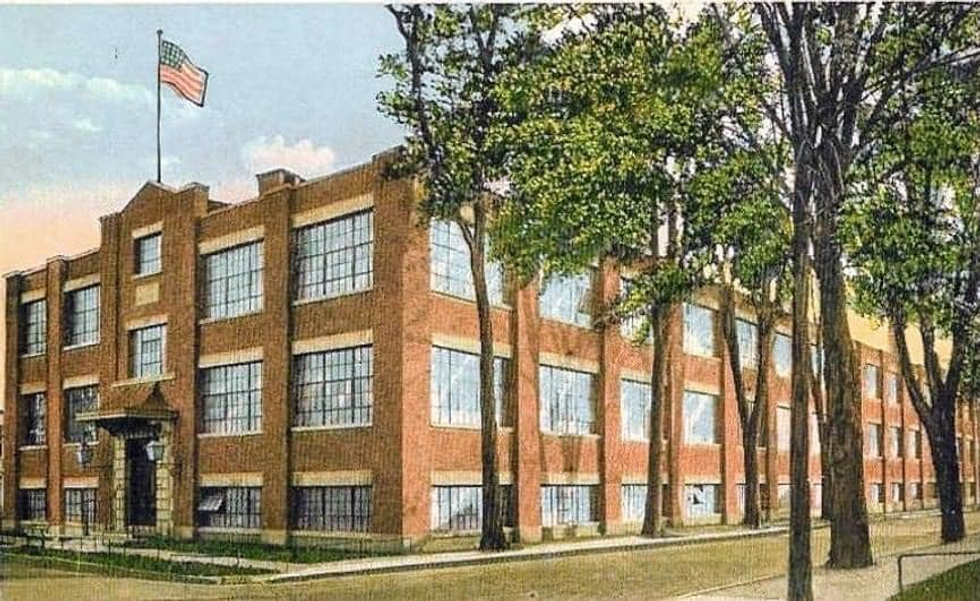 Adirondack Studios Glens Falls - formerly the Clark Brothers Thread Mill
While the company had established itself as a major player in the live performance and corporate event realms, theme parks had not been a major priority. But that was about to change.
In the early days, ADKS worked with Charley Wood at Storytown USA, a local park with a western Ghost Town and rides and attractions based on Mother Goose.
They created new exterior facades, paint treatments and murals for Sesame Place, the first park to be licensed from Sesame Workshop.
Sesame Place was developed by Anheuser-Busch. They had also developed Busch Gardens: The Old Country, in Williamsburg, Virginia, a theme park with European “lands,” each with their own rides, attractions, live entertainment, and food offerings.
ADKS was brought in to develop what became Kaleidoscope, a lavish Broadway-style musical review that was wildly popular. Kaleidoscope was so successful that the show was later moved to Busch Gardens Tampa, where it played for five years after its initial run at the company’s Williamsburg location.
But it was all a prelude for what was to come.
Universal opportunities take flight
Fresh from the success of Universal Studios Hollywood, Universal was ready to head east, and ADKS was ready to build show sets and props for the rides at their new Orlando park.
Dick Emerson, an early owner of ADKS, spearheaded getting in that door and opening it as wide as possible. The company relished the learning experience of working on technically demanding, automated dark rides such as E.T. Adventure.
The E.T. Adventure ride took guests on a flight, “bicycling” E.T. to safety and joining him when he is whisked away to his home, the Green Planet. But above and beyond meeting the technical demands of the ride, Universal tasked ADKS with creating the translucent and magical world of the Green Planet – unseen in the movie.
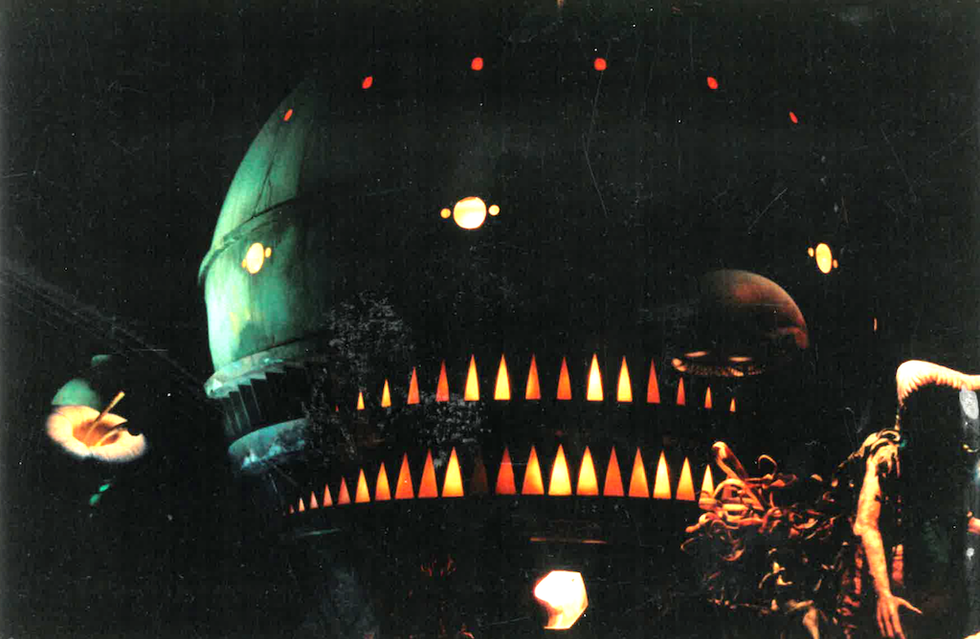 Fabricated spaceship for E.T. The Adventure
Thanks to the skillset and imagination of ADKS’ sculptors and scenic artists, the work convinced both visitors and Universal with the results. This project then guided Universal to contract ADKS for their E.T. Adventure rides at its parks in Hollywood and, eventually, Japan.
Much like E.T.’s Reese’s Pieces in the iconic film, the success of E.T. Adventure led to a trail of Universal projects, including Back to the Future: The Ride, Alfred Hitchcock: The Art of Making Movies, and The Funtatstic World of Hanna-Barbera, as well as the "paint and age" contract for Universal Studios Florida’s Hollywood Boulevard, New York Set Street facades and centerpiece lagoon.
The New York Set Street needed to have the proper period patina. Hollywood Boulevard cried out to be as pizzazz-y as possible.
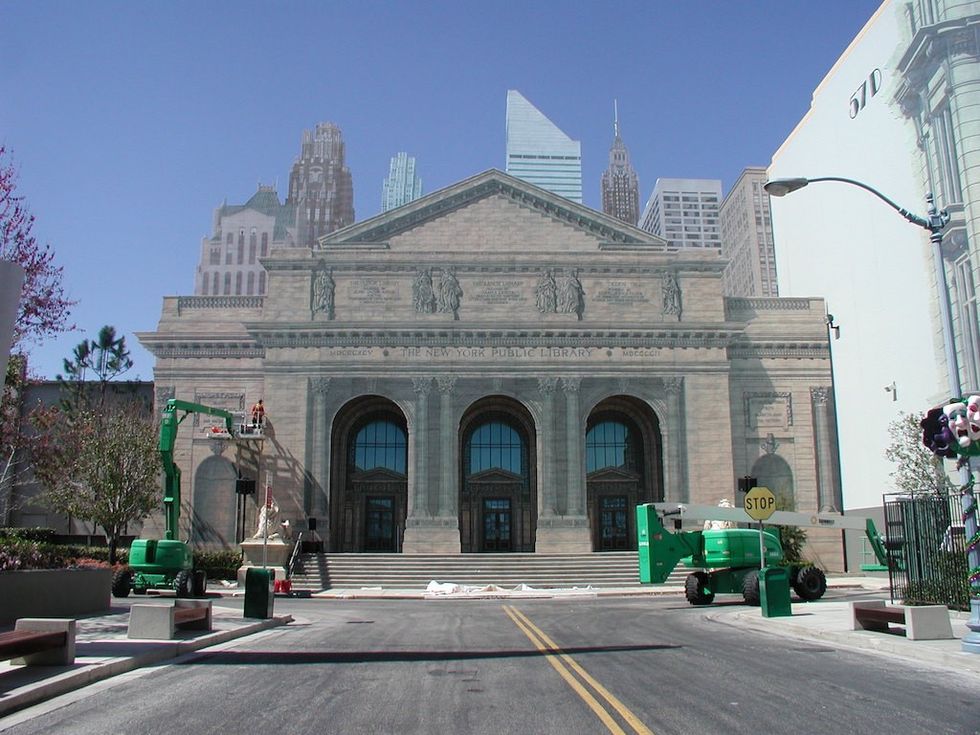 Universal Studios Florida, New York Set Streets
Both had to maintain their guest-friendly sheen for years into the future, even in the face of Florida sun, moisture, and hurricanes. Scenic painter Louis Allen, who had previously worked with ADKS on Disney on Ice, came aboard, testing and fabricating finishes that were both convincing and long-lasting.
The results were so impressive that Universal’s own team of film art directors were amazed at what had been accomplished. The exterior painting, which has grown to become one of the ADKS’ specialties, is known as “character finishes.”
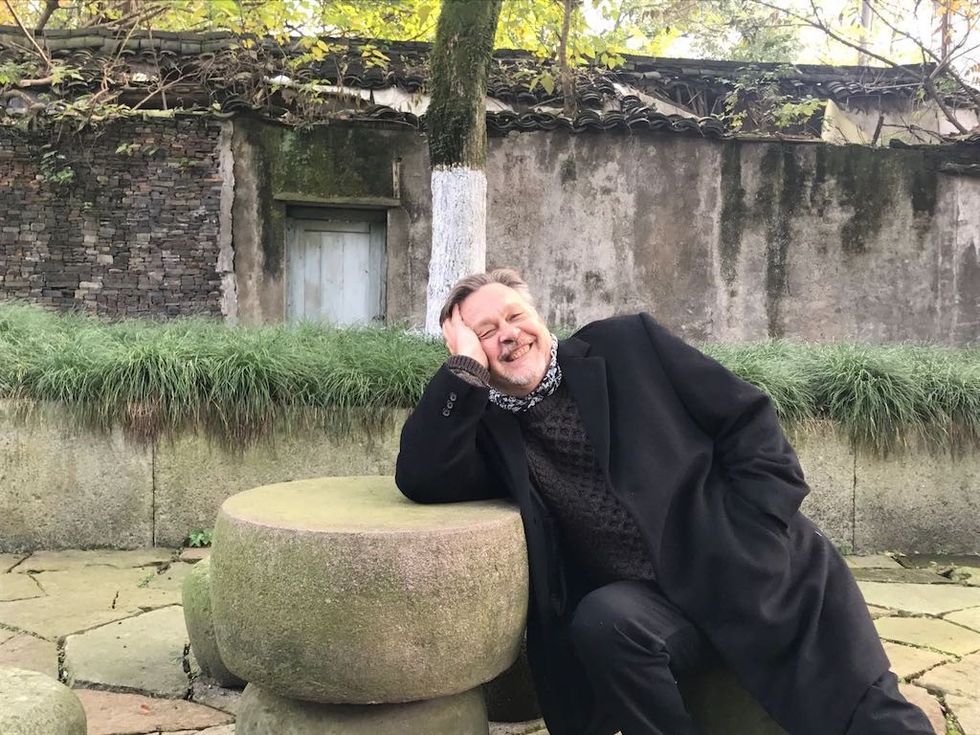 Louis Allen
The company continues to perform this work today, with some painting contracts exceeding over 46,500 sqm (500,000 sf) of surface area. As for the late Louis Allen, he enjoyed a storied career with Adirondack Studios, eventually become the company’s creative VP and shareholder.
Sweet revenge
A signature attraction of those early Universal days was Revenge of the Mummy.
Working with the Universal team, ADKS developed scenic materials and finishes so that the pre-show would be as convincing as possible. ADKS’ team developed a collection of materials that could be applied throughout the queue, including hieroglyph panels, rough-cut wood cribbing, textures, props and graphics.
This approach gave the scenic artists flexibility in responding to changing facility conditions, the ability to move crews from location to location during the challenging install process, and a consistency in quality throughout the ride. Revenge turned out to be sweet, as guests still flock to this thrill ride two decades later.
Stunting achievements
Through ADKS’ work with Universal Studios Florida, the company tiptoed into the world of stunt shows. Peter Alexander, a former creative executive at Universal, started his own operation, The Totally Fun Company.
Initially, he hired Adirondack Scenic to build sets and props for Robin Hood: Prince of Thieves Stunt Show at New Jersey’s Six Flags Great Adventure. The job included creating spring-loaded trick arrows that were truly convincing.
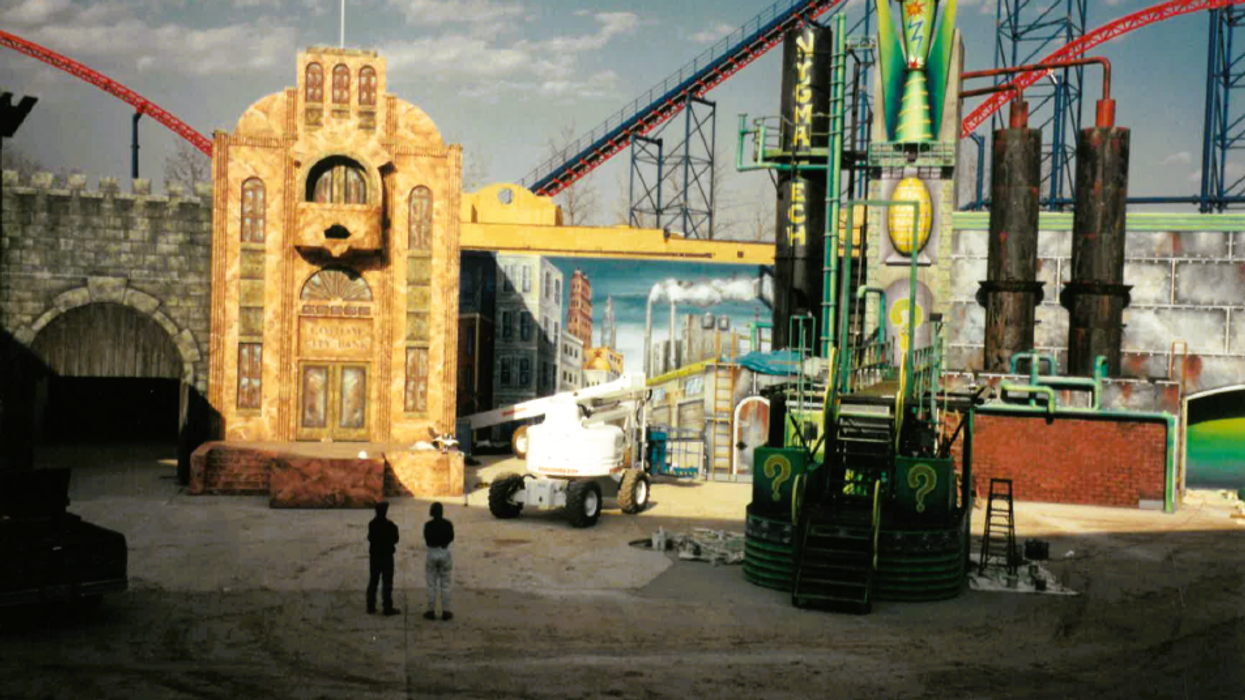
That was just the start. The next assignment at Six Flags Great Adventure was big time. ADKS built its Batman Stunt Spectacular, which was staged in a 3,200-seat outdoor arena [pictured, top].
The scope included the entire Gotham City set, including the Joker’s Axis Chemicals factory with its pipes, valves, and smokestacks billowing plumes of smoke into the air.
The show proved so popular, ADKS built a total of ten Batman stunt shows over the next four years, including sets, props and special effects, sending the Batmobile crashing through brick walls of rubber in theme parks throughout the USA and Mexico.
It was a clever way for Six Flags to reduce the queues for its rollercoasters.
Rolling the dice on new (super)markets
Although Universal and Six Flags launched Adirondack Scenic into the world of major theme parks, the company continued to branch out in new directions, working with concert halls, aquariums, zoos, museums, and even grocery stores and casinos.
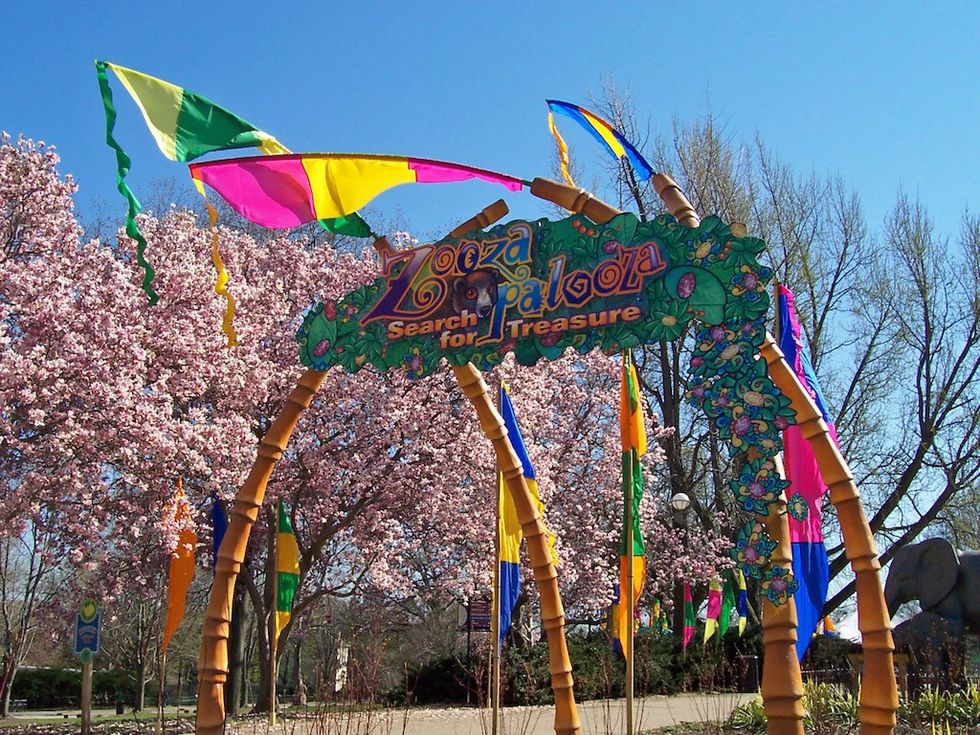 Zoozapalooza at Philadelphia Zoo
On the cultural side, ADKS helped make beautiful music for concert venues, developing elegant acoustic panels for a wide range of symphony halls. The company also built exhibits, props, murals, interactives and graphics for the likes of Long Beach Aquarium of the Pacific, Philadelphia Zoo, Tennessee Aquarium, and Indianapolis Zoo.
The company even constructed an entire wall of 3,000 cans of SPAM for the original SPAM Museum.
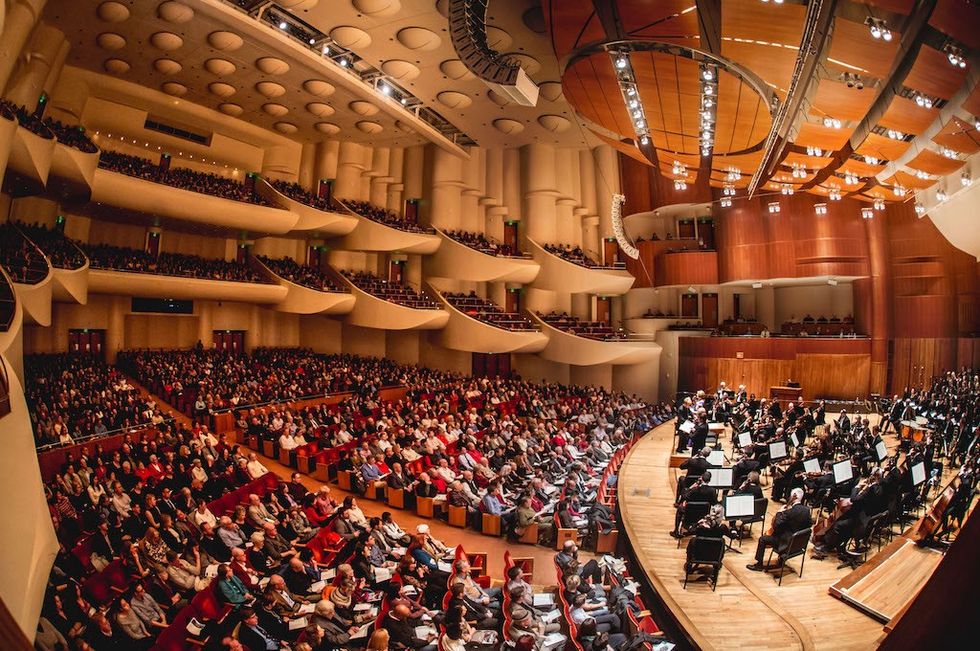 Meyerhoff Symphony Hall
And speaking of food, around this time, Adirondack Studios began what has become a 30-year collaboration with Wegmans’ Food Markets, a family-owned chain of supermarkets in the eastern United States.
Since the initial collaboration in the mid-90s, ADKS has produced murals, awnings, arches, signage and décor for dozens of stores in keeping with Wegmans’ mission to create “destination shopping experiences” for its legions of mega fans, the Wegmaniacs.
In its pursuit of theme parks, museums and retail outlets, ADKS didn’t want to squander the opportunity to go all-in on casinos. Ironically, ADKS’ gaming journey began with a request to build an entertainment complex targeted to non-gamblers at Foxwood Resort & Casino.
The success of that project led to more work not only with Foxwoods but with additional casinos like Circus Circus in Las Vegas, including a long-term consultancy with The World Champion of Magic, Lance Burton.
New name, new look, new vision
The impact of the gaming industry on Adirondack Studios is still very evident today.
The company’s current logo, featuring a series of four brightly colored and textured squares, was inspired by the light boxes created for the Seneca Niagara Casino, with the colors representing ADKS’ four main markets or four main areas of expertise (depending on who you ask).
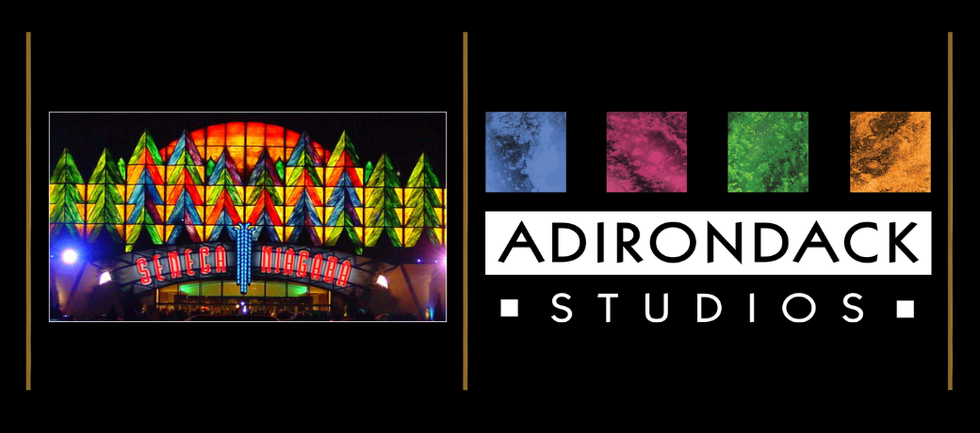
As the company reconsidered its look, it also re-evaluated its name.
There had been an ongoing debate about “Adirondack Scenic”. The company’s clients were now theme parks and casinos, aquariums and supermarkets. “Scenic” felt stage-bound and was potentially confusing when pitching services to a museum or promoting the company as an acoustical consultant.
The new name? Adirondack Studios. Plural. Yet individual. Separate groups of artists, designers and craftspeople working together to serve distinct client bases with individualized attention, knowledge, and capabilities to meet their needs.
The changes happened just in time, because Adirondack Studios was about to go global…
Stay tuned for the fourth installment of “Fifty Years of Making A Scene,” coming in January.
Additionally, members of the Adirondack Studios and Adirondack Studios Middle East teams will be at the MENALAC EduTour on Wednesday, 14 January 2026. Attendees can schedule an appointment by email.