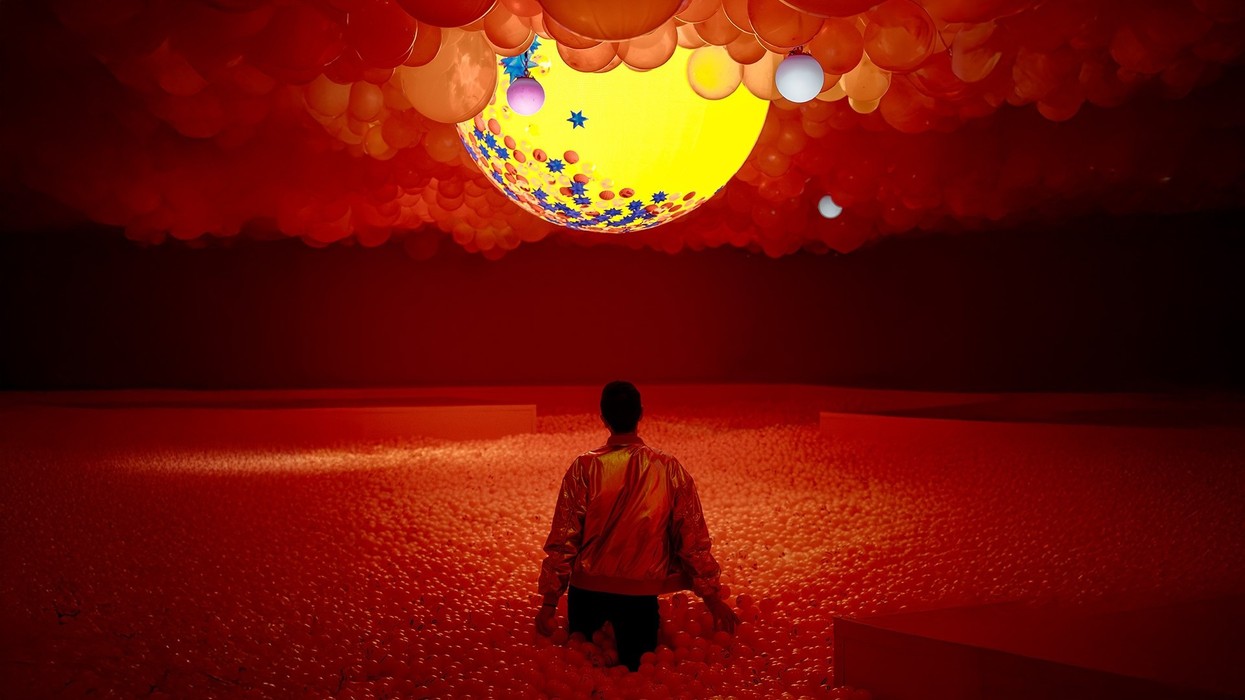
Balloon Museum is not an entertainment pop-up and not a traditional museum. It is a new cultural phenomenon that has redefined how millions of people encounter contemporary art: not at a distance, but from the inside out.
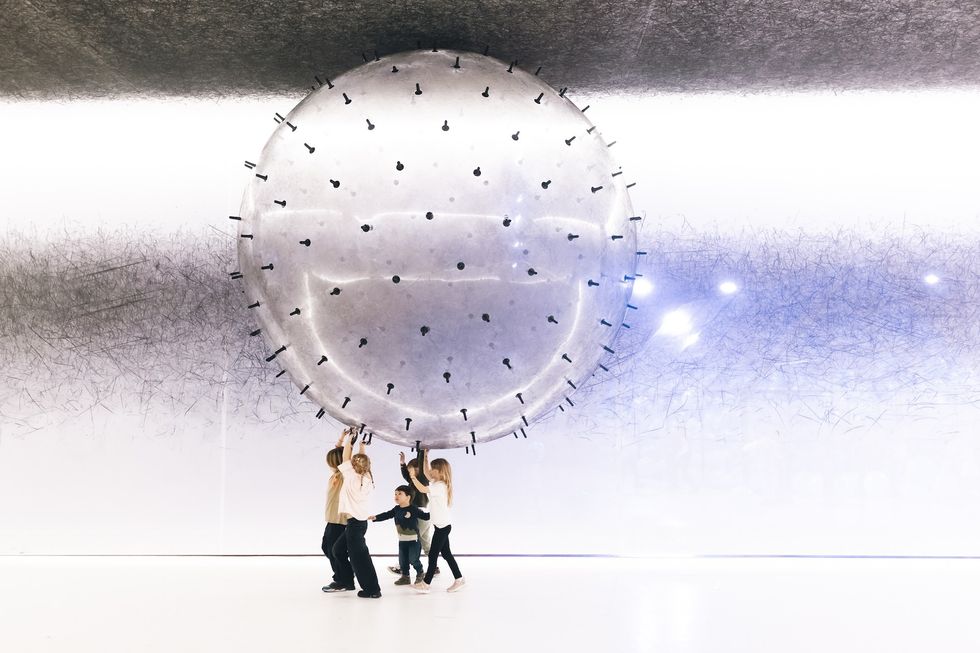
At its core lies a radical but simple philosophy: “Vietato non toccare”—Do not “not” touch. This is more than a rule; it is an invitation to experience art in a new way.

Art should not be guarded behind glass, reserved for the few. It should be entered, inhabited, and lived. At Balloon Museum, children discover that art is something you step into, and adults remember that wonder was never meant to be left behind.
Since its debut in Rome in 2022, Balloon Museum has welcomed more than ten million visitors across Europe, Asia, and North America. Every city tells the same story: demand exceeds expectation. In New York, nearly 300,000 people arrived in just 77 days. In Paris, at the Grand Palais, more than 150,000 visitors per month entered Euphoria. Average attendance across markets exceeds 100,000 people per month—numbers usually reserved for blockbuster museum shows or major theme park attractions. And yet what draws these crowds is not spectacle for its own sake. It is art made radically accessible.
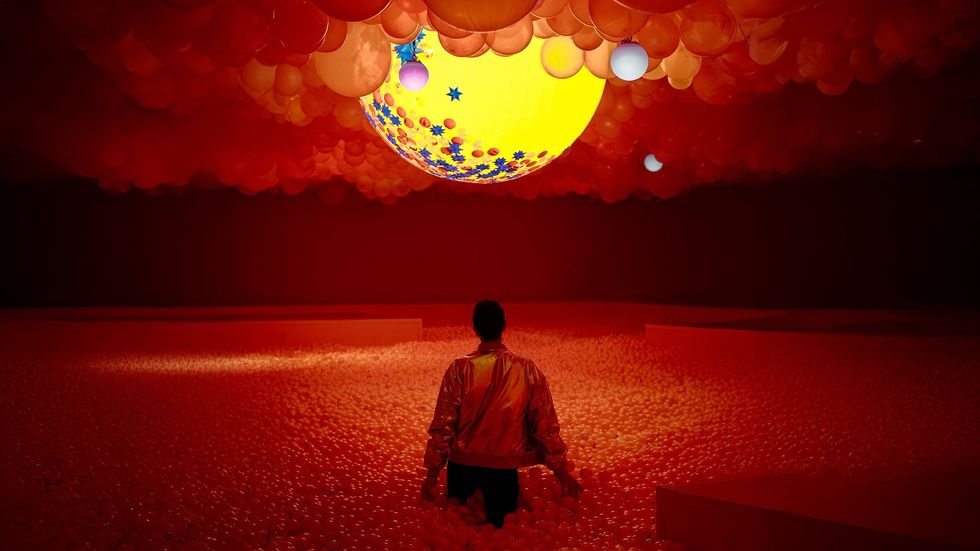
The works are created by some of the most important artists of our time: Carsten Höller, Philippe Parreno, Marta Minujín, Rafael Lozano-Hemmer, A.A. Murakami, Paola Pivi, and others. These are artists whose work resides in MoMA, Tate, and Centre Pompidou—yet here, their installations are not only seen but touched, entered, and shared. The unifying medium is air: ephemeral, democratic, and poetic. Inflated at monumental scale, air becomes material, metaphor, and method. Visitors float, bounce, crawl, or simply breathe in dialogue with works that use light, sound, and movement to create an emotional landscape.
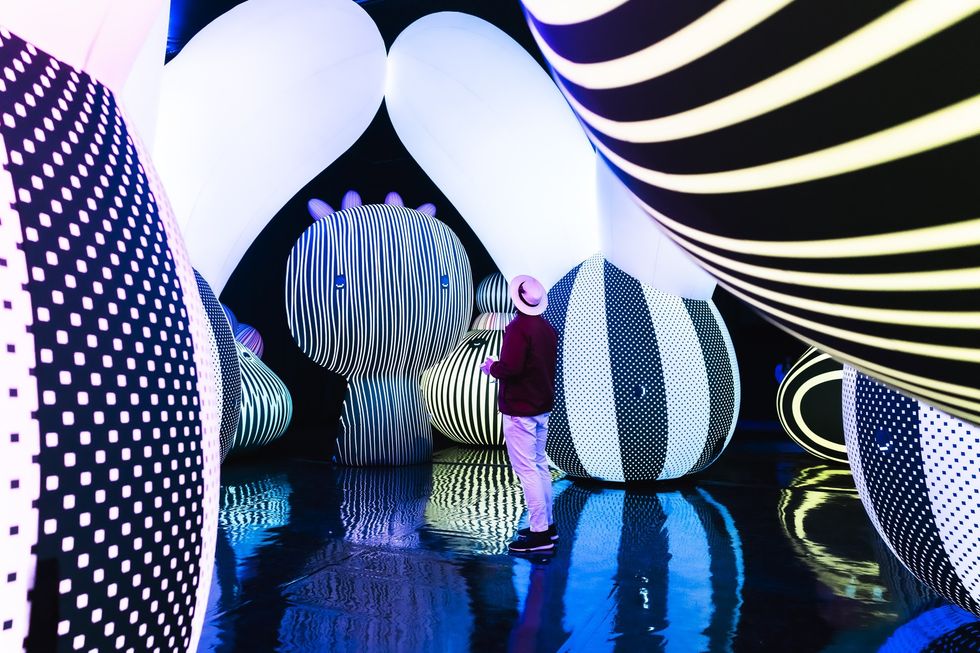
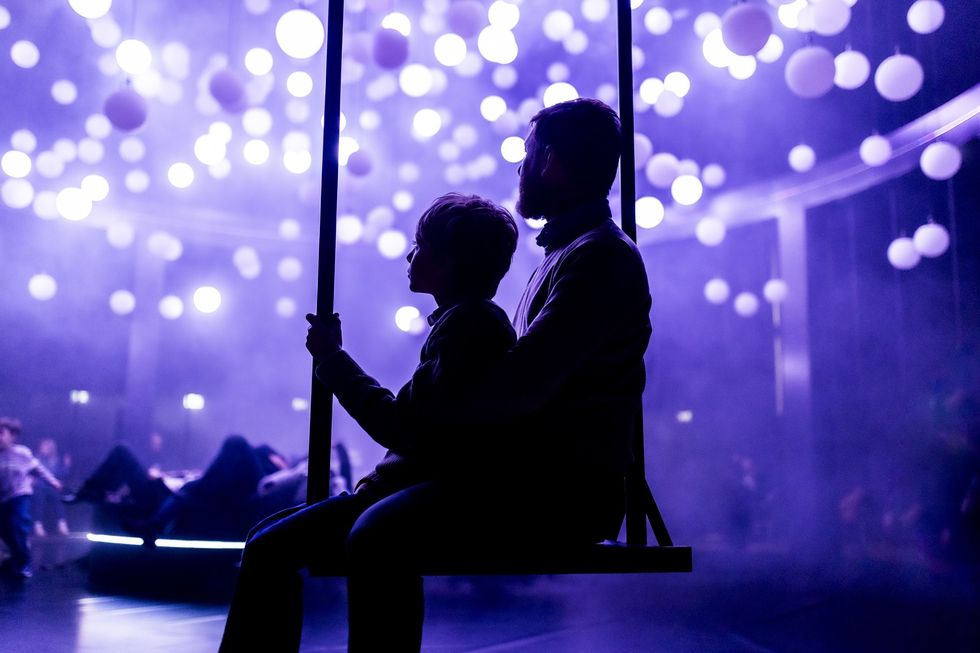
What makes Balloon Museum innovative is threefold:
- Artistic: Commissioning major artists to transform air into a democratic, participatory medium
- Experiential: Placing the visitor inside the artwork—not as a spectator, but as an active participant
- Structural: Building a model that is globally scalable, financially sustainable, and artist-supporting, with royalties paid directly to creators
This model balances cultural credibility with civic and economic impact. Host venues gain not only rental income but an expanded audience and renewed identity. Cities gain a magnet that draws tourism, fills restaurants and hotels, and generates civic pride. And communities gain access: in every market, Balloon Museum works with local organisations to provide entry for students, families, and underrepresented groups.
The Balloon Museum is not just a touring exhibition. It is a platform where new works, new methods, and new possibilities for public art are constantly being developed. With four exhibitions currently in rotation—Euphoria, Pop Air, Emotion Air, and Let’s Fly—it has proven that experience itself can be art, and that art can be rigorous and joyful, poetic and playful, serious and spectacular.
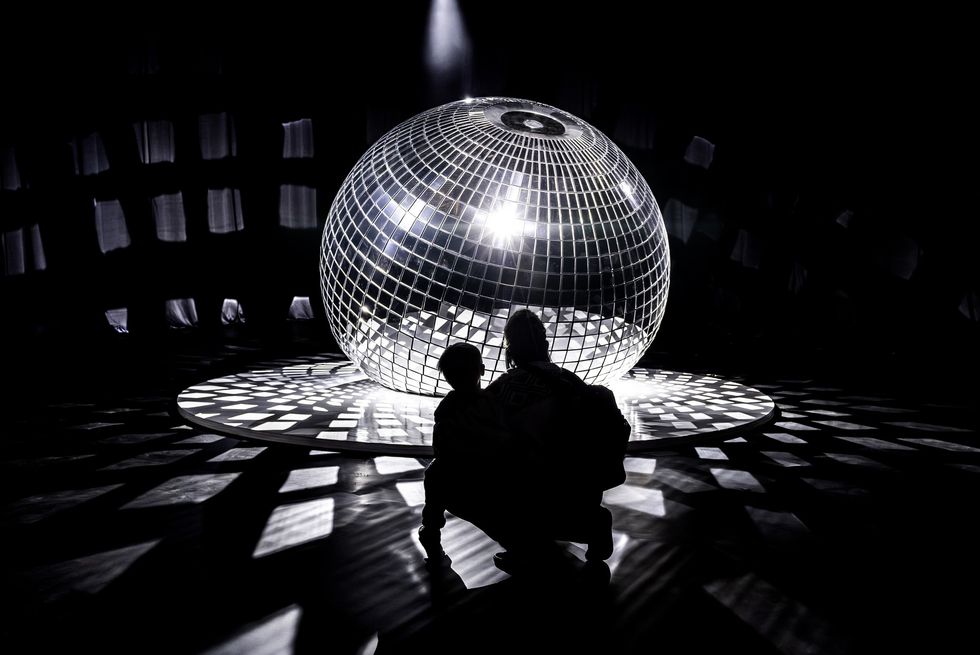
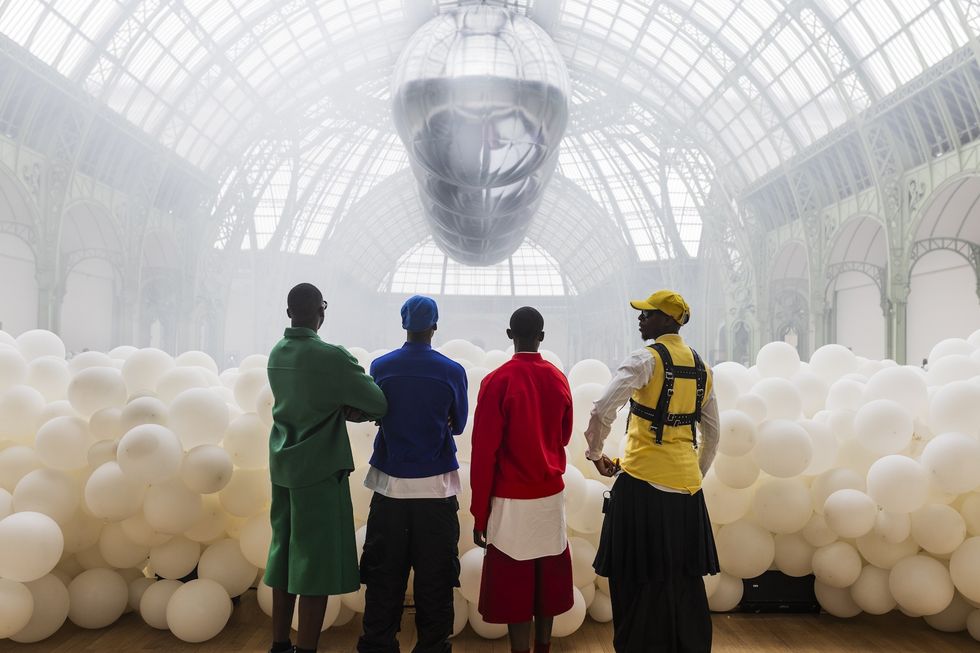
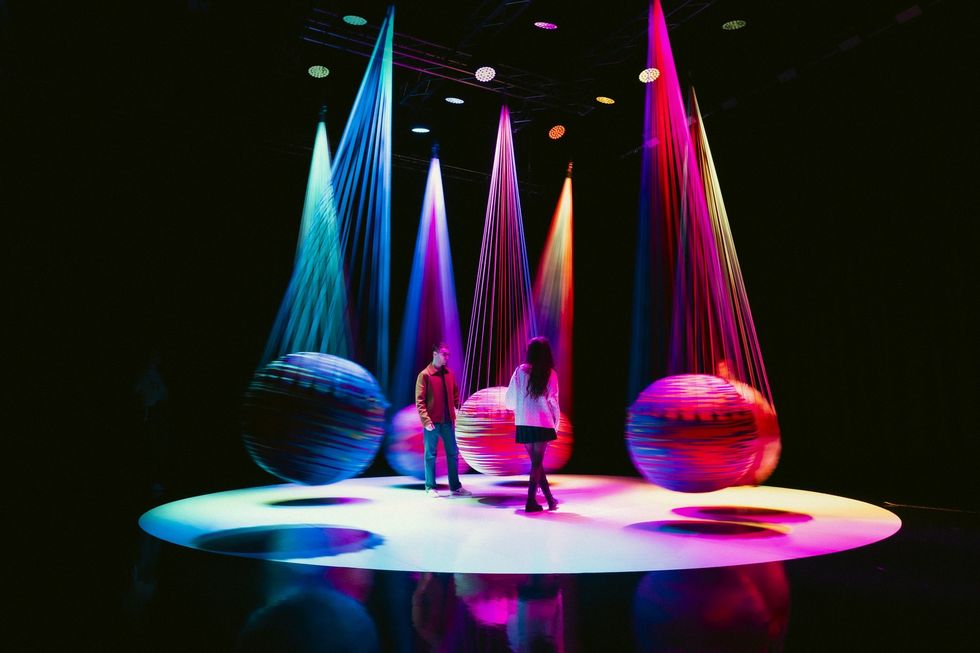
Most importantly, Balloon Museum has created a new frontier. It has defined a category that museums cannot easily replicate and pure entertainment cannot achieve—a blue ocean where cultural depth meets mass appeal. It shows that contemporary art does not have to choose between depth and delight. It shows that millions of people will line up not only for photos, but for something rarer: the chance to feel, to play, and to belong to art that is alive.
Balloon Museum does not speculate about what comes next for cultural institutions. It rises, expands, breathes, and shows us that the future of culture is already here.