
We live in a world where people are inundated with content, but starved for connection. From the moment we wake up, we are surrounded by screens, ads, scrolling feeds and constant messaging.
As a result, we increasingly seek experiences that feel human, immersive and emotionally real.
We crave spaces that allow us to step out of the noise and into something tangible. This is where branded environments have become one of the most powerful tools in entertainment and hospitality today.
When designed intentionally, physical environments can communicate brand values more authentically than any static or digital medium. They allow people to step inside a brand’s worldview and experience it with their whole body, not just their eyes. Branded environments should move beyond recognition and into emotional connection.
That’s really where loyalty is built.
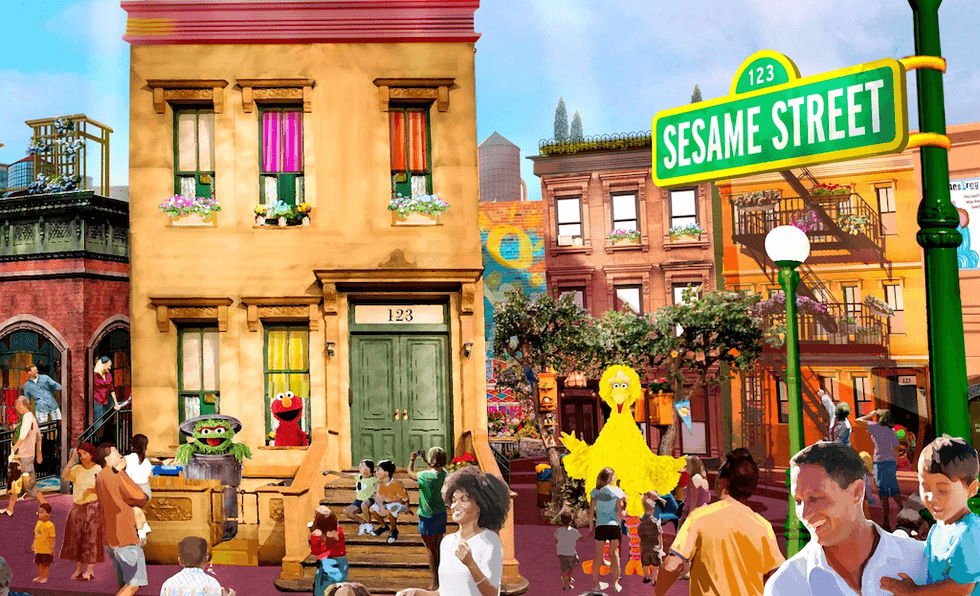
Studies reinforce what designers have long understood: physical environments directly influence mood, behavior, memory and even health. That’s why branded environments must go far deeper than logos or aesthetics.
The most successful ones are living expressions of what a brand believes. They allow guests to feel the brand intuitively rather than being told what to think.
See also: From aerospace to attractions: how BRPH helps design the impossible
The soul of a place
In entertainment and hospitality, story is carried through the full sensory spectrum of sound, light, texture, movement and atmosphere. In our work, we intentionally explore these senses early through vision and discovery workshops to define what a place truly stands for.
I often extend that exploration into what I call the “sixth sense” of a place: its soul. This is where history, culture, emotion and brand intent all intersect.
When that soul is clearly defined, it becomes the thread that connects every experience and moment across a destination.
On a recent resort project set on an equestrian property, we looked beyond the aesthetic of horses to their essence. Horses have an innate ability to sense human emotion — a quality that is grounding and deeply restorative.
That insight became the foundation for the spa experience, aligning naturally with the brand’s commitment to wellness. At the same time, we recognized the communal nature of horses — reflecting a sense of family and connection which influenced programming, guest touchpoints and operational behaviors.
The result was a place grounded in emotional intelligence, where the design aligned with both the land and the brand.
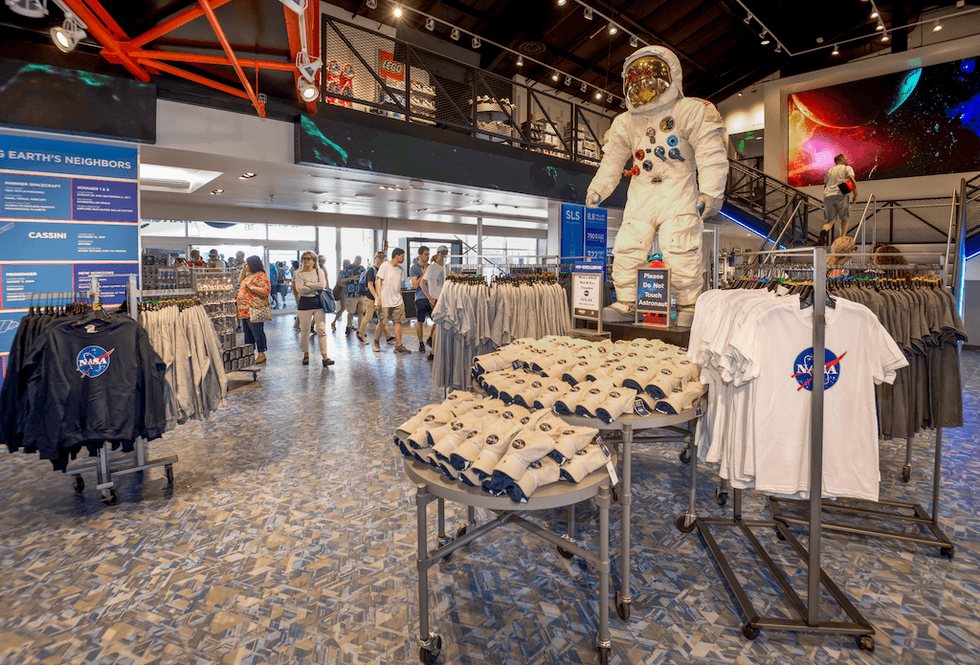
Yet too many branded environments fail because brand expression is treated as an afterthought. When it is layered on late in the process, guests sense the disconnect immediately. The space may look branded, but it doesn’t behave like the brand. Without emotional continuity, environments feel hollow.
And when that happens, guests don’t linger, don’t return and don’t advocate. Successful branded environments require a holistic, strategic approach from the very beginning, where every operational decision and touchpoint reinforces the brand story behaviorally, not just visually.
When done well, these immersive spaces deliver real business value. They extend dwell time, encourage repeat visitation, build trust and create meaningful differentiation in crowded markets.
In today’s economic climate, where guests are more selective than ever about where they invest their time and money, this strategic, immersive approach is no longer just desirable, but essential.
Designing for longevity and relevance
Designing for longevity and relevance is equally critical. Rather than chasing fleeting trends, we focus on values and emotional drivers. Strong narrative frameworks allow environments to evolve while remaining culturally relevant over time.
The next generation of branded hotels, resorts, museums and theme parks will prioritize authenticity over spectacle, connection over flash and purpose over uniformity.
This philosophy is central to our ThirdSpace approach at BRPH — creating environments that blur boundaries between sectors and deliver experiences deeply rooted in meaning.
Collaboration and clarity are also key, especially when working with IP or commercial partners.
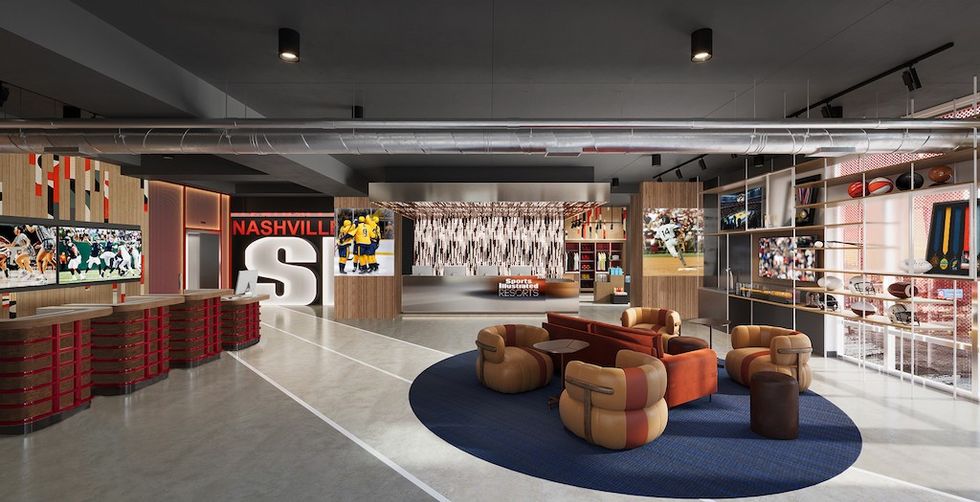
Creative integrity is preserved when expectations, rights and boundaries are defined early. When the rules of the game are clear, design teams are free to focus on storytelling and immersion rather than navigating uncertainty.
Structure does not limit creativity, but enables it.
For brands entering the immersive environment space for the first time or smaller players without global IPs, the opportunity remains significant. Success starts with a clear point of view, a deep understanding of your audience and a willingness to lead with emotional honesty.
It is not about creating a display. It is about creating a space where guests are seamlessly transported from something they have seen on a screen, brought vividly to life.
What excites me most about the future of design-led experiences is this shift from spectacle to connection. We are moving toward environments that invite participation, emotional resonance and cultural relevance.
In these spaces, guests are no longer passive observers but participants and advocates. And that, I believe, is the real power of branded environments: transforming experiences into lasting memories and places into meaningful relationships.