When museums tackle historical trauma, exhibition design faces a difficult balance: communicating the scale and significance of events while keeping visitors connected to the people who experienced them.
At the Holocaust Center of Florida in Orlando, senior director of museum experiences Suzanne Grimmer and her team are taking a different approach. The Center is building the Holocaust Museum for Hope & Humanity in downtown Orlando, which is expected to open in spring 2028.
Rather than relying primarily on solemn spaces, text-heavy interpretation and chronological displays, the new museum is exploring how immersive design can create a more personal connection with the stories of Holocaust survivors.
The Holocaust Center partnered with MDSX, an Orlando-based studio specialising in themed entertainment and experiential design for theme parks, live entertainment and attractions.
Led by owner and creative director Dan Picard, MDSX brings experience in spatial narrative, guest flow and experiential design to the project.
As museums look for new ways to connect with contemporary audiences, there is growing scope for creative partners with experience beyond the traditional museum sector.
Understanding how people engage with stories, what makes an experience meaningful, and how institutions can reflect the communities around them is becoming an increasingly important consideration.
Bringing an immersive approach to the Holocaust Center
Orlando’s themed entertainment and experiential design community gave Grimmer an opportunity to rethink how the Center could tell its stories.
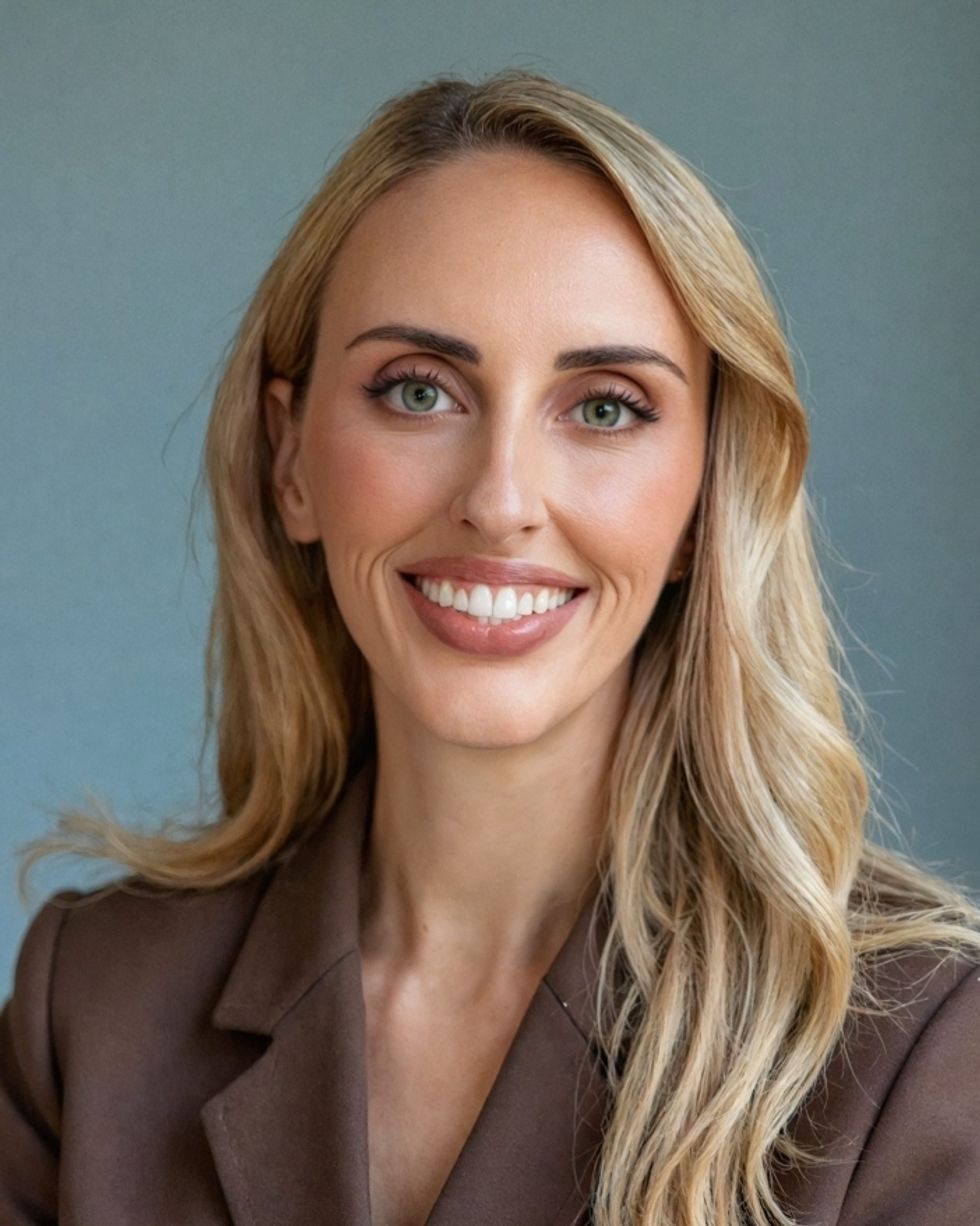
Suzanne Grimmer, senior director of museum experiences at the Holocaust Center of Florida
“With Holocaust museums and other museums that focus on the topic of traumatic events, a lot of times the event is what is at the centre of the design, which isn't incorrect,” Grimmer explains. “But for us, we wanted the lived experiences of those who went through this event to be how we tell the story.”
Recommendations led the team to MDSX.
“I was super excited because the Holocaust Centre is on my bike path in our neighbourhood,” says Picard. “But the interesting thing is that a lot of museums reach out to us because of our themed entertainment background. We understand budgets, we understand storytelling, we understand immersive experiences.”
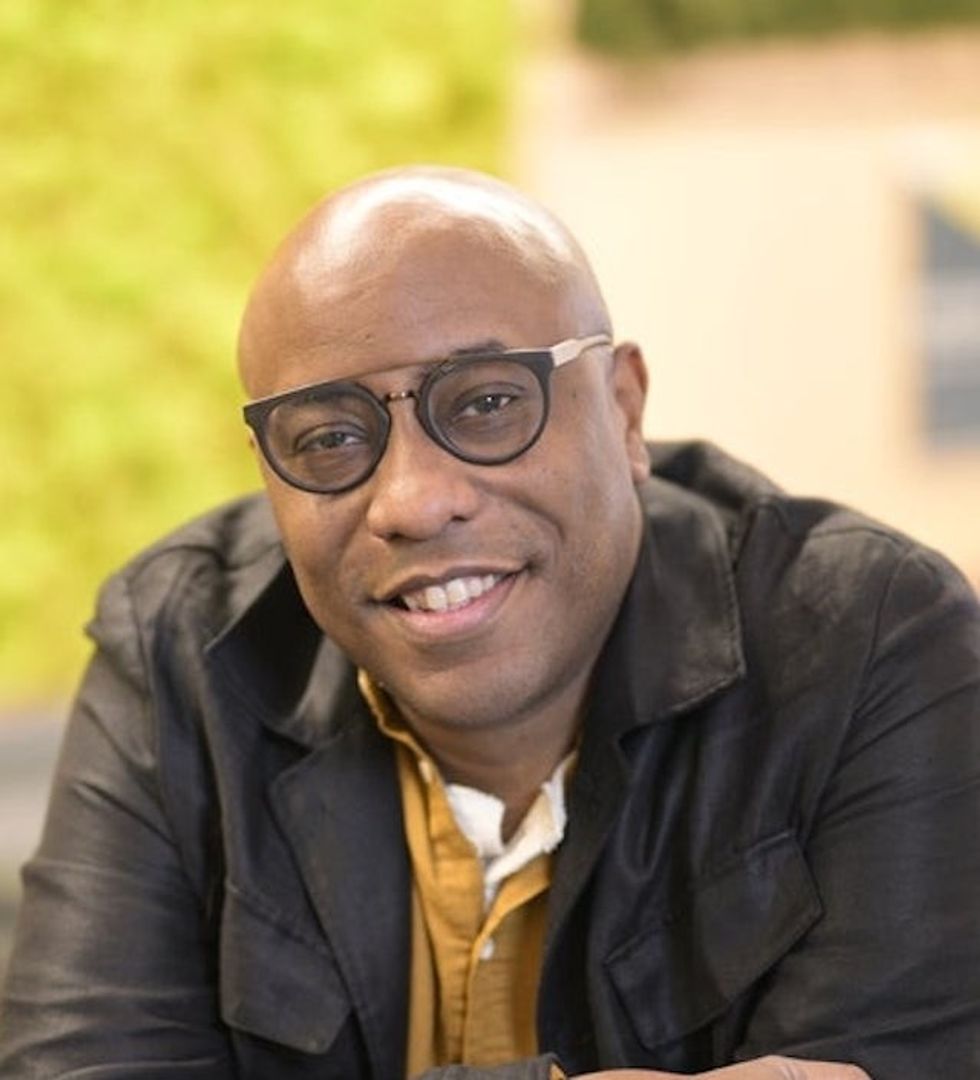 Dan Picard, owner/executive creative director of MDSX
The appeal goes beyond immersive technology. Institutions are increasingly looking for partners who understand how audiences engage with cultural experiences today, and who can help them create environments that feel relevant and welcoming to the communities they serve.
This means understanding not only how to tell a compelling story, but also whose stories are being told and how visitors from different backgrounds will connect with them.
Other museum projects that MDSX has worked on include Kennedy Space Center, and The Franklin Institute.
Letting survivor testimony lead the design
At the Holocaust Center, survivor testimony provides the starting point for the physical experience.
“For us, the design doesn't exist without the testimony,” Grimmer says. “So, the testimony is how the design was created. What you're seeing is like a dramatised version of one of their experiences.
“We have a lot of stories to tell, but some people's stories really shine in terms of a set piece you could build around. We can go very specifically into their story, talk with some of our survivors, get the details on it, and then we build around that in a way that's experiential and immersive.”
The approach also comes with an important distinction: the aim is not to recreate historical events.
“I think sometimes people get a little scared when we say those words. We are not recreating the Holocaust. We are just letting their stories really be told in an interesting way through set design,” Grimmer says.
Survivors themselves have emphasised the importance of telling the whole story of their lives, rather than focusing solely on their experiences of persecution.
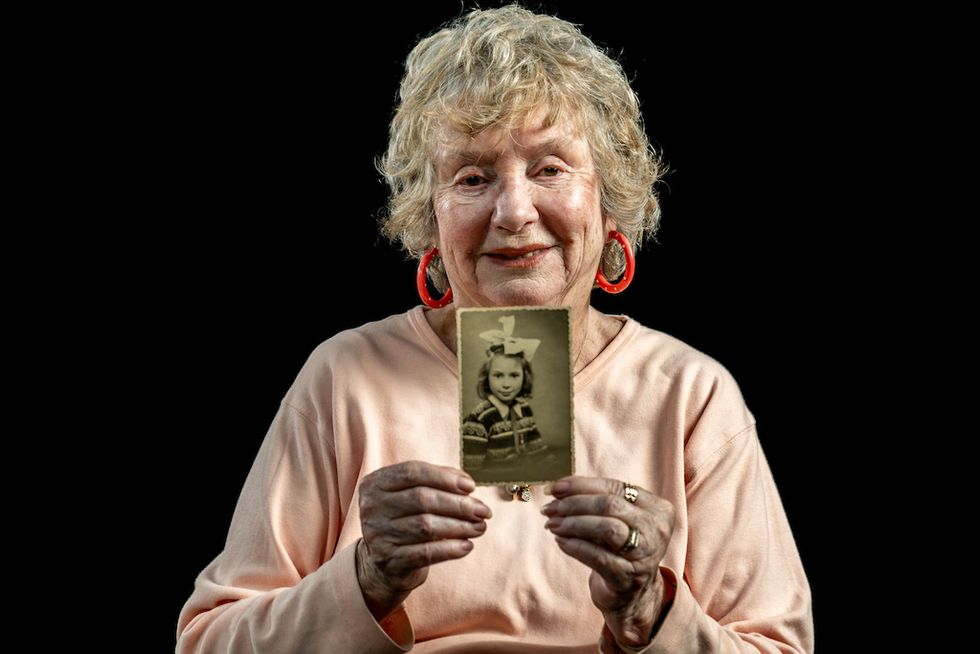
Suzanne Schneider holds a picture of herself as a child
Suzanne Schneider of Winter Park, Florida, who survived in hiding in Poland from 1941 to 1944, says:
“My whole story wouldn’t necessarily be told in a traditional Holocaust museum. We survived, and that’s part of my story, but there’s so much more to it than that. We had lives before, during, and after the Holocaust. I want people to know my family’s story, not just what happened to us as victims."
Ellen Lang Wise, a board member of the Holocaust Center and daughter of its founder, Tess Wise, has been closely involved in shaping the new museum from the earliest stages. She says the project builds on her mother's belief that Holocaust education should help visitors reflect on their own choices and responsibilities.
"My goal since the early days of planning this new museum has been to honor my mother’s intention that the Holocaust Center and, therefore this new museum, should “Preserve the Past to Protect the Future.”
“The memorial she created to our many family members, including my grandparents, who perished was based in her belief that the lessons of the Holocaust must do more than teach us about history,” continues Lang Wise.
“My conversations with MDSX centred around the importance of creating a new kind of history museum through which visitors will come to understand the Holocaust through survivors’ own voices telling their lived experiences and the lessons they drew from personal tragedy.
“This museum’s artefacts, the survivor stories, will help today’s students by providing a lens through which we can understand the choices people made in their daily lives, and help each of us recognise the power of our own daily choices to shape a community free of antisemitism, bigotry and prejudice."
MDSX’s approach starts with understanding the story, then finding the right way to communicate it.
“Every project we work on starts with storytelling in some fashion, and this is diving into the survivor stories and feeling what is unique about each survivor story and why it relates to Orlando and to the Holocaust,” Picard says.
“Some of the most rewarding and inspiring portions of this project were finding what part of the story would draw people in and humanise this tale and do something different experientially.”
Balancing immersion with long-term operation
Bringing themed entertainment techniques into a permanent museum also meant adapting them to a different operational reality.
The Holocaust Center needed an experience that could stay engaging and effective long term while meeting the maintenance and budget realities of a regional cultural institution.
“Every project has its own challenges,” says Picard. “I think the coolest or most interesting aspect of this is that our team loves the immersive spaces and also loves the cultural spaces.
“This got them excited to use that other part of their brain that they don't get to use as much on this project, so every department seemed to throw in their own energy and ideas of how to do this.”
That also meant considering how to maintain technology and immersive elements without the infrastructure and resources of a major theme park.
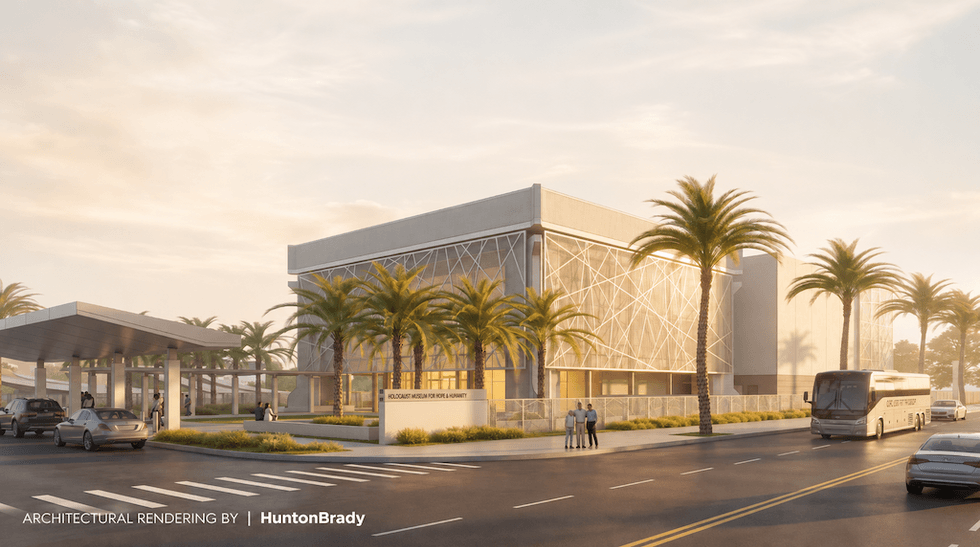
Rendering of the new Holocaust Museum for Hope & Humanity
Image credit HuntonBrady
“Operationally, a lot of museums aren't as big as Disney or Universal. So, how can we make things that are cool and immersive and have technology, but then also can be upheld and maintained for the duration of the museum's life?
“Utilising a lot of our skills from theme parks really does help get the wheel turning faster. Like, how can we make something great? We've done it a million times for this project or this project. How can we shrink that down to fit into a storytelling museum aspect?”
That thinking informed the balance between technology, theatrical techniques and traditional set design, with the tools selected to support each story.
"The boundaries are what make it exciting. How can we get this story told in an interesting way? And some of it is leaning into a lot of analogue, old school tricks, but connecting them with more of a storytelling and theatrical focus to get guests to be inquisitive as they go from gallery to gallery.”
Picard says the choice of technology ultimately comes back to the individual testimony: “There's so much technology, there are so many kinds of tools afforded to us, and it's picking the right ones that connect with each survivor story in a very authentic way.”
Putting survivors at the centre
From the outset, Grimmer and the Center worked with survivors to establish what could—and could not—be included in the exhibition.
This included a decision not to use physical cattle cars in the exhibition or main museum spaces, reflecting the team’s commitment to creating an environment shaped by survivors’ perspectives.
“We wanted to focus on their stories in terms of, ‘What do you want us to include, what things are completely off the table?’” Grimmer says. “We wanted our visitors to be meeting our survivors, who we just call our neighbours, as whole people.
“For instance, if we're going to have images or video of them, you're meeting them at eye level. They're not teeny tiny pictures on a panel. You aren't going to see violent imagery. We're doing our best not to use any images taken from the perpetrator’s perspective.”
The team was similarly deliberate about the historical imagery and symbols included in the galleries.
“You're not going to see swastikas. You're not going to see grand images of the perpetrators or anything that puts them back in that position of power.
“It really is about giving the power back to the survivors.”
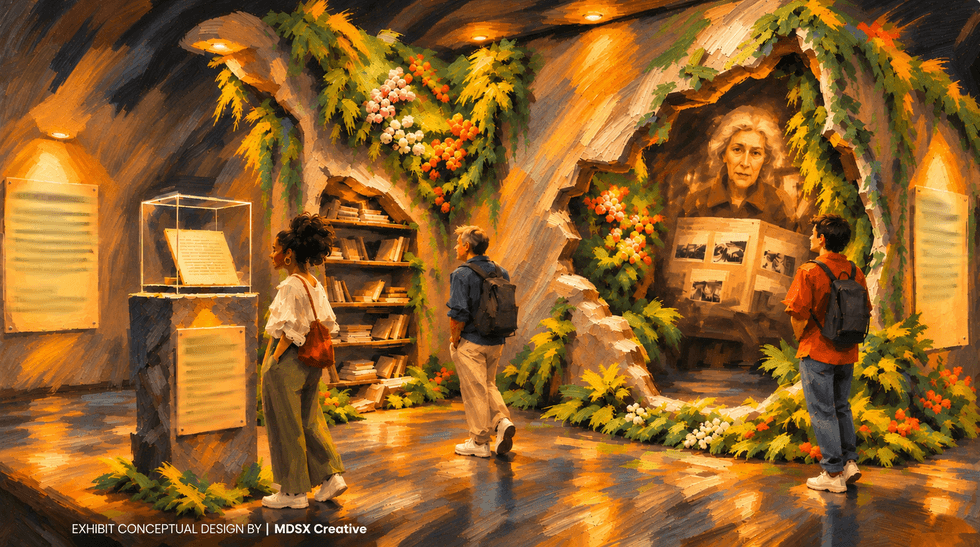
Exhibit conceptual design for the Holocaust Museum for Hope & Humanity
Image credit MDSX
These principles were established with MDSX at the beginning of the process.
“On day one with Dan and the MDSX team, we said, 'Here's what we want. Here's what we absolutely don't want in here,' and that's made for some really interesting design meetings and some of the concepts that we have now.”
One gallery brings a survivor's story of a secret bar mitzvah in the Krakow ghetto into a physical setting:
"One of my favourite designs that we have so far is a peek into a secret bar mitzvah. Yes, it would have been fine to read it on a panel, but what does it mean to visually see it and be surprised by it?
"For one of our survivors, it's a key moment for him to reaffirm his Jewish identity. In this moment, being told to hide who you are and not be Jewish anymore, he said no, at the age of 13, and had this bar mitzvah.”
Moments like this show what the immersive approach can add to survivor stories.
“It's one of those hopeful moments for us that visitors get to see, and that is what I love about this design. They don't just have to read about it; they can actually see it and witness it, and see our Florida neighbours as whole people."
Each gallery uses different sensory and spatial techniques to reflect a different aspect of survivors' experiences.
"Each room has a specific sense or vibe that it's telling the story in," Picard explains. "So, you'll hopefully never get bored or fall into complacency as you go from gallery to gallery.
“We're trying to make the journey interesting, but tie it to culture and people so tightly that you feel like you get another aspect of the life of these people as we move forward.”
Meeting survivors as whole people
The museum wants visitors to encounter survivors as whole people, rather than meeting Jewish people and culture solely through the history of persecution. This is particularly important because 90% of its visitors are not Jewish, Grimmer says.
"These are our Florida neighbours who were ordinary people put into an extraordinary event. 90% of the visitors that will come to our museum, they're not going to be Jewish, and we cannot have their first touchpoint with the Jewish people be the worst moment of their history.
“They cannot be met for the first time in their victimhood. So that means we do a lot of work beforehand. Before you even get halfway through the entire exhibit, we're not in the Holocaust yet. You are learning about them as people with hobbies and dreams and social lives.
“You get to know them and their personalities; you have to meet our survivors as whole people…We hope you walk out changed in that you have more of a social responsibility to care about your neighbours.”
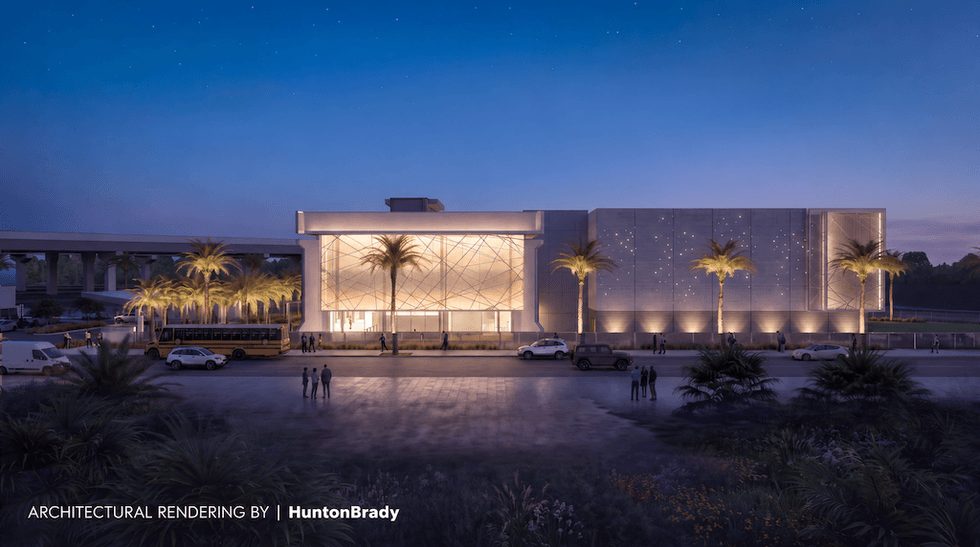
Rendering of the new Holocaust Museum for Hope & Humanity
Image credit HuntonBrady
Working directly with survivors also made the project personal for the MDSX team.
Picard says the encounters created a strong connection to the project, especially as survivors shared stories that extended beyond the Holocaust and focused on their lives, families, and hopes for the future.
"On most projects, it's interesting to connect to people, and these people are even more significant because everyone's story that they told was tied together with some story of hope. And in the end, I feel like almost every one of them became a friend of ours.”
Lessons for museums and themed entertainment
The project also offers lessons for both museums and themed entertainment.
Picard says that, for MDSX, working with survivor testimony reinforced the value of original stories alongside established intellectual property.
"Sometimes we're stuck on IPs, but some of the original things that even Disney did were based on history, and by amplifying those stories you actually have an entertaining and a culturally relevant project at the same time, and I think that's some of the stuff that could be learned.
“Themed entertainment can also learn from museums that sometimes less is more. Focusing on an artefact or an object might be great for getting people to engage because it draws people in. And sometimes in entertainment, we're doing all these bells and whistles to draw you in. But something authentic is what people crave more than ever now."
This can mean museums looking beyond conventional exhibition design to consider how visitors experience a story as they move through a space. Immersive techniques can help institutions bring different perspectives to the forefront, create opportunities for emotional connection and make visitors feel more involved in the stories being shared.
Crucially, this requires understanding the communities represented and the different expectations visitors bring.
Grimmer adds: "Something that Holocaust museums or museums that deal with trauma could learn from themed entertainment is that I think we're scared that the weight of the stories that we're telling demands a very particular kind of environment.
“We almost don't feel that we have the right to make it entertaining in that sense. There's a lot of fear with that, and that's maybe why a lot of these museums are more traditional in their approach, design-wise.
“We are stewards of these stories, and we can tell the stories in a really interesting way that allows people to connect.”
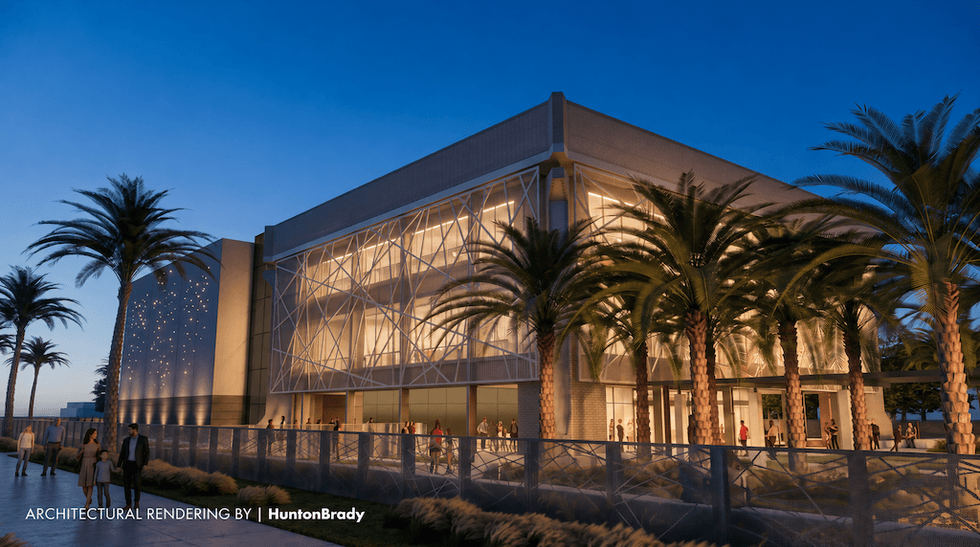
Rendering of the new Holocaust Museum for Hope & Humanity
Image credit HuntonBrady
She believes that a more engaging environment does not reduce the seriousness of the subject. Instead, it can encourage visitors to stay curious.
“They're ready to see what comes next in the next gallery, and it's memorable. The museums I walk out of feeling most impacted or changed are the ones where I was visually blown away by what I was seeing.
“It's okay to step out of our traditional design comfort zone or these types of institutions and try something new."
The Center also wants the design to encourage conversation rather than silent movement from one text panel to the next.
"I don't want people to come into the museum and feel bogged down by the heaviness of there being a lot to read," Grimmer adds.
"I want you to talk to your neighbour. I always say if the galleries are quiet, we've done something wrong, and I think design and the environment allow a lot of those conversations to happen."
Beyond the museum walls
Both agree that the experience's success will ultimately be measured by what visitors take away.
"I want them to come out of it truly understanding and caring for our neighbours, and I don't just mean our neighbours that we're showing you," Grimmer says.
"I hope that if you're a tourist, that you go back home and you start thinking about who's in your community. Are there groups experiencing injustice, othering, or unbelonging in your own neighbourhood? How can you learn more about their stories?
“You're now a memory keeper yourself, and does that spark a change in you? Does it make you want to reach out to these other groups in your own backyard? … Are you leaving with that personal change in you to be a little more responsible for yourself and your neighbours? I think that's the win."
Picard says the aim is to connect visitors from different backgrounds and encourage them to look beyond the exhibition itself.
"I'm hoping this is a place where multiple cultures can connect and learn about the Holocaust, but then also learn about the hope and humanity that's within us all.
“On another point, if they walk away with something that they didn't know before about Jewish life or culture that made them curious to find out more and maybe learn more about different cultures and why we connect more than we're apart, I think that would be awesome."
The project shows how themed entertainment techniques can serve cultural storytelling while maintaining historical responsibility.
By placing survivor testimony at the centre and using immersive design to support, not overshadow, it, the Holocaust Center and MDSX aim to create an experience that stays with visitors long after they leave.