Lost Shtetl Museum
Ralph Appelbaum Associates
The Lost Shtetl Museum invites visitors to rediscover the vanished world of Eastern European “shtetls” or small Jewish towns. The exhibition tells the stories of the shtetl Šeduva, Lithuania preserved by survivors and descendants. It explores the interwar years (1918-1940), when religious, civic, social and commercial life thrived. Sadly, this era also marked the final chapter of Jewish life in Šeduva and Lithuania. Rooted in one small town, the museum offers a powerful lens on the broader history and massacre of Lithuanian and European Jews.
Lost Shtetl Museum
Ralph Appelbaum Associates
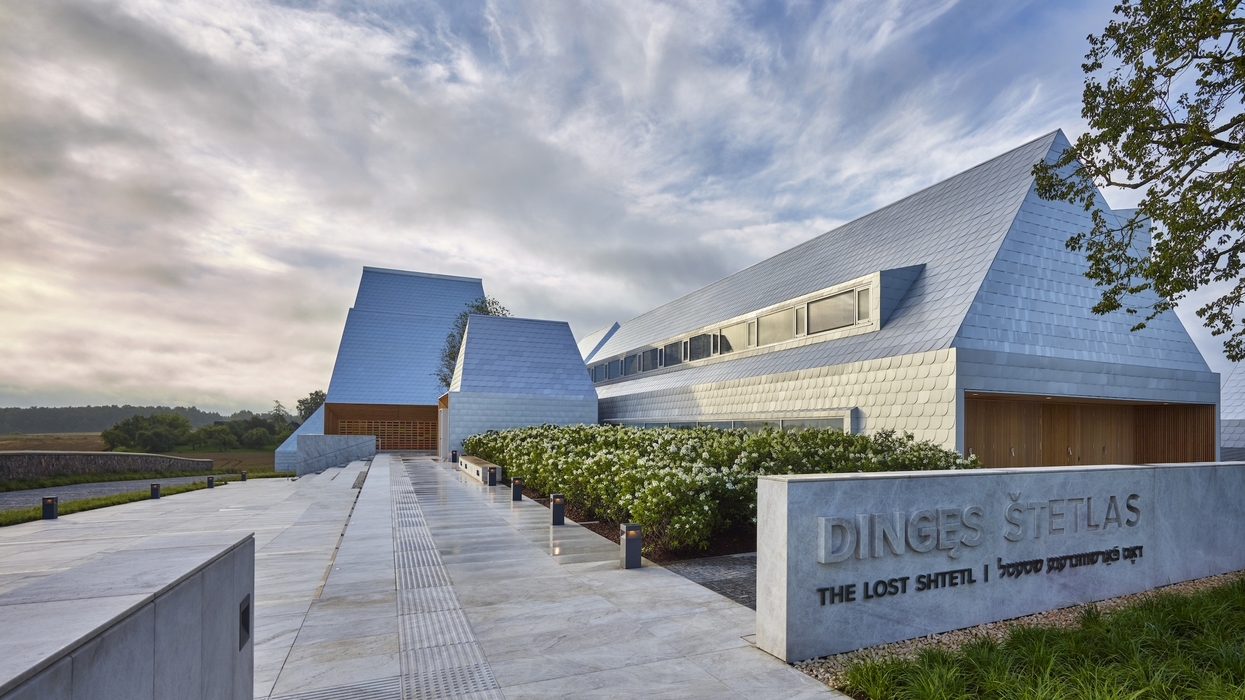
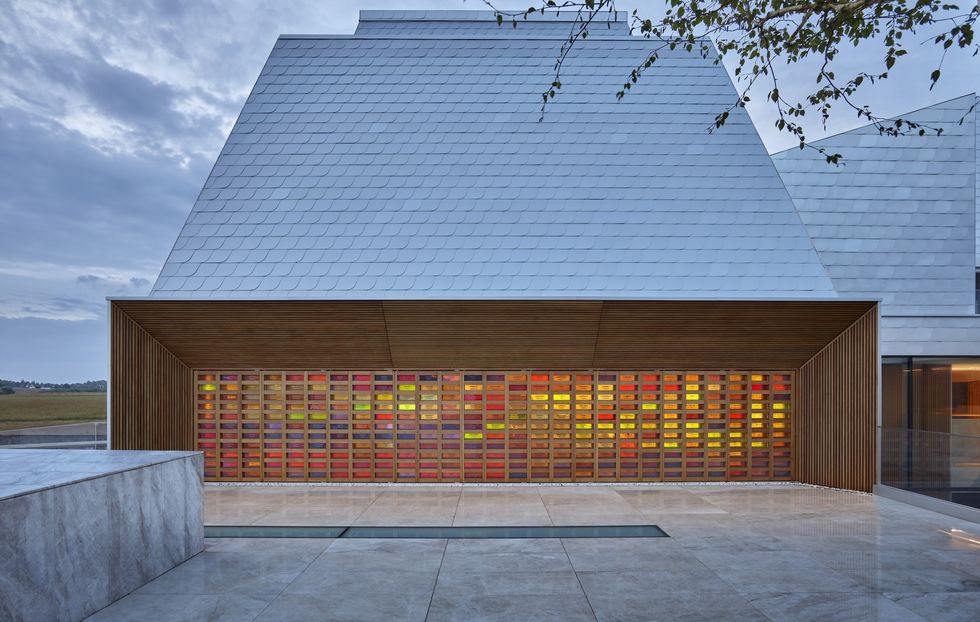
The Lost Shtetl was created by an international team of curators, designers, builders, and experts. Architect Rainer Mahlamäki (Lahdelma & Mahlamäki Architects) drew inspiration from the surrounding landscape and the simple, saddle-roofed forms of traditional buildings to imagine a shtetl re-emerging from the land. The museum rises from Lithuanian farmland before a restored Jewish cemetery. Its anodized aluminum shingle façade catches and reflects the light, allowing the building to seemingly vanish and reappear in shifting weather.

Ralph Appelbaum Associates logo
Ralph Appelbaum Associates
The exhibition embraces the “Lost Shtetl” concept, honoring the once-thriving Jewish life of Šeduva. Dedicated to preserving what remains, the museum brings together hundreds of objects and photographs collected from descendants worldwide—forming a living scrapbook that safeguards the memory of a Lithuanian shtetl and shtetls throughout Eastern Europe.
Lost Shtetl Museum
Ralph Appelbaum Associates
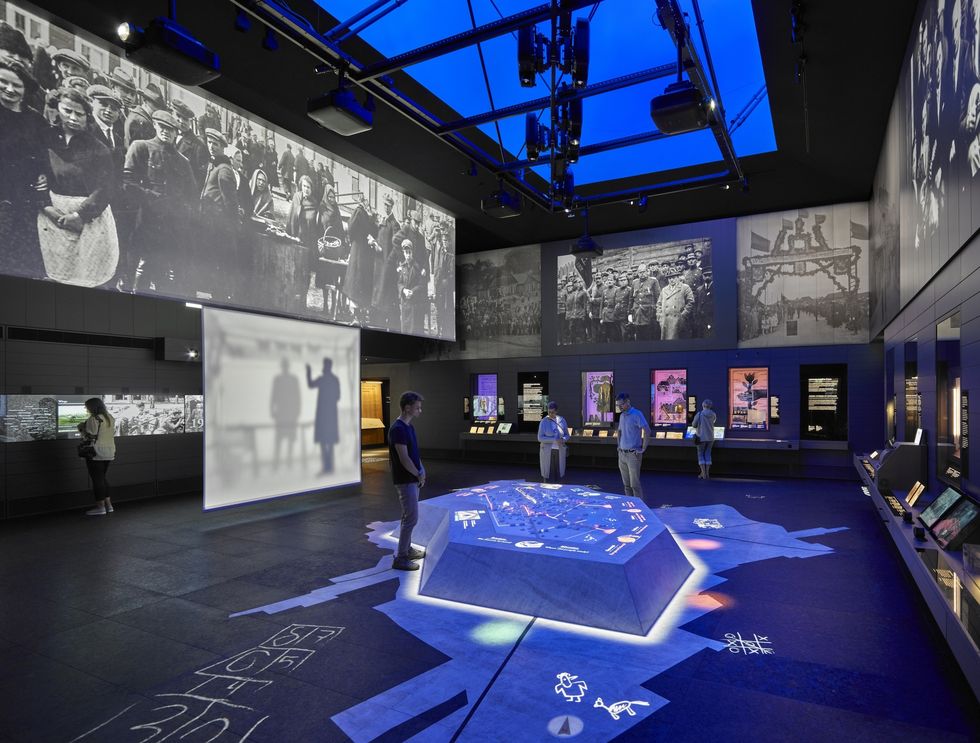
The exhibitions were custom-designed to reflect and honor this unique history. Main galleries celebrate the richness of shtetl culture, with design elements that subtly reference absence and memory. Media experiences include cinematic displays of shtetl life and celebrate Litvak culture. The museum serves as a memorial to over 600 Jews of Šeduva and almost 200,000 Jews of Lithuania, an overwhelming majority of whom perished during the Holocaust.
Lost Shtetl Museum
Ralph Appelbaum Associates
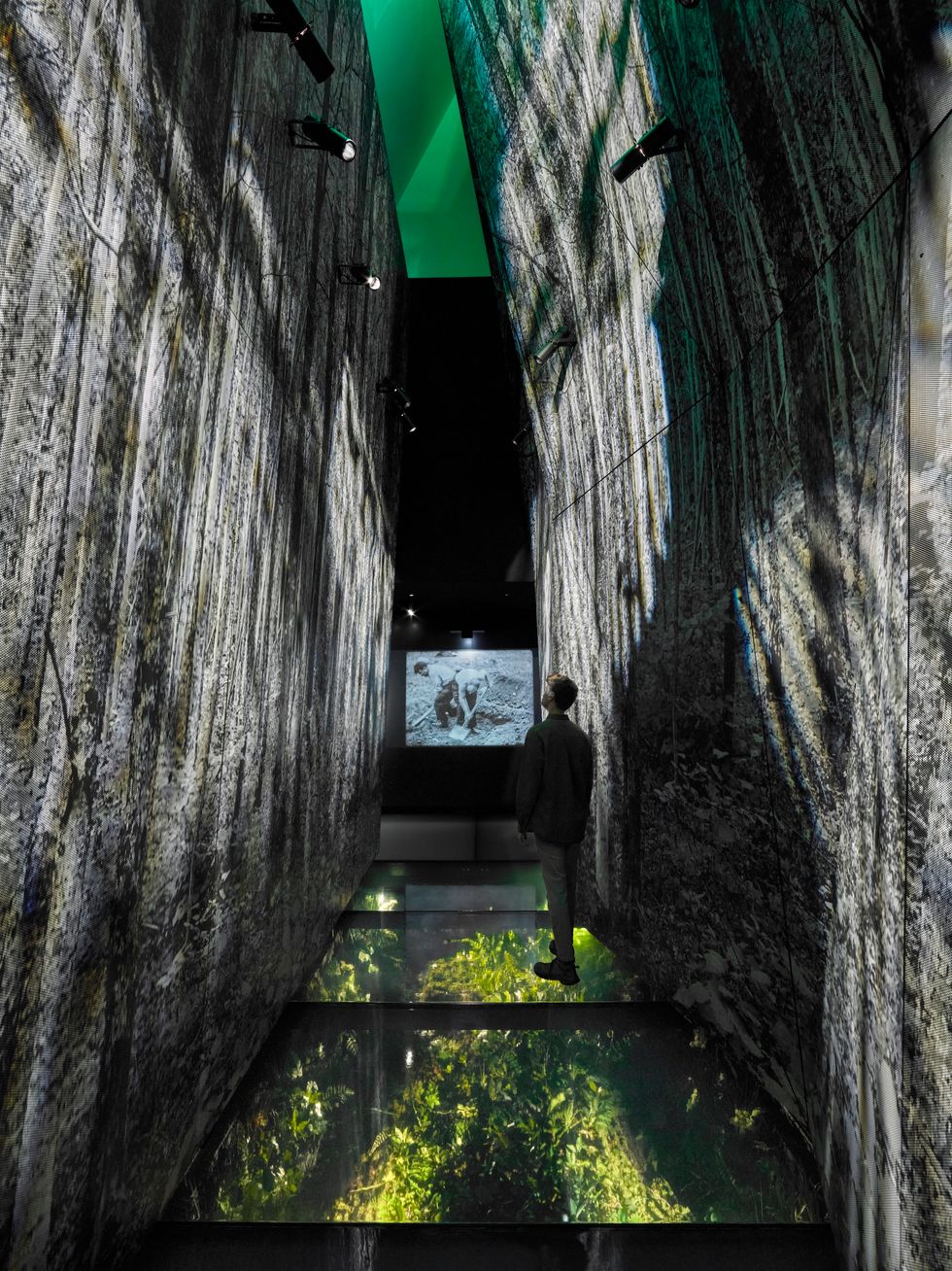
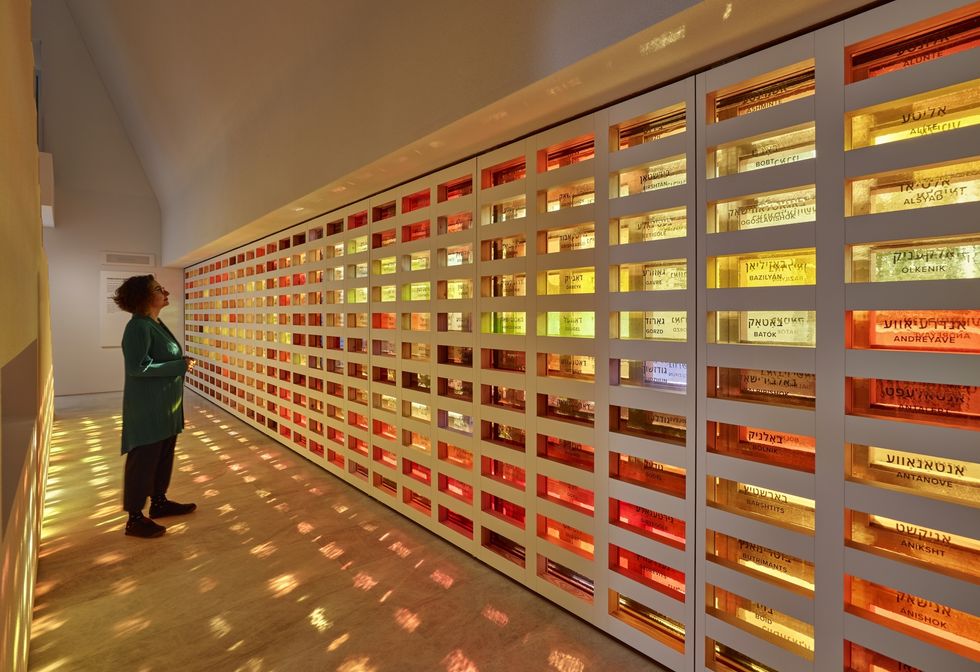
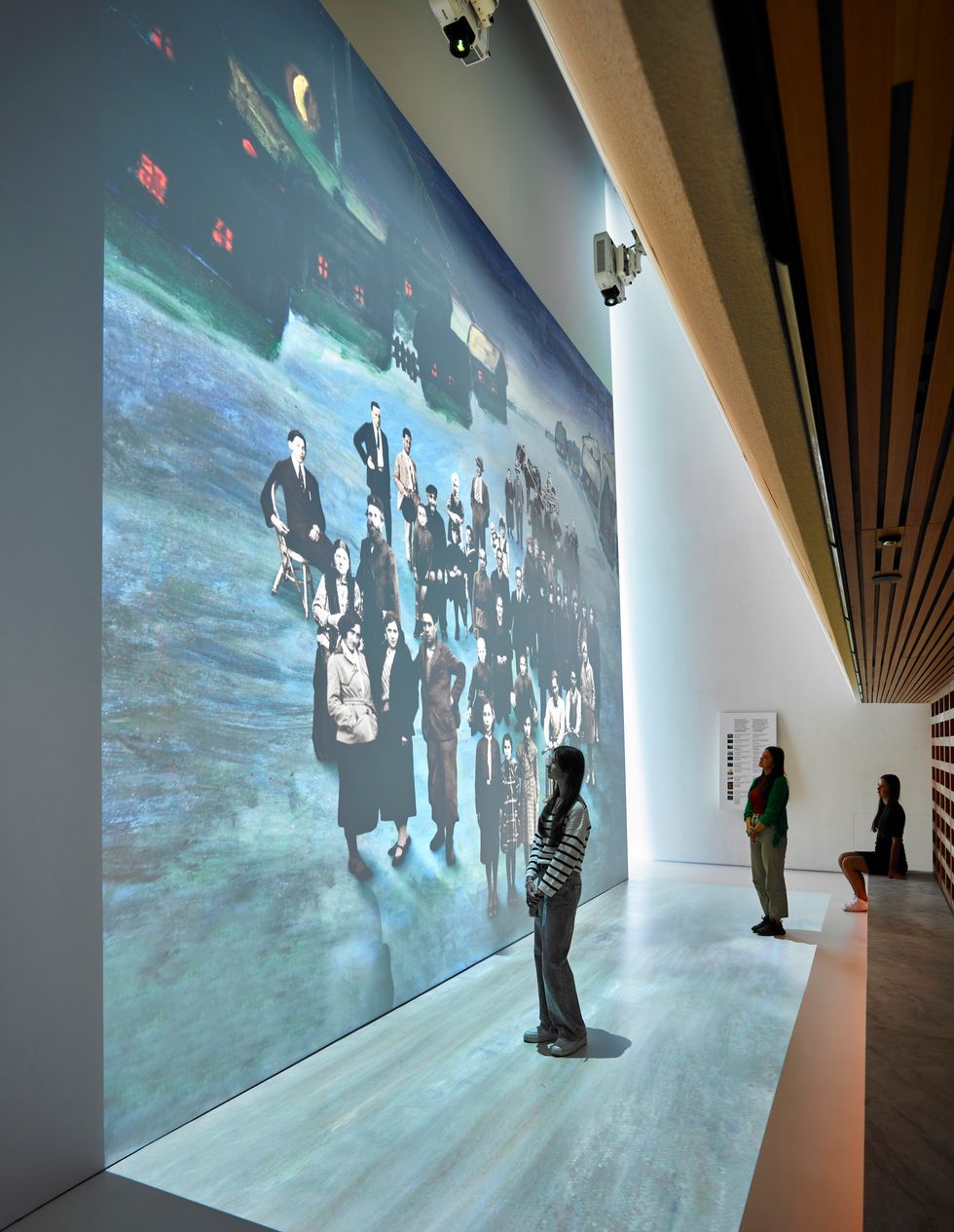
The journey begins in the world of the shtetl, radiant with community life, culture and tradition, while grounded in history: invasion, occupation, and the Holocaust that silenced Šeduva’s Jewish community. From this loss, remembrance emerges, where names preserve the memory of Šeduva’s Jews and all Lithuania’s lost shtetls. In the final chapter of the exhibition, images and paintings summon the community one last time, inviting reflection, before giving way to the Canyon of Hope, which overlooks the restored cemetery—a space of silence, resilience, and renewal.
Lost Shtetl Museum
Ralph Appelbaum Associates
What sets this project apart is its refusal to treat history as something distant or abstract. Instead, it constructs a fully immersive, emotionally sequenced experience in which visitors do not simply learn about a lost community—they move through it, encounter it, and ultimately feel its absence.
A key distinction is the narrative inversion at the heart of the design. Rather than beginning with tragedy, the experience starts with life at its fullest—sound, movement, culture, ambition—and only gradually transitions into uncertainty, rupture, and loss. This structure fundamentally changes how the Holocaust is understood: not as an isolated event, but as the destruction of a complex, vibrant world the visitor has already come to know. That emotional investment makes the later galleries more immediate and personal.
Lost Shtetl Museum
Ralph Appelbaum Associates
The project is also novel in how it integrates multiple scales of storytelling. Intimate, individual stories—revealed through artifacts, interviews, and interactive media—are constantly interwoven with larger historical forces. Visitors shift seamlessly between the personal and the collective, between a single life and an entire geography of shtetls. This layered approach avoids both abstraction and oversimplification, creating a richer, more human understanding of history.
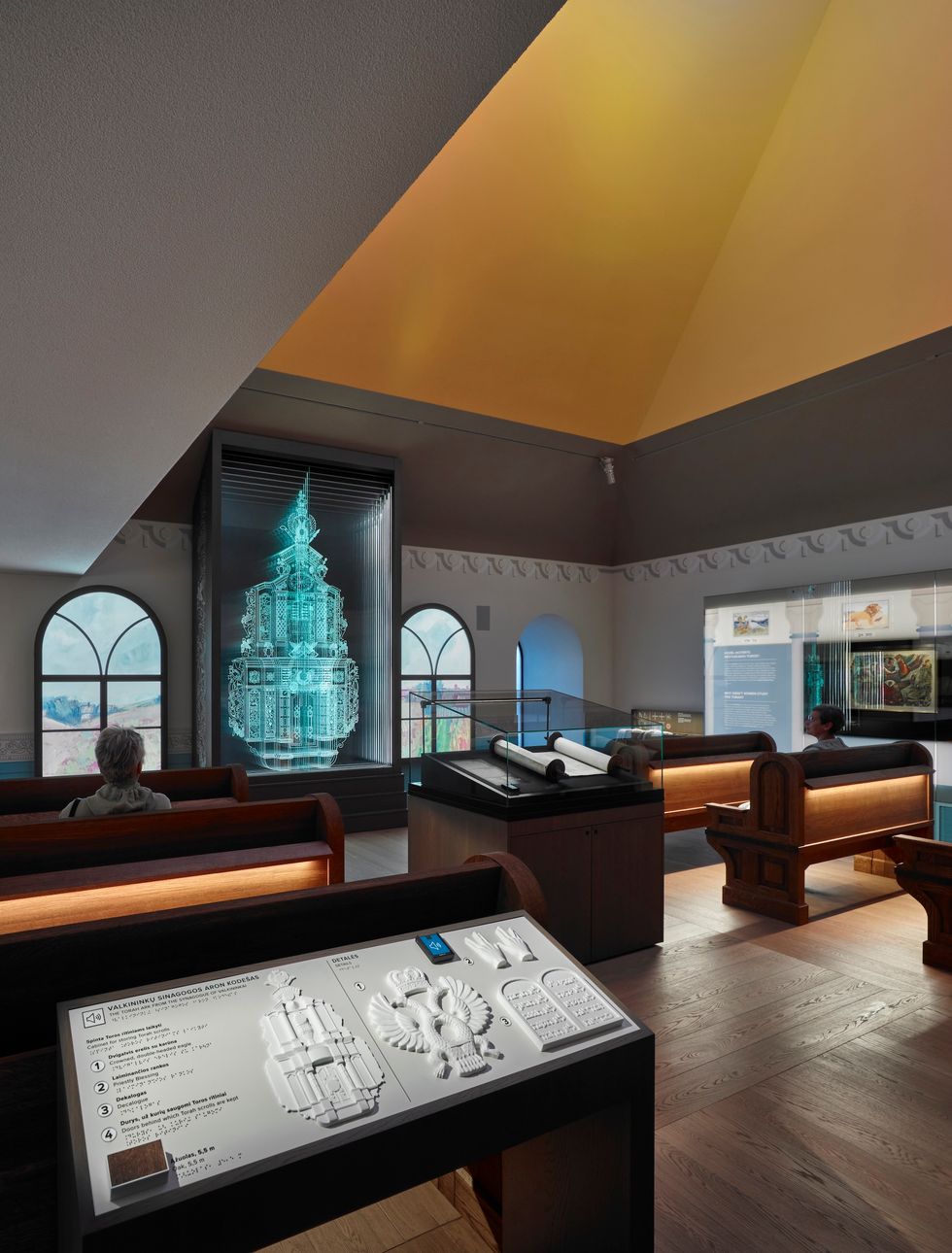
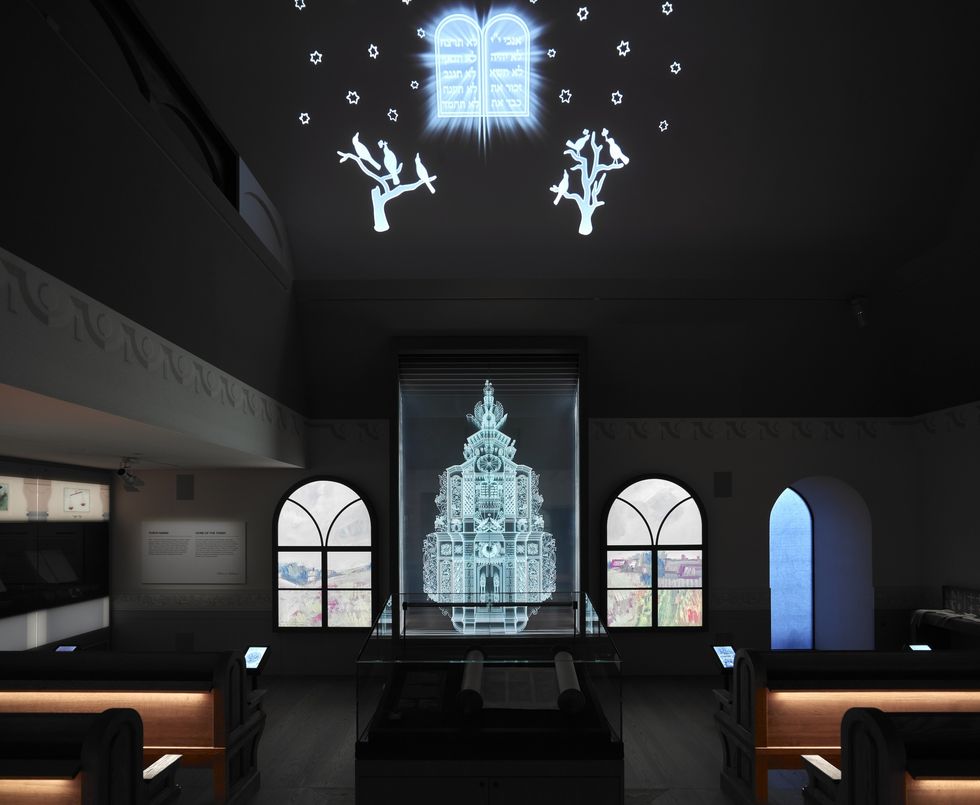
Technologically, the project moves beyond spectacle-driven immersion. Media, sound, and interactivity are used with restraint and precision, always in service of story rather than distraction. Moments like the living map of Šeduva, the layered glass ark, or the transportation corridor are not isolated features—they are spatial interpretations of memory, movement, and rupture. This careful alignment between medium and meaning gives the experience a coherence that feels both contemporary and deeply respectful.
Lost Shtetl Museum
Ralph Appelbaum Associates
Finally, what makes the project especially powerful is its closing gesture. Instead of ending in darkness, it transitions into reflection, continuity, and quiet hope—culminating in a physical view of the restored cemetery and the living descendants of the community. This reframes remembrance not as an endpoint, but as an ongoing responsibility. The result is an experience that lingers, not because of what it shows, but because of what it asks visitors to carry forward.