Experience
Machu Picchu: Journey to the Lost City is a groundbreaking immersive experience that reimagines one of the world’s most iconic UNESCO World Heritage sites through the power of virtual reality. Developed by Fever in partnership with Virtual Worlds, the project combines cultural storytelling, historical accuracy, and emotional worldbuilding in a way that allows visitors not only to see history—but to live it.
Audiences embark on a multi-sensory, narrative-driven VR journey, beginning in a fictional “time-travel agency” that instantly sets a playful, cinematic tone.

Once inside, visitors are transported to a meticulously reconstructed 15th-century Machu Picchu, where they can freely explore temples, terraces, and hidden paths, guided by atmospheric sound and narration.
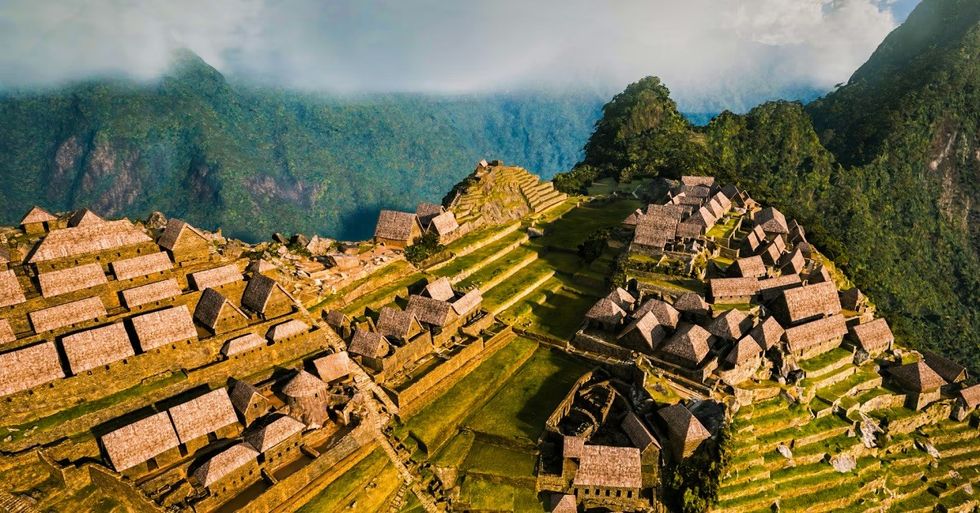
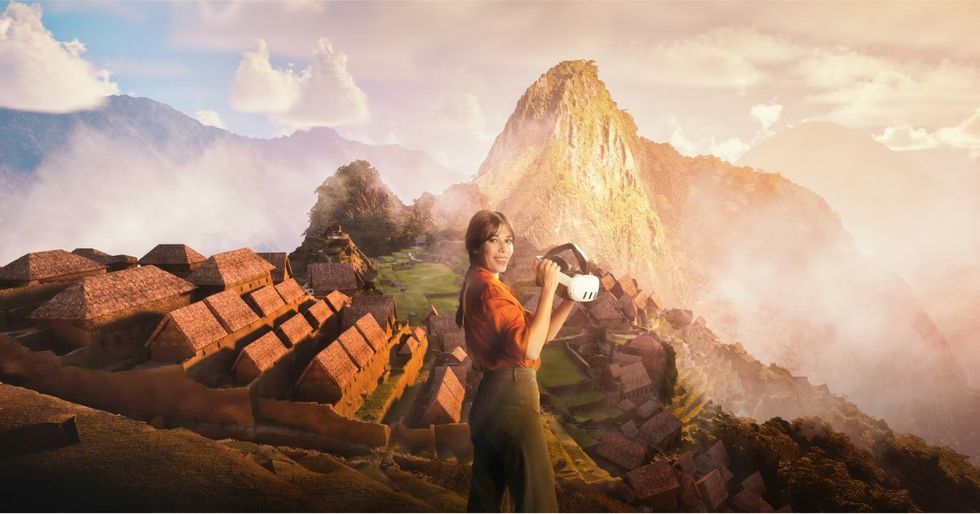
The experience weaves together real archaeology with Incan mythology: visitors encounter mythological creatures, witness sacred rituals, and experience an emotional solar eclipse—the symbolic bridge between human and divine. Every element—from the Andean soundscape and dynamic lighting to the movement of clouds and wildlife—has been designed to evoke curiosity, reverence, and awe.
Technology is intentionally invisible to the visitor. An ultra-detailed 3D scan of Machu Picchu—originally requiring a high-end computer—was re-engineered to run seamlessly on lightweight, untethered VR headsets, enabling free, intuitive exploration. Motion, lighting, and spatial audio were fine-tuned through thousands of iterations to ensure comfort, stability, and total immersion for all audiences.
Voice narration by actor Terry Crews and an original soundtrack featuring traditional Incan instruments merge cinematic storytelling with cultural authenticity. The result is an emotional journey of majestic visuals, mythical beings, and sacred rituals—a poetic reimagining of one of humanity’s most extraordinary sites.
Rather than a passive museum visit, The VR Expedition offers active cultural discovery, using innovation not as spectacle but as a bridge between heritage, emotion, and imagination. It is both educational and deeply human—an unforgettable way to experience history beyond the limits of time and place.
Marketing
Our marketing campaign for Machu Picchu: Journey to the Lost City was designed not only to attract audiences but also to educate, inspire trust, and ignite excitement around an experience unlike any other. By blending historical authenticity with bold creative strategy, we transported people into a world they had only dreamed of visiting—before they even stepped inside the venue.
Educating Audiences
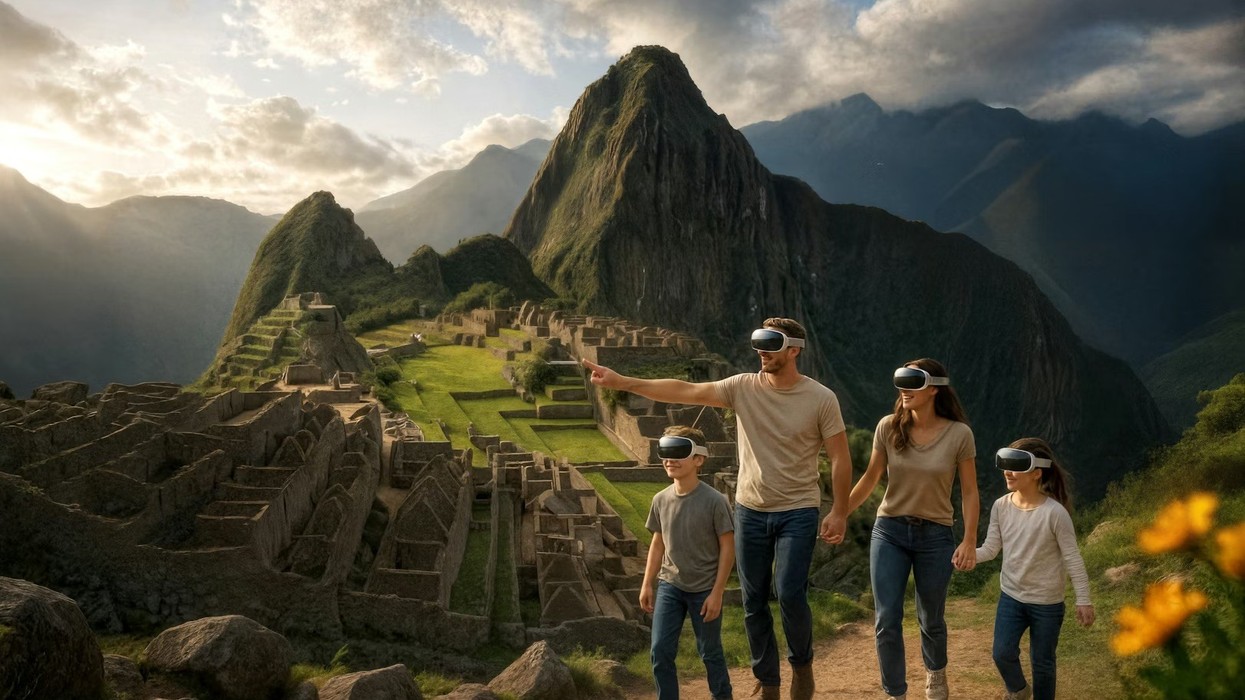
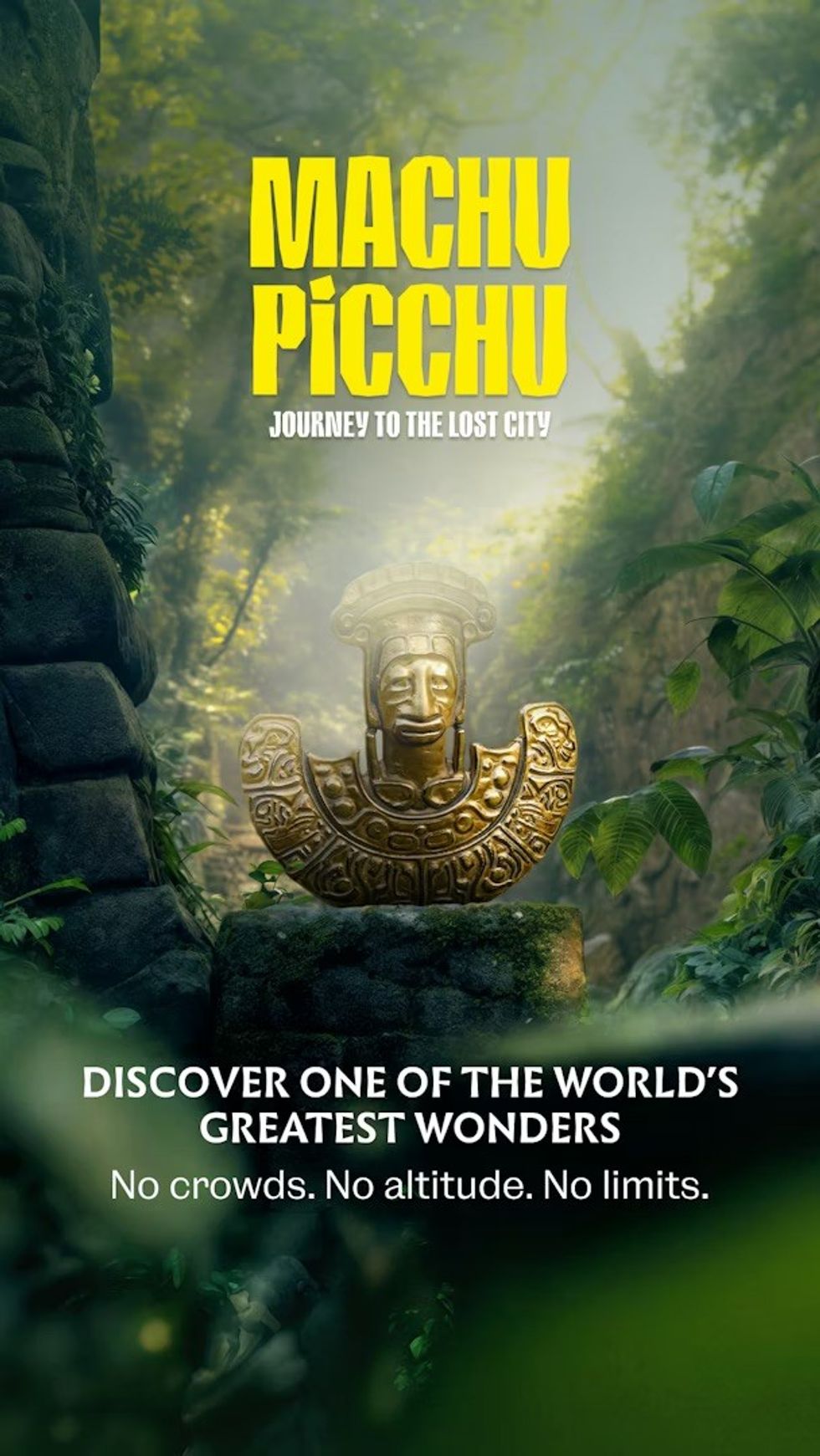
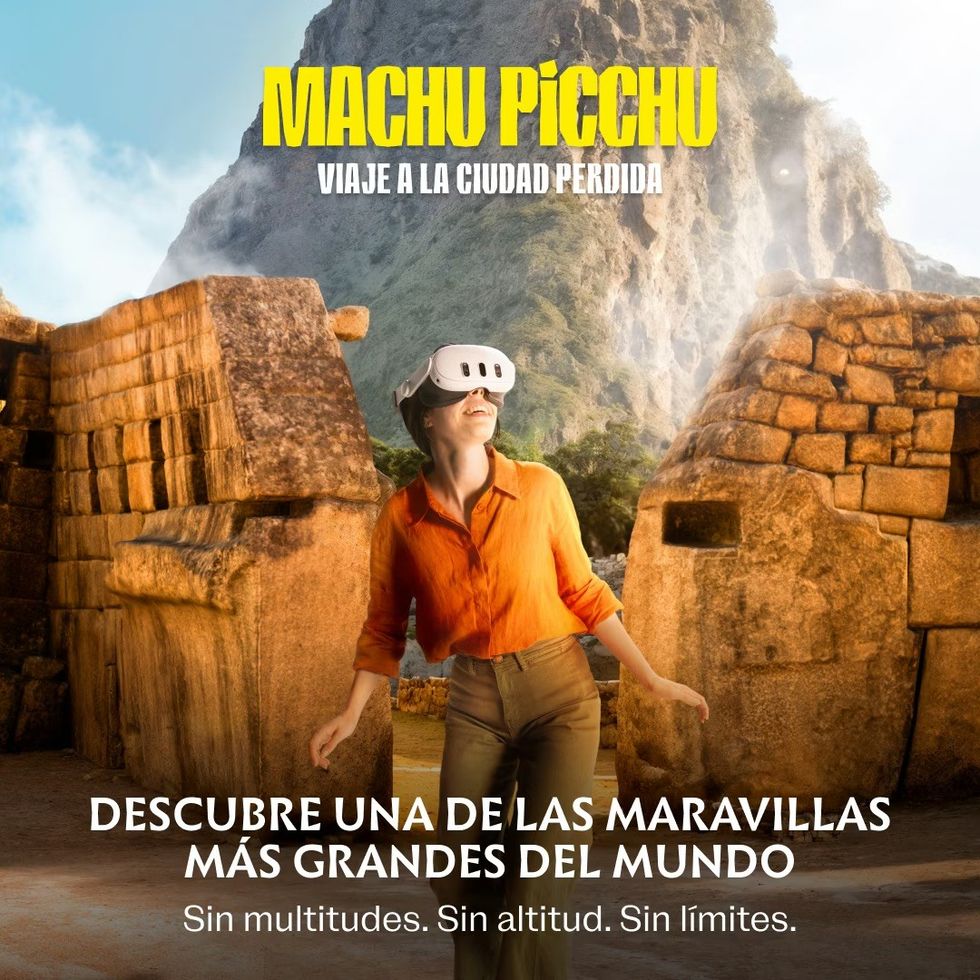
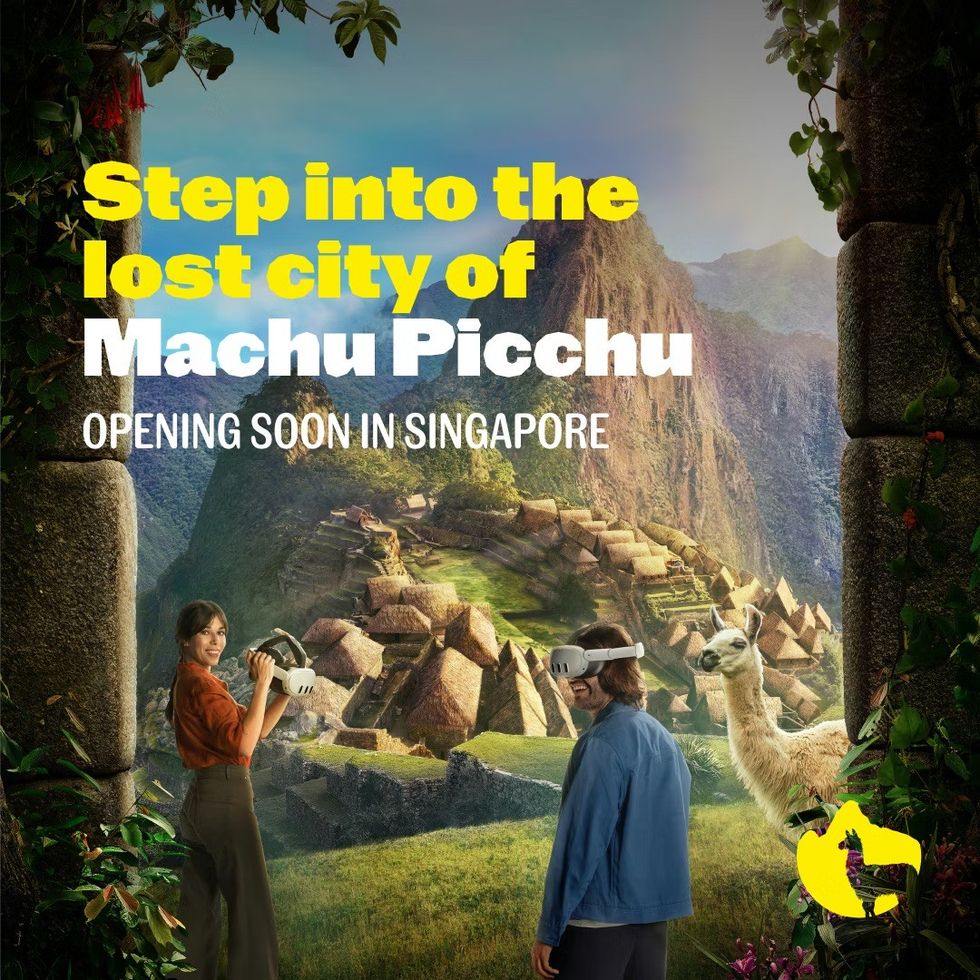
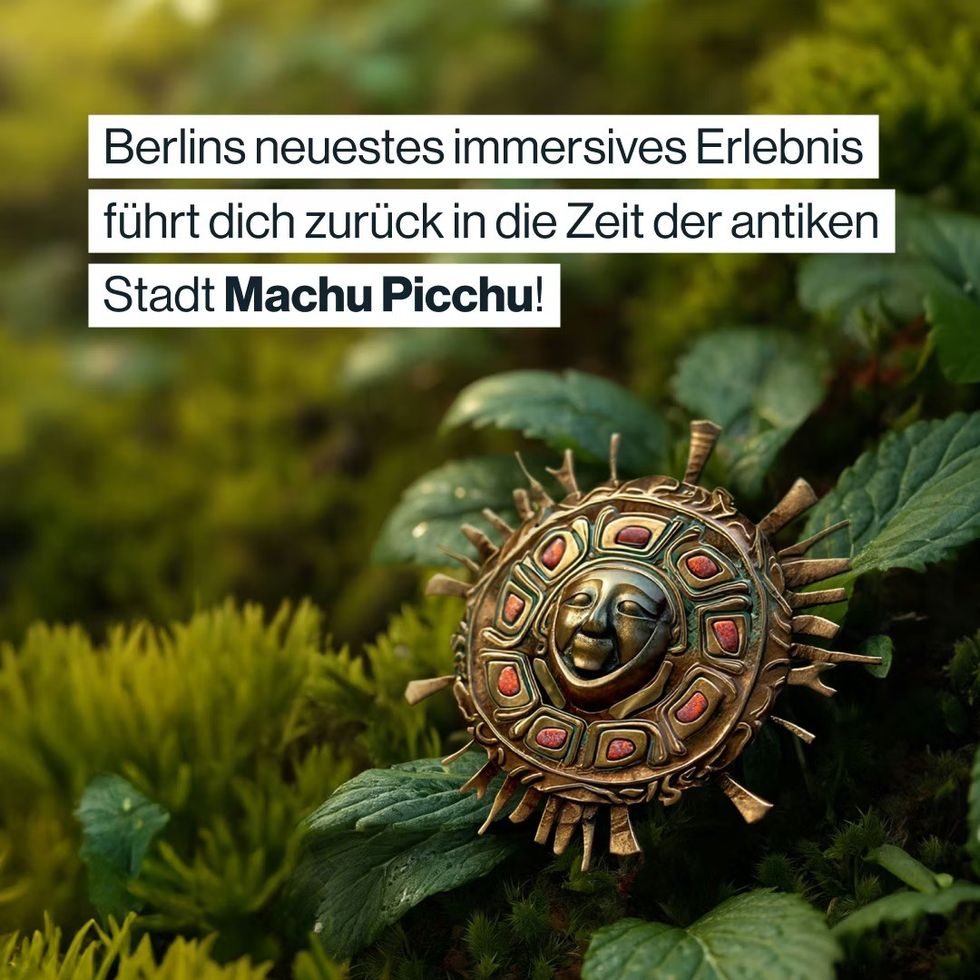
Education was at the heart of our approach. To convey the depth of the experience, we incorporated real artefacts, high-fidelity site recreations, and striking imagery that gave audiences an immediate sense of historical immersion. Campaign visuals placed users in VR goggles or directly within reconstructed scenes of Machu Picchu, ensuring audiences understood the experience as a chance to step back in time.
Beyond paid ads, organic channels were used to share cultural context and storytelling, highlighting Machu Picchu’s history, mythology, and enduring mysteries. This approach positioned Journey to the Lost City as more than entertainment—it became an enriching, once-in-a-lifetime opportunity to explore one of the world’s greatest wonders.
Inspiring Brand Trust
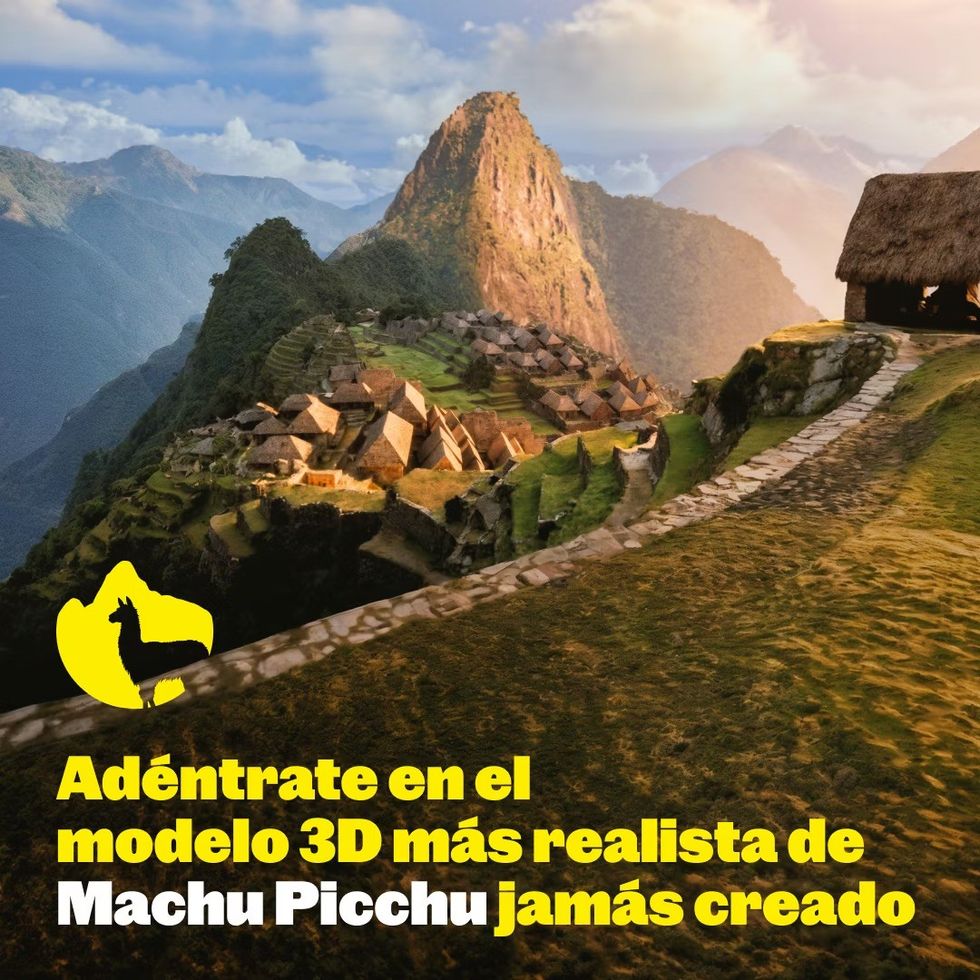
Trust was built on two pillars: authenticity and consistency. The campaign emphasized that Journey to the Lost City offers the most accurate recreation of Machu Picchu ever created, allowing visitors to explore the ancient site with historical fidelity and emotional depth.
A strong brand identity was developed through bold typography, distinctive iconography, and consistent design quality across all touchpoints. Each asset reinforced credibility and professionalism.
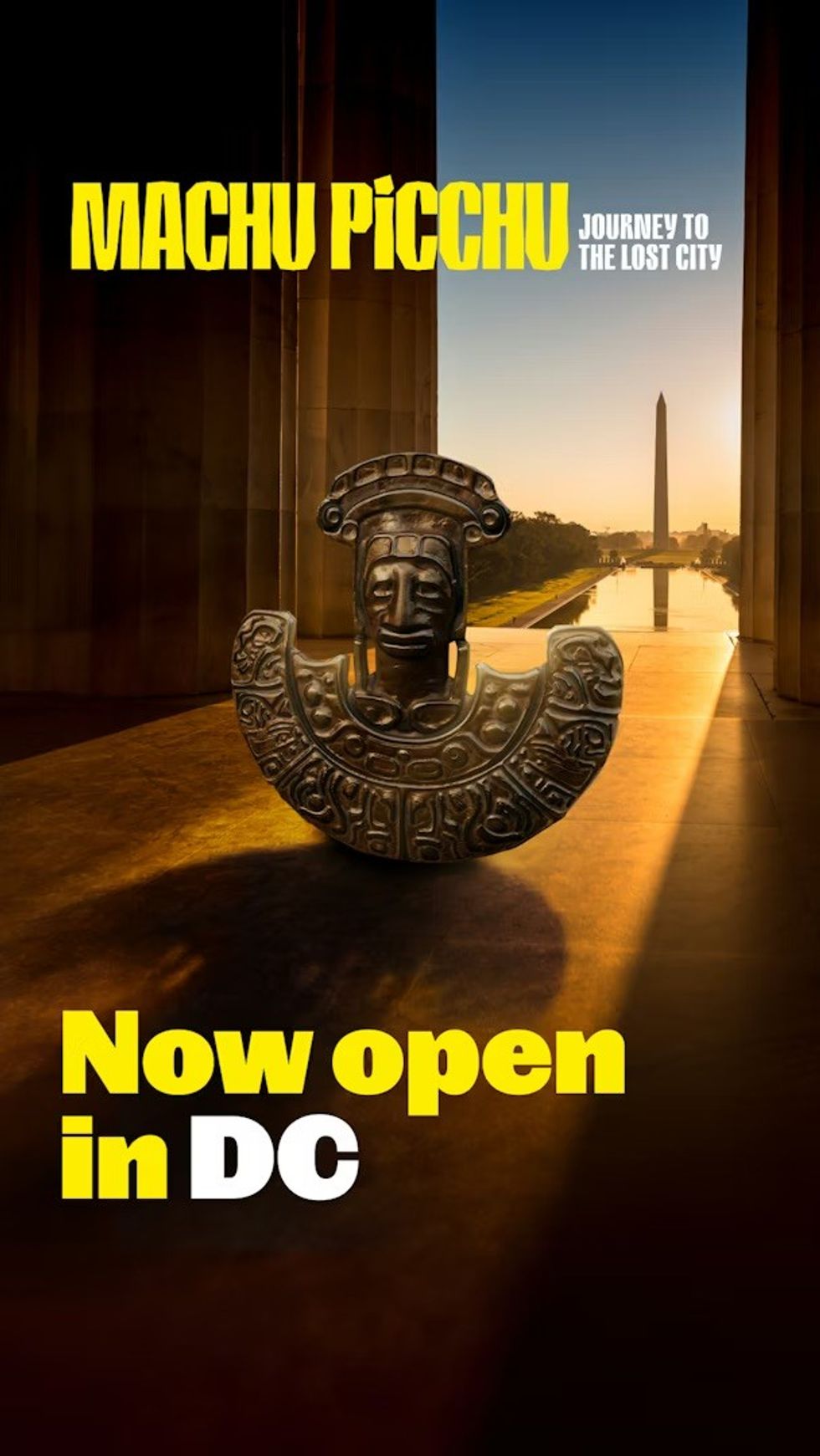
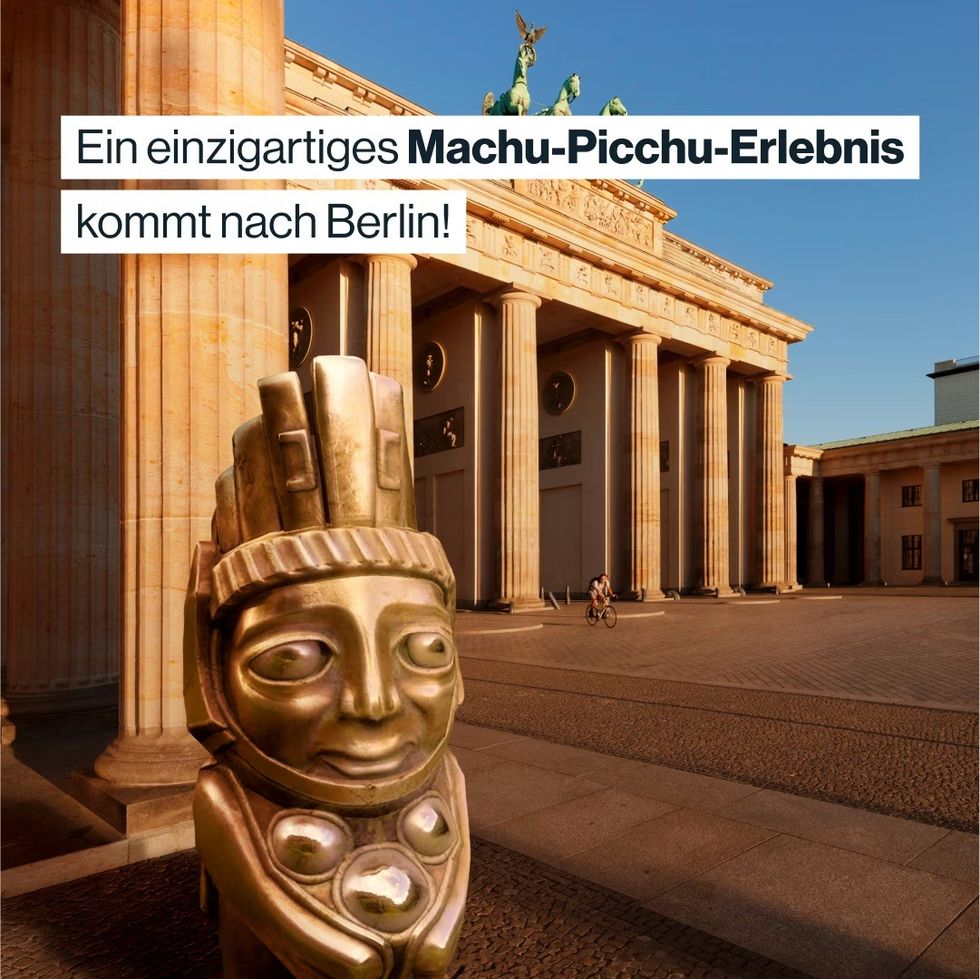
Localization also played a key role: by juxtaposing ancient Incan relics against modern city landmarks (e.g., an artifact in front of the Washington Monument), we visually conveyed our message—“We bring history to you.” This creative bridge between past and present fostered inclusion and cultural connection.
Creating Excitement
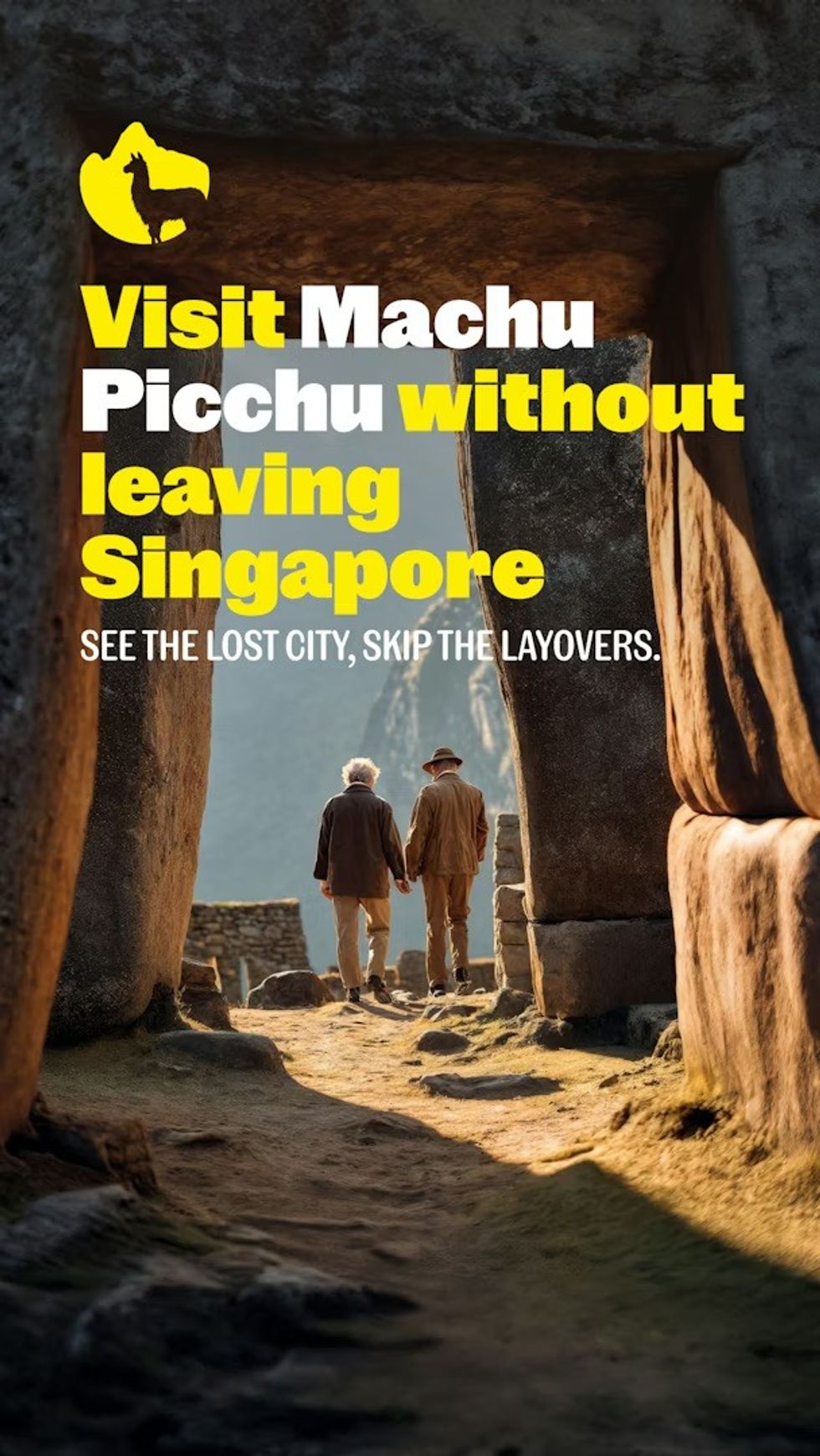
Excitement came from a powerful promise: the ability to explore a UNESCO World Heritage site without barriers—no distance, crowds, or altitude. Machu Picchu is a dream destination for many but remains out of reach for most. Our campaign reframed that limitation as an opportunity: an immersive form of time travel in your own city.
The messaging was aspirational and direct:
Visit the Lost City. Step into the past. Experience history without borders.
By positioning the VR experience as both effortless and extraordinary, we tapped into a universal desire for adventure and discovery while removing the traditional barriers of access.
Conclusion
Through a balanced mix of education, authenticity, and excitement, the campaign positioned Machu Picchu: Journey to the Lost City as more than a VR exhibition—it became the world’s most accurate digital gateway to one of humanity’s greatest treasures.
By showing audiences they could step inside the Lost City itself, without leaving their own, the campaign transformed curiosity into enthusiasm and interest into action, setting a new benchmark for immersive cultural marketing.