
Chester Zoo has welcomed a new UK-EU agreement aimed at reducing barriers to the transfer of animals involved in international conservation breeding programmes.
Announced on 20 November as part of the new UK-EU Sanitary and Phytosanitary (SPS) Agreement, the deal is expected to ease animal health-related trade barriers between the UK and the EU, which have put conservation breeding programmes and zoo science projects under significant stress for the past five years.
Kirsten Pullen, chief conservation officer at Chester Zoo, said the zoo has been a "strong advocate for ensuring that the new UK-EU Sanitary and Phytosanitary (SPS) Agreement worked for conservation transfers".
“International breeding programmes rely on the movement of animals between accredited institutions, but additional animal health requirements introduced since the UK left the EU have made that work more complex and resource-intensive," Pullen added.
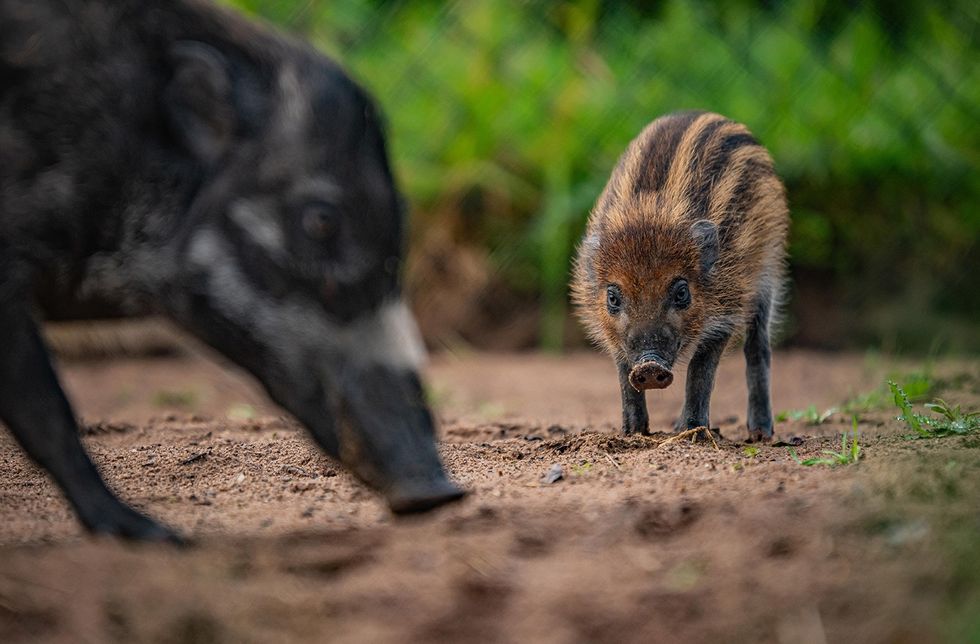 Before Brexit there were on average 1,400 animal transfers between the UK and EU annuallyChester Zoo
"We hope this will reduce unnecessary barriers to conservation transfers and strengthen the international conservation partnerships that are critical to preventing species from becoming extinct.”
The new SPS agreement is designed to break down trade barriers and accelerate border checks for animal and plant products.
In recent years, zoos have been impacted, with many animals that were important to international conservation breeding programmes facing long waits before transfers or unable to travel due to the increased complexity of paperwork and approvals.
Also, bureaucratic complications have resulted in UK animals ageing out of or missing important breeding programmes.
Before Brexit, for example, there were on average 1,400 animal transfers between the UK and EU annually. This fell to just 211 animal transfers in 2022, following the divergence of UK and EU SPS rules.
A "positive path forward"
"While we'll need to see the detail of how the agreement is implemented, today's announcement is an important step forward," Pullen said.
Jamie Christon, CEO of Chester Zoo, said: "In 2025, we recognised the new government’s commitment to strengthening relations with the EU as an important opportunity and spearheaded a sector-wide campaign to ensure conservation remained firmly on the political agenda.
“Today's announcement provides a clear and positive path forward. We now have that long-sought certainty that conservation transfers are part of the agreement and that barriers affecting international conservation programmes will be removed.
"This will help strengthen the partnerships that underpin our work to prevent the extinction of hundreds of threatened species and secure a future for wildlife."