Culture House, Sunderland's National Centre for Creative Smart Cities, opened in September 2026 after a five-year collaboration between Sunderland City Council and creative experience studio Seeper. Seeper's brief evolved from an audio-visual hardware question into something much bigger: how do you make an entire building tell Sunderland's story, to Sunderland's own people?
Seeper x Culture House, Sunderland
Seeper
Seeper's role began with on-the-ground research. Working with Sunderland City Council and architects FaulknerBrowns, Seeper studied what Sunderland's own people actually needed from the building. Born from real insight, they presented the council with an idea that reframed the whole project: Culture House as a cultural incubator that responds to the people inside it, and inspires, entertains and educates them at every stage of life. The building's story was built on that finding, not designed around it.

Seeper logo
Seeper
Sunderland's proud industrial heritage sits alongside a city reinventing itself with real confidence, and Culture House was built to carry that spirit forward.
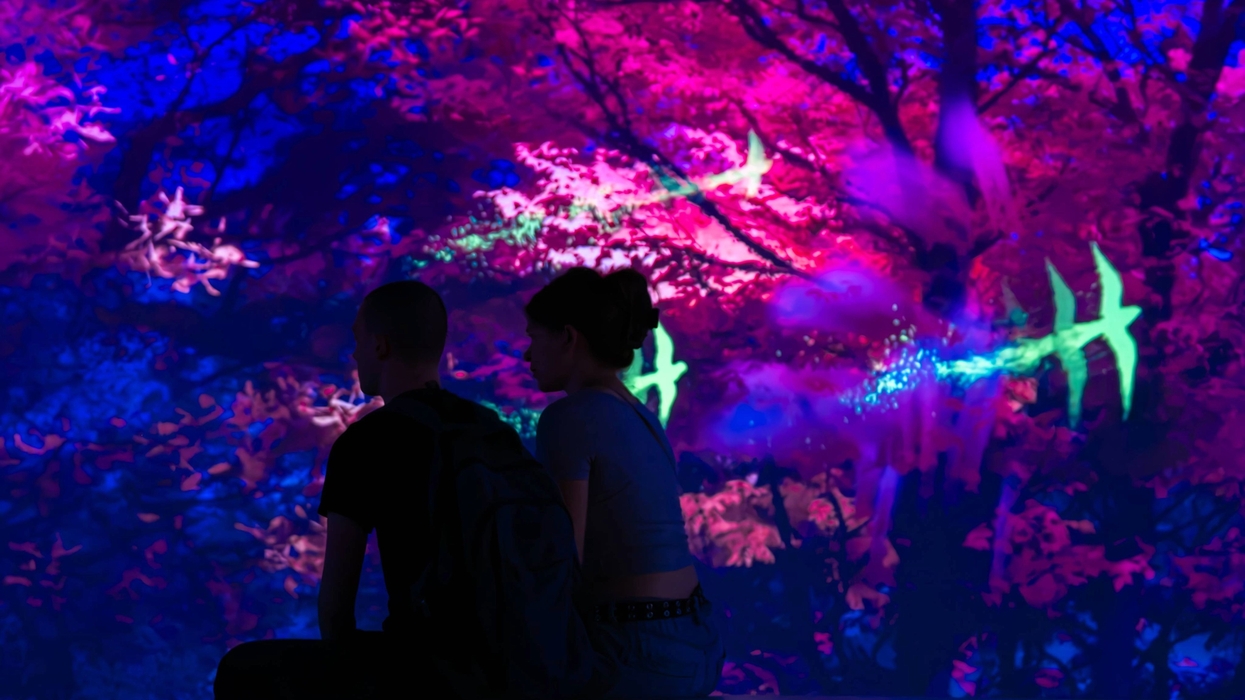
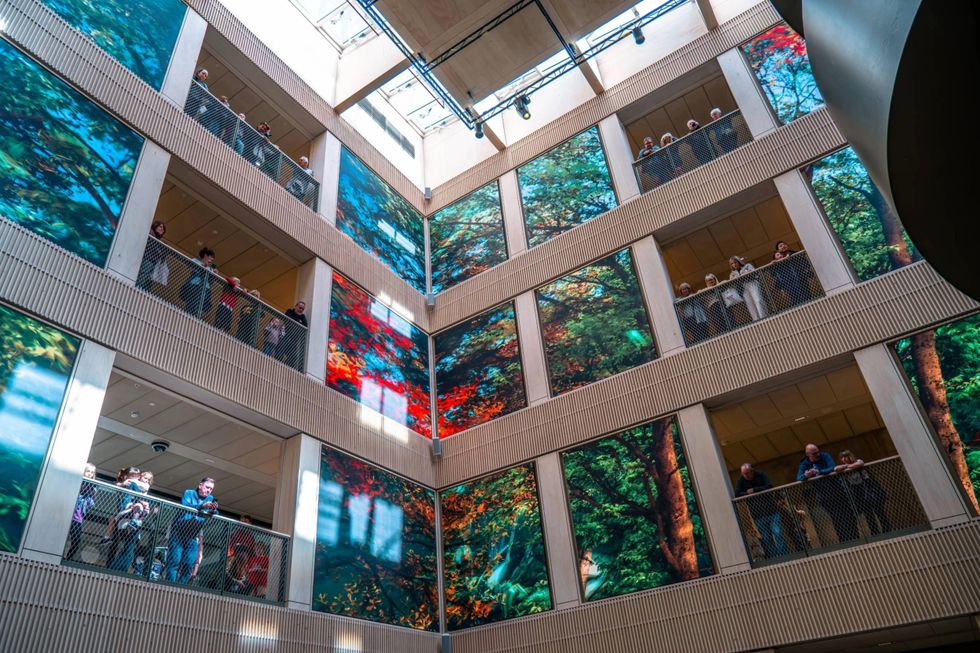
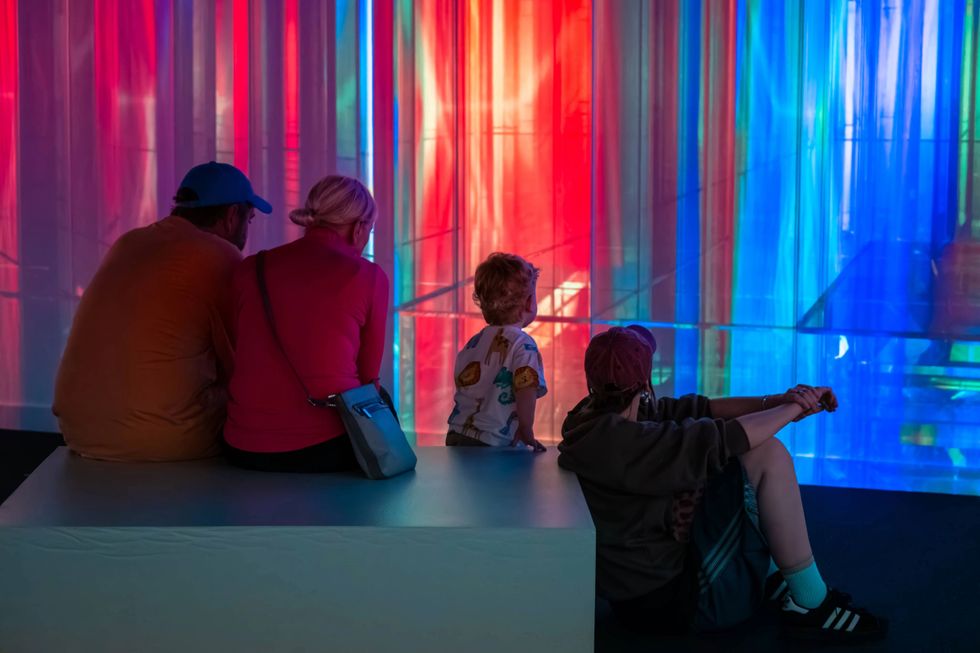
Seeper built the bespoke story from the city itself. Three evolving "Atmospheric" worlds run across the atrium's giant LED canvas and the 360-degree Immersion Gallery. "Sea" draws on Sunderland's coastal relationship: a bioluminescent waterfall filling the atrium like a giant fish tank, populated with regional marine life and beyond. It speaks to the adaptability of water, as it takes on the form of whatever holds it, much as the atrium itself holds the community that gathers inside it.
https://vimeo.com/manage/videos/1232960110/6da040a477
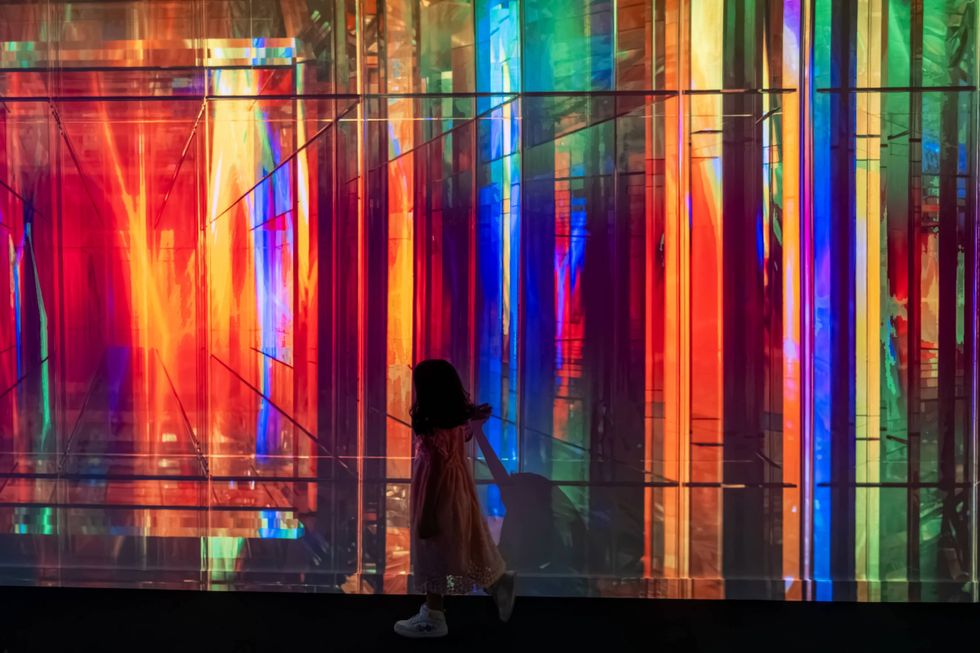
"Glass" honours the city's glassmaking heritage: a slowly turning cathedral of glass prisms that mimics the impossible geometry of a tesseract, making the atrium feel larger than its own walls.
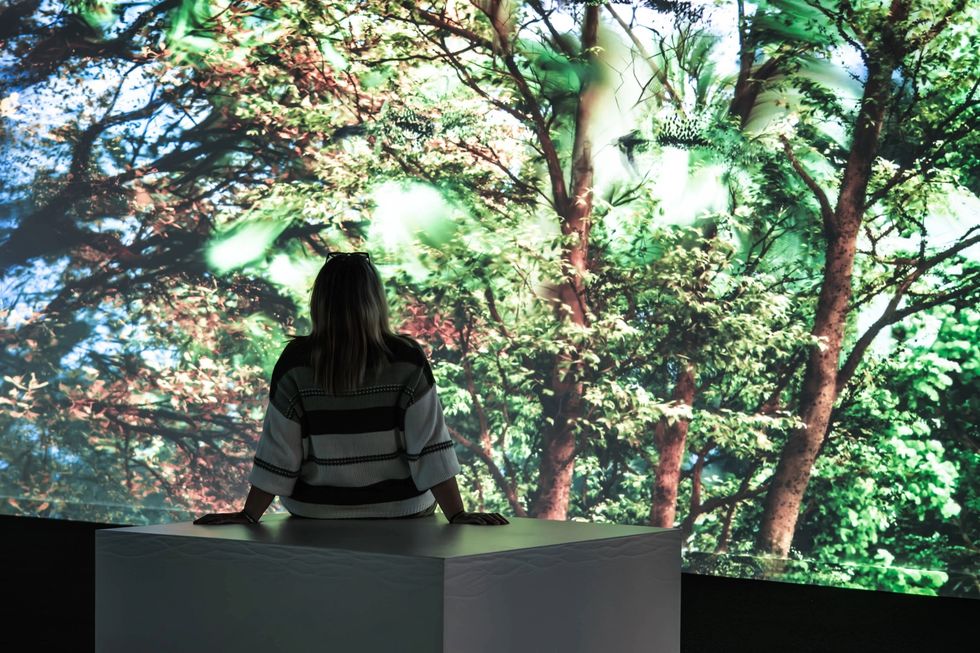
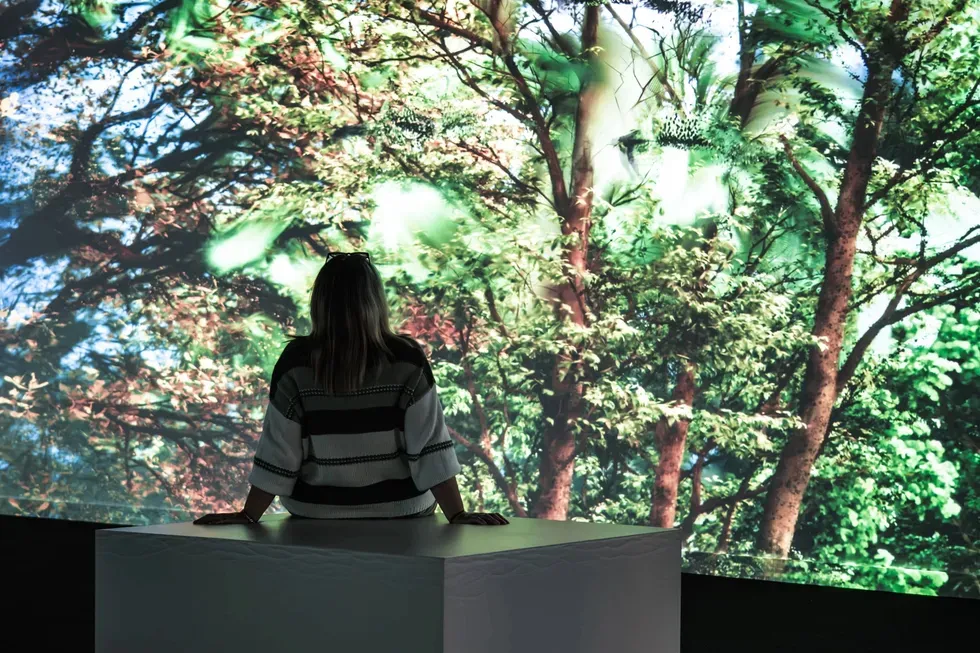
"Nature" reflects Sunderland's environmental ambitions, brought to life through the city's own net zero and sustainability initiatives: a hyper-real woodland with branches that sway in the breeze. None of this relies on language or literal narration, so the same content reads clearly whether the visitor is five or eighty-five, a first-time tourist or a lifelong local.
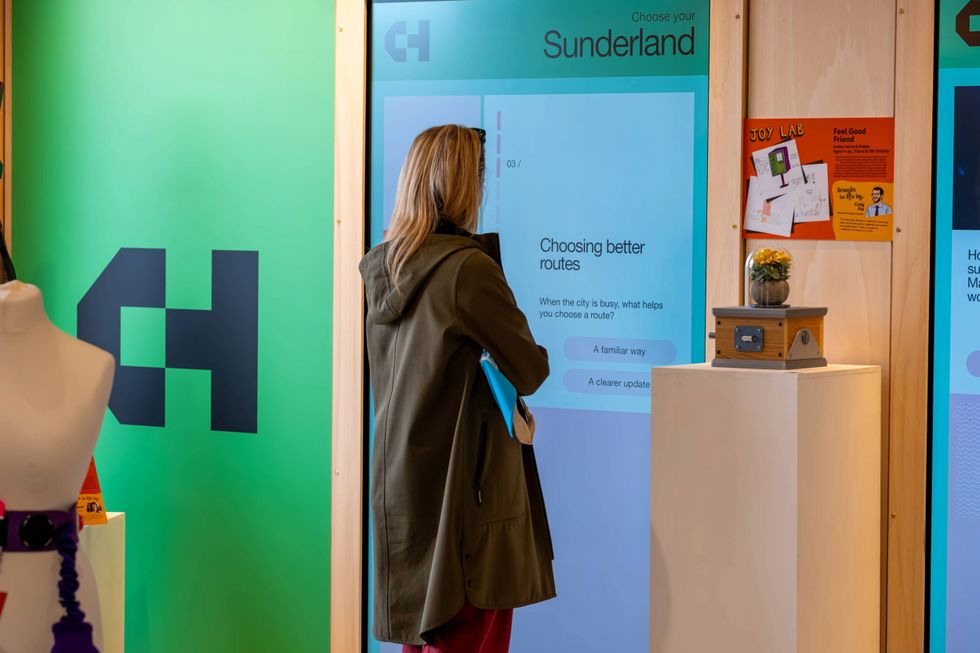
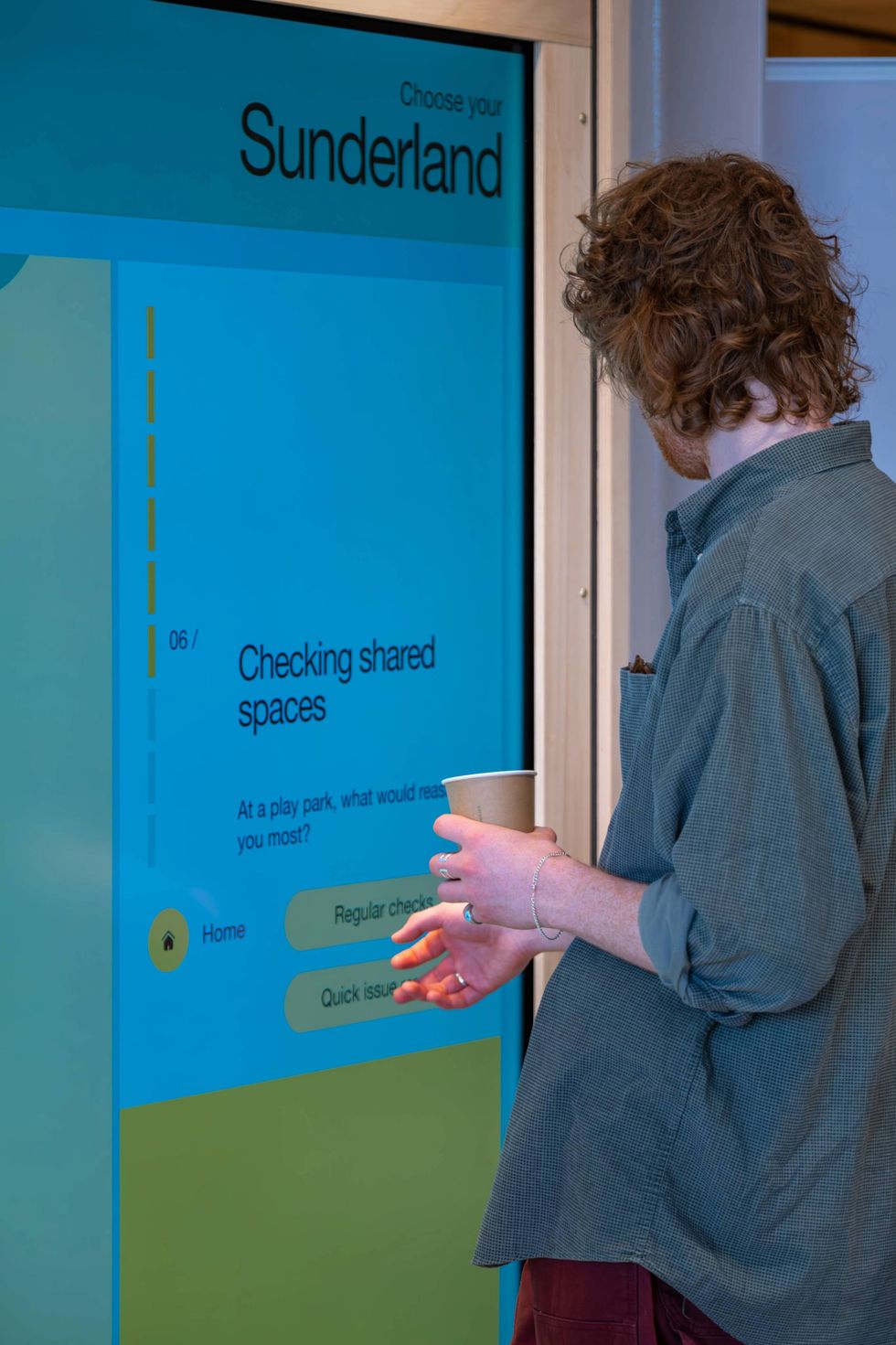
Real people carry the story too. The "Sunderland Stories" touchscreen in City Eye shares residents' accounts of using the city in new ways, and presence-sensor "micro exhibitions" built into the building's multimedia bookcases surface stories, video and imagery from local organisations - such as Kielder Observatory and local theatre companies - as visitors approach. It's a platform that feeds itself; local voices draw people in, and the people who visit could become the next voices on the shelves.
Seeper x Culture House, Sunderland
Seeper
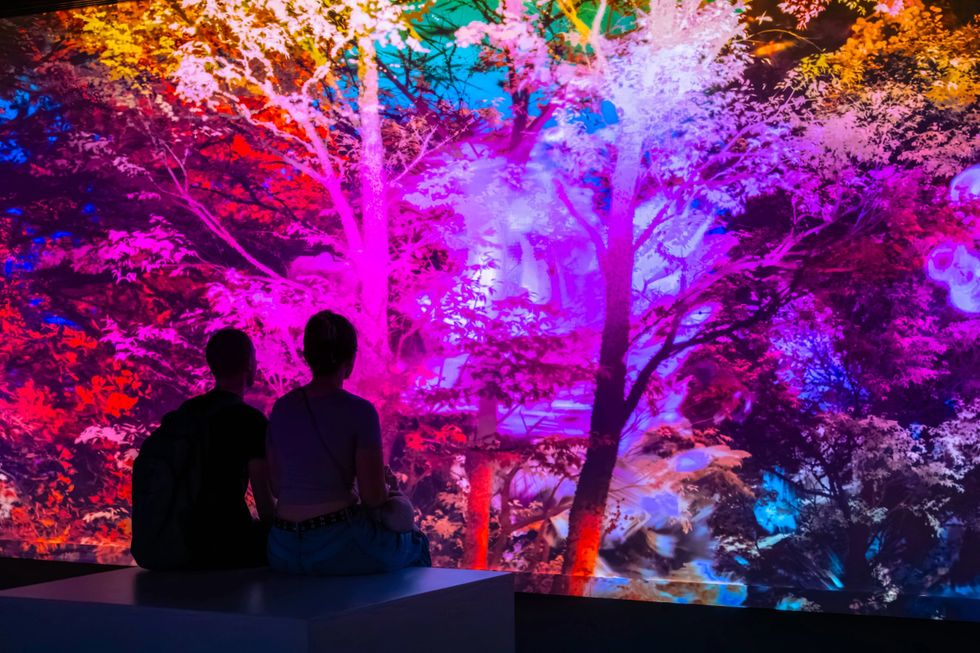
The same story also has to work differently depending on who is meeting it. In the Immersion Gallery, the Sea and Nature worlds are lightly gamified, turning storytelling into discovery. Visitors learn about the region's wildlife by exploring the space themselves rather than being told. The same content also underpins yoga, sound baths and meditation sessions, where the story recedes into pure feeling rather than fact. One narrative works as spectacle for a first-time visitor, as a discovery game for a curious child, and as ambience for someone who simply needs a quiet hour. The story never changes, only the way each guest is invited into it.
Seeper x Culture House, Sunderland
Seeper
Even wayfinding tells a story. A set of "Architectural" content states echo the building's physical form, surfacing its brutalist soul while guiding visitors through it. That soul was deliberate. The architecture itself is unmistakable - brutalist concrete, warm wood, steel and a spiral staircase that anchors the whole atrium - and Seeper's content was designed to inject into it the same intangible warmth that turns a house into a home.
Seeper x Culture House, Sunderland
Seeper
Telling one story consistently across so many surfaces is itself a technical solution. Seeper built a single content platform, working alongside a media-server layer for large-format playback and a show-control layer for audio, physical controls and safety overrides. This lets Culture House's own team manage everything from the vast atrium visuals down to the smallest bookcase screen from one system, ensuring the same story reaches every touchpoint in the building without fragmenting into disconnected exhibits.
Seeper x Culture House, Sunderland
Seeper
This is what makes the entry a Storytelling innovation: a single narrative, drawn directly from Sunderland's own history and people, told without words so it lands for every age and background, and engineered to stay consistent across an entire building rather than one screen.
Seeper x Culture House, Sunderland
Seeper
Sunderland City Council (client), FaulknerBrowns Architects (building architect), PureAV (AV and systems integration), digiLED (LED hardware, via PureAV).
FaulknerBrowns Architects designed Culture House itself; Seeper worked alongside that design from early concept through construction and into completion.
The design and product specification behind Culture House are Seeper's own. Seeper selected digiLED's ZEUS system as the atrium's LED platform early in the process, driven in large part by ZEUS's power efficiency - this shaped the system design, power, racks and cabling around it from the outset, in support of the building's carbon-neutral ambition. PureAV, Seeper's AV and systems integration subcontractor, carried out the physical installation and commissioning of that design, engaging digiLED as their own subcontractor for the ZEUS system itself.
Seeper
Seeper x Culture House, Sunderland