
The San Diego Zoo Wildlife Alliance (SDZWA) and Scripps Institution of Oceanography have joined forces to accelerate innovation and expand their global conservation impact.
Through the Agile Restoration & Conservation Hubs (ARCH) initiative, the organisations will harness cutting-edge science, technological innovation and community engagement to address environmental challenges like biodiversity threats and emerging pathogens.
The joint effort focuses on three core areas, as follows:
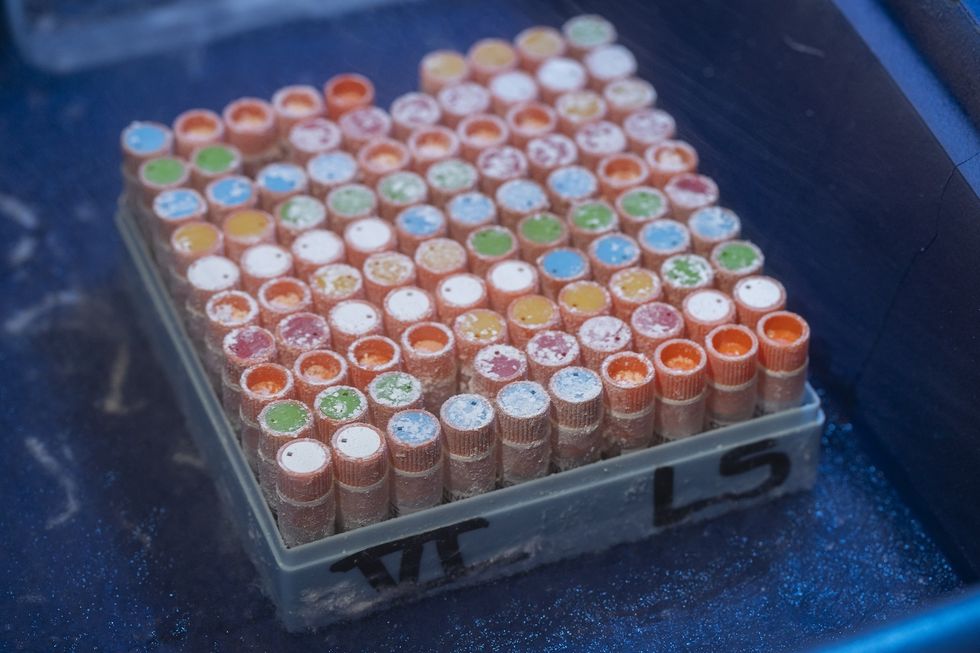
- Knowledge transfer of best practices in collections and biobanking, including the cryopreservation of living cells, with a focus on marine species.
- Innovation of advanced conservation technologies, such as 'digital twins', which digitally replicate physical environments or systems.
- Creation of student engagement and learning pathways across partner institutions to develop the next generation of conservation leaders.
"This collaboration offers a unique opportunity to combine resources, knowledge and innovation to address pressing environmental challenges," said Nadine Lamberski, chief conservation and wildlife health officer at San Diego Zoo Wildlife Alliance.
"By uniting San Diego Zoo Wildlife Alliance’s expertise in wildlife care and conservation science with Scripps Oceanography’s leadership in marine and atmospheric research, we can drive meaningful conservation breakthroughs that protect biodiversity."
Starting with biobanking, SDZWA is a leader in the field with 50 years' experience. Through workshops and training, its staff will share best practices with researchers at Scripps.
"Training and support from the SDZWA team will help Scripps develop sophisticated techniques for biobanking marine species, starting with threatened kelp found right here off San Diego," said Stuart Sandin, director of the Center for Marine Biodiversity and Conservation at Scripps and a leader of the ARCH initiative.
"We’re excited about the new possibilities this partnership creates for conservation science and education."
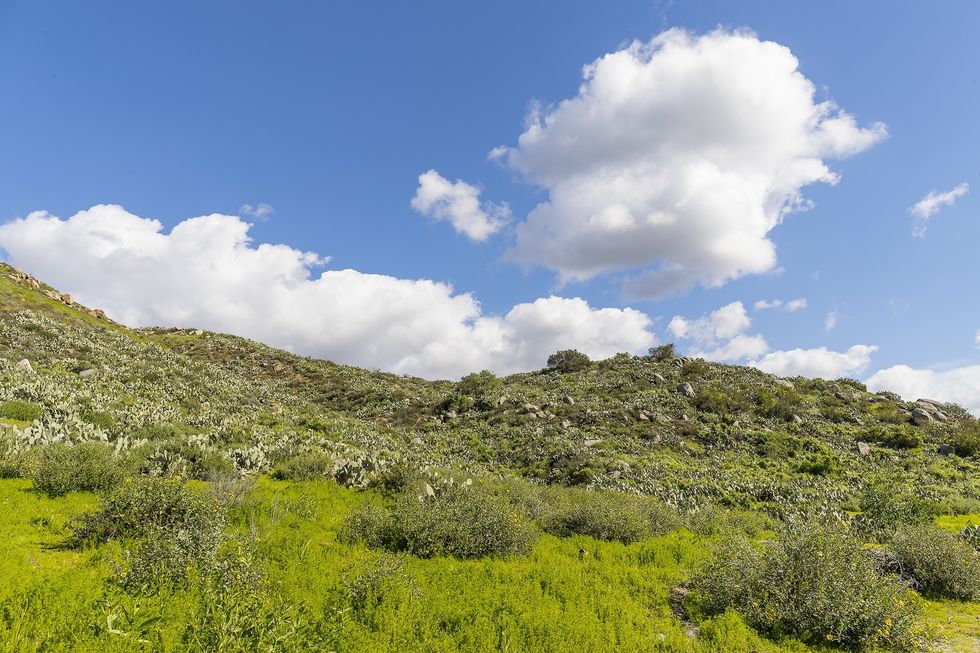
As for the creation of 'digital twins', the first prototype – a digital twin of the Safari Park Biodiversity Reserve at the San Diego Zoo Safari Park – is already underway and "has the potential to revolutionize conservation science", said Megan Owen, vice president of conservation science at San Diego Zoo Wildlife Alliance.
"This model will serve as a blueprint for future regional and global digital twins, providing a comprehensive, adaptive and scalable tool for addressing biodiversity loss, climate adaptation and community stewardship," she added.
Images courtesy of San Diego Zoo Wildlife Alliance