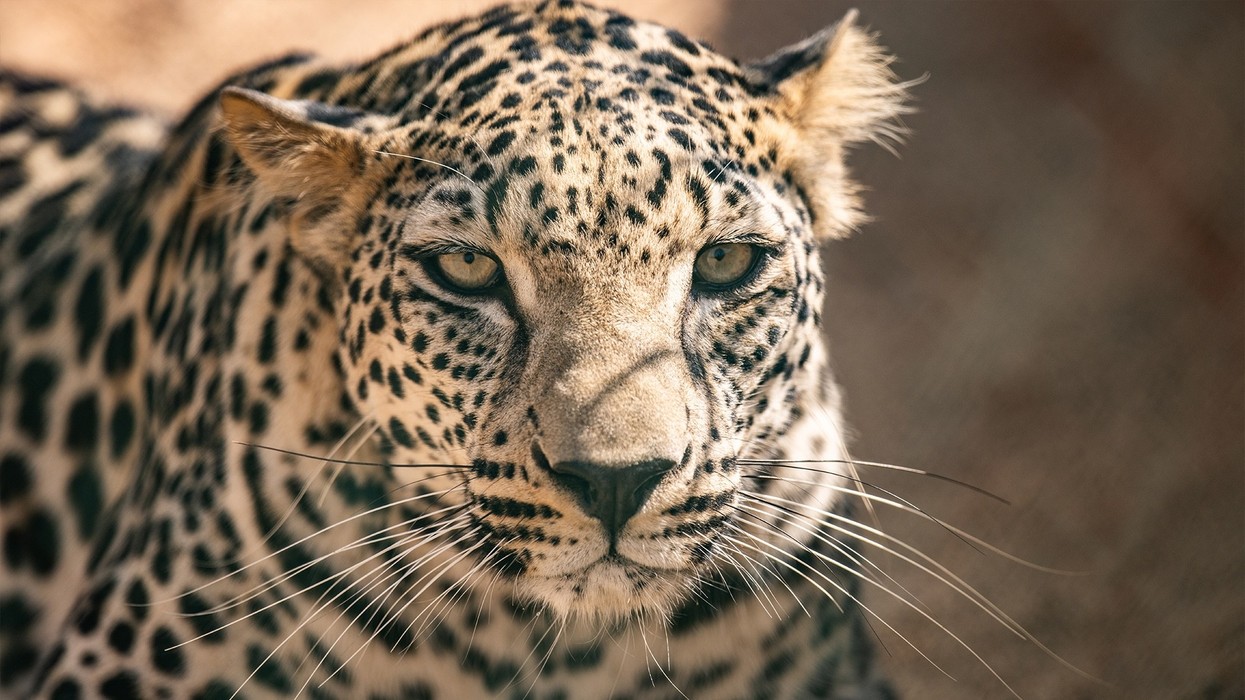

The Smithsonian's National Zoo in Washington, DC is building a new Arabian leopard exhibit in partnership with Saudi Arabia's AlUla project.
The collaboration between the Royal Commission for AlUla (RCU) and the Smithsonian's National Zoo and Conservation Biology Institute (NZCBI) was announced last year.
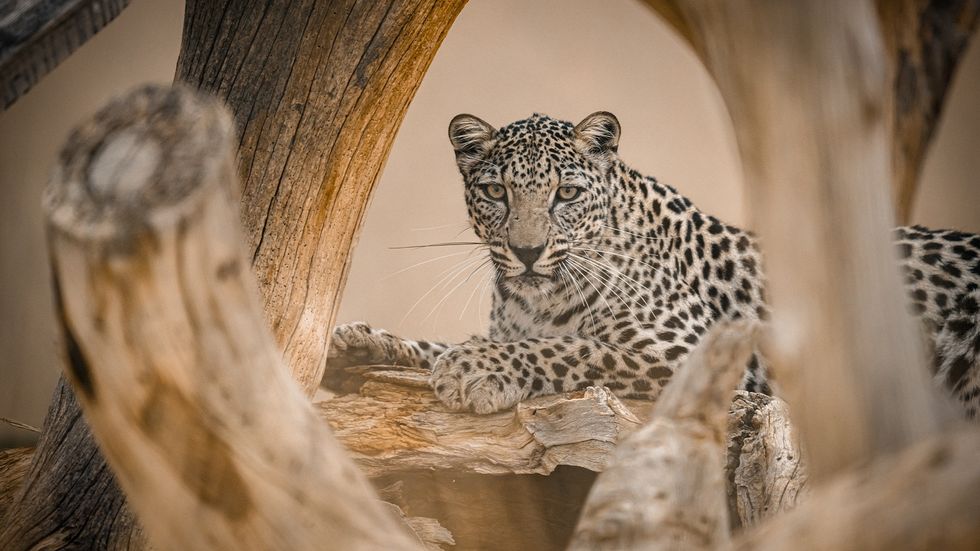
The project combines NZCBI's conservation science expertise and RCU's breeding programme, and involves the conservation and loan of critically endangered Arabian leopards.
"This partnership allows us to do what we do best – apply science to help bring a species back from the brink of extinction," said Brandie Smith, director of NZCBI.
"Building on recovery efforts already underway, we’re translating that science into action to help people understand what’s at stake."
Construction on the new Arabian leopard habitat at the Smithsonian's National Zoo is expected to start in late summer 2026, with an opening scheduled for 2029.
The first exhibit to showcase Arabian leopards outside the Arabian Peninsula will feature soft, curvilinear forms inspired by rocky outcrops, desert terrain and wadi-carved landforms.
Arabian leopard conservation
Indoor and outdoor viewing areas will immerse guests in the leopard habitat, while highlighting the science behind protecting the species.
The habitat will house a pair of Arabian leopards transferred from RCU’s breeding facility under a 15-year agreement, with no loan or acquisition fee.
Any cubs born at the zoo will be transferred to Saudi Arabia when the time is right to support the wider species recovery and reintroduction effort.
NZCBI and RCU will also carry out cooperative research projects in Washington, DC and Saudi Arabia focused on genetics, reproductive science, animal welfare and population management.
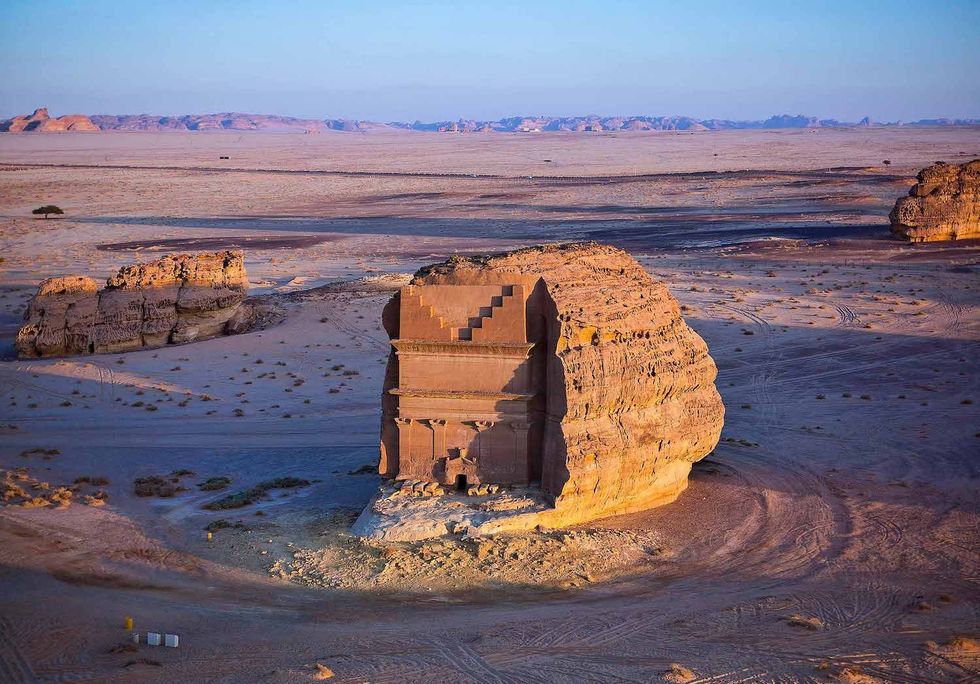
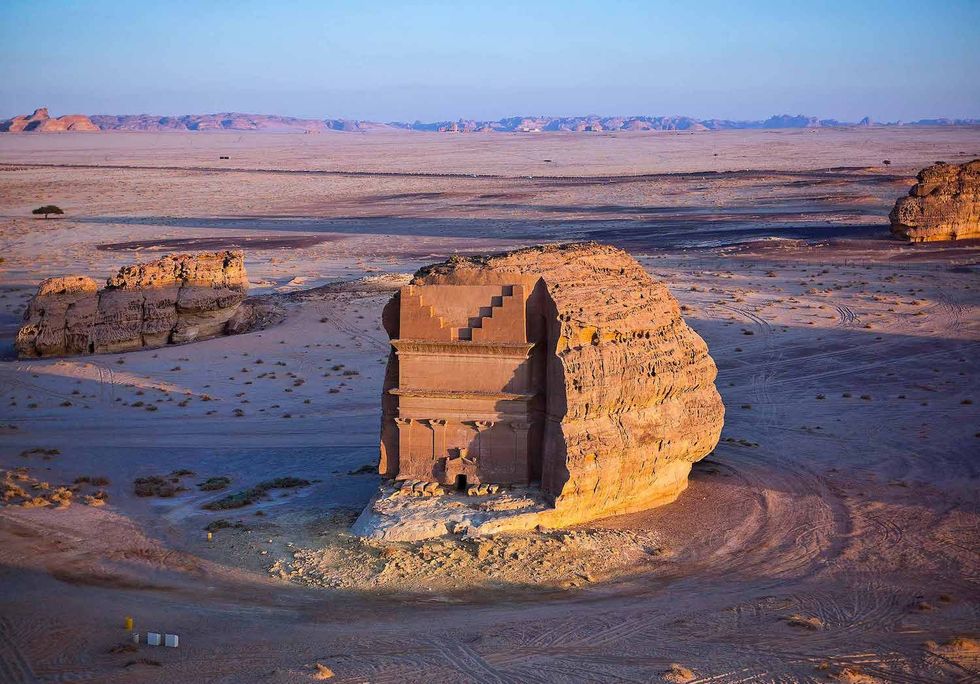 Saudi Arabia's AlUla
 The initiative is made possible through a $51.6 million gift from RCU to support exhibit construction, animal transport, conservation research, dedicated scientific staff, and recovery outcomes.
Via a press release, there are fewer than an estimated 120 Arabian leopards remaining in the wild.
"As custodians of the Arabian leopard, our responsibility is not only to prevent extinction, but to build the scientific foundation needed for long-term recovery," said Naif Al Malik, vice president for wildlife and natural heritage at RCU.
"The Smithsonian strengthens our efforts through science, animal care and public engagement, helping ensure the Arabian leopard has a future that extends across generations."
Images courtesy of the Smithsonian and RCU