The Dot Experience challenges the traditional museum model by demonstrating how accessibility can be a driver of innovation rather than an accommodation added after the fact. Created by the American Printing House (APH), a leader in creating resources for people who are blind or low vision, this new, first-of-its-kind immersive museum reimagines the visitor experience by making inclusive design the starting point.
The Dot Experience
The Dot Experience
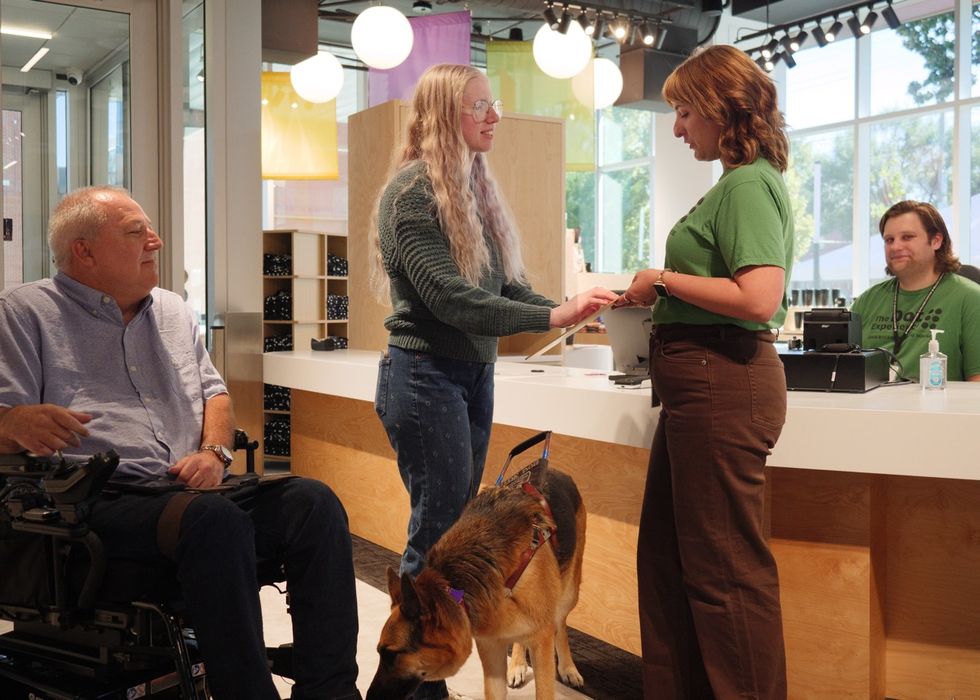
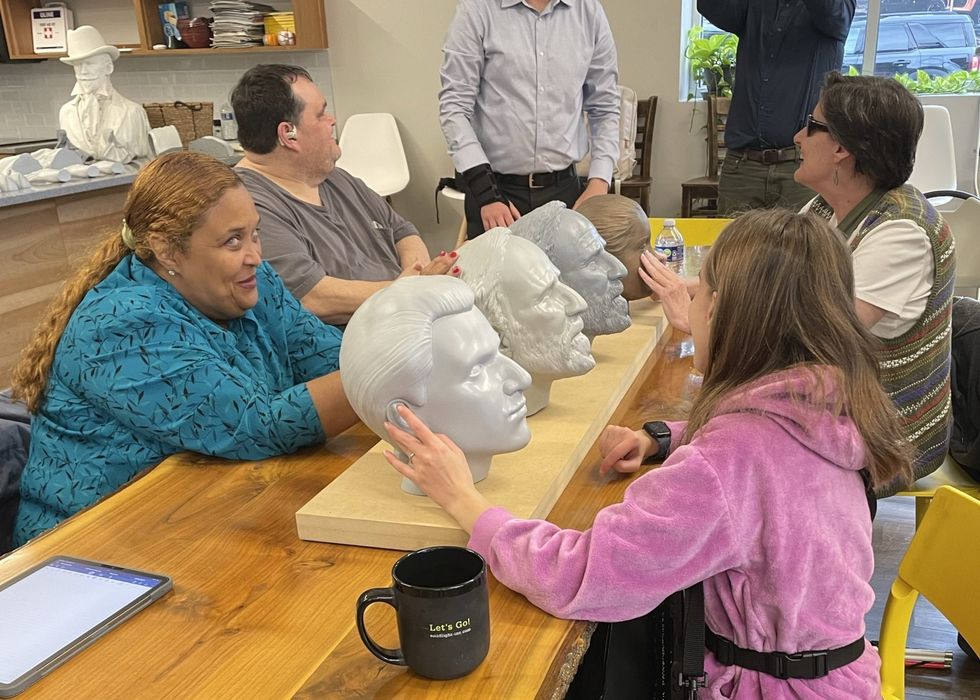
The Dot Experience was designed with people who are blind and low vision, not simply for them. Visitors of different abilities can share the same meaningful, immersive and independent journey, with opportunities to explore through touch, sound, movement and sight. Braille, large print, tactile graphics, audio description, captioning, high-contrast visuals, immersive soundscapes and hands-on interactives are integrated throughout the experience.

The Dot Experience logo
The Dot Experience
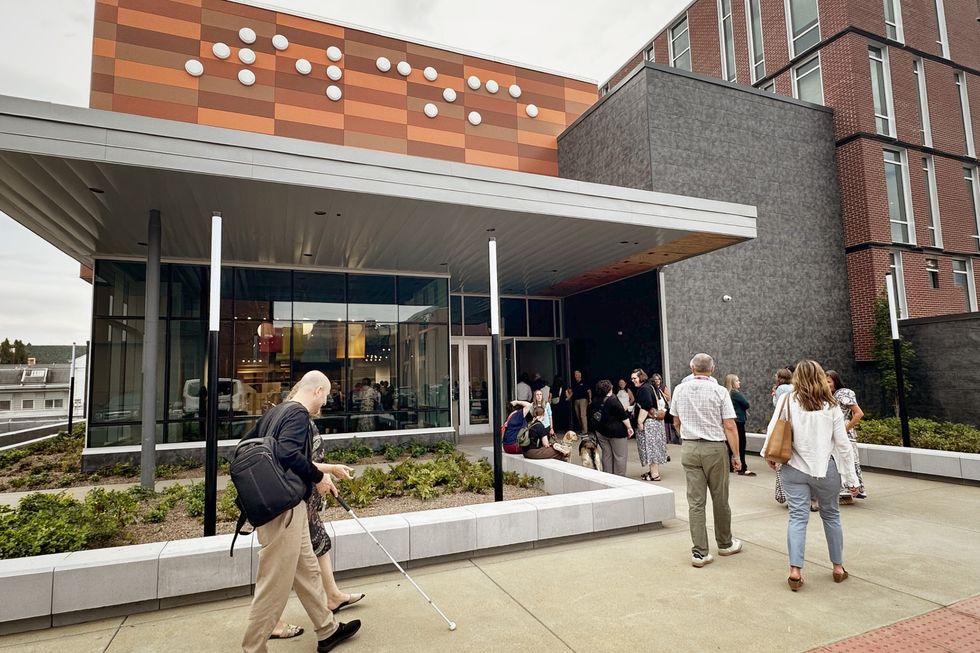
The museum moves beyond the traditional “look, but don’t touch” model by making tactile exploration central to how visitors engage with stories and objects. Rather than requiring visitors to adapt to the museum, The Dot Experience provides multiple ways to navigate, interact with and experience content. Accessibility is integrated into the physical environment through features such as braille ledges designed for wheelchair users, tactile navigation cues, high-contrast flooring, automatic doors, large elevators and a dedicated service-animal relief station.
A defining innovation is the Inclusive Prototyping Team, which brought people who are blind and low vision, DeafBlind, deaf, people with mobility limitations and people with multiple disabilities into research, design, testing and refinement. Their expertise directly influenced decisions ranging from braille placement, lighting and flooring textures to acoustics, navigation and exhibit interaction.
This approach fundamentally changed the development process. People with disabilities were not simply asked to review a finished museum; they helped shape the experience from the beginning. Their feedback revealed design challenges that might otherwise have been overlooked.
The Dot Experience
The Dot Experience
For example, during prototyping, Danielle Burton, an APH Communications Accessibility Editor and DeafBlind prototyper, tested floor markers while traveling with her guide dog. The testing revealed that a person traveling with a guide dog may not get close enough to a wall to detect a marker. The team used that insight to rethink the design.
The Dot Experience
The Dot Experience
This illustrates a central principle behind The Dot Experience: lived experience is a form of design expertise. By bringing people with disabilities into the room as active participants, the museum could identify problems, test assumptions and refine solutions before opening to the public.
The Dot Experience
The Dot Experience
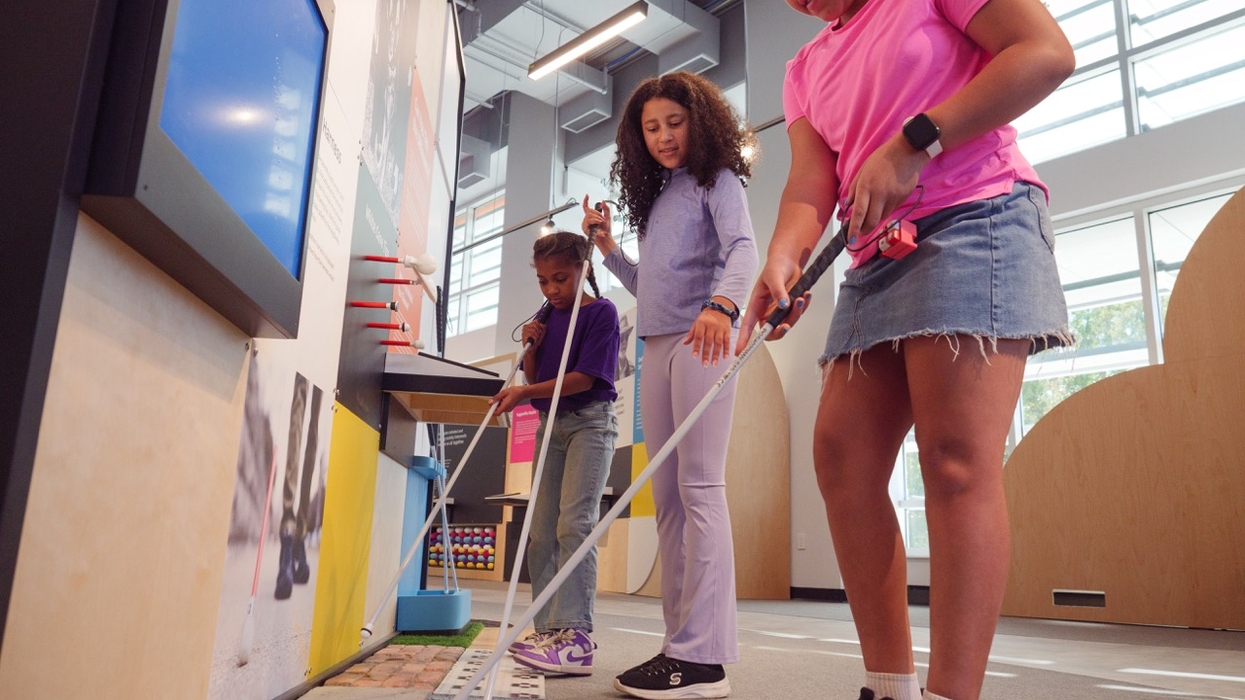
The experience also demonstrates how accessibility can create new opportunities for engagement. One exhibit explores how a cane communicates information through touch. Visitors can examine five different cane tips and discover how surfaces such as grass, cobblestones and tile send different signals through the cane. A large Cramer abacus invites hands-on exploration, while tactile graphics, replicas and other touchable elements encourage visitors to engage with content through more than sight.
The Dot Experience
The Dot Experience
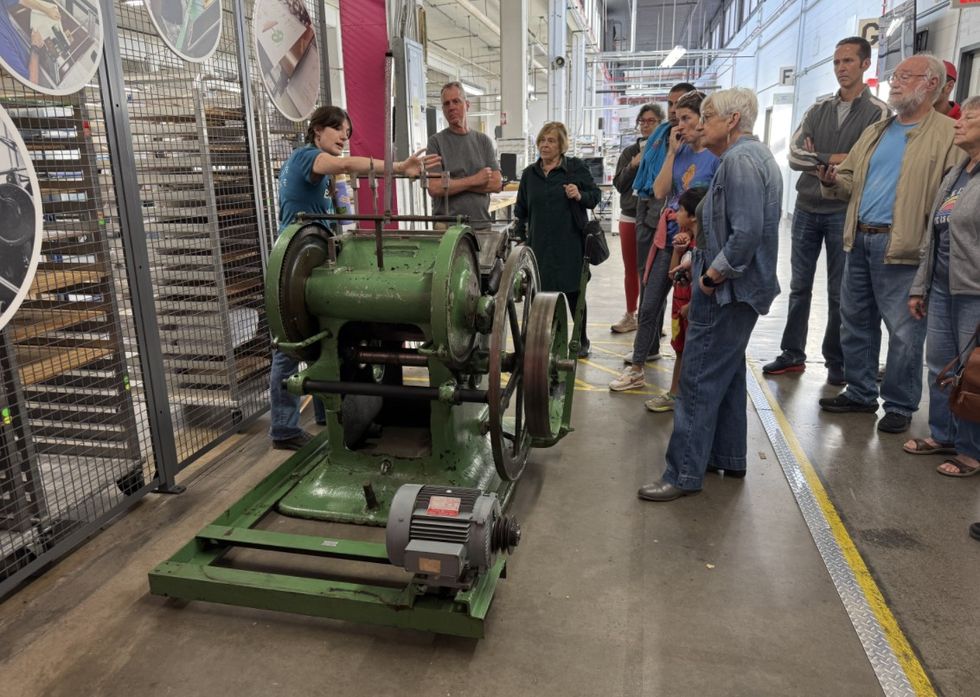
The approach extends beyond the galleries. In the gift shop, merchandise tags will include braille alongside print, reinforcing the idea that accessibility should be part of the entire visitor experience. A behind-the-scenes factory tour gives visitors a firsthand look at how APH creates braille and accessible learning tools, connecting the museum experience to the people, processes and technology behind products that support literacy, education and independence.
The Dot Experience
The Dot Experience
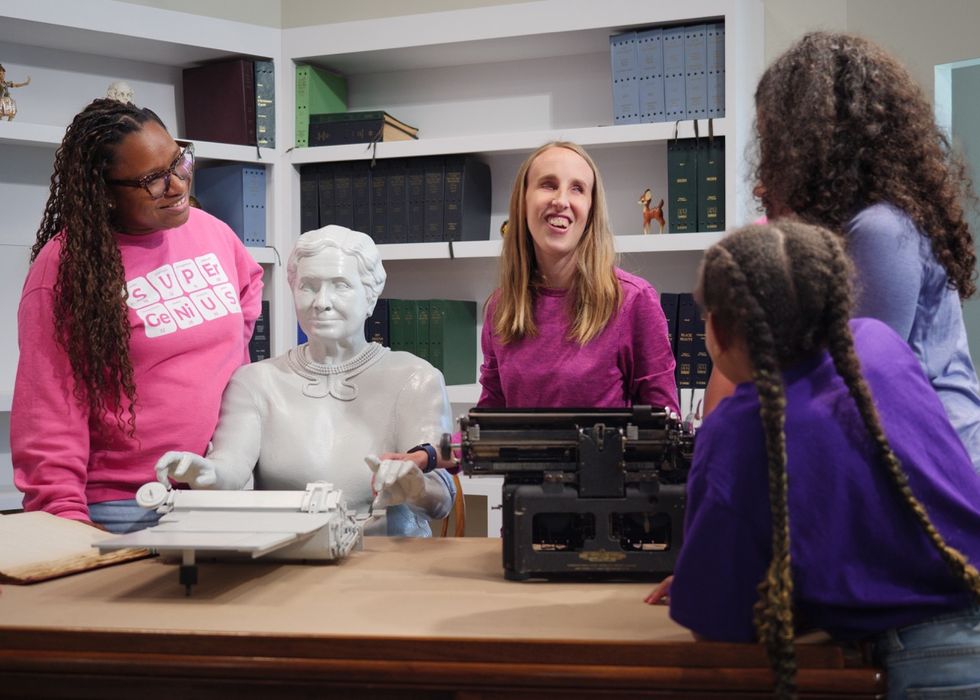
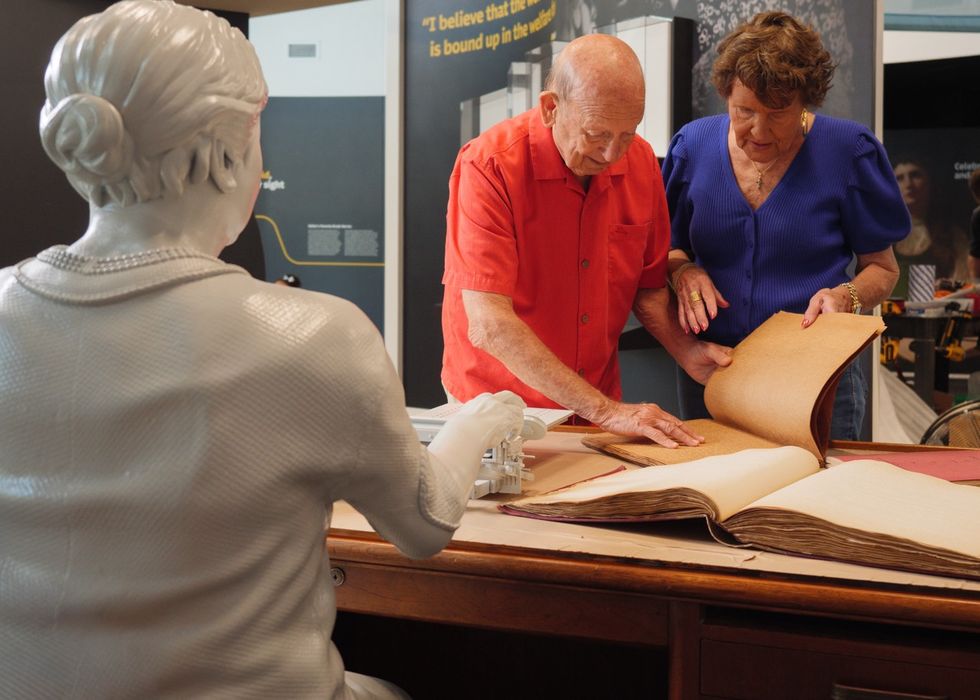
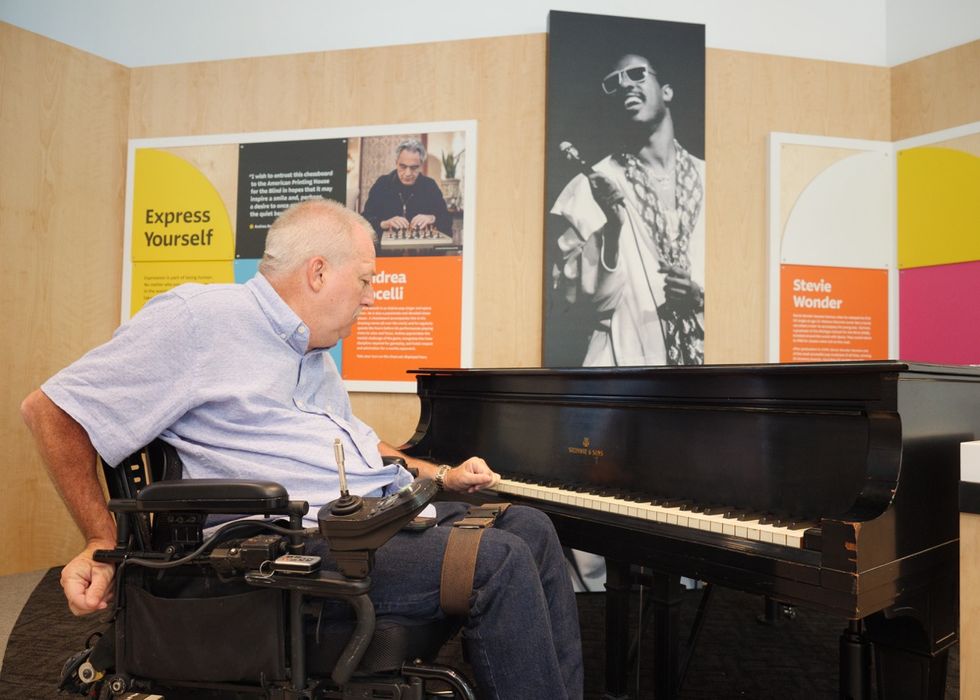
The Dot Experience also connects visitors to APH’s nearly 170-year history and the broader history of blindness. Visitors will encounter objects and stories including the piano Stevie Wonder played while attending the Michigan School for the Blind, stories from The Dot Experience’s diverse Cast Members and materials from the AFB Helen Keller Archive.
The Dot Experience demonstrates how changing who participates in exhibit development can change what a museum becomes. Its approach positions accessibility not simply as a feature of the visitor experience, but as a catalyst for new approaches to design, participation and discovery.
The Dot Experience
The Dot Experience
By embedding lived experience into research, prototyping and decision-making from the beginning, The Dot Experience offers a model for museums and attractions seeking to rethink how they design experiences with and for their audiences. It demonstrates that when inclusion is the starting point, accessibility can lead to more thoughtful, participatory and meaningful experiences for everyone.