Designing a great themed experience is only part of the challenge. The real test comes when that experience opens its doors and has to work for thousands of guests, day after day.
That is where operations becomes inseparable from design.
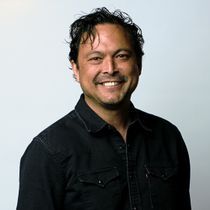
Few people understand that relationship better than Jon Storbeck. He began his career as an attractions host at Disneyland and went on to lead Walt Disney’s original park before becoming vice president and general manager of Knott’s Berry Farm.
Over four decades in the attractions industry, Storbeck has seen how creative vision, operational reality, and guest expectations come together.
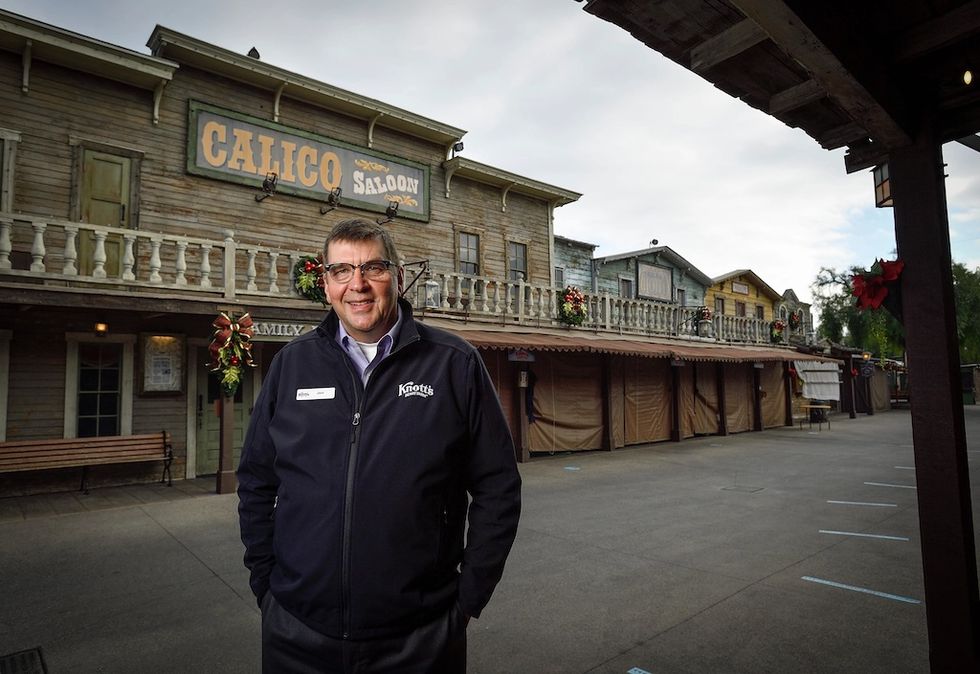 Now retired, Jon Storbeck's career spans over three decades with Disney as well as almost ten years as VP and general manager of Knott's Berry Farm
I recently sat down with him to talk about what makes a theme park successful, how to create an authentic sense of place, why guests return, and what it means to inherit destinations that generations already love.
What makes a theme park successful?
For Storbeck, success begins not with the rides or technology, but with the people who bring an experience to life.
“People,” he says. “Starting with the designers and creative people who have a vision; the marketers who communicate that vision to guests; the finance people who figure out how to pay for it. And then your operators, the frontline people who deliver it.
“And, last but not least, it takes the guests. They’ve worked hard for their money, and they want to give it to you. Without all of those people involved, none of it happens.
“When you forget that, you see a decline. When you remember it, you see them thrive.”
How do you create an authentic sense of place?
A believable place starts with clarity around the story the experience is trying to tell.
Storbeck says: “Are you trying to tell a historical story? A contemporary story? A story that hasn’t been told yet?"
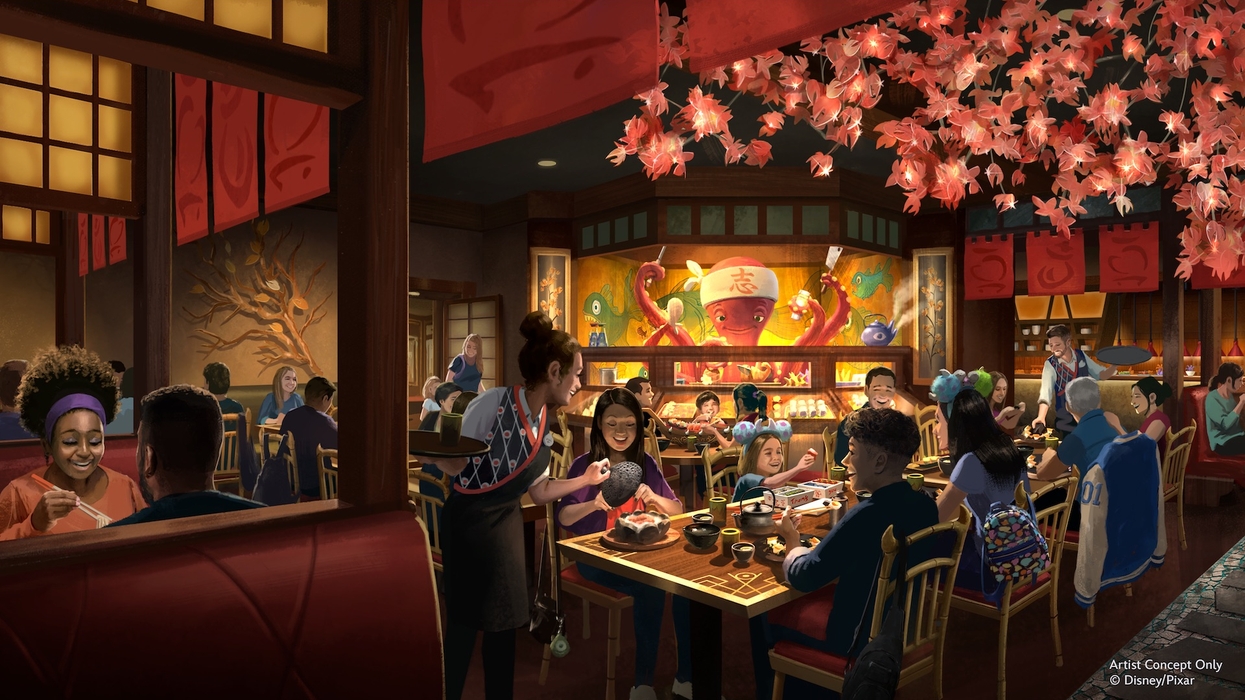
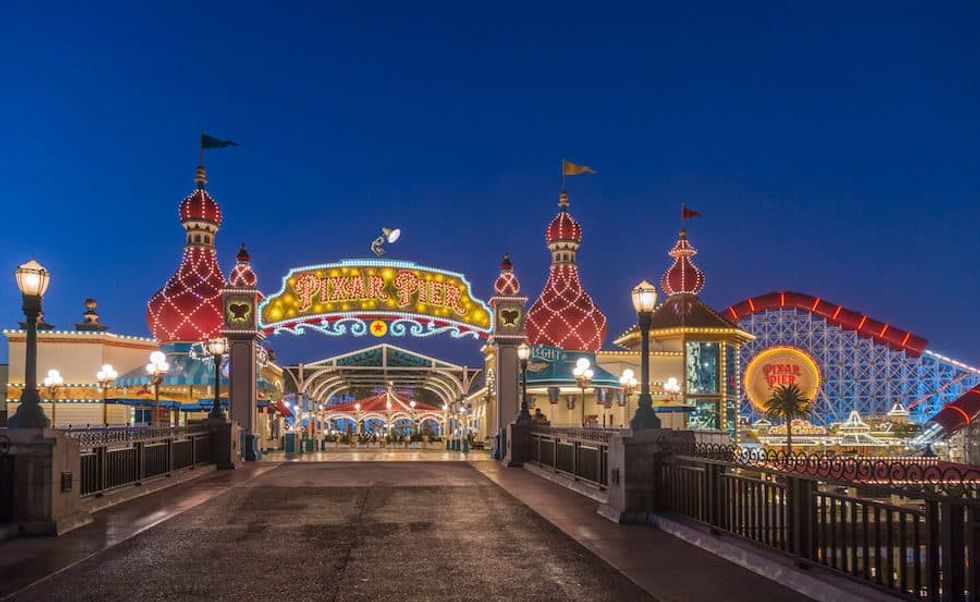 Pixar Pier in Disney California Adventure Park
“If you understand that correctly, a lot of things flow from it: what language the cast members use, what’s in the planters, what the background music is.
“Not everybody can do all of those things. You don’t necessarily have the money to do all of it, so you start picking and choosing. Maybe I’ll forgo the trash can, but I want to make sure the background music is right, or that the language the employees are using is right.
“But you immerse them in that story, and then I think they intuitively get it. The important thing is to suspend disbelief.”
What makes guests return?
A successful attraction may draw a guest once. Creating something they want to return to requires an emotional connection.
“The reason guests come back is how you make them feel,” Storbeck says.
“There’s a value proposition there. If I’ve turned over my hard-earned money, how do I feel when I walk out that gate? Am I joyous? Have I experienced this place with my family, friends, and loved ones, creating memories that will last a lifetime?
“I used to say this at Disneyland all the time: if there’s one thing I want the cast members to remember, it’s quite simply, for that guest you’re dealing with, you create happiness.
“So the rides are, no pun intended, a vehicle for feelings. Ultimately, guests tell you when something doesn’t make them feel the way you intended. The smart operators look at that and say, ‘That’s ready for retirement,’ and put a new story in its place.
“But to me, it’s really about the emotions I feel and the people I love sharing those moments with.”
What does it mean to inherit historic assets?
Storbeck’s career has placed him in charge of destinations with deep cultural histories, from Disneyland to Knott’s Berry Farm. That responsibility, he says, calls for leadership as stewardship.
“The stories behind Knott’s parallel those around Disneyland: entrepreneurs, risk-takers, doing things nobody else had done,” he says.
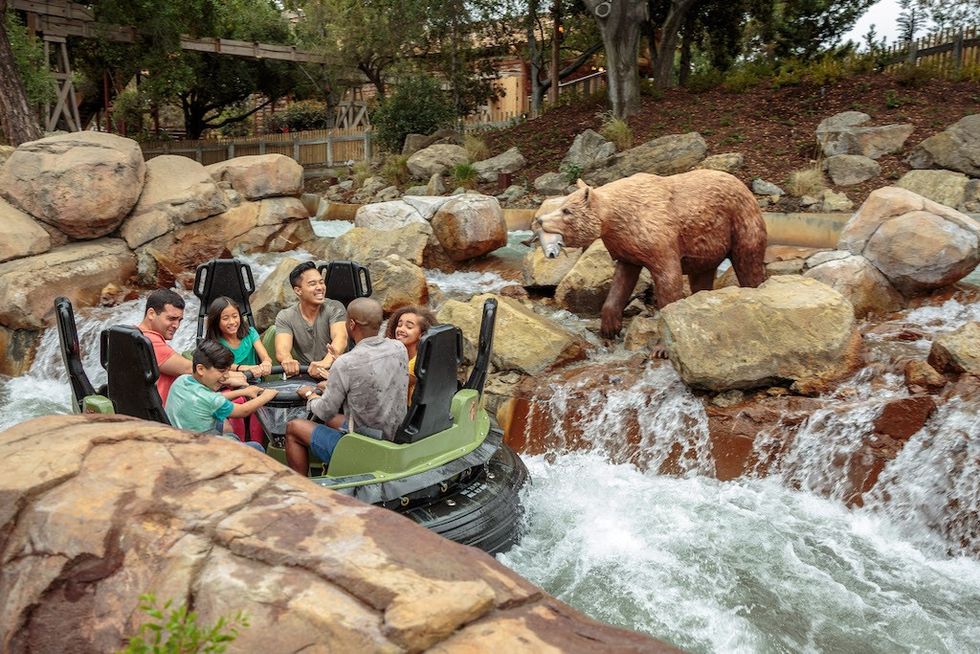 Calico River Rapids - Knott’s Berry Farm, USA
“And it’s the inheritance. The Knott family built up all those traditions, and when they sold to Cedar Fair, there were still plenty of people steeped in it.
“They had given you the sense that you’d inherited something. And like all inheritance, do you want to take care of it and grow it and pass it on to the next generation, or do you want to blow it?
“The smart people latched onto what the founders passed down and said, ‘Keep it up, move it ahead with the times, and make sure I can pass it on.’”
Lessons that endure
Storbeck’s career spans very different parks and operating models, but the same ideas continue to surface.
People build the experience. Story gives it a sense of place. Emotion gives guests a reason to return. And stewardship ensures the things people already love can keep evolving without losing what made them meaningful.
For those of us creating the next generation of destinations, that may be one of the most important lessons of all: great places are not simply designed. They are cared for.