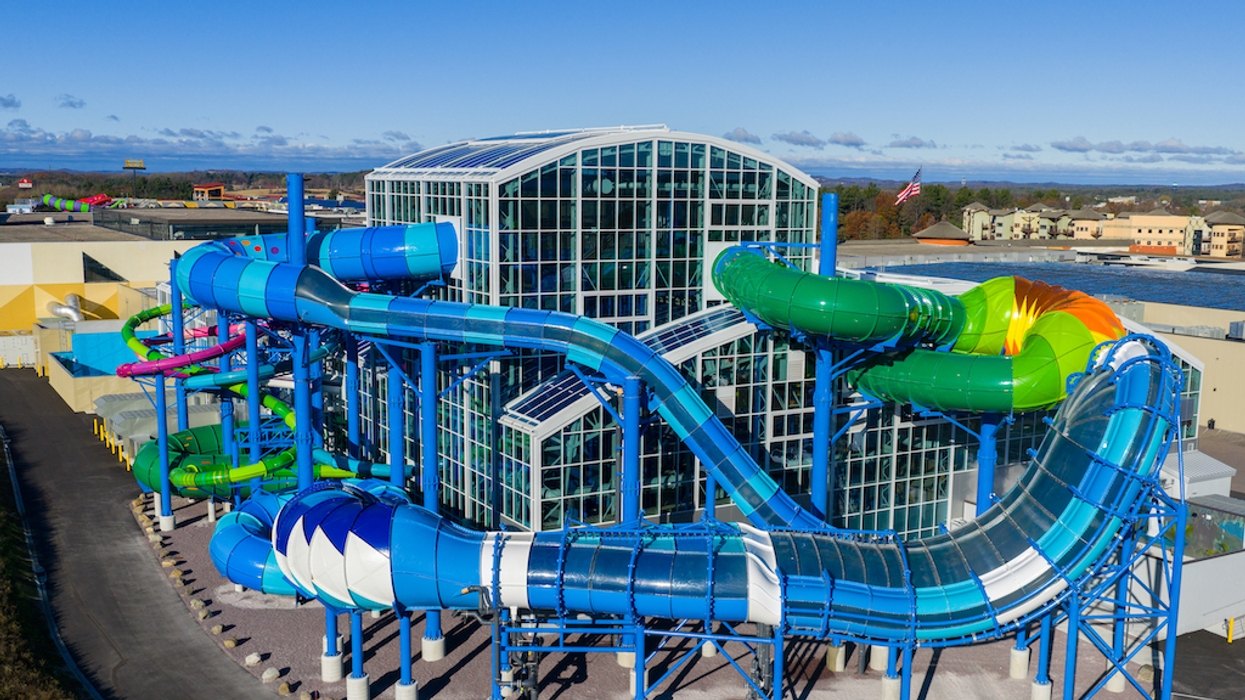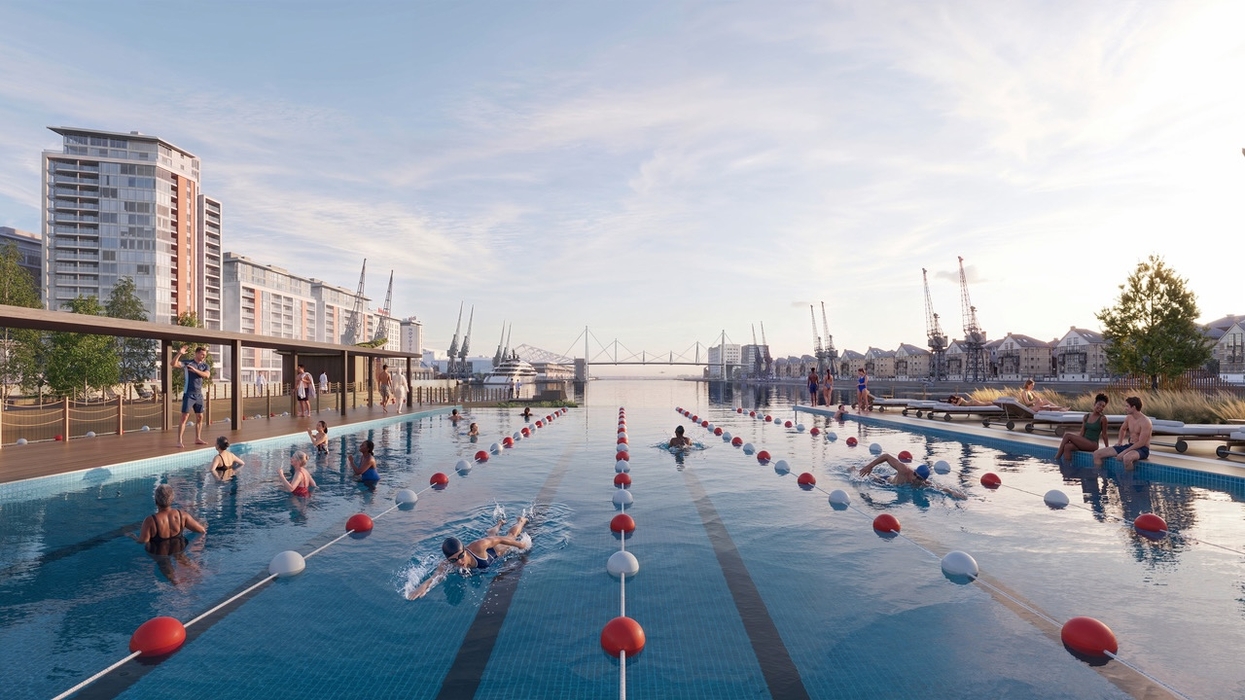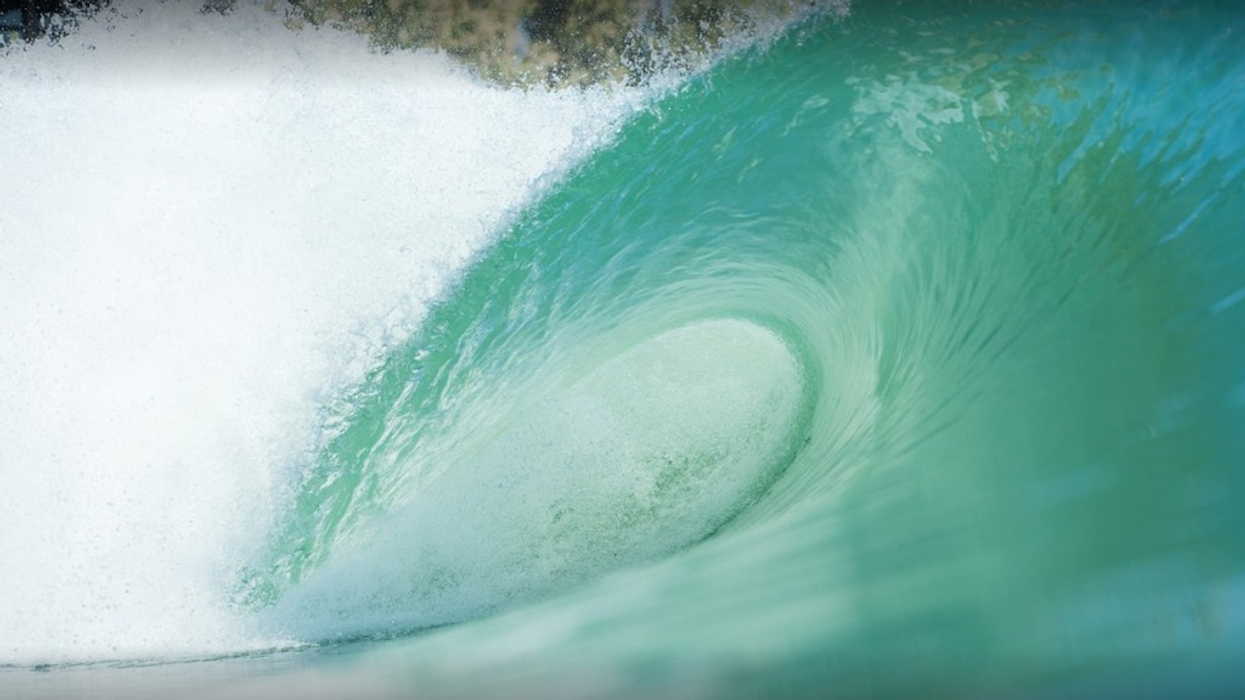

The global attractions and hospitality sectors are in the midst of a structural shift. Across theme parks, mixed-use developments, cultural destinations and luxury resorts, operators are no longer simply building places — they are building worlds.
Physical space is merging with digital narrative, and guest expectations have evolved from passive consumption to active participation.
Within this transformation, one medium is quietly redefining its role: water.
For decades, water has been deployed as spectacle: fountains at the entry plaza, lazy rivers in water parks, decorative lagoons in resort masterplans. Today, it is becoming something far more strategic. Water is emerging as an intelligent interface: responsive, programmable, data-driven and deeply emotional.
As designers and operators look for ways to differentiate in a saturated market, water is uniquely positioned to bridge engineering and storytelling in ways few other materials can.
See also: Engineering ethics: responsibilities, boundaries, and professional integrity
Water as a responsive storytelling platform
Water possesses qualities that no screen or static structure can replicate. It refracts light, carries sound, reflects architecture and movement, and responds visibly to force. It is kinetic by nature. That makes it one of the most expressive tools in immersive design.
But what is changing now is not simply aesthetic ambition; it is technological capability.
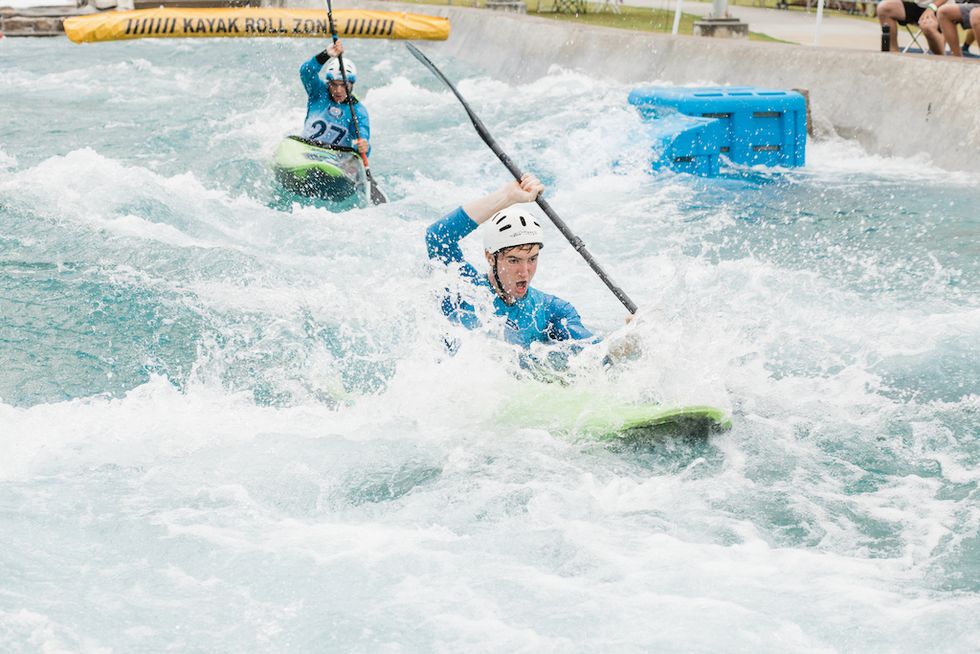 Kayaking at Montgomery Whitewater in Alabama
We are seeing installations where fountains react in real time to human presence. Splash zones shift pattern and color as children cross sensor grids.
Performance lagoons become projection canvases where mist functions as a three-dimensional screen. Augmented reality overlays digital creatures into real water environments, creating hybrid spaces that exist simultaneously in the physical and virtual realms.
In destinations such as Bellagio Fountains, large-scale choreographed water already demonstrates how liquid motion can carry narrative weight. Meanwhile, next-generation immersive zones like Super Nintendo World illustrate how environmental interactivity drives guest engagement beyond traditional ride systems.
The industry trend is clear: guests no longer want to watch magic. They want to activate it.
Water, when engineered correctly, allows them to do exactly that.
Engineering the invisible
What appears effortless to a guest is, in reality, an intricate orchestration of hydraulics, electrical systems, digital control logic and environmental management. As water transitions from decorative feature to interactive infrastructure, the technical demands increase exponentially.
Precision hydraulics
Modern interactive water systems rely on high-speed solenoid valves, digitally modulated pumps and finely tuned pressure manifolds.
These components must respond in milliseconds to inputs from sensors, media servers or control software. The system must produce arcs, bursts, laminar streams or atomized mist with consistency, even under variable load and high guest traffic.
Hydraulics are no longer static. They are dynamic instruments, calibrated to perform choreography.
Integrated controls
Lighting protocols such as DMX and Ethernet-based systems are now tightly integrated with mechanical operations. The choreography between water, light and audio must account for latency, signal translation and redundancy.
Even fractions of a second of delay can disrupt the illusion of seamless motion.
As immersive attractions borrow from show control methodologies traditionally reserved for ride systems, water features are increasingly integrated into centralized control ecosystems.
Water quality under interaction
Unlike ornamental fountains, interactive environments experience continuous physical contact. That raises the bar for filtration, turnover rates and automated treatment.
Advanced systems now incorporate real-time chemical monitoring, ozone and UV sterilization, and adaptive dosing mechanisms that respond to bather load and environmental conditions.
The result is not just compliance — it is operational resilience.
Embedded safety
Electrical isolation, grounding systems, anti-slip surfaces and code compliance must coexist invisibly within these environments.
As water and digital infrastructure converge, cross-disciplinary collaboration between engineers, architects and creative technologists becomes essential.
When executed well, the guest never sees the complexity. They only feel wonder.
From feature to platform: the next generation
The most significant shift is conceptual. Water is no longer a feature. It is becoming a programmable platform.
Consider the implications:
- Gamified environments: RFID wearables and mobile integrations allow guests to trigger water responses, compete in team challenges, or unlock environmental effects. The space itself becomes the game engine.
- Personalized resort experiences: Biometric inputs, playlist integrations or guest preference data could influence pool lighting, jet intensity or hydrotherapy sequences, turning aquatic space into adaptive wellness architecture.
- Urban interactive plazas: Public water installations can respond to crowd density, ambient sound or weather data — transforming civic infrastructure into living environmental art.
- AI-driven optimization: Predictive analytics can adjust pump speeds, filtration cycles and lighting output based on usage patterns, reducing wear while enhancing performance reliability.
Many of these applications are already technically achievable. The barrier is no longer technology; it is vision and cross-sector coordination.
Sustainability as strategic imperative
As experiential complexity increases, so too must environmental accountability. Water is both emotive and resource-intensive. Designing responsibly is not optional; it is foundational.
Variable-speed drives and intelligent recirculation dramatically reduce energy demand. Precision metering minimizes water loss. LED and fiber-optic systems expand creative flexibility while lowering power consumption. Modular infrastructure enables phased upgrades instead of wholesale replacement.
Importantly, digital integration can enhance sustainability rather than undermine it. AI-enabled monitoring can reduce chemical overuse, optimize turnover rates and detect inefficiencies before they escalate.
The most successful installations of the coming decade will not simply be spectacular; they will be measurably efficient.
Why this matters for the industry
The attractions sector is competing for time, not just ticket sales. Guests compare theme parks with gaming ecosystems, immersive exhibitions, esports arenas and mixed-reality experiences. Static environments struggle to compete with responsive digital platforms.
Water offers a bridge.
It anchors experience in the physical world- tactile, sensory, communal- while embracing the logic of interactivity that defines contemporary entertainment. It creates shared moments that feel both technological and elemental.
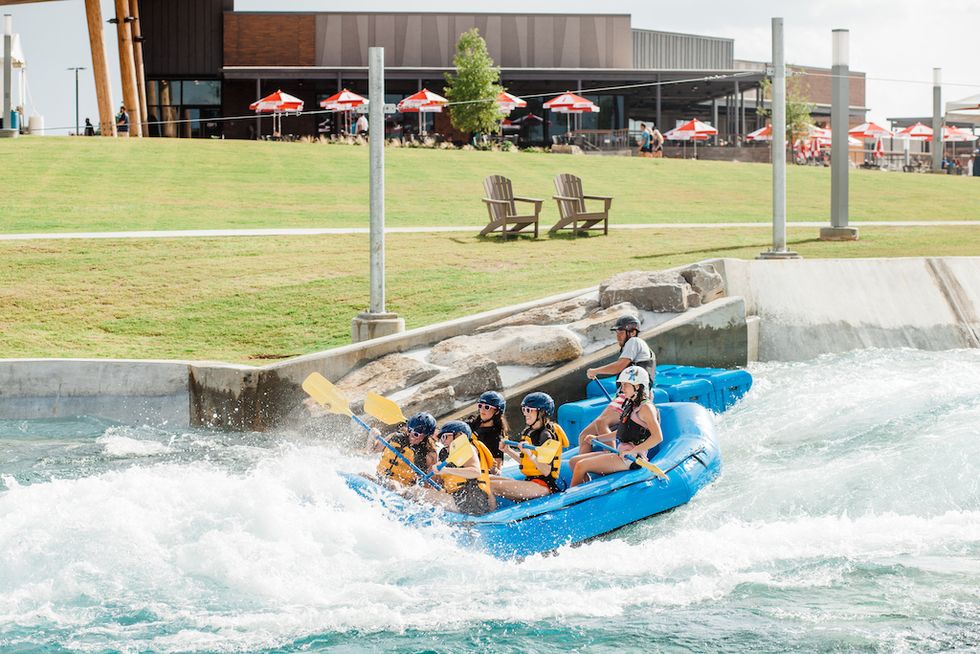 Rafting experience at Montgomery Whitewater in Alabama
For firms such as Cloward H2O, this convergence represents more than project evolution. It reframes aquatic engineering as experiential infrastructure. Pumps, valves and filtration systems are no longer back-of-house utilities; they are the unseen drivers of narrative.
The opportunity ahead for developers, operators and designers is significant. Those who treat water as a programmable, data-informed storytelling medium will unlock new forms of engagement. Those who continue to treat it as static décor risk missing one of the most powerful experiential tools available.
Engineering emotion
At its core, this movement is not about novelty. It is about emotional resonance.
Water commands attention because it is alive. When it listens, responds and performs in harmony with human presence, it creates connection. The most advanced systems are invisible in operation yet unforgettable in impact.
As the industry moves deeper into immersive design, the question is no longer whether water can be interactive. It is whether we are prepared to treat it as the strategic medium it has become.
The splash was only the beginning.