

Engineering is a profession grounded in trust. Engineers are entrusted with designing systems, structures, and solutions that directly impact public safety, economic value, and quality of life.
Because of this responsibility, ethical conduct is not optional; it is foundational. Ethical engineering ensures that decisions are made not for personal gain, but for the benefit of clients, the public, and the profession as a whole.
These principles are formally reflected in the National Society of Professional Engineers Code of Ethics, which establishes the fundamental obligation of engineers to hold paramount the safety, health, and welfare of the public.
While this article presents these responsibilities in a practical, client-focused context, they are grounded in widely recognized professional standards.
Safety and public welfare
Safety is the highest ethical obligation in engineering.
Every design, calculation, and recommendation must prioritize the well-being of the public and end users. Cutting corners, ignoring known risks, or prioritizing cost savings over safety is a violation of professional duty.
Engineers must also be willing to speak up (internally or publicly) if they identify unsafe practices or conditions. Silence in the face of danger is itself unethical.

Beyond immediate safety, engineers carry a broader responsibility to the environment and to future generations. Ethical engineering requires consideration of long-term impacts, including environmental sustainability, resource use, and the potential consequences of failure over time.
Designs should aim to minimize harm, reduce waste, and avoid creating future liabilities for society.
Competence and professional development
Competence is non-negotiable. Engineers should only undertake work within their area of expertise and must recognize the limits of their knowledge.
When a project requires skills beyond their competence, they should seek qualified collaborators, refer the work, or decline the project altogether. Accepting work without the ability to perform it properly places both clients and the public at risk.
In addition to all these responsibilities, engineers must remain committed to continuous improvement.
The field evolves constantly, and maintaining competence requires ongoing learning, adaptation, and adherence to current standards and best practices.
Honesty, transparency, and communication
At its core, engineering ethics demands honesty, transparency, and accountability.
Engineers must present their qualifications truthfully and avoid overstating their capabilities. Claiming to be the only individual or firm capable of completing a project is misleading and undermines fair competition. Engineering is a collaborative and evolving field, no single entity holds a monopoly on knowledge or skill.
Ethical professionals recognize this and respect the broader community of practitioners.

Transparency in communication is essential.
Ethical engineers clearly explain assumptions, limitations, uncertainties, and risks. They do not present estimates as guarantees or obscure important details that could affect decision-making. If errors are discovered, they must be disclosed promptly and corrected.
Trust is built not on perfection, but on honesty.
Engineers must also avoid overpromising. Unrealistic timelines, exaggerated performance claims, or guarantees that cannot be assured may win projects in the short term but ultimately damage trust and outcomes.
Ethical engineers set realistic expectations and deliver based on sound judgment.
Client responsibility and professional independence
Engineers are service providers, not gatekeepers. Their role is to guide clients toward informed decisions, not to control or restrict options for personal or organizational advantage.
Ethical engineers provide clear explanations, present alternatives when appropriate, and respect the client’s right to make final decisions. They avoid creating unnecessary dependency or implying that only they can maintain or operate a system.
A critical ethical boundary involves conflicts of interest, particularly in relationships with equipment suppliers and vendors.
Engineers and engineering firms must not engage in arrangements where they specify certain equipment, artificially inflate its cost, and receive financial incentives or “kickbacks” in return.
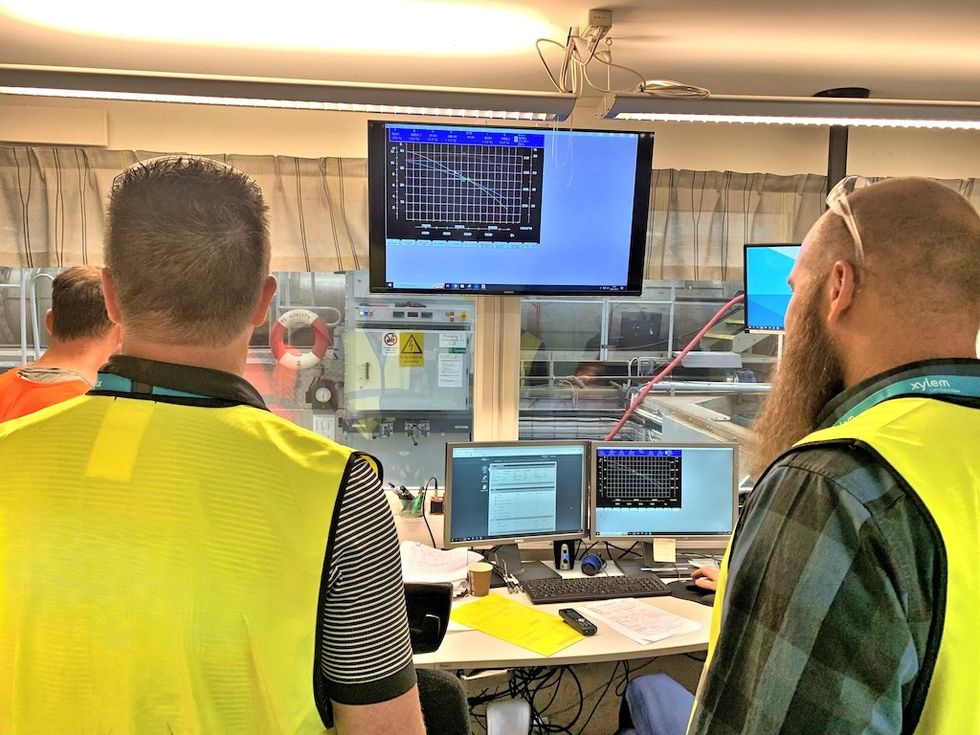
This practice compromises objectivity and shifts decision-making away from what is best for the client.
Equipment and materials should always be selected based on performance, reliability, cost-effectiveness, and suitability, not hidden financial benefits. Transparency in procurement decisions is essential to maintaining trust.
Engineers must maintain independence in their professional judgment. While they serve clients and employers, their technical decisions must not be influenced by pressure that compromises safety, quality, or integrity.
If a client or stakeholder pushes for a solution that is unsafe or fundamentally flawed, the engineer has a duty to refuse, clearly communicate the risks, and document their concerns.
Fair competition and integrity
Fair competition and professional respect are also central to ethical engineering.
Engineers should compete based on merit, qualifications, and value, not through deception or manipulation. Misrepresenting competitors, engaging in predatory pricing, or undermining others through dishonest means erodes the integrity of the field.
Accountability and professional conduct
Accountability is a defining characteristic of ethical practice.
Engineers must stand behind their work, take responsibility for outcomes, and actively participate in resolving issues when they arise. Deflecting blame or avoiding responsibility undermines both the profession and public confidence.
Thorough documentation is an often-overlooked ethical responsibility.
Engineers must maintain clear, accurate, and complete records of their designs, calculations, decisions, and changes. Proper documentation ensures transparency, supports accountability, and provides a reliable foundation if questions or issues arise later.
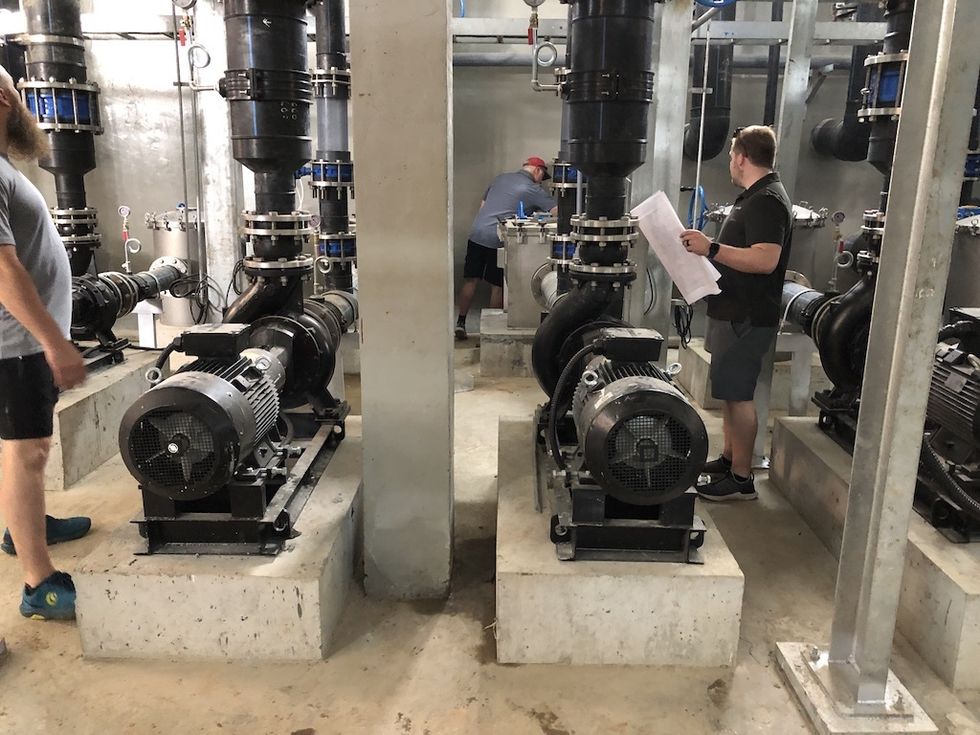
Confidentiality and respect for intellectual property are key ethical principles. Engineers must protect sensitive client information and avoid using it for personal gain or competitive advantage. At the same time, they must give proper credit for the work of others and avoid plagiarism or misrepresentation.
In some situations, ethical responsibility requires courage. Engineers may encounter practices that are unsafe, dishonest, or harmful. In such cases, they have a duty to raise concerns, report issues through appropriate channels, and, if necessary, act as whistleblowers.
While this can involve personal and professional risk, protecting the public and maintaining integrity must take precedence.
Engineering decisions often affect diverse communities, and ethical practice includes awareness of social and cultural impacts. Engineers should consider how their work influences different groups, strive for equitable outcomes, and respect the needs and values of the communities they serve.
Engineering ethics in practice: what clients should expect
For clients, engineering ethics should not be abstract; it should be visible in how services are delivered. When hiring an engineer or engineering firm, clients should expect a professional relationship built on clarity, fairness, and trust.
Clients should expect clear and honest communication about scope, cost, and limitations.
An ethical engineer explains not only what they are doing, but why they are doing it, and what the tradeoffs are. Multiple options should be presented when appropriate, allowing the client to make informed decisions rather than being steered toward a single predetermined solution.

Pricing should be transparent. Costs should be broken down in a way that makes sense, without hidden markups or bundled items that obscure where money is going.
Engineers should disclose any relationships with vendors or suppliers and demonstrate that equipment selections are made objectively.
Clients should also expect documentation they can review and retain, including drawings, specifications, and key calculations where appropriate. They should never feel excluded from understanding their own project.
Above all, clients should expect their engineer to act in their best interests, balancing safety, performance, cost, and long-term value.
Red flags clients should watch for
Just as important as knowing what to expect is recognizing warning signs of unethical or low-quality engineering practice.
Clients should be cautious if an engineer claims exclusivity, suggesting that only they can perform the work or maintain the system. This often indicates an attempt to create dependency rather than provide service.
Other red flags include refusal to provide alternatives, pushing specific equipment without a clear technical justification, or presenting vague, bundled pricing that hides true costs.
Resistance to third-party review or peer input is another concern, as ethical engineers are confident in transparent evaluation.
Overly complex solutions that do not clearly improve performance or value may indicate overengineering (adding cost without benefit). A lack of proper documentation, including stamped drawings where required, is also a serious warning sign.
Ethical engineering in aquatics: specialized responsibilities
Aquatics engineering (covering pools, waterparks, splash pads, and surf parks, lagoons, etc.) introduces unique ethical and technical challenges.
These environments combine water, mechanical systems, and direct public interaction, making safety and reliability absolutely critical.
Ethical aquatics engineers prioritize life safety above all. This includes proper hydraulic design to prevent suction entrapment, the use of compliant drain systems with redundancy, and adherence to all applicable safety standards and codes.

Water quality is another central responsibility.
Engineers must design filtration, circulation, and chemical treatment systems to maintain safe, healthy water conditions. These systems must not only function on paper but also be practical for real-world operation.
Code compliance is non-negotiable. Aquatics engineers must be familiar with local health regulations, building codes, and industry standards to ensure designs meet or exceed all requirements.
Maintainability is equally important. Systems should be designed so that facility operators can realistically maintain them without excessive cost or complexity. Overly complicated automation or specialized equipment that requires constant intervention is often a sign of poor design.
Coordination is also essential. Aquatics systems interact with structural, architectural, and mechanical components. Ethical engineers work collaboratively to prevent conflicts that can lead to costly construction issues or operational failures.
What clients should look for in an aquatics engineer
Selecting the right aquatics engineer requires more than checking credentials. Clients should look for demonstrated experience specifically in aquatics projects, not just general engineering work.
A qualified aquatics engineer should be able to clearly explain system design, including hydraulics, filtration, and safety features, in a way that is understandable without specialized knowledge.

They should offer multiple design approaches when appropriate and be transparent about the reasoning behind equipment selection.
Clients should also look for designs that balance cost, performance, and long-term maintenance. The best solution is not always the most expensive or the most advanced; it is the one that reliably and sustainably meets project goals.
Aquatics engineering red flags
In aquatics projects, certain warning signs are particularly important. Specifying only one brand of pumps, filters, or control systems without clear justification may indicate bias or financial conflict.
Bundling design services with equipment sales in a way that obscures pricing can hide profit structures that are not aligned with client interests. Oversized systems or unnecessarily complex designs often increase cost without improving performance.

Ignoring input from operators, such as maintenance staff or facility managers, is another red flag, as these individuals understand the day-to-day realities of system use.
Designs that are difficult to maintain or operate will create long-term problems regardless of how well they perform initially.
Finally, insufficient attention to safety systems, especially those related to suction and circulation, is unacceptable in aquatics engineering.
Questions clients should ask before hiring an aquatics engineer
To ensure a strong and ethical partnership, clients should ask direct and practical questions during the selection process:
- Can you provide examples of similar aquatics projects you have completed?
- Will you present multiple design options and explain the tradeoffs?
- Do you have any financial relationships with equipment suppliers?
- How do you ensure safety and compliance with all applicable codes?
- How will this system be maintained over time, and what will it cost to operate?
- Can this design be built and serviced by multiple contractors?
The answers to these questions will reveal not only technical competence, but also the engineer’s commitment to ethical, client-centered practice.
See also: Montgomery Whitewater: creating a new outdoor lifestyle destination
Conclusion
Ethical engineering is the foundation of trust between engineers, clients, and the public. By avoiding conflicts of interest, maintaining transparency, prioritizing safety, and delivering real value, engineers fulfill their responsibility to those they serve.
For clients, understanding these principles provides the tools to make informed decisions and demand the level of service they deserve.
In specialized fields like aquatics engineering, where safety and public health are directly at stake, this alignment between ethical practice and client awareness is essential.
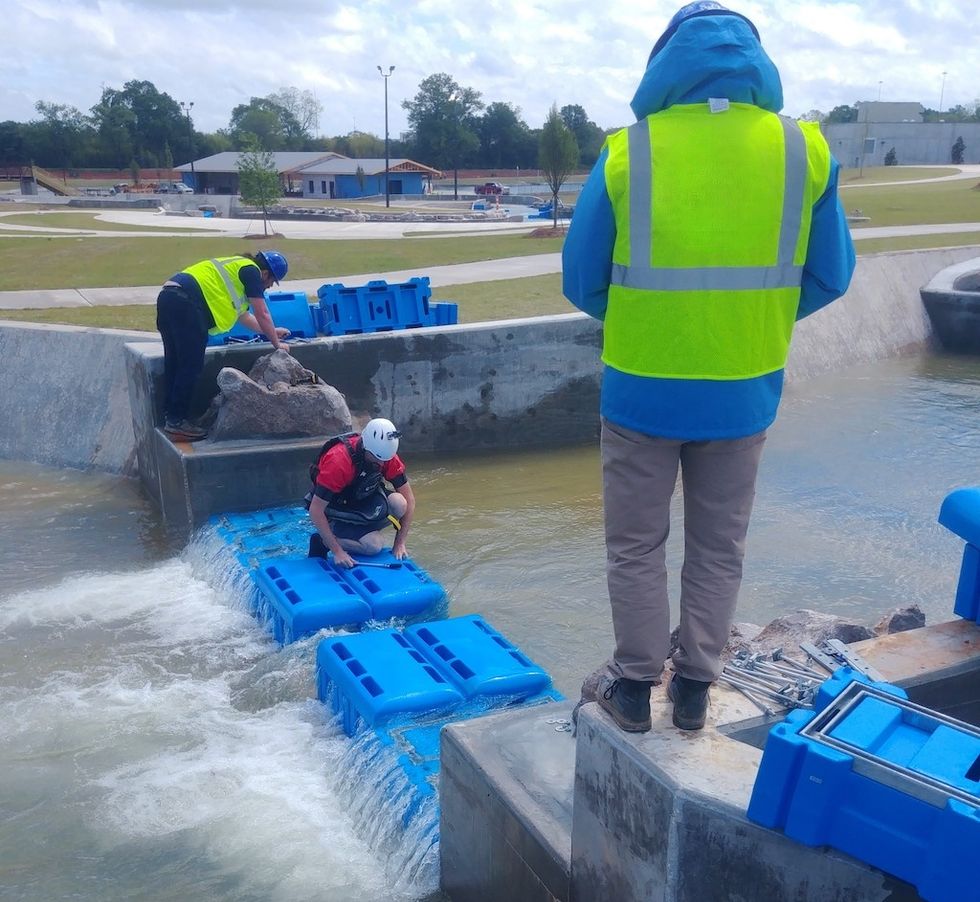
When both engineers and clients uphold these standards, the result is not only better projects, but a stronger, more accountable profession.
The ethical principles outlined throughout this article are not subjective; they are grounded in established professional standards. Many of these expectations are formally defined in the National Society of Professional Engineers Code of Ethics for Engineers, which serves as a foundational guideline for professional conduct across the industry.
The NSPE Code addresses core responsibilities, including public safety, conflicts of interest, truthful communication, professional competence, and the obligation to act as a faithful agent to clients.
While this article focuses on real-world applications, particularly within aquatics engineering, the underlying standards apply broadly across all engineering disciplines.
For full reference, the NSPE Code of Ethics can be reviewed here.