
Cloward H2O, an expert in aquatic design, has shared insights into what makes a successful design strategy for interactive water play zones, often called splash pads or spray decks. These are transforming how communities create playful, engaging outdoor spaces for children.
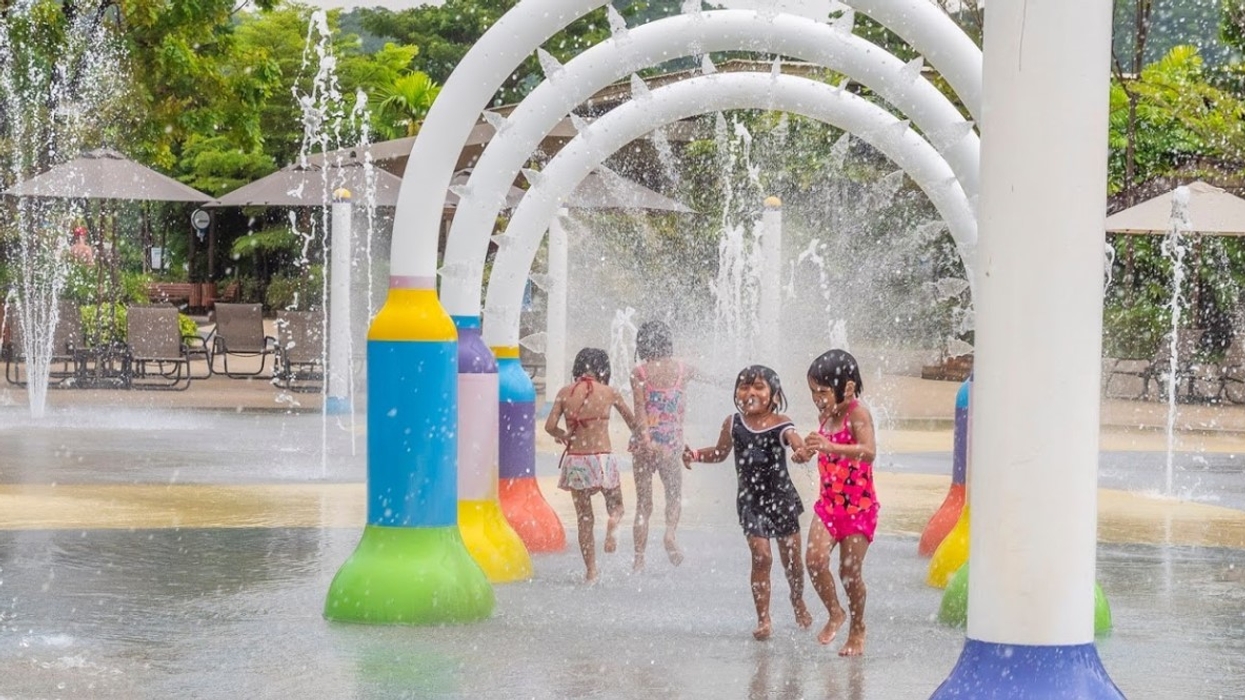
Water play environments do more than provide relief from the heat: they are immersive, multi-sensory spaces that invite exploration, social interaction, and active play.
However, to create places that are as joyful as they are functional, landscape architects must balance creative expression with rigorous technical planning, inclusive design, and long-term performance.
Water engineering meets aesthetic vision
At the core of every successful splash pad lies sophisticated aquatic engineering, explains Cloward H2O:
"Beneath that exuberant choreography of jets and sprays is a carefully sized network of pumps, pipes, recirculation tanks, and treatment systems that must be seamlessly integrated into the design.
"Working alongside aquatic engineers, landscape architects have a unique opportunity to turn necessary infrastructure into visual and narrative assets rather than visual obstacles."
A thoughtful design strategy can weave mechanical elements into the design language by concealing access hatches and equipment within sculptural landforms, custom seating, or thematic features, making them feel like part of the story rather than disruptions.
A narrative, whether inspired by fairy-tale rivers, ancient springs, marine voyages, desert oases, or abstract colour fields, can guide the placement of water features, paving motifs, and connections to the surrounding landscape.
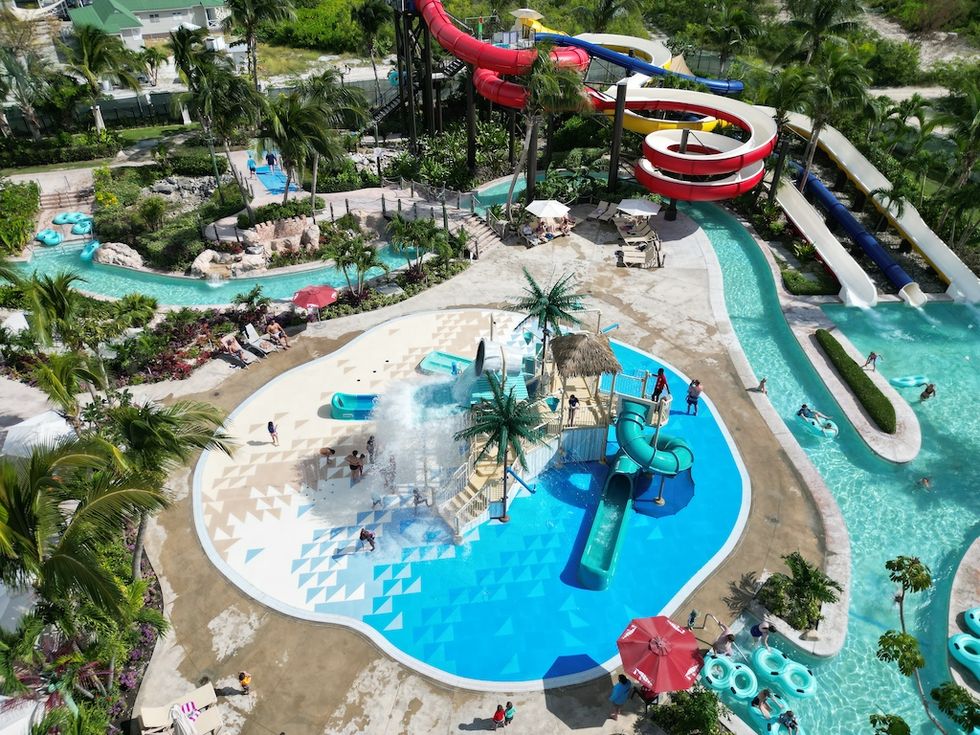 Beneath any interactive water play area is a carefully sized network of pumps, pipes, recirculation tanks, and treatment systemsImage courtesy of Cloward H2O
These thematic threads help children and caregivers intuitively understand where to play, rest, or explore next, the firm shares.
Sensory details can also enrich the experience. Water in motion is inherently multi-sensory, and carefully choreographed jets that vary in tempo, gentle misting sprays in shaded pockets, and reflective surfaces that catch shifting sunlight engage sound, sight, and touch.
Prioritising safety and inclusion
Safety underpins every design decision in interactive water play zones, from surfacing materials to circulation patterns and spatial sequencing.
"While non-slip surfaces are a baseline requirement, selecting and detailing those surfaces demands deep attention to how they perform over time and across diverse weather conditions," adds Cloward H2O.
For the team, key strategies include using robust, slip-resistant surfacing, such as textured concrete, EPDM rubber, or durable specialised tiles, to help prevent falls while meeting drainage and maintenance needs.
A carefully planned layout with adequate buffers around high-intensity jets and dynamic features can reduce collisions and support predictable circulation through play zones.
Environmental comfort features, including shade structures, trees, and plantings, can reduce heat exposure while also acting as windbreaks and visual buffers that define play areas and mitigate overspray.
"True inclusivity extends well beyond compliance," the company says.
"It means creating spaces where children and caregivers of all abilities can participate, explore, and delight together. Universal design should inform every phase of planning."
This includes multisensory engagement, with features at varying heights and intensities that allow children with different physical and sensory needs to find their place in play.
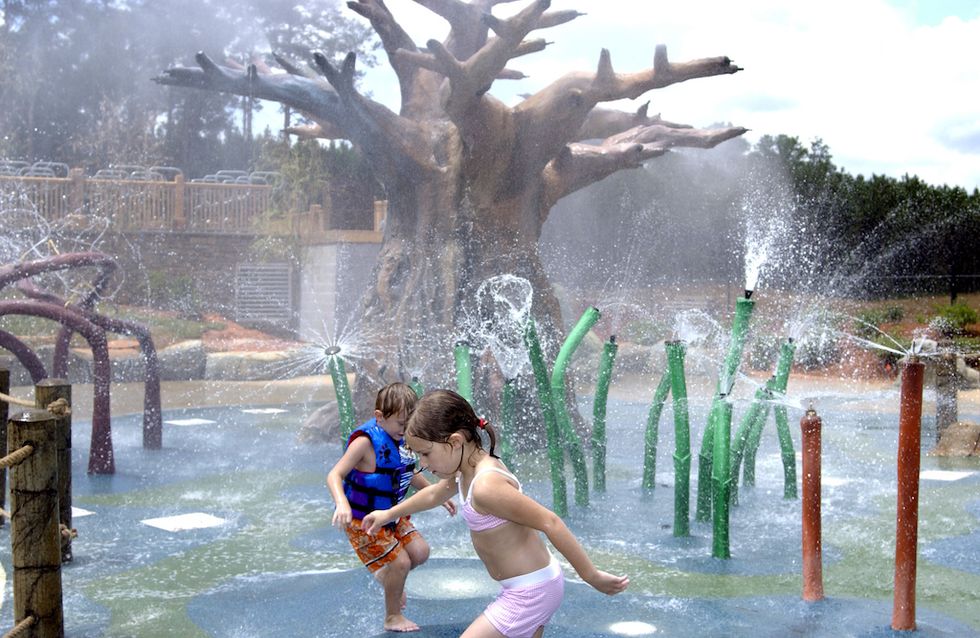 Inclusive design allows families and groups to play togetherImage courtesy of Cloward H2O
Wide pathways without abrupt level changes, tactile cues for people with low vision, and shaded rest areas set apart from high-activity zones support clear, accessible circulation.
Shaded seating and thoughtful planting buffers create quiet enclaves where children and adults can take a break from active play or find respite when feeling overstimulated.
"Inclusive design also strengthens community value, turning splash pads into gathering places that families, caregivers, and friends can enjoy together rather than separate pieces of infrastructure."
Environmental and operational resilience
Finally, integrating water play zones within the broader landscape encourages ecological stewardship and long-term performance.
Cloward H2O recommends integrating stormwater management with site ecology. Features such as bioswales and permeable paving can manage runoff while also serving as playful elements, channelling gentle water flows during wet months. Native, drought-tolerant plants reduce irrigation needs and frame focal water features.
To keep the space vibrant and safe year-round, choose durable materials resistant to UV exposure and chemicals, provide modular access to mechanical systems, and keep maintenance pathways clear.
Interactive water play areas are an investment in community life. They should captivate children now and continue to serve the community for years to come.
Effective design accounts for shifting use patterns, changing accessibility needs, and future improvements without expensive renovations. Collaboration among designers, operators, and community members helps create facilities that are efficient to run, financially sustainable, and valued by their users.
"In designing these water play environments, we tap into the deep power of water not only to cool and entertain but to connect, to teach, and to inspire wonder," says the team at Cloward H2O.
"When every engineering decision, material choice, and design gesture aligns with a clear vision for how children move, learn, and play, these spaces become far more than splash pads; they become cherished landmarks of community imagination and joy."
The company recently shared how it created interactive splash pads for the cities of Bountiful and Millcreek in Utah, US. Both projects deploy a 'Faux DMX (Digital Multiplex)' approach to provide an accessible, cost-effective alternative to the traditional DMX systems often used in premium light and water shows.