The opening of the Lucas Museum of Narrative Art in Los Angeles brings a different approach to museum collecting and interpretation, placing illustration, comics, photography and cinema alongside more traditional forms of fine art.
Located in Exposition Park in South Los Angeles, the museum was founded by George Lucas and Mellody Hobson. Its 300,000-square-foot building, designed by Ma Yansong of MAD Architects, sits within a landscaped public space designed by Mia Lehrer and Studio-MLA.
Opened to the public on 22 September 2026, the museum brings together a collection spanning multiple forms of visual storytelling, with an inaugural programme designed to explore the connections between them.
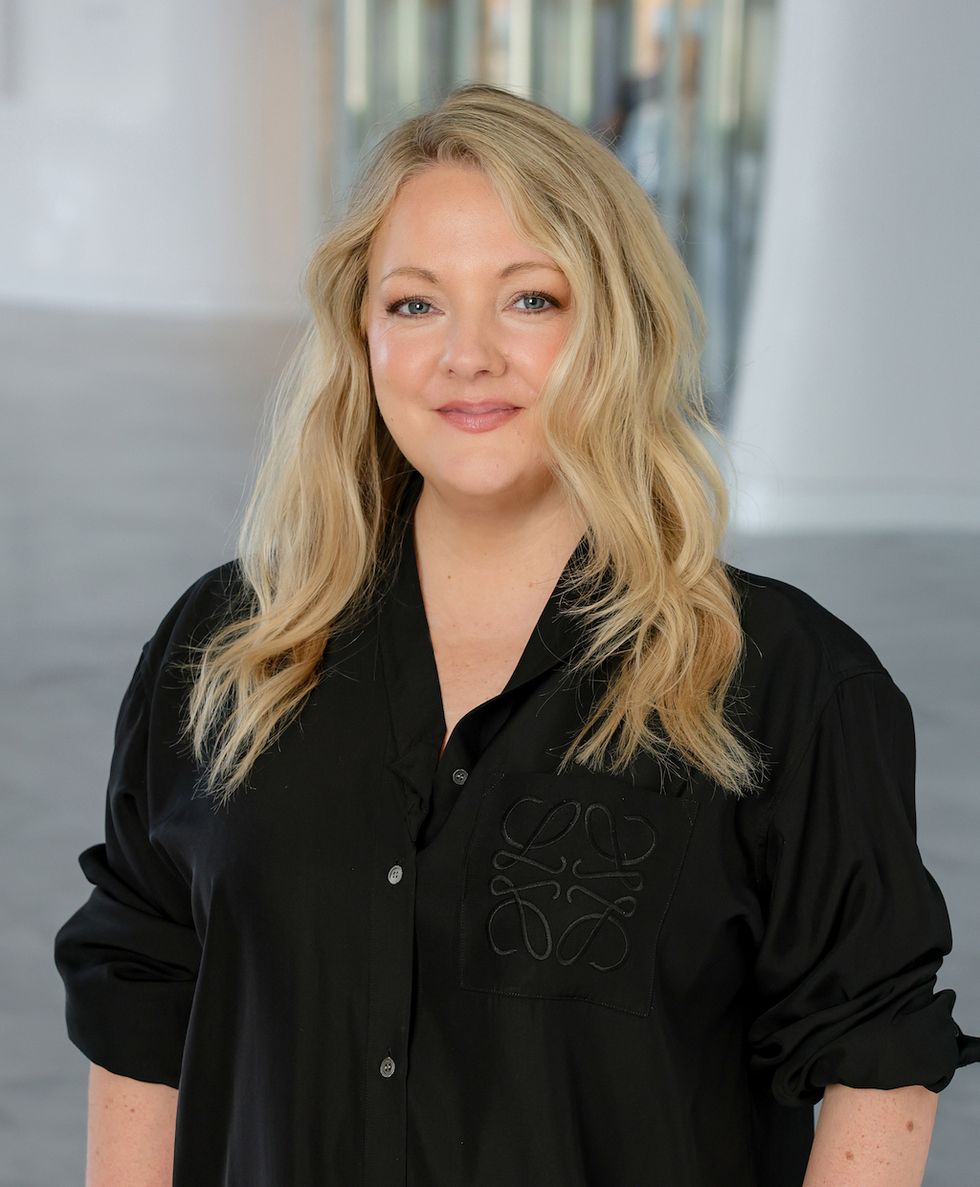
Tracey Bates, CEO of the Lucas Museum of Narrative Art
Image courtesy of the Lucas Museum of Narrative Art
As CEO, Tracey Bates oversees the museum's operations and strategic development, working with Lucas, who retains artistic direction. The collection, built over decades, includes more than 40,000 objects.
Bates spent over a decade advising international projects through T&B Consulting. Her background includes commercial operations for the Studio Museum in Harlem, the Royal Ballet & Opera's Open Up Project, and The High Line, as well as advisory roles for MoMA and the National Gallery in London.
She tells blooloop how the museum's approach to narrative art shapes its collection, visitor experience and role in Los Angeles.
Narrative art beyond traditional categories
The museum's collection explores visual storytelling across illustration, comics, photography, film and painting.
By bringing illustration and comics together with painting, photography and film, it challenges traditional distinctions between fine art and forms of visual storytelling often associated with popular culture.
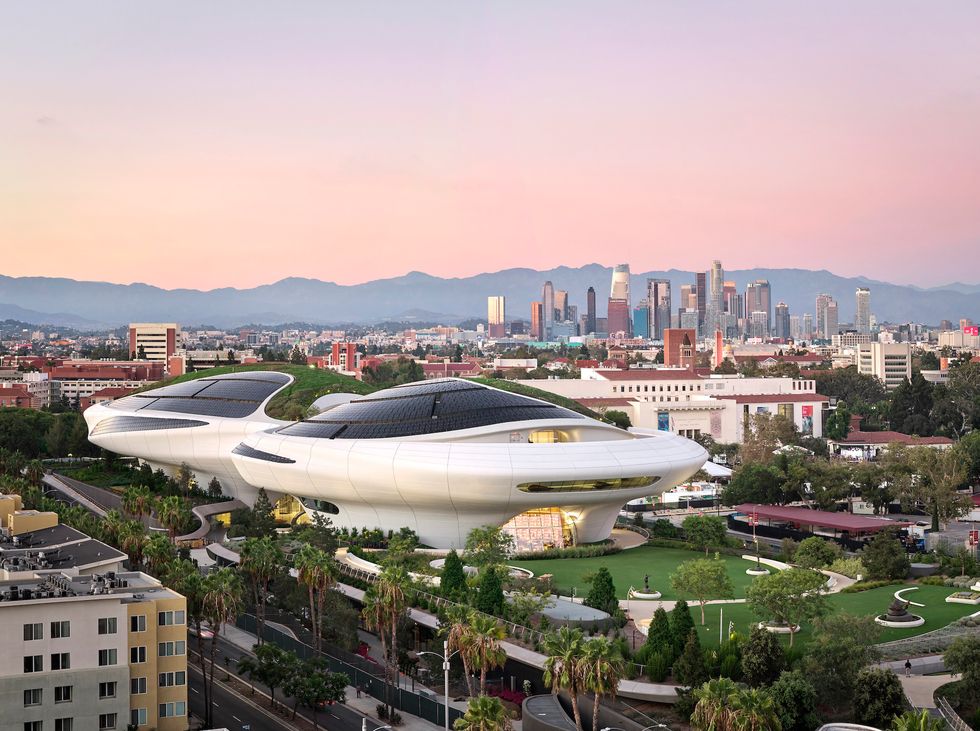 The futuristic Lucas Museum building, designed by designed by Ma Yansong of MAD ArchitectsImage courtesy of the Lucas Museum of Narrative Art, credit Hufton Crow
Asked about the vision driving the institution and its intended contribution to Los Angeles and the wider museum sector, Bates outlines the foundational philosophy:
“The Lucas Museum is devoted to visual storytelling in all its forms: painting, illustration, comics, photography, film and more. At its heart, narrative art is storytelling through images. George has often called it “the people’s art,” because so much of it, like illustration, has been overlooked by museums for a long time.
“For Los Angeles, I hope this becomes a place where people see their own lives reflected, and their imaginations stretched. For the wider museum field, I hope we add to a growing conversation about the many forms art can take and show how much people connect with art forms they already know and love.”
The collection brings together illustrators such as Norman Rockwell, Maxfield Parrish, N.C. Wyeth and Jessie Willcox Smith with paintings by Frida Kahlo and Thomas Hart Benton, comics by Winsor McCay and Alison Bechdel, and photography by Gordon Parks and Dorothea Lange.
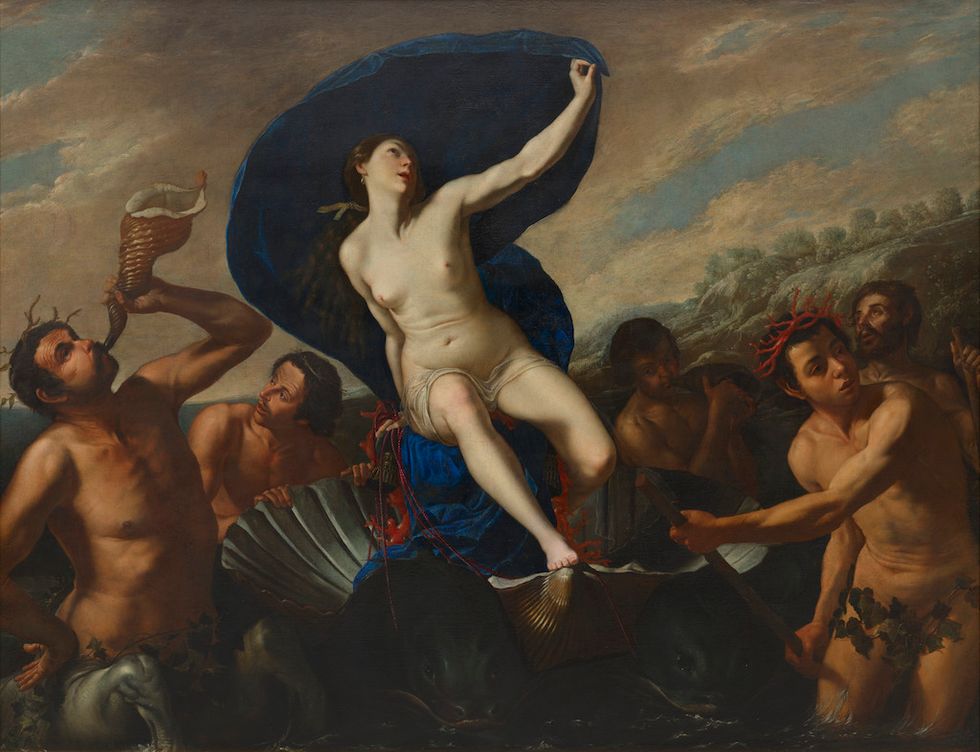
Artemisia Gentileschi and associate, The Triumph of Galatea, mid-17th century. Oil on canvas.
Image courtesy of the Lucas Museum of Narrative Art
The galleries bring works from different media together around shared themes rather than separating them strictly by form.
“Narrative art isn’t defined by medium,” explains Bates. “It’s defined by telling a story visually. A painting, a comic panel and a film still can all speak to the same universal themes: family, community, play, work.
“Putting them under one roof lets visitors see those connections for themselves, and it shows that the stories shaping our culture often come from outside the traditional art canon.”
Galleries are organised around shared human experiences like work, play, family, and community, making the physical medium secondary to the narrative.
Designing for discovery
The scale of the Lucas Museum's inaugural exhibition programme reflects its mandate.
Spread across more than 30 galleries, the museum opens with 18 distinct exhibitions featuring over 1,300 works, covering comics, paintings, photography, murals, manga, anime, architecture and cinema.
The museum aims to make its collection accessible to visitors with different levels of familiarity with art.
Bates says: “We started from a simple belief: everyone already recognises stories in the images that surround them every day. Whether you grew up with comic books, family photographs, movies or murals in your neighbourhood, you already have what you need to connect with this collection."
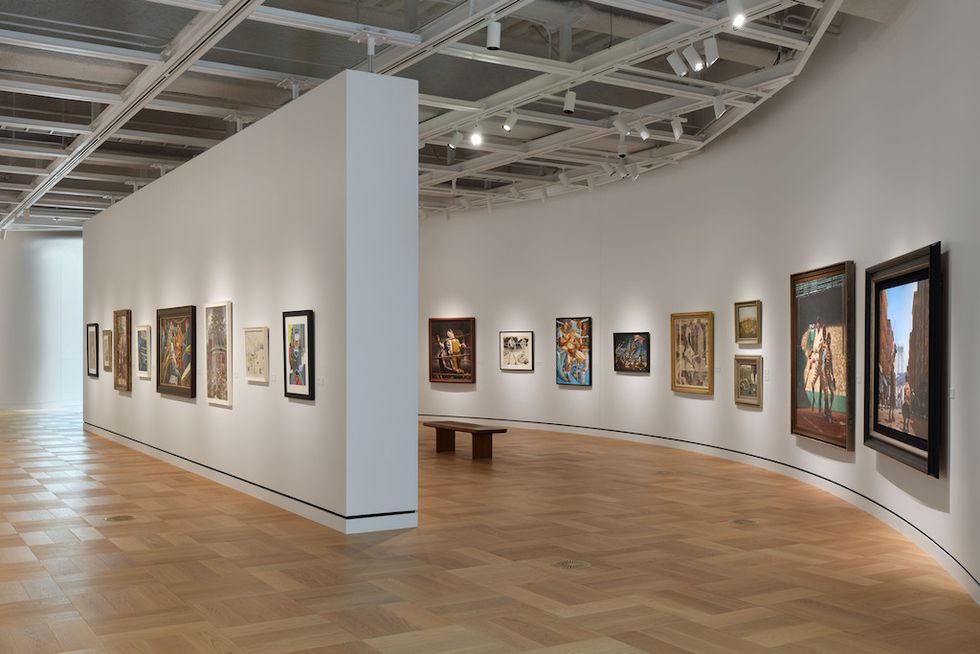
The Lucas Museum of Narrative Art displays its collection across 30 galleries
Image courtesy of the Lucas Museum of Narrative Art, credit Paul Salveson-
“At its core, the museum explores how artists depict the essential myths that help us make sense of the world, the shared stories that give us common values and bring us together as a community.
"In addition to organising our galleries by artist, era or medium, we also organised them by theme, focusing on myths about love, family, community and adventure that connect every generation.”
The museum’s labels are written to be inviting rather than prescriptive, and a digital guide offers layered content, including artist biographies, historical background, and audio commentary, for visitors who want it.
“We want people who may not think of themselves as museumgoers to feel comfortable looking closely, asking questions and making personal connections with the work. Above all, we hope they leave with a sense of belonging and eager to come back.”
Architecture and public space
Designed by Ma Yansong of MAD Architects, the 300,000-square-foot building has a sculptural form set above the surrounding landscape, with elevated galleries and a central plaza.
The surrounding Park and Gardens, designed by Mia Lehrer and Studio-MLA, include pedestrian paths, outdoor seating and planting inspired by California's varied environments.
The landscaping also replaces areas previously used for parking with public green space
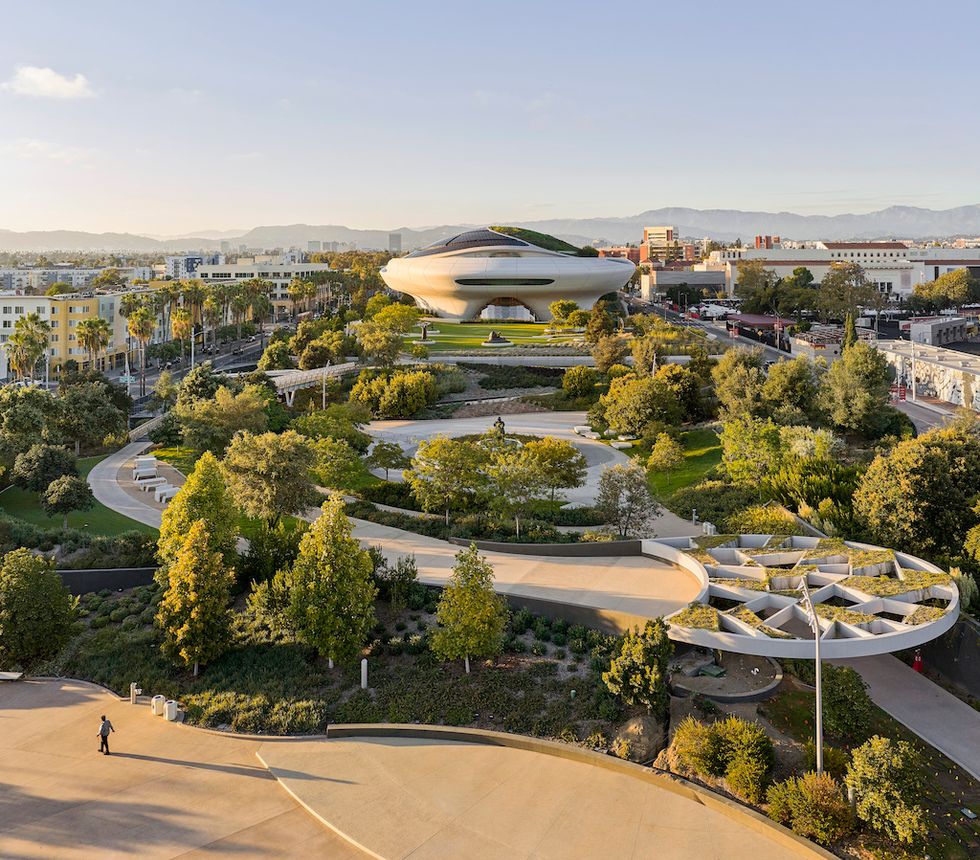
The Park and Gardens include sculptures as well as pedestrian paths, outdoor seating and planting
Image courtesy of the Lucas Museum of Narrative Art, credit Hufton Crow
“The building is a work of art in its own right,” says Bates. “Ma Yansong designed it to spark wonder and curiosity from the moment you arrive, and its sense of movement and openness suits the range of work inside. The design of our outdoor public space was equally important to us.
“Mia Lehrer did a brilliant job of creating a beautiful and inviting area for visitors and our neighbours to enjoy. Our Park and Gardens combine California natives with drought-tolerant plants from other regions, drawing inspiration from the state’s diverse environments.”
The gardens and sculpture areas, featuring works ranging from Star Wars figures to fine art pieces such as Fernando Botero, give visitors additional places to explore and provide public space beyond the museum's galleries.
“The architecture, galleries and gardens are meant to work as one continuous experience: a place to look, gather, learn and be inspired.”
From Star Wars to the wider collection
George Lucas's association with Star Wars and Indiana Jones is likely to draw visitors familiar with his films. However, the museum's collection extends well beyond cinema, bringing film-related objects together with painting, illustration, comics and photography.
Bates says the museum balances popular interest with its broader curatorial mission:
“Few institutions bring together fine art, popular art, comics, illustration, photography, cinema and design the way we do, and treat all of them with equal seriousness. That lets us connect the familiar with the unexpected.
“Someone might come because they love film or Star Wars, which, by the way, is only about 7% of the museum. They might leave with a new appreciation for illustration, photography, or murals. That kind of discovery is what makes us different.”
The museum aims to encourage visitors to explore beyond the works and subjects they already know. Bates says:
“I want people to feel welcome from the moment they walk in. I hope the museum sparks their curiosity and makes them excited to explore. Many of the works will feel familiar, and that’s intentional.
"I think the surprise will be the range. In a single visit, you might see a Norman Rockwell illustration, a comic, an animated short and a vehicle from the world of Star Wars.
“What I’m most looking forward to is visitors discovering how naturally those works speak to one another.”
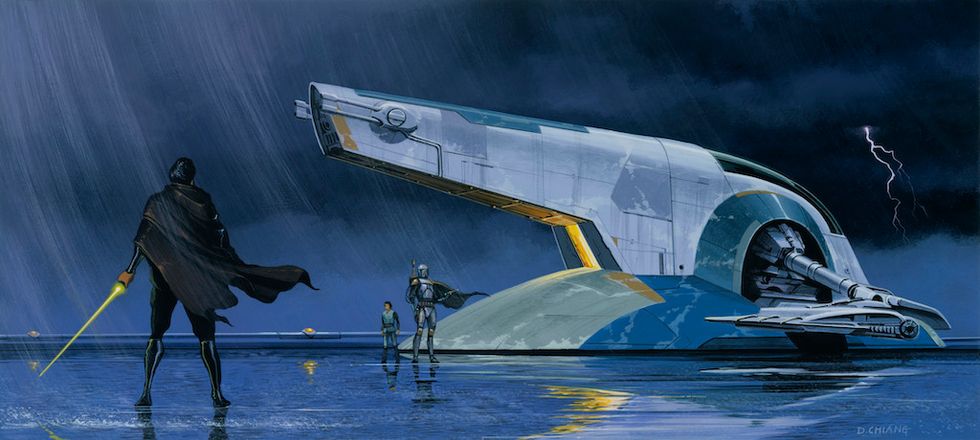
Doug Chiang, Starship Landing Platform, production art for Star Wars: Episode II - Attack of the Clones, 2000-02, Acrylic on board (reproduction)
© & TM Lucasfilm Ltd
The inaugural cinema exhibition, Star Wars in Motion, illustrates this.
Star Wars in Motion explores vehicle design across Lucas's six-film saga, displaying props and concept art including Luke Skywalker's Landspeeder from Episode IV: A New Hope and General Grievous' Wheel Bike from Episode III: Revenge of the Sith. The exhibition also offers an opportunity to examine how design shapes the visual worlds of cinema.
The museum has two cinemas equipped for digital projection and historical film formats.
“Film is narrative art in motion,” says Bates. “Our two theatres let us explore the same ideas visitors find in the galleries, like character, setting, emotion and point of view, through time, sound and movement. They also keep the museum dynamic and give visitors another way to see how stories are made and shared.
“Another unique aspect of our film programme is that both theatres show programming continuously throughout the day, so guests can pop in and watch as little or as much of the programming as they would like and experience our theatres the same way one might explore our other galleries.”
A wider visitor offer
Alongside its galleries and cinemas, the museum offers dining and other amenities that broaden its visitor offer.
The museum's restaurant, Skywalker Grill, was designed by Rockwell Group and is operated by Rhubarb Hospitality Collection, part of Oak View Group Hospitality. Its design takes inspiration from George Lucas's Skywalker Ranch.
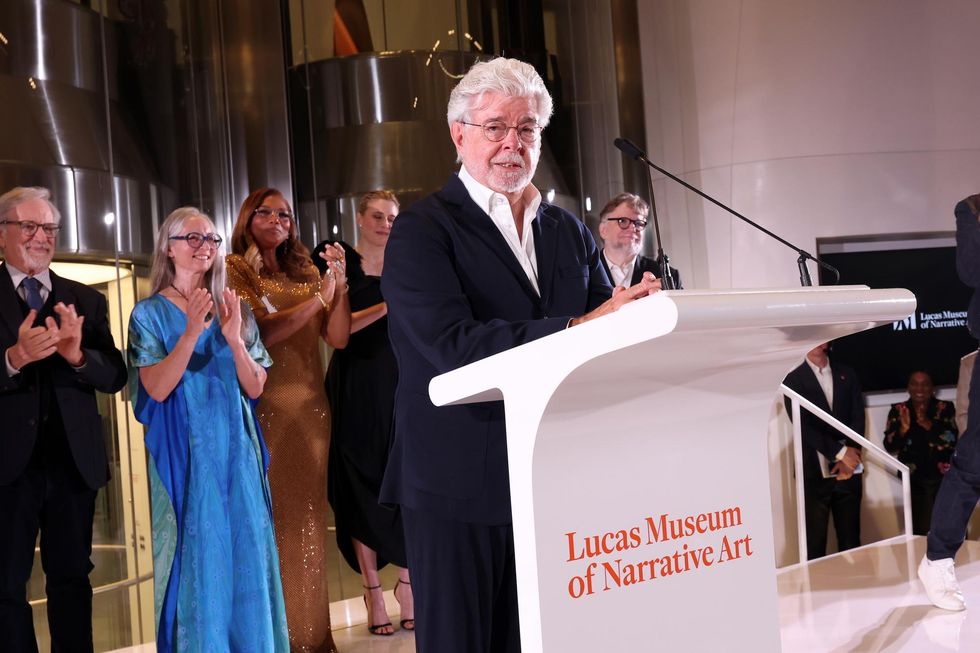
The Lucas Museum of Narrative Art made its debut in Los Angeles with a star-studded opening gala
Image courtesy of the Lucas Museum of Narrative Art
In a press release announcing the restaurant, Bates stated: “Skywalker Grill is a natural complement to the Lucas Museum experience, offering an inviting space for guests to connect over great food and conversation before or after visiting our galleries.
“We are equally excited for it to serve as a destination for Angelenos from across the city to enjoy exceptional hospitality and beautiful surroundings.”
The restaurant's opening hours extend beyond the galleries, allowing it to serve visitors and other diners outside museum hours. Alongside retail, café facilities and private event spaces, it forms part of the museum's wider visitor offer.
Building a relationship with the community
The museum has also sought to build relationships with the South Los Angeles community, including through partnerships with local organisations and initiatives intended to widen access and create employment opportunities.
“The community has been part of this museum from the beginning,” says Bates.
“Over many years, we’ve listened to and partnered with South LA organisations, created job pathways during construction, and launched our LM37 pass, which gives residents of the 90037 zip code free access.
“Our goal isn’t just to bring people to the museum. It’s for the museum to truly belong to the neighbourhood around it.”
Programming for repeat visits
Alongside its permanent collection and cinemas, the museum plans to offer workshops, talks, film retrospectives, live music, and family activities.
“Programming is central to how we bring the museum to life. Visitors can look forward to talks, screenings, workshops and family experiences, as well as live music and food that make the museum a place to gather and linger.
“We’ll be sharing more about our upcoming season soon.”
Bates says the museum's first-year priorities include reaching a broad audience and building lasting relationships with visitors and the local community.
“In the first year, success means people come, feel welcome and want to come back. I’ll be watching whether we’re reaching a broad audience, including families, students, artists, neighbours and first-time museumgoers, and whether the museum feels active and connected to Los Angeles.
“Five or ten years from now, I hope we’ve helped expand how people understand narrative art, given illustrators and storytellers the recognition they deserve, and become known as a place of discovery, creativity and learning.”