
Denmark's new Natural History Museum in Copenhagen has unveiled its eight exhibitions ahead of welcoming visitors on 6 March 2027.
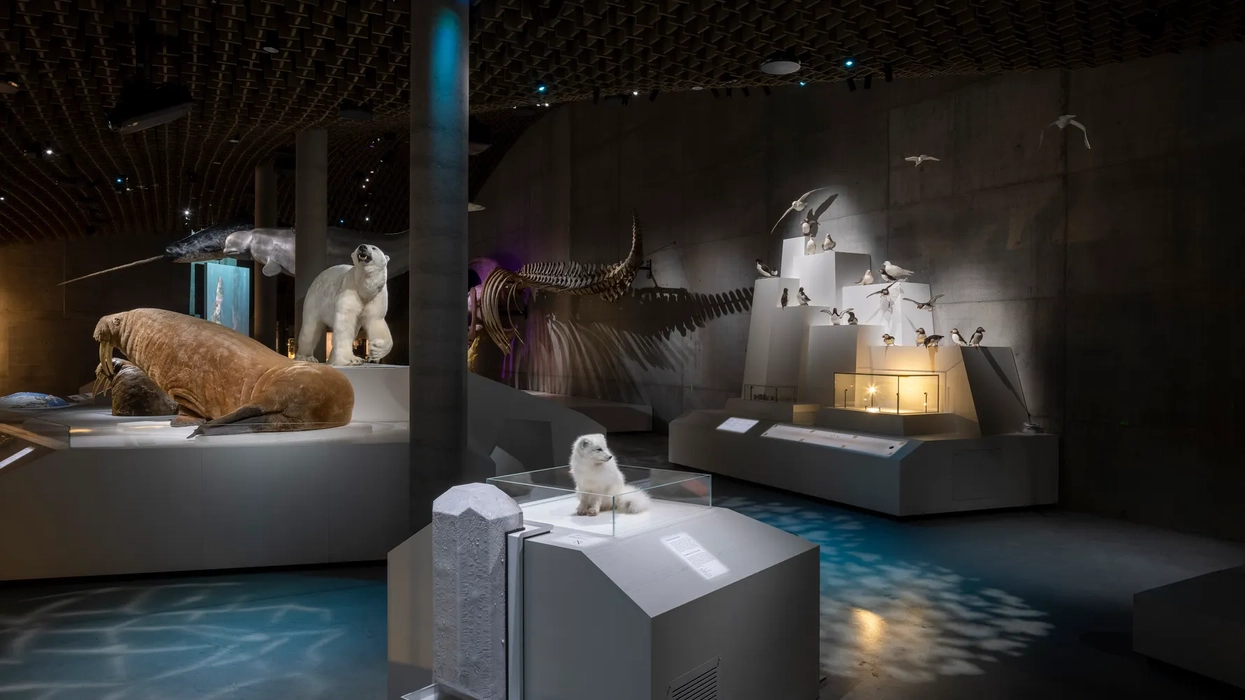
Spanning 6,500 square metres, the museum will feature eight permanent galleries displaying more than 5,000 objects from Denmark's collection of over 14 million natural history specimens.
Titled Universe, Earth, Life, Denmark, Arctic, Biodiversity, Humans and Ocean Hall, the exhibitions will tell the story of nature and life on Earth over the past 4.5 billion years.
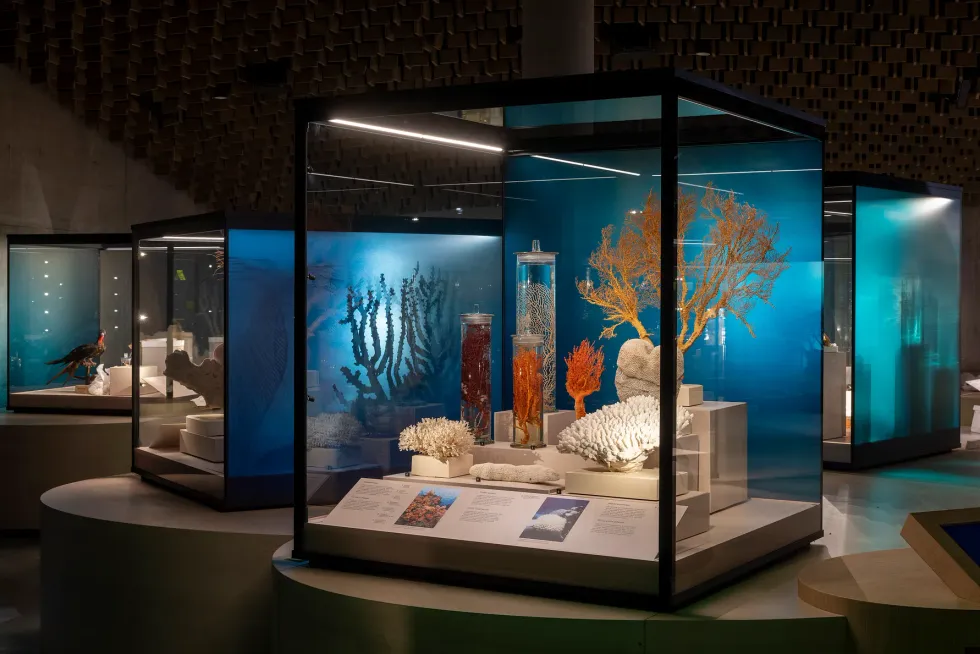 The new Natural History Museum in Copenhagen brings together geology, botany and zoology under one roofNatural History Museum Denmark
Highlights include an enormous Danish blue whale skeleton, a prehistoric giant ground sloth, remains of the extinct human species Homo floresiensis (Flores Man), and the rare Maribo Meteorite, which fell in Denmark in 2009.
"Visitors will experience a journey of discovery through the exhibitions, encountering everything from fossils from Denmark’s distant past and newly discovered species from faraway rainforests to rocks from Isua in Greenland bearing some of the earliest signs of life, said Anders Drud Jordan, deputy museum director of exhibitions and public programming at Natural History Museum Denmark.
"Along the way, they will see dinosaurs, traces of earlier human species such as the Flores Man, the dodo skull from Mauritius, original copper plates from Flora Danica and a piece of the Moon that you can actually touch.
"And then there is the Maribo meteorite – a rare cosmic time capsule that fell onto Danish soil and today gives researchers new insight into the early formation of the solar system."
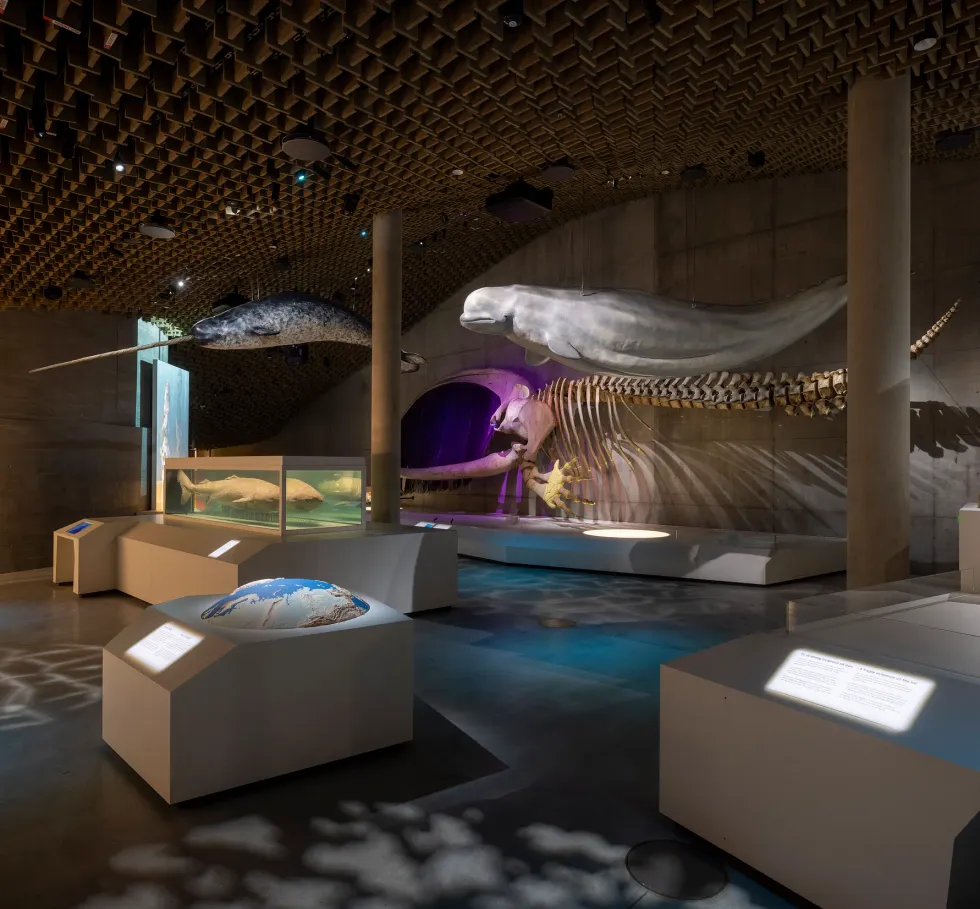 An enormous blue whale skeleton is among the highlights of Denmark’s new Natural History Museum in CopenhagenNatural History Museum Denmark
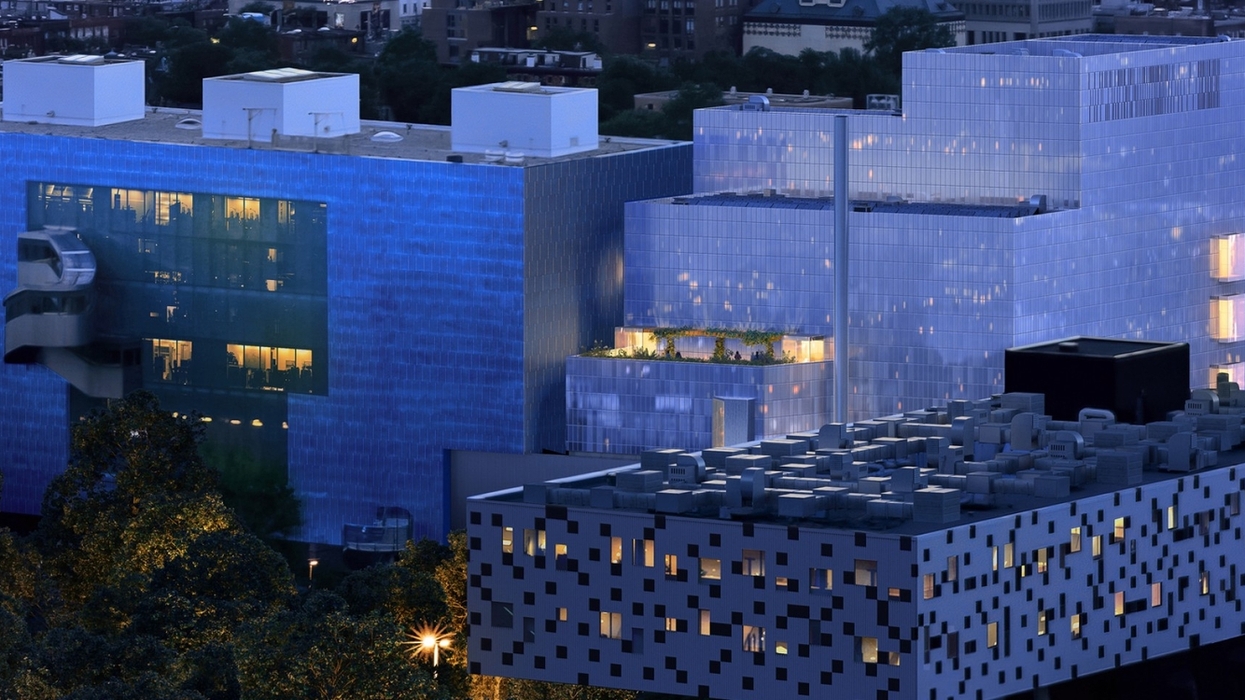
Designed by Lundgaard & Tranberg Architects in collaboration with Claus Pryds Architects as part of a major redevelopment, the building brings together the museum’s historic buildings with new architecture and underground exhibition spaces.
The new building doubles the exhibition space, allowing more objects from the collection to go on display and expanding the museum’s public programme with guided tours, workshops and activities.
"Never before have we had the opportunity to present our collections in such magnificent architectural surroundings. And for the first time, we can tell the great, continuous story of life on Earth through geology, botany, and zoology under one roof," Jordan added.