
The Natural History Museum has recorded 92 species not previously identified in its transformed gardens using new technologies.
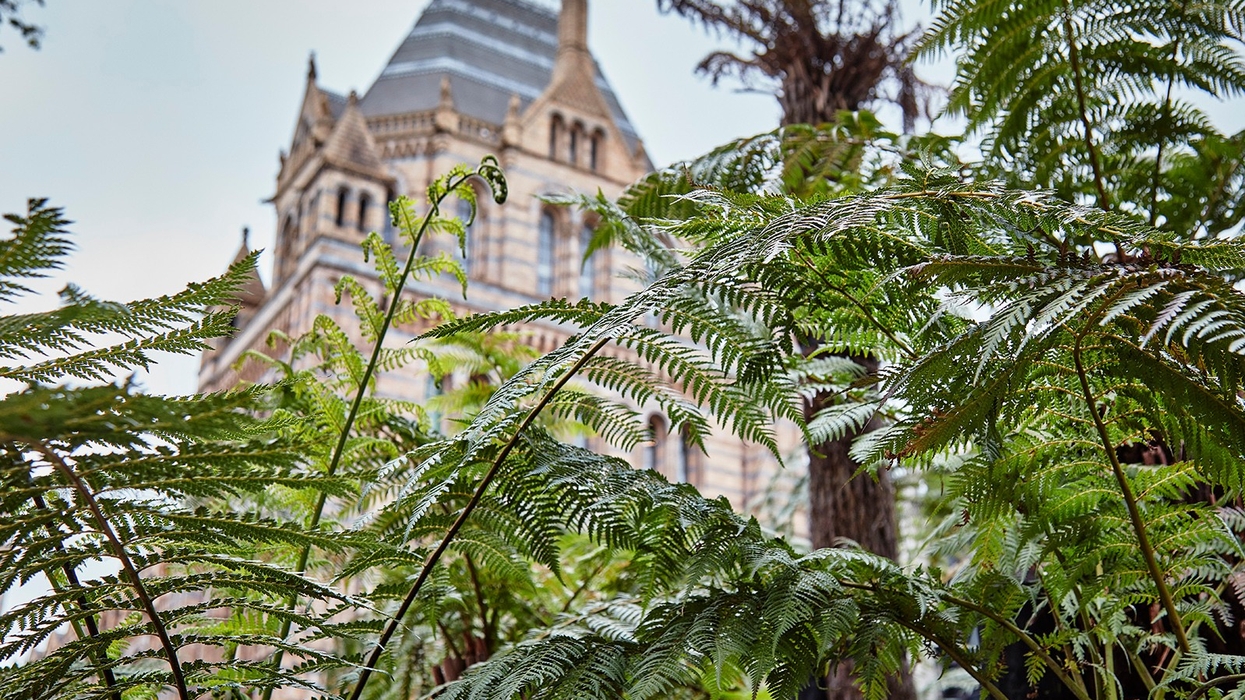
Following a major transformation, the museum in London reopened its gardens in July 2024, providing a network of interconnected habitats designed to support wildlife, engage visitors, and advance scientific understanding of urban ecosystems.
Alongside traditional species surveys and visual observations, scientists at the museum are utilising pioneering techniques such as environmental DNA, acoustic monitoring and environmental sensors to gain new insights into London's urban wildlife.
Among the 92 species recorded in the gardens for the first time, between its reopening in July 2024 and the end of 2025, are the emperor moth and small red-eyed damselfly.
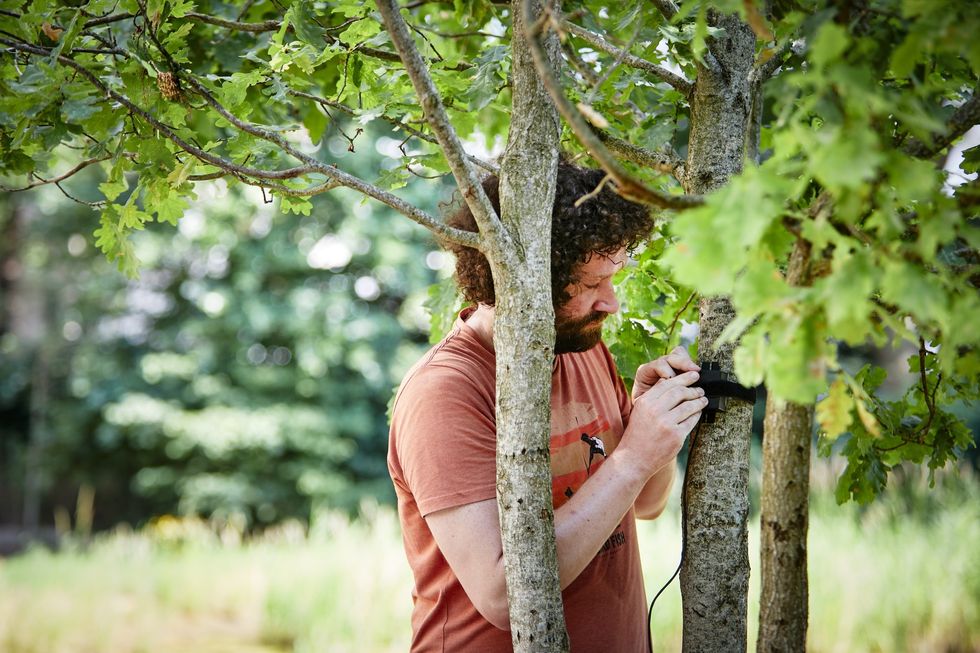 The Natural History Museum's Nature Discovery Garden serves as a unique research hub with a network of sensors NHM
Also recorded are the Asian mud-dauber wasp, cotton seed bug and peregrine falcon.
"Recording new 92 species in our new gardens shows just how much wildlife can thrive in the heart of London," said Ed Baker, acoustic biology researcher at the Natural History Museum.
"By combining traditional wildlife surveys with new technologies, we can better understand how urban nature responds to changes in climate, habitat and human activity – and how we can make our cities better places for both people and wildlife."
The Natural History Museum's gardens have a long history of biological recording, with 3,500 species documented since monitoring started in 1995.
Last year, the museum switched on a network of environmental sensors across its Nature Discovery Garden, which generated more than 11 million environmental data records in its first year.
The museum is currently extending its sensor network into the Evolution Garden to allow its scientists to compare habitats with different planting styles and levels of visitor activity.
In the first year of opening, the museum welcomed more than 5 million visitors to the gardens, showing a demand for urban green spaces.