
The Natural History Museum's 'living laboratory' garden is unlocking new biodiversity insights after exceeding 11 million environmental data records in its first year.
The Nature Discovery Garden serves as a unique research hub, enabled via a high-tech network of environmental sensors that collect real-time data about the environment.
This includes temperature and humidity readings to monitor microclimate variations, and underwater acoustic recordings from the pond, alongside the sounds of bird calls and ambient urban noise.
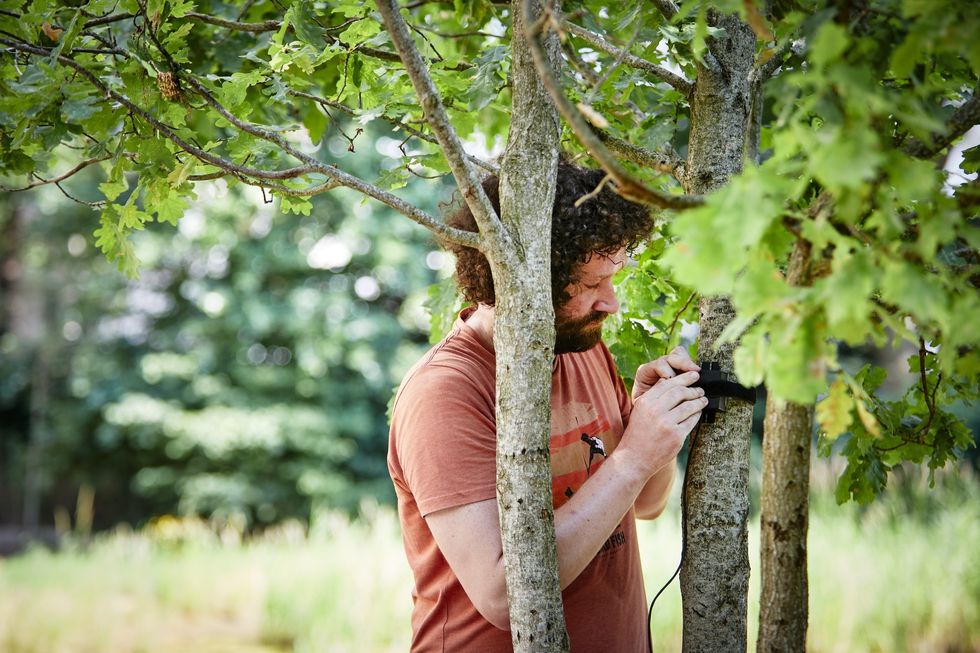 The Natural History Museum's Nature Discovery Garden serves as a unique research hub with a network of sensorsNHM
This data is fed into the museum's innovative data ecosystem, which generates new insights into biodiversity and ecosystem change using millions of observations from sensors, images and other scientific sources.
The sensor data is currently being used to support various research projects, including work on urban heat. For example, during the heatwave in June, soil temperature sensors within the woodland areas of the gardens were 10 degrees cooler than in the paved areas within its Darwin Centre courtyard.
With this data, the museum's scientists can investigate how different urban environments respond to rising temperatures, and how nature-based interventions could help mitigate urban heat.
"By collecting millions of data points, from temperature and humidity to birdsong and underwater sound, we can build a far richer picture of how urban nature responds to various pressures and becomes more resilient to future environmental challenges," said Ed Baker, acoustic biology researcher at the Natural History Museum.
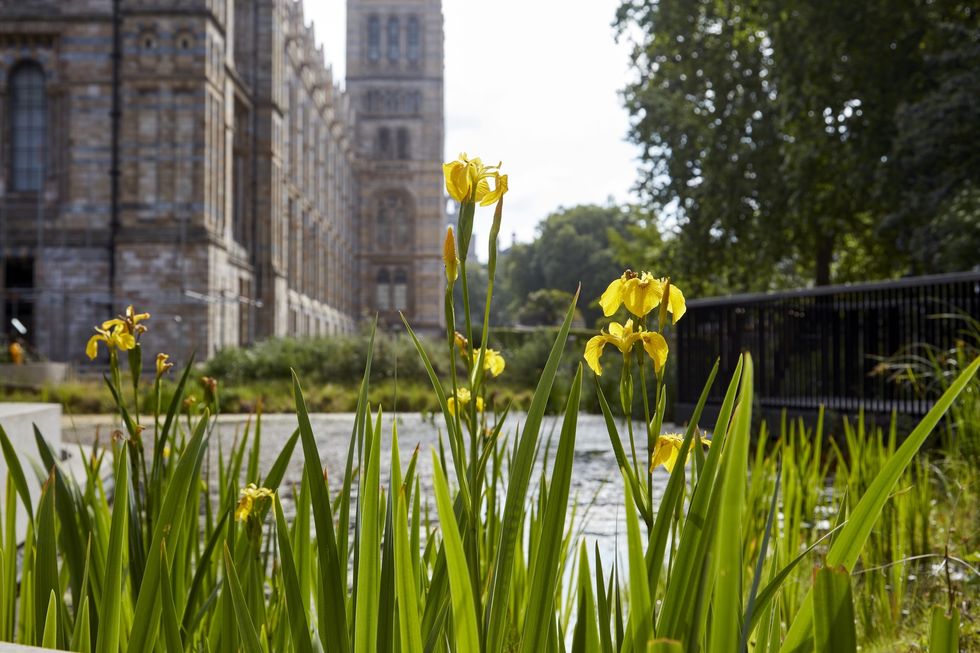 The Natural History Museum's garden is the most intensively studied urban nature site of its kind in the worldNHM
Per a press release, the garden is the most intensively studied urban nature site of its kind in the world, with plans now underway to expand the sensor network into the museum's Evolution Garden.
This will support further research and data collection in an area of the Natural History Museum's grounds with higher guest footfall and a different planting style.
In the first year of opening, the museum welcomed more than 5 million visitors to the new gardens, showing high demand for urban green spaces.