
XOrdinary by Crucial FX, a UK-based creative studio, has developed XOrdinary Shift, a patent-pending intelligent experience engine that enables attractions to adapt in real time to the context of each guest and each moment.
XOrdinary Shift is designed to enhance the guest experience by adapting an attraction to the people present and what is happening at that moment. This allows the experience to better suit its audience instead of following the same sequence every time.
Younger guests might encounter a less frightening version of a scene, while returning visitors could discover something they missed on a previous visit. Weather, queue conditions, or communicated sensory needs may also influence how parts of the experience work.
For guests, this means more personalised experiences and greater variety on repeat visits. The attraction can unfold each time differently, encouraging discovery and giving guests more reason to ride again. Whether it is their first ride or their tenth, XOrdinary Shift aims to provide the experience that best suits each guest in that moment.
More personalised experiences
XOrdinary Shift enables this by interpreting live data, recognising the context of a specific moment, and deciding how different parts of the experience should respond. It can use advanced in-house camera sensors, ticketing systems, guest history, queue management, environmental sensors, and ride telemetry.
These inputs can shape media, lighting, sound, show programming, and special effects. Instead of playing the same preset sequence every time, XOrdinary Shift adds a contextual decision-making layer that lets the attraction respond in real time.
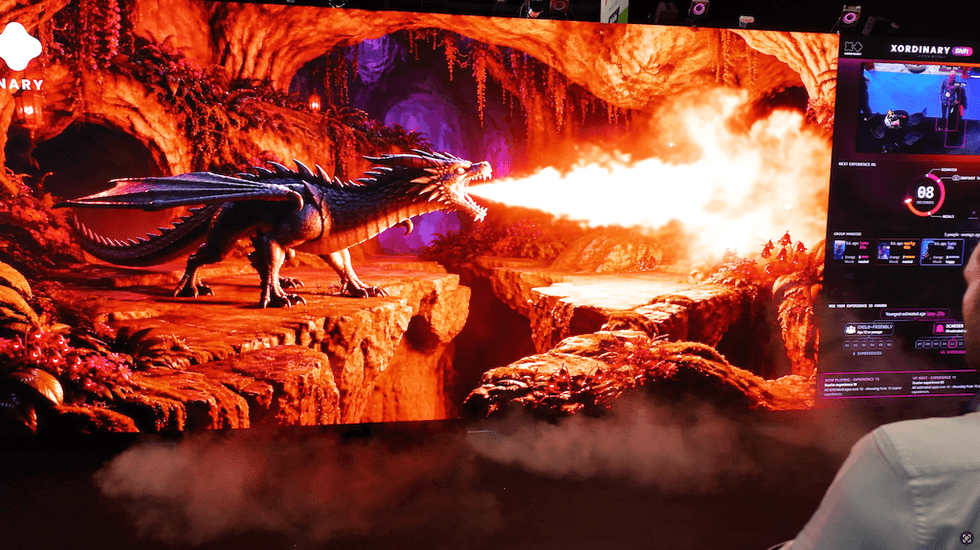 XOrdinary Shift helps attractions to tailor experiences
The adaptation is woven into the experience. Guests encounter the version chosen for that moment without selecting a mode, using an interface, or knowing why anything has changed.
Creative teams retain control, determining what can change, developing the available responses, and setting boundaries for story, tone, pacing, and intensity. Operators define the relevant operational limits.
XOrdinary Shift brings together the available information, interprets the situation, and selects an appropriate authored response within those limits.
The technology supports a wide range of applications.
XOrdinary Shift can adapt media or attraction intensity for different audiences, modify a pre-show within established narrative boundaries based on queue conditions, adjust water effects to match the weather, respond to communicated sensory needs, or offer varied content and responses across repeat visits.
Showcasing Shift
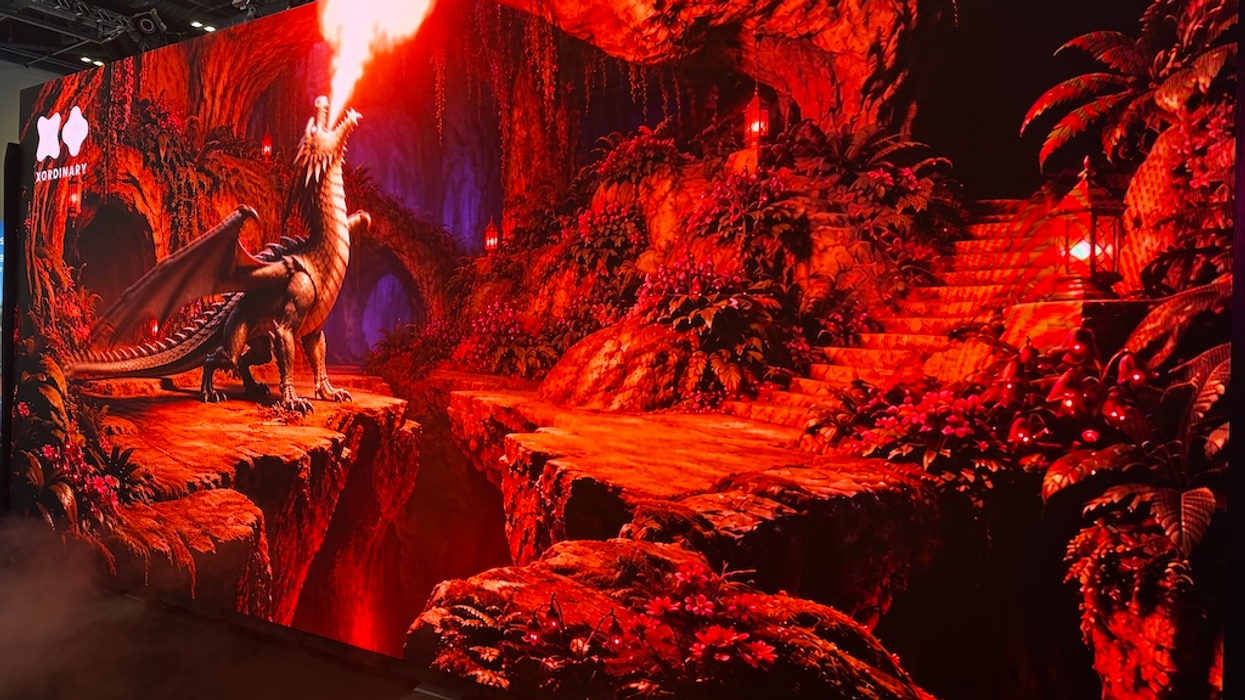
XOrdinary recently showcased Shift live at IAAPA Expo Europe with an interactive dragon experience.
In real time, the system evaluated visitors’ age, energy, and mood, then chose from 16 scripted variations—from playful, welcoming scenes for younger guests to much scarier ones for adults. The decision took less than half a second.
The dragon experience was just one example of the broader platform. XOrdinary Shift can link real-time context with an attraction’s creative and technical systems, enabling responses across multiple elements instead of changing only one piece of content.
Designed for live attractions, XOrdinary Shift runs fully offline, without cloud services or external APIs. It does not store images, and all data is processed through the attraction’s local systems.
Its plugin-based architecture allows XOrdinary Shift to integrate with existing attraction infrastructure, making it suitable for new and established attractions without replacing current systems.
XOrdinary has filed a patent application for Shift, which is now patent pending.
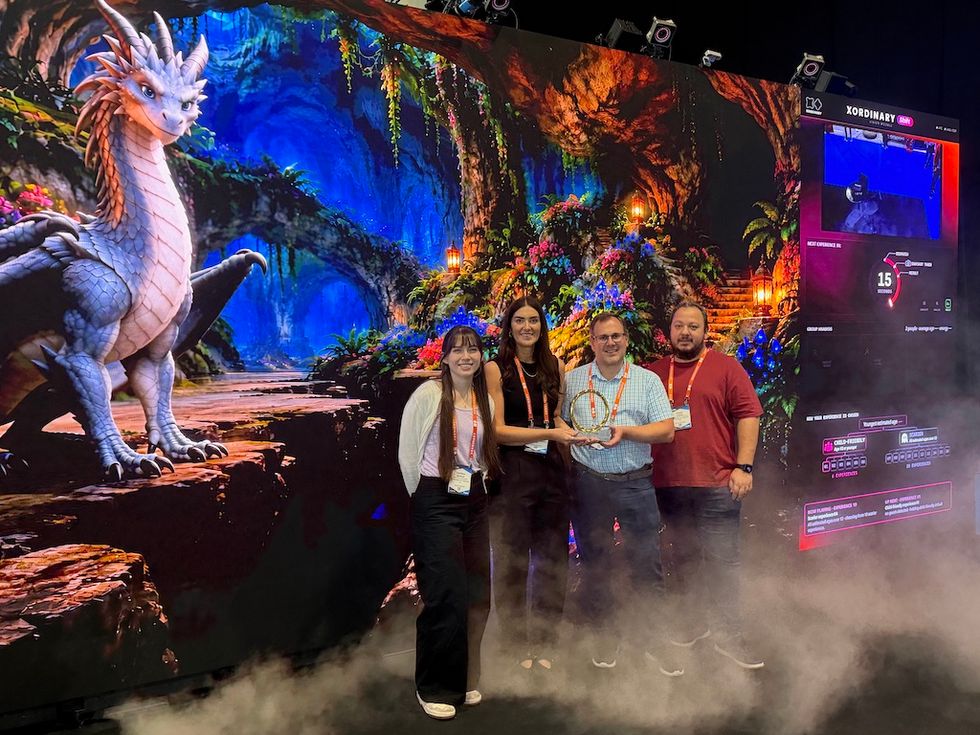 The XOrdinary team were awarded a Brass Ring Award for thier IAAPA Expo Europe 2026 booth
Mark Rivkin, managing director at XOrdinary, says: “We built XOrdinary Shift around a simple idea: guests should get the best experience for the moment they are in.
“Traditionally, attractions are designed around a largely fixed sequence, even though the audience and conditions around them are constantly changing. XOrdinary Shift gives the attraction the ability to understand that context and respond.
“That could mean making a scene less frightening for a younger audience, changing the way an effect behaves because of the weather, or giving a returning guest something they have not experienced before. The important thing is that those changes happen within the attraction itself.
"The guest does not need to configure anything, and the creative teams remain in control of the experience. Re-rideability is also a huge part of this. If an attraction has the ability to unfold differently from one visit to the next, there is more room for discovery and more reason to come back. We want the tenth ride to still have the capacity to surprise you.
“We have been developing and testing the technology for a while, but actually demonstrating it live in London has been an important milestone for us.
"People stood in front of XOrdinary Shift and saw the experience adapt to them in under half a second. The response was really positive, and seeing people understand the potential as soon as they experienced it was a strong validation of what we have built.
“XOrdinary Shift means we can have a much bigger conversation about what responsive attractions can be. The technology is here and working. The interesting question now is what we choose to do with it.”
See also: Collapsing the creative–technical divide in visitor attractions