The Zoo and Aquarium Association (ZAA), which represents zoos, aquariums, wildlife parks, and sanctuaries across Australasia, has launched an urgent fundraising campaign to support six Recovery Teams in their work to save some of Australia's most threatened species.
The campaign is live now and will run until April 2027. ZAA is asking the wider attractions industry to donate and to help the campaign reach new audiences.
To donate, please click here. Readers who wish to share the campaign can request assets by email.
Turning expertise into action
As part of the ZAA's varied activities, the association helps to coordinate federally registered Recovery Teams that work to bring threatened species back from the brink.
"Australia is home to wildlife found nowhere else on earth, but for some species the future is far from certain," says a ZAA spokesperson.
"Recovery Teams are tackling the hardest questions in conservation. Where are these animals still living? How many are left? What threats are they facing? How can their genetic diversity be protected? How can they be monitored without unnecessary stress?
"And, ultimately, what will it take to give them a future in the wild?"
See also: For wildlife & people: inside the Zoo and Aquarium Association Australasia
This campaign seeks to support six species: the Growling Grass Frog, Southern Brush-tailed Rock-wallaby, Pookila, Smoky Mouse, Central Rock Rat, and Broad-toothed Rat. Each team will tackle its own distinctive challenge.
The Growling Grass Frog is listed as vulnerable on the IUCN Red List. Its population is decreasing, threatened by residential and commercial development, invasive species, disease, and climate change.
This team plans to build a dedicated breeding facility to return the species to the wild and track frog survival after translocation.
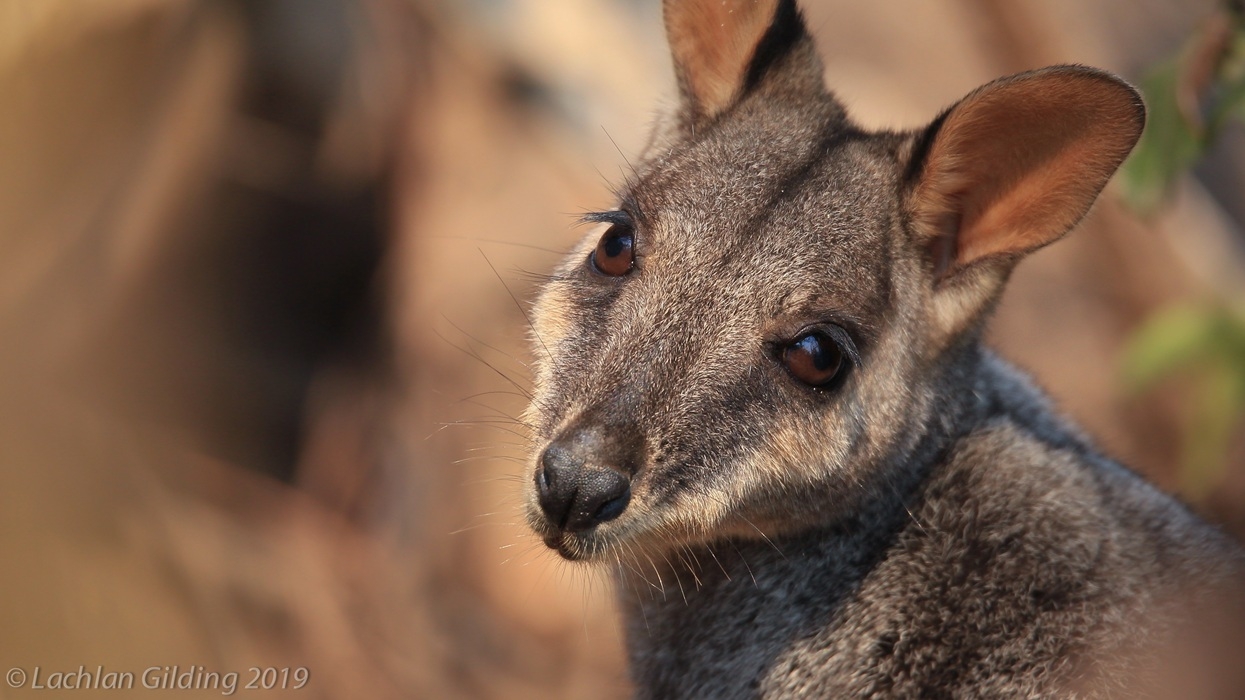
The team for the Southern Brush-tailed Rock-wallaby aims to establish two new populations in Grampians National Park, and undertake targeted predator management and monitoring. Fewer than 60 Southern Brush-tailed Rock-wallabies remain in the wild, in just two locations.
The campaign will also support the Pookila (New Holland Mouse), a tiny burrowing rodent. Only 8,000 are believed to remain in the wild, zoos, and wildlife parks. This Recovery Team will trial eDNA methods to detect the species from DNA traces left on surfaces, removing the need to set traps for research.
The Smoky Mouse team will cryobank cells to preserve the species’ genetic future, creating an immediate ex-situ living population to support genetic management, and will also live-trap to assess translocation between Gariwerd populations. Approximately 5,000 Smoky Mouse remain in five forest and shrubland locations.
Additionally, the Recovery Team for the Central Rock Rat intends to sequence genomes from 11 samples from the Central Western Desert Indigenous Protected Area to build a more complete picture of population genetics and gene flow.
Results could indicate which conservation action will best protect this critically endangered Northern Territory species, with around 800 remaining.
The campaign also seeks to support the Broad-toothed Rat. Little is known about its predators, and understanding them could be significant to its long-term resilience. This team will analyse DNA in predator scats to identify what is preying on this endangered, declining species.
When the campaign closes, the funds raised will be split among the six teams.
The funds are raised through ZAA’s Wildlife Conservation Fund (WCF). Established in 2020, the Fund has supported projects such as biobanking for threatened frogs and breeding the endangered Regent Honeyeater for release.
The WCF is a registered deductible gift recipient (DGR) and is registered with the Australian Charities and Not-for-profits Commission (ACNC).
This August, ZAA welcomed a record number of attendees to its 2026 annual conference. More than 250 wildlife professionals, researchers, conservationists, educators and advocates gathered in Auckland to explore the theme, Foundations First: Strengthening What Matters Most.

Rebecca Hardy has over 10 years' experience in the culture and heritage sector. She studied Fine Art at university and has written for a broad range of creative organisations including artists, galleries, and retailers. When she's not writing, she spends her time getting lost in the woods and making mud pies with her young son.