Culture House opened to the public on 12 September. In its first month, tens of thousands of people have come through the doors. For a new civic building, that tells you something important. People didn't come because they were told to. They came because it feels like theirs.
A project like this takes over your life for a while. The reviews, meetings, site visits and challenges that people never see. You spend so long thinking about a building in minute detail that you almost forget who it's actually for.
Then they walk in, and it stops being ours.
Making the house a home
We've worked with Sunderland City Council on Culture House since 2021, alongside architects FaulknerBrowns.
Our founder, Evan Grant, was there from the very first conversation, and the intention was clear from the start: "We set out to deliver a space for the people, by the people. A social leveller, a place that everyone feels is for them."
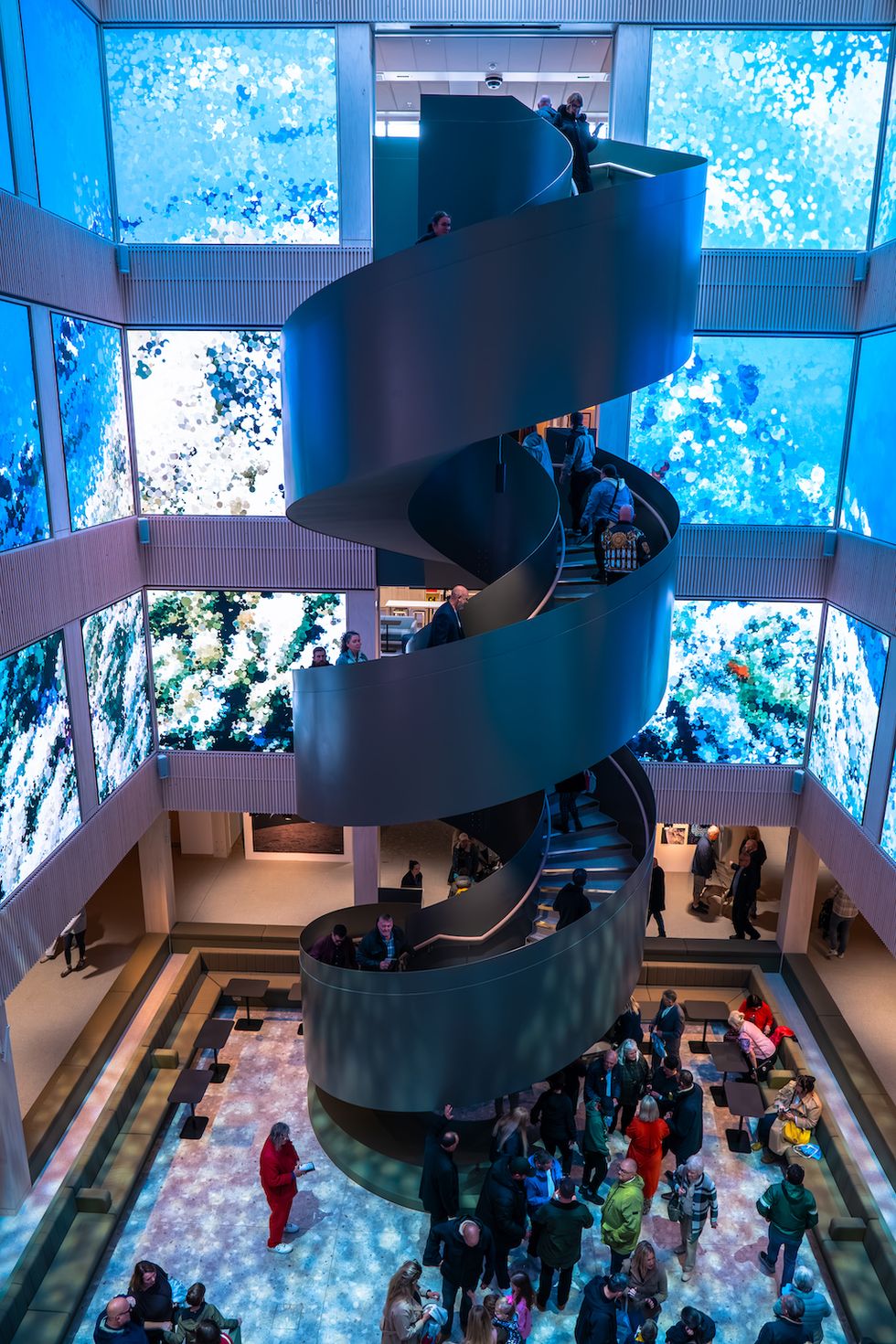
Culture House Sunderland's atrium space and spiral staircase
Image credit Claire Louise Photography
To get there, our creative director, Chris Brown, and the team set three aims.
The first was cultural responsibility. Sunderland will grow up with this building for decades, so every design choice had to stand up to that.
The second was to inject soul. The architecture is unbelievable: brutalist concrete, warm wood, steel and that spiral staircase. Our job was to add the warmth that turns a house into a home.
The third was to embody the character and work ethic of the people we were designing for.
People from Sunderland are known as Mackems, a name often traced back to the shipyards, where they'd make the ships for others to take away. It's a city of makers, so we had to become makers too.
A month in, here's what I'll take from it. I think these lessons apply to any civic or cultural project, not just this one.
Five things I've learned from Culture House
1. Design a living room, not a building
The council's vision was never a traditional library with some screens added, or a gallery with a café attached. It was a living room for the city: somewhere free and open where a young family, a student, a local businessperson and a lifelong resident could all feel equally at home.
That only works if experience design is brought in early enough to make a real difference, and if you start by asking people what they actually need.
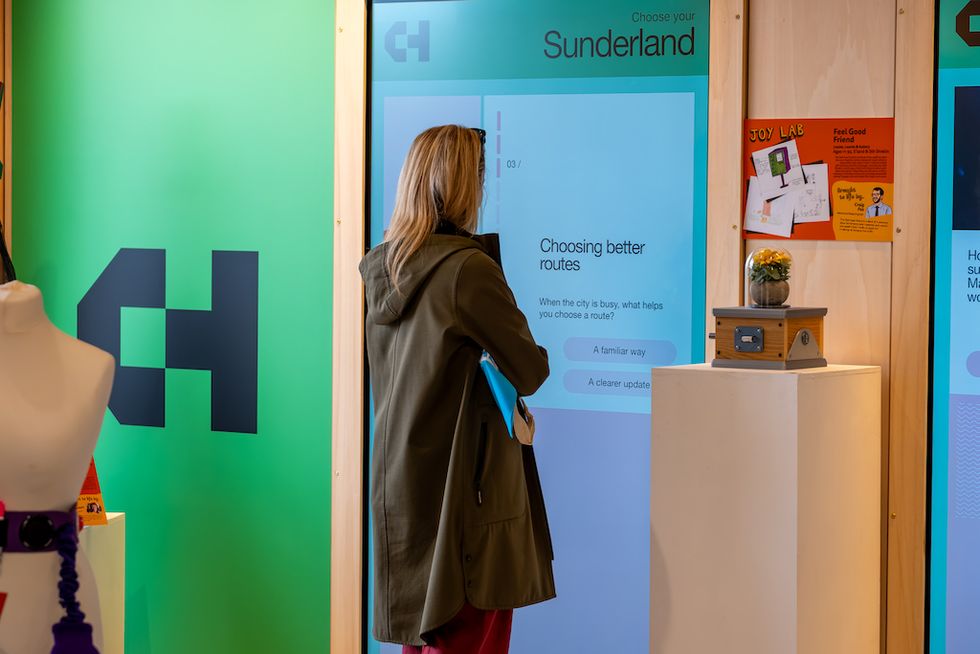
Culture House Sunderland is designed to serve the community
In Sunderland, that research pointed to a cultural incubator: a place that inspires, entertains and educates people at every stage of life.
The tech specification was never the point.
The point was how it would feel to walk through it.
2. Culture is infrastructure
We tend to think of roads, transport, amenities and fast broadband as the things that shape a city's future.
I believe libraries, galleries and community spaces belong on that list too. They're where people learn, meet, make things and decide to stay.
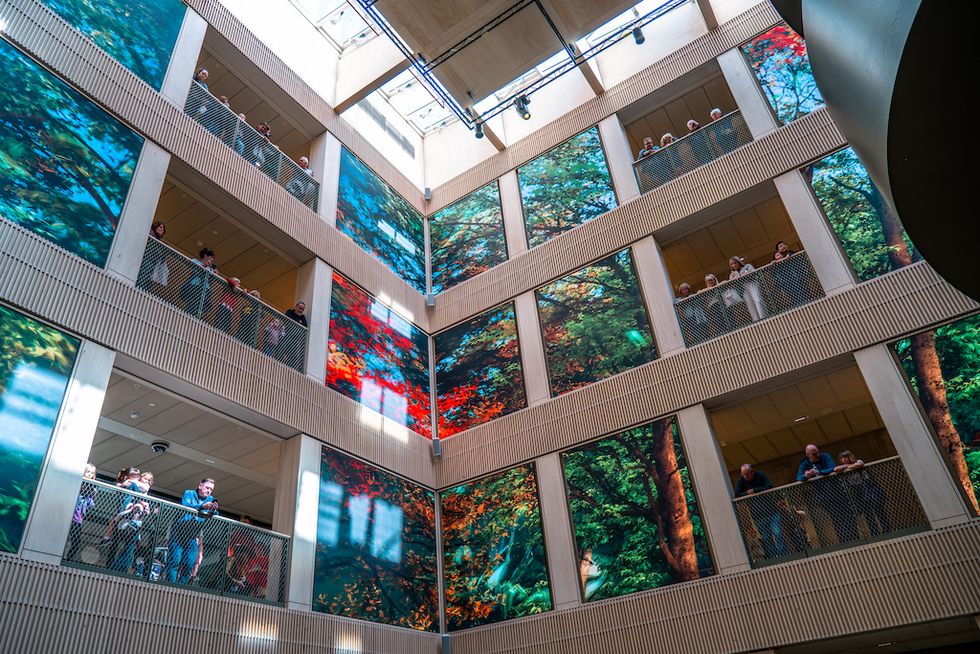
Culture House offers a welcoming space
Too often culture gets added at the end of a regeneration plan. In Sunderland, it's the anchor and that matters because access to creative technology isn't a luxury. It's essential for equity and growth.
I genuinely hope more cities follow Sunderland's lead.
3. Immersive doesn't have to mean spectacle
Our industry sometimes chases the biggest, loudest moment.
At Culture House, the atrium's evolving worlds draw on Sunderland's coastline, glassmaking heritage and green ambitions, and they're designed to welcome you rather than shout at you.
Some of the best moments are quiet ones: a young family exploring the Immersion Gallery, an older couple chatting in the atrium. Or the crochet group who told me how relieved they are to finally have somewhere regular to meet.
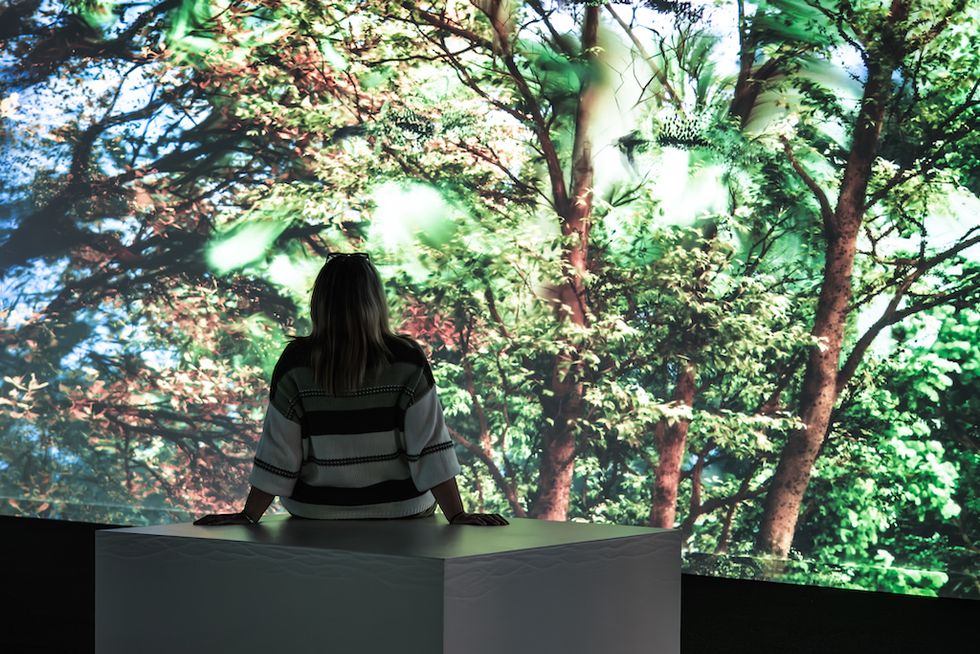
A quite moment at Culture House Sunderland
None of that shows up in a footfall figure, but it's what makes time in a building feel well spent. Technology done well gets out of the way and lets those moments happen.
4. Design for letting go
The part I'm proudest of is the least flashy. A bespoke content management system puts every screen in the building into the hands of the people who work there. The staff are the content creators now.
On every floor, the bookcases have become micro-exhibitions, with stories from local organisations that come to life as you step closer, and some of the next people on those screens will be local makers.
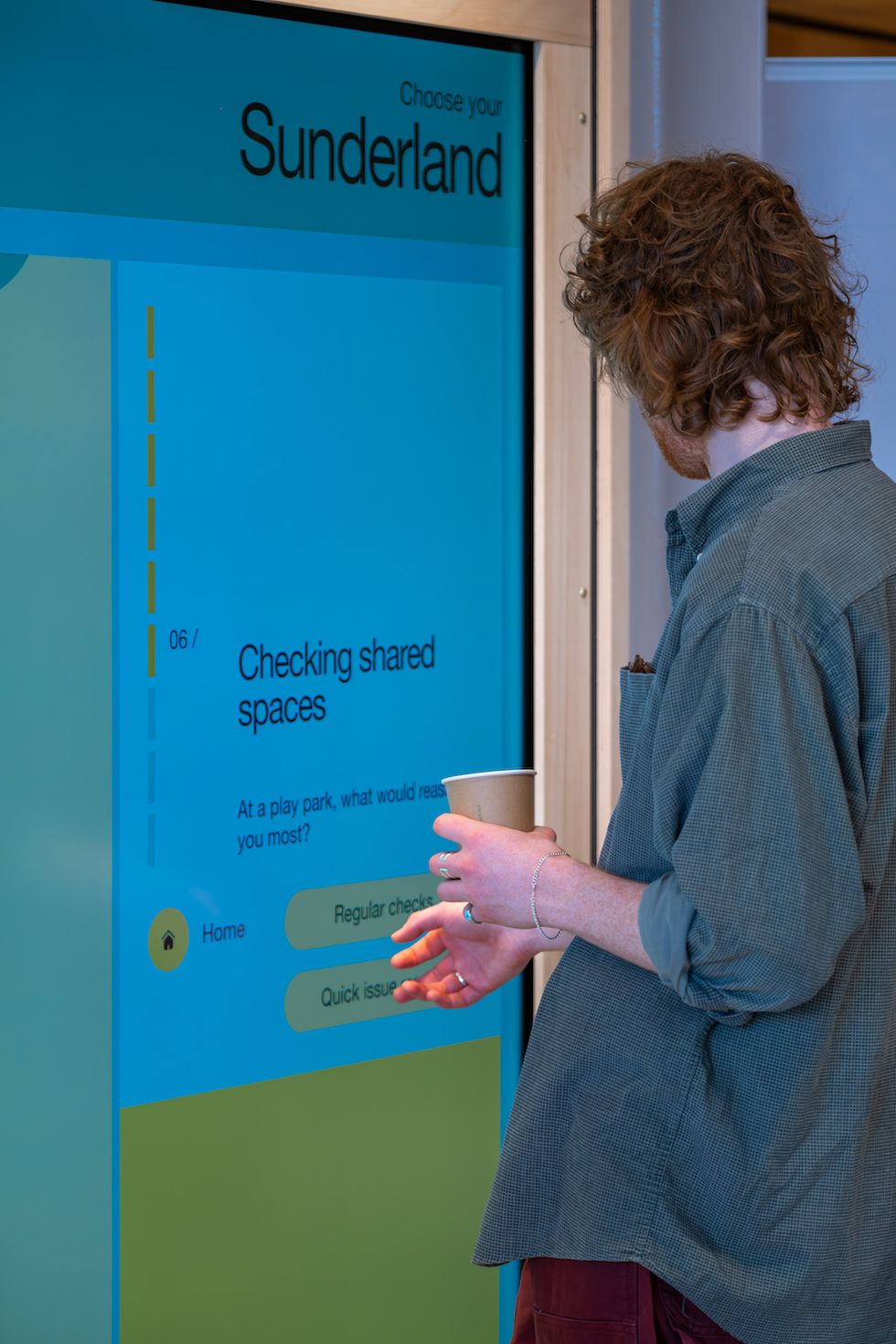
Culture House is home to Sunderland's City Library, alongside exhibitions, events, digital experiences and creative spaces for people of all ages
That was always Evan's hope: "to retain and nurture local talent… giving them tools to grow and eventually present back to their community."
A civic building shouldn't need its designers forever. The real test is what happens once you hand over the keys.
The opening celebration was the proof. Sunderland's own Southpaw Company used the building as their stage, telling the story of a young woman from the city who grows up to become an astronaut, encouraged by her late father to reach for the stars.
Watching people from Sunderland perform their own story there showed it works the way it was meant to.
Credit to Robby Graham, the Southpaw dancers and every member of the community cast.
5. Great civic projects are made by many
No single studio, architect or contractor can deliver a building like this alone. It takes a client with genuine ambition and a lot of people prepared to solve hard problems together. Not every day was easy, but I believe we played our part well.
My thanks to Sunderland City Council and the Culture House team for the vision and for trusting us with it; to FaulknerBrowns, Kier, Gleeds and Boldyn; to our partners PureAV and digiLED; and to the Seeper team, who put years of craft and care into every square metre.
Somewhere to belong
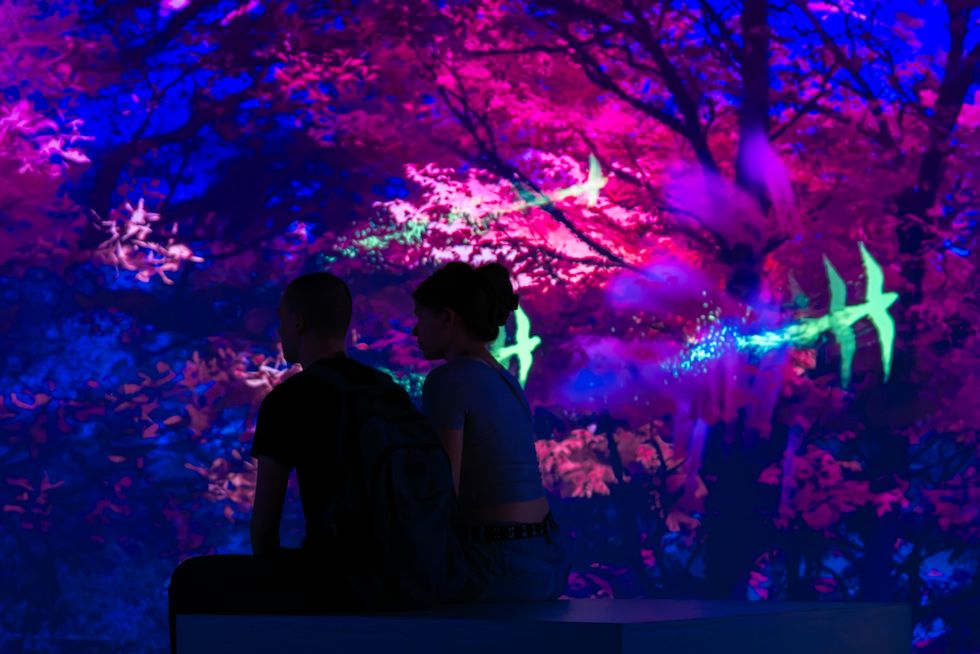
Designed as a modern "living room in the city," the multi-purpose building combines a public library, digital arts spaces, and social areas
Spaces are getting smarter. That’s exciting, and it’s where a lot of our industry’s energy is going.
But Sunderland reminded me of something simple. Nobody walks into Culture House to look at the technology. They come to read, to meet, to make something, or just to sit with a friend. The tech only earns its place if it helps those moments happen.
The best thing a building can do is make people feel something together, and give them somewhere to belong.
A month ago, it stopped being ours. That was always the point.
Sunderland, it’s yours now. Enjoy it.