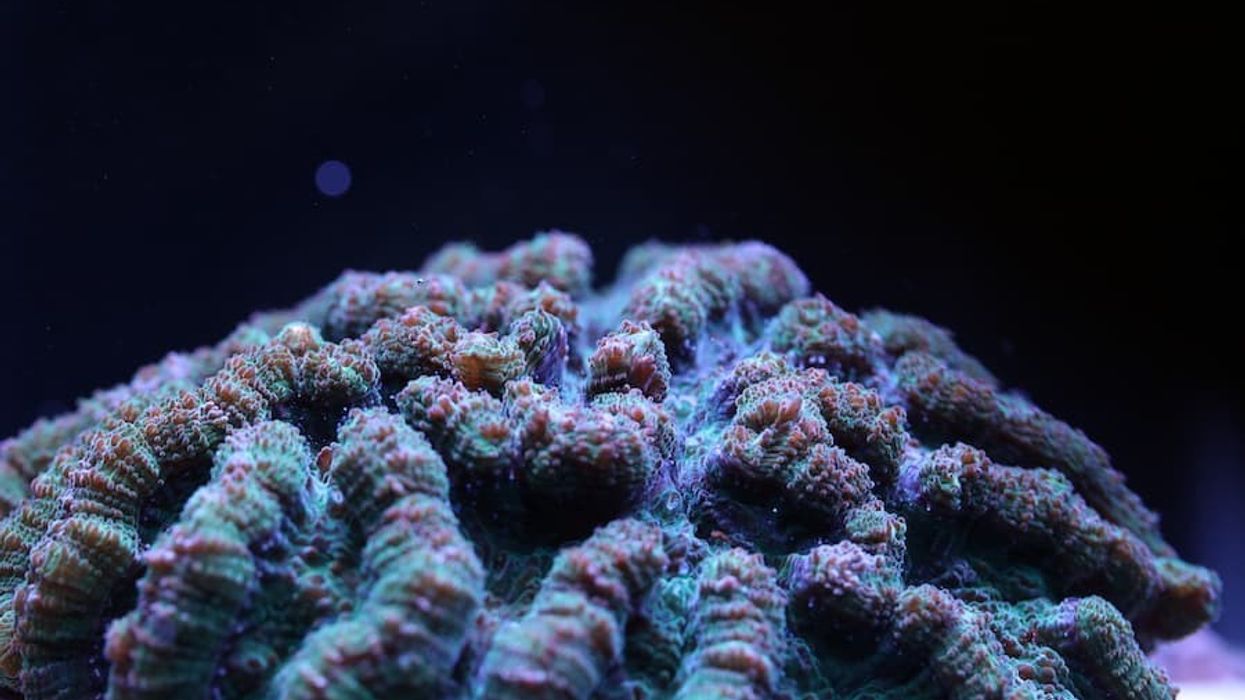

The Florida Aquarium is to transfer 9,000 coral babies born on site to its reef restoration partners across the state.
The 9,000 juvenile corals were born and grown at the aquarium's Coral Conservation and Research Center in 2024 and 2025.
The Florida Aquarium is distributing the corals as part of Florida's Coral Reef Restoration and Recovery (FCR3) Initiative, which aims to restore at least 25 percent of Florida's coral reef by 2050.
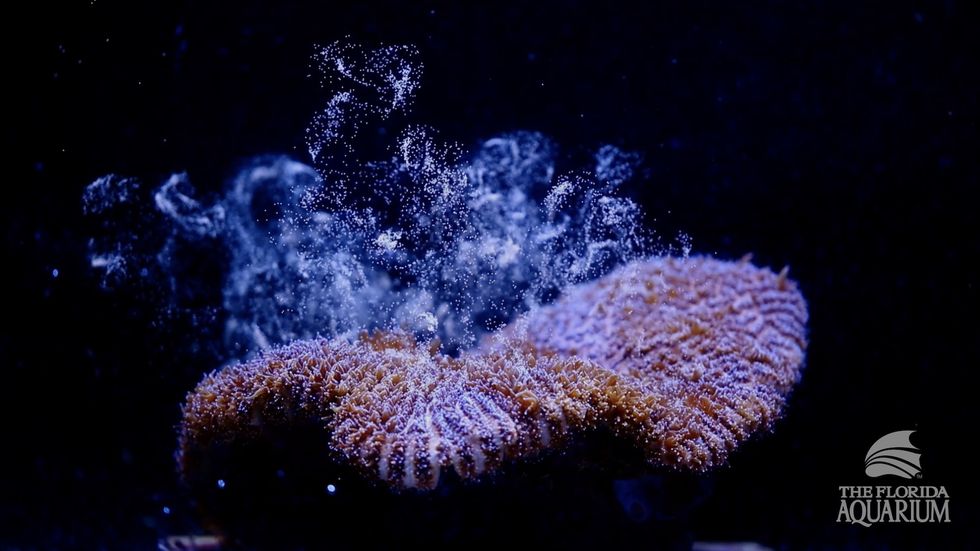
As part of the transfer, Reef Renewal USA received its 2024 coral babies in December, and will get an additional 4,000 7-month-old grooved brain corals produced in 2025.
Tomorrow (7 January), the Reef Institute is collecting 4,500 coral babies born during the 2024 and 2025 spawning seasons, including great star corals, boulder brain corals, symmetrical brain corals, and grooved brain corals.
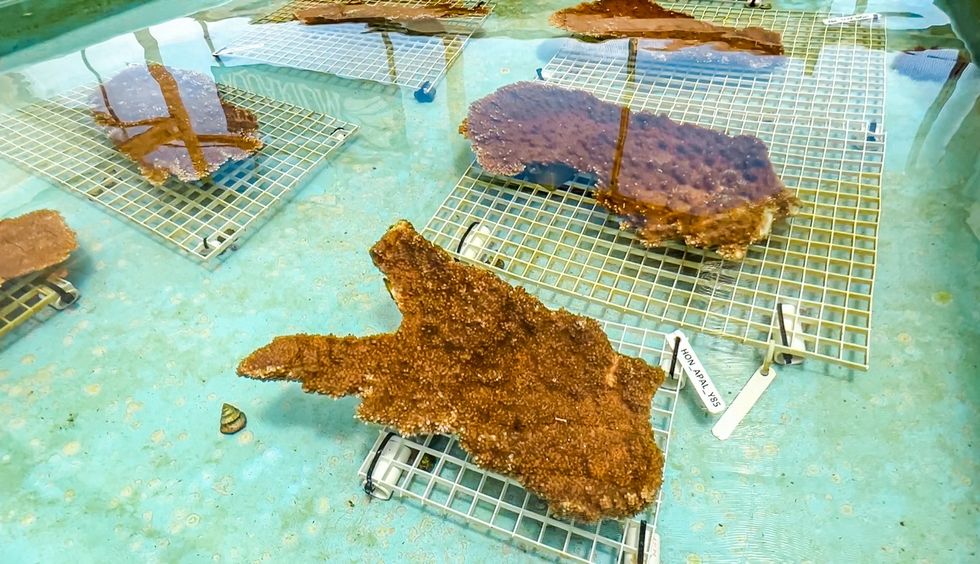
The corals will continue growing at Reef Renewal USA’s land-based nursery in Ruskin and the Reef Institute’s new 23,000-square-foot facility in West Palm Beach.
Florida coral reef restoration
Then, over the next year, they will be deployed to Florida's reefs, from Palm Beach and Martin counties through the Florida Keys.
In September, the aquarium announced a coral baby boom at its Coral Conservation and Research Center.
Over the next two years, the aquarium aims to grow 5,000 baby corals and produce hundreds of thousands of coral larvae.
"These new corals represent a lifeline for Florida’s reef,” said Keri O’Neil, director of the coral conservation programme for the Florida Aquarium.
In Florida's coral reef, rising ocean temperatures are putting stress on corals, making them more vulnerable to disease and bleaching.
Without thriving coral reefs, which are home to more than a quarter of all marine life, marine biodiversity declines.
Images courtesy of the Florida Aquarium