New study reveals the science behind "goosebump reactions" at Harry Potter attraction
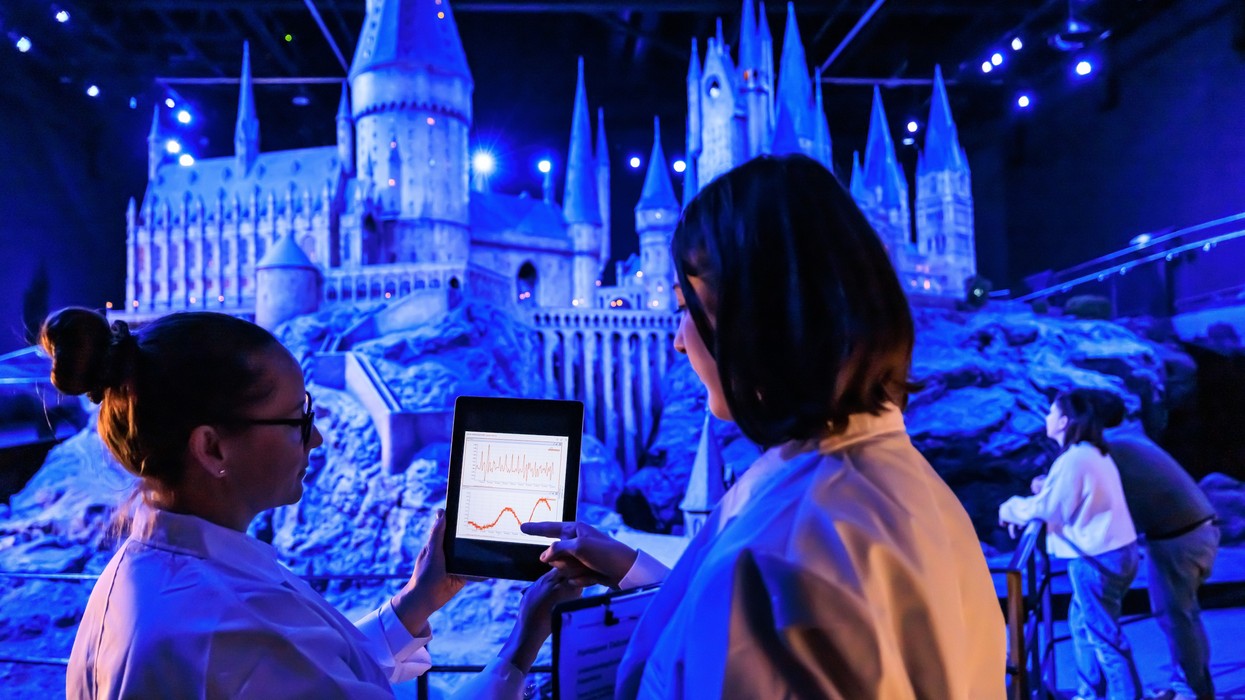
A new study conducted by Goldsmiths, University of London has revealed the science behind "goosebump reactions" at Warner Bros. Studio Tour London – The Making of Harry Potter.
Commissioned by the attraction, the innovative new study revealed that the goosebump effect is strongest when multiple emotions combine, with joy and nostalgia playing key roles.
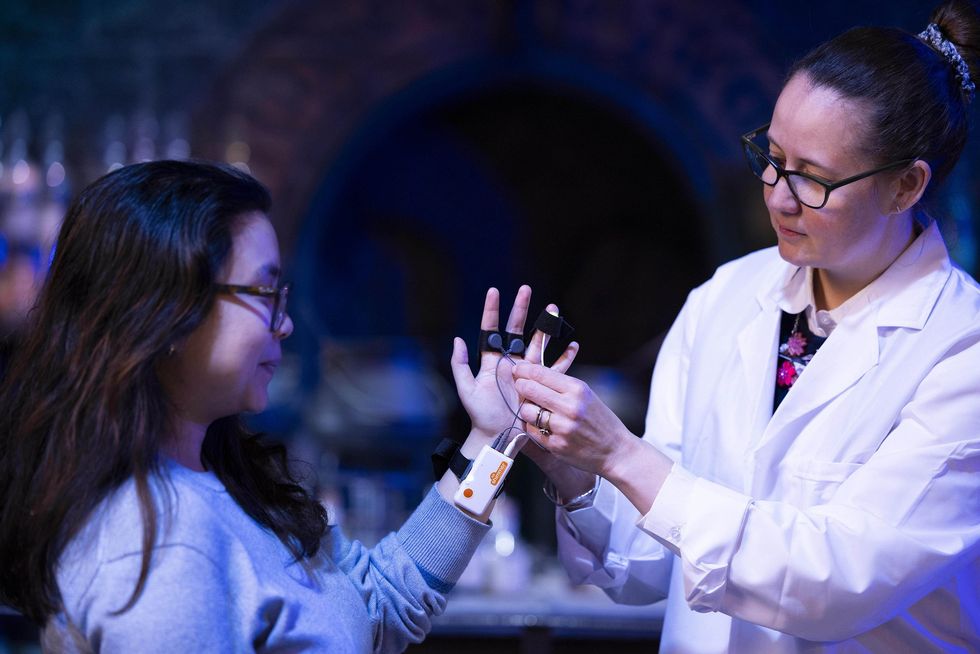
Carried out by the university’s i2 Media Research Lab, participants were fitted with hand sensors to monitor physiological responses, including heart rate and skin conductance (galvanic skin response, or GSR).
The first study of its kind in a real-world attraction had participants rate their feelings on a scale of one to five, letting researchers link emotions to physiological goosebump responses.
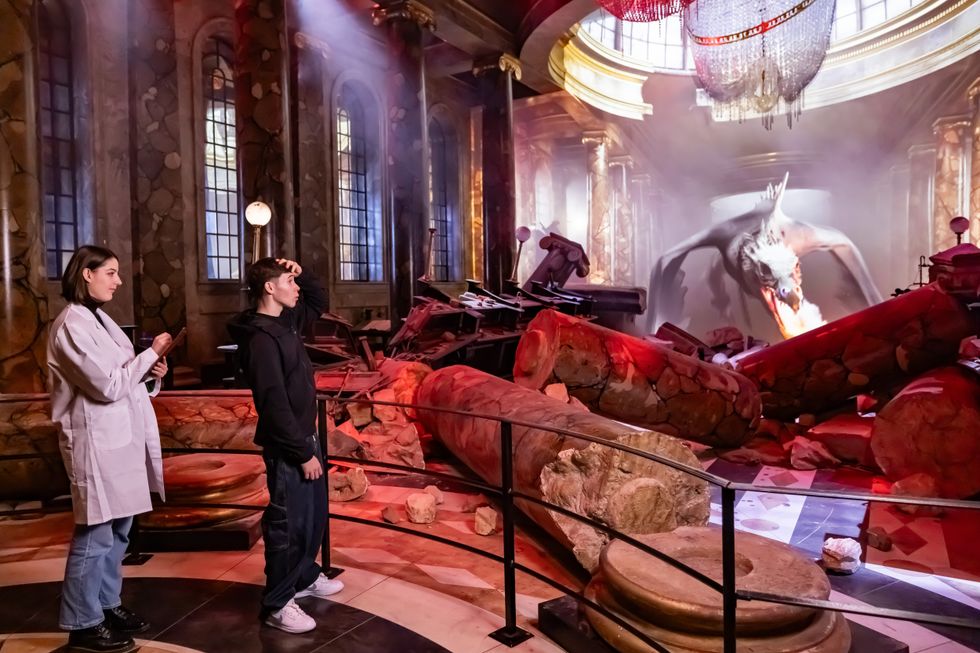
Physiological responses of first-time visitors to the Studio Tour peaked at key Harry Potter sets, including the Great Hall and Gringotts Wizarding Bank.
At the Gringotts set, visitors reported high immersion, excitement, and awe, with one participant’s GSR soaring 99 percent above baseline, while the Great Hall elicited strong awe, joy, nostalgia, and surprise.
Laura Sinclair-Lazell, head of show experience at Warner Bros. Studio Tour London, said: “We love to see the wonder and awe when our visitors are transported behind-the-scenes of the filmmaking magic of the Harry Potter film series.
"It’s fascinating to now understand, thanks to the research, that it has a real physiological effect as they explore the experience.”
A broader survey of UK adults confirmed the results, with respondents citing multiple emotions, including excitement (41 percent), surprise (35 percent), joy (31 percent), and nostalgia (21 percent), as key triggers for a "goosebump moment".
Physiological responses peak at key sets
Professor Jonathan Freeman, who led the research, said: "What’s particularly interesting here is that much of the existing research on goosebump moments – known to scientists as ‘aesthetic chills’ – has tended to look at very short, isolated clips or musical excerpts, usually in tightly controlled lab settings.
"In contrast, this study examined responses within a more complex, multi-layered and genuinely immersive real-world environment.
"The Studio Tour offers a particularly strong context for this kind of work, as it brings together spectacle, narrative and culturally recognisable moments in a unique way that allows different emotional responses to emerge, accumulate and overlap."
Images courtesy of Warner Bros. Studio Tour London






 Courtesy of Netflix
 Courtesy of Netflix
 Courtesy of Netflix