
Listen Technologies, a provider of assistive listening, multi-language audio transmission and live-streaming audio solutions, has worked with the James S. McDonnell Planetarium in St. Louis, Missouri, to update assistive listening in the Bill and Laura Orthwein StarBay Theater.
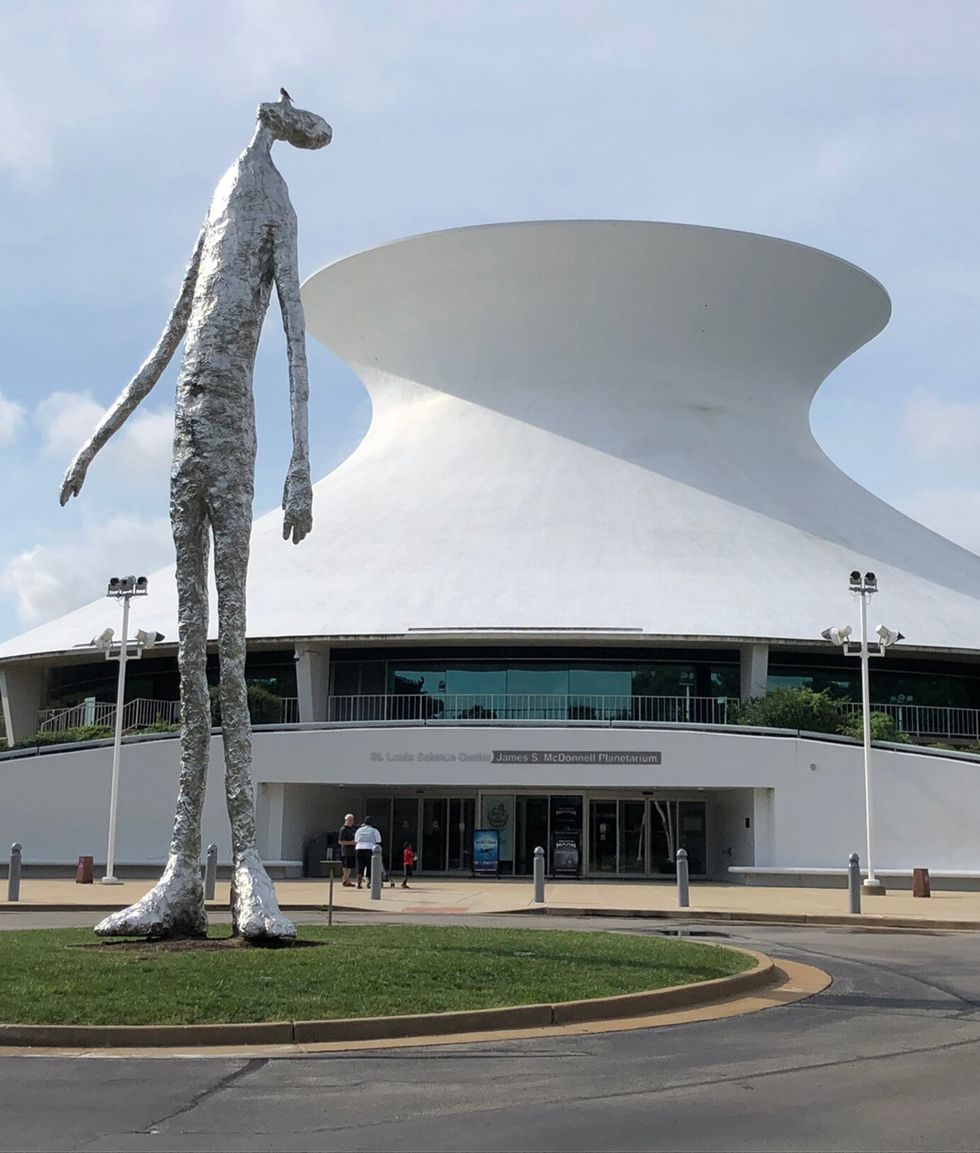
Exterior of the James S. McDonnell Planetarium in St. Louis, Missouri, US
Image courtesy of Listen Technologies
The Theater reopened in July 2026 following a major technological upgrade. The attraction is now the biggest and most advanced hybrid planetarium in the US.
As part of this renovation, the team sought to replace its old assistive listening system and sought a solution that could overcome the challenges of the Theater's concrete construction and the mix of upright and reclining chairs.
Beyond box-checking
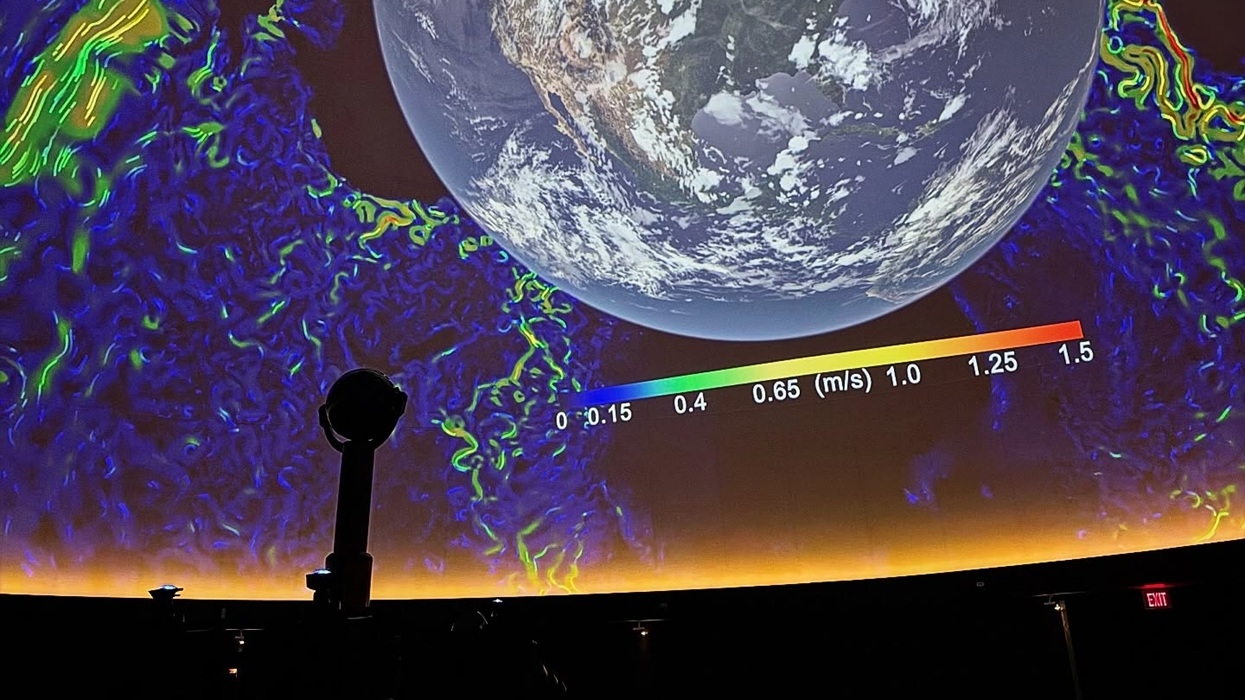
The StarBay Theater's 80-foot dome can accommodate approximately 150 visitors at once for 45-minute, educator-led live shows that take audiences on a journey through space and Earth.
Previously, the venue used an older assistive listening system that, while ADA-compliant, did not deliver the required quality of experience.
The new solution needed to do more than check boxes and deliver something that would genuinely improve the experience for guests. This would offer a choice of regular room audio, including speakers, sound effects, and music, and a separate, cleaner narration-only feed.
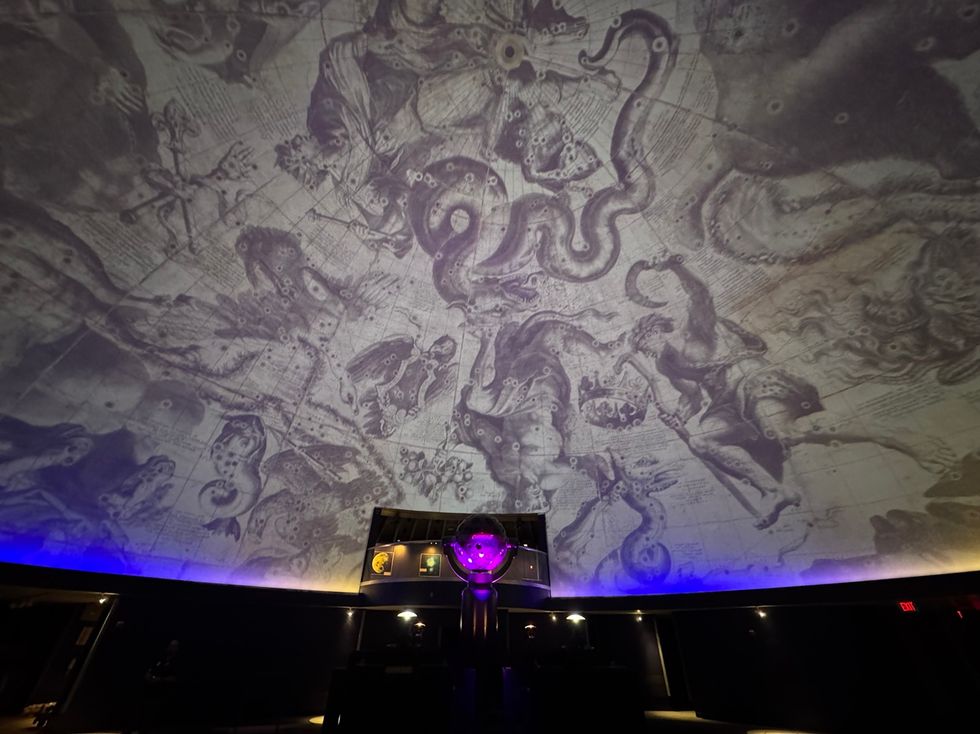
The James S. McDonnell Planetarium is the largest and most advanced hybrid planetarium in the US
Image courtesy of Listen Technologies
The planetarium contacted SenseArt to discuss assistive listening options. After trying different options, they chose Listen Technologies' Auri system for its ease of use, all-in-one transmitter, and adjustable coverage.
Compared with competitors, Auri receivers are smaller and offer a more intuitive experience for visitors of all ages. Additionally, they light up only briefly when the volume is adjusted, helping maintain the darkness of the planetarium.
For the venue, the all-in-one transmitter means a rack mount and separate transmitter are not needed, while adjustable coverage offers more control over how far the signal reaches, presenting potential for the team to create private spaces.
The installation includes eight Auri receivers, two docking stations, and a two-channel transmitter with Dante support. With this setup, the planetarium can run two audio streams at once and offer several ways for visitors to access the audio, including receivers, a neckloop/receiver combo, or their own devices.
High-quality visitor experience
Requests for assistive listening have increased since implementing the new system, with signage around the venue, slides before each show, and information on both the planetarium’s website and booking pages increasing awareness.
Visitor feedback on the audio quality is extremely strong, and guests with cochlear implants have reported positive experiences with the neckloops and receivers.
However, challenges have been encountered when helping guests connect with their own devices, compounded by the wide range of apps and devices available. The team expects this to become easier as they build experience.
Operationally, the system is proving reliable, with no latency or dropped-signal issues. Additionally, setup is effortless as the receivers automatically power on and go to the right channel when removed from the dock.
Recently, Listen Technologies has also deployed its Auri system at Stadium Taranaki in New Plymouth, New Zealand, where complex infrastructure made implementing a loop system difficult.
With Auri, the venue can provide the same direct audio experience as a hearing loop without under-floor cabling or amplifier arrays. Instead, it uses Bluetooth Low Energy to transmit sharp, low-latency audio directly to users’ Auracast-compatible hearing aids, earbuds, smartphones, or dedicated receivers.