
Better planning and policies could help make UK gardens more wildlife-friendly, according to a study by Chester Zoo and Nottingham Trent University.
Researchers found that just over a third, or fewer than 40 percent, of more than 230 householders surveyed in Cheshire and North Wales were willing or able to introduce features such as ponds, overgrown areas and hedgehog highways.
Published in People and Nature, the study found that lack of space, concerns about pets and uncertainty about building or maintaining features were the biggest barriers. Compost heaps and ponds were least likely to be adopted, while wildflower planting was the most popular option.
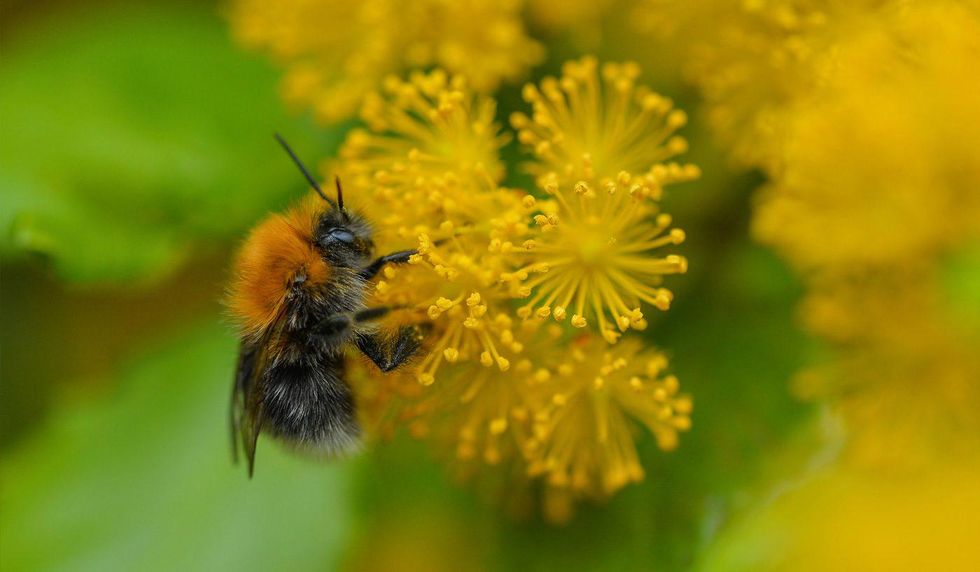 Chester Zoo study examines how UK gardens could better support wildlife through ponds, wildflowers and other featuresChester Zoo
An estimated 88 percent of UK residents have access to a garden, making these spaces increasingly important for native plants and animals as towns and cities expand.
Lead researcher Kelly Hitchcock, a PhD student at Nottingham Trent University and Chester Zoo conservation scholar, said: "With the amount of promotion you see of these features, like ponds and hedgehog homes, I expected people would be happy to do these things.
"It was quite surprising how many people weren’t, even when they were pro-nature. There are barriers - sometimes out of their control - which stop them."
 Chester Zoo garden study explores householders’ willingness to add ponds, wildflowers, hedgehog highways and other wildlife-friendly featuresChester Zoo
The questionnaire asked participants how likely they were to add 10 specific wildlife features, including log piles, bird baths and compost heaps. Researchers examined the factors affecting their capability, opportunity and motivation to make the changes.
Hitchcock added: "Even if someone wants to rewild their garden, it really restricts them if they don’t have the space, and current trends toward hyper-dense housing may be contributing to this.
"The data suggests we can’t rely on individuals to make wildlife-friendly changes at the scale that’s needed. These features need to be built into urban planning and policy."
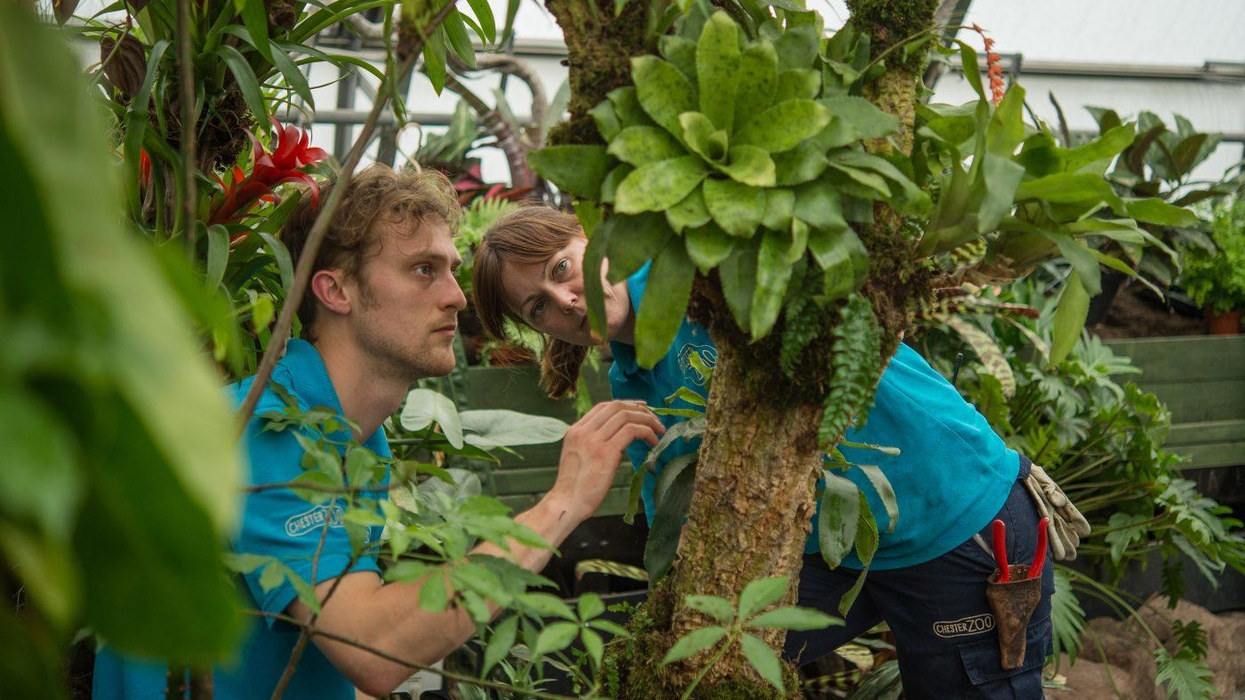
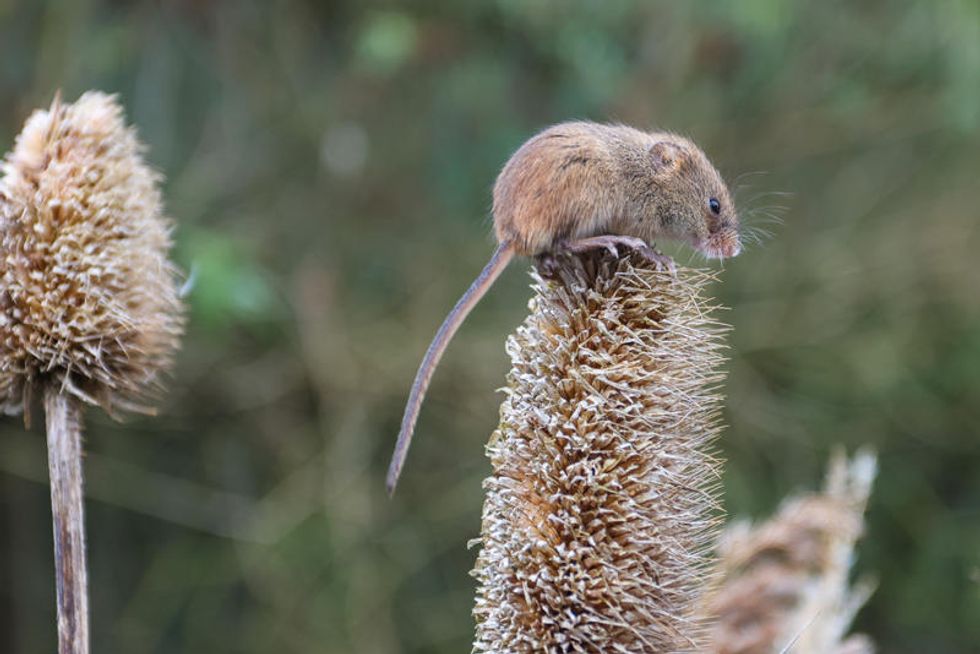 Chester Zoo researchers investigate barriers preventing householders from adding wildlife-friendly features to UK gardensChester Zoo
Dr Leah Williams, lead conservation scientist at Chester Zoo and co-author of the paper, said multi-level policy changes were needed to tackle urban biodiversity loss, which also has implications for human physical and mental health.
"We’d still encourage people to do what they can, whether that’s planting wild native flowers in a window box or creating a mini-pond with a bucket will make a difference."
The researchers hope the findings will encourage biodiversity to be considered in urban planning and support efforts to help local wildlife.