As cruise ships evolve from transportation and hospitality platforms into fully integrated destinations, the team at TAIT explores what location-based entertainment can bring to the future of cruising.

TAIT's Cory Watson, executive media producer and principal
In a conversation moderated by executive media producer and principal Cory Watson, the panel brings together perspectives from theme parks, cultural attractions, cruise ships, resorts, and complex guest experience environments.
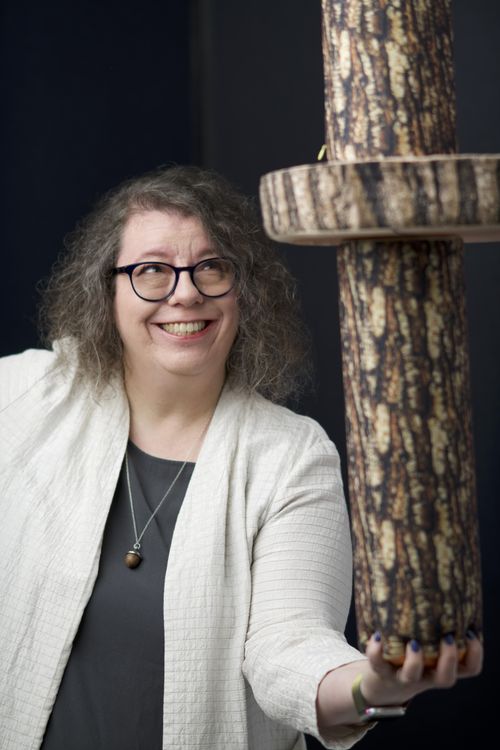
Executive creative director and senior principal Cynthia Sharpe has spent nearly three decades shaping cultural attractions, theme parks, destinations, and cruise ships worldwide, with a knack for making ambitious ideas feel inclusive, intuitive, and unforgettable.
A once nationally ranked fencer, she brings rapier wit and real-world experience, plus very serious opinions about Kansas City BBQ and a possibly excessive enthusiasm for mustelids.
Project delivery lead Arielle Lindsey turns big ideas into unforgettable places, from theme parks to cruise ships, pairing bold storytelling with the know-how to make the magic real.
A lifelong maker, she brings curiosity, joy, and just the right amount of glue-gun energy to everything she creates.
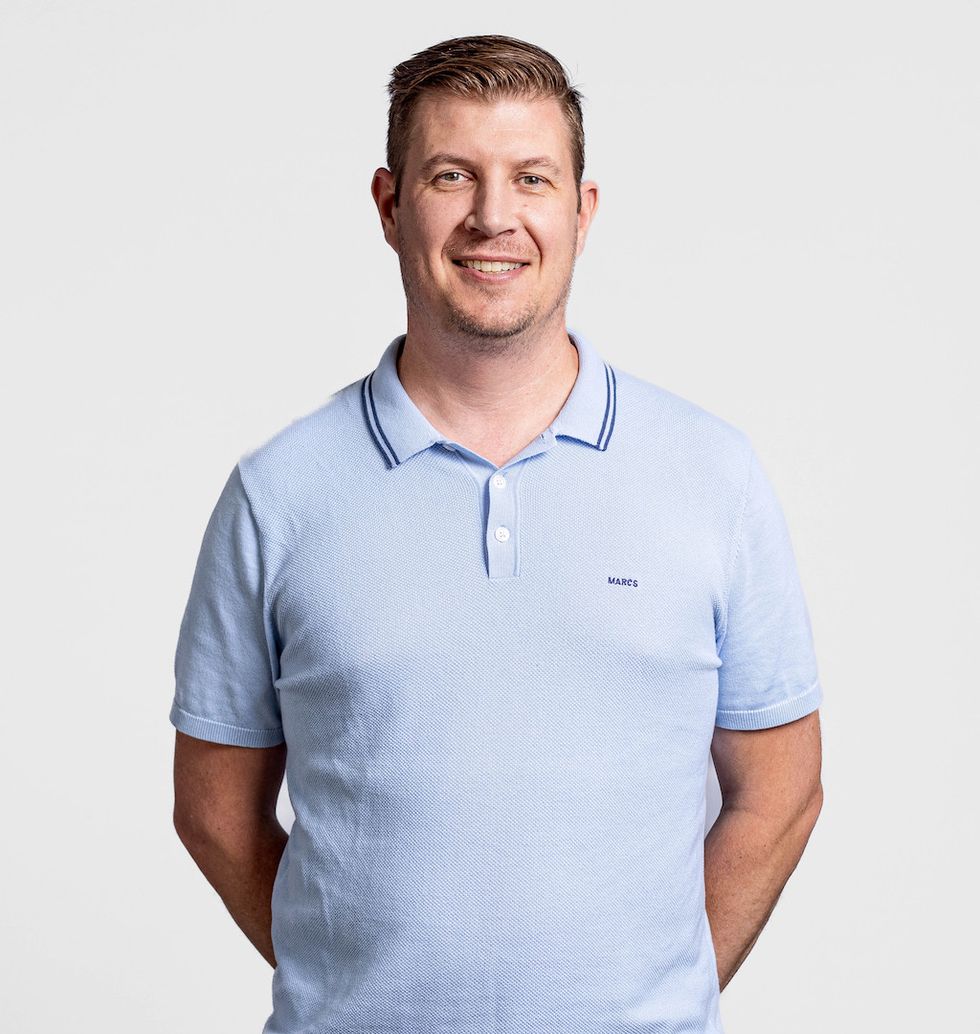
Director of planning and architectural design, Justin Morgan creates immersive, intuitive places through thoughtful planning and design.
With more than two decades of experience across theme parks, resorts, and entertainment destinations, he brings creative problem-solving, a love of local culture and sports, and a talent for making complicated sites work. He is also a quick wit, fun dad, and fearless reinventionist of leftovers.
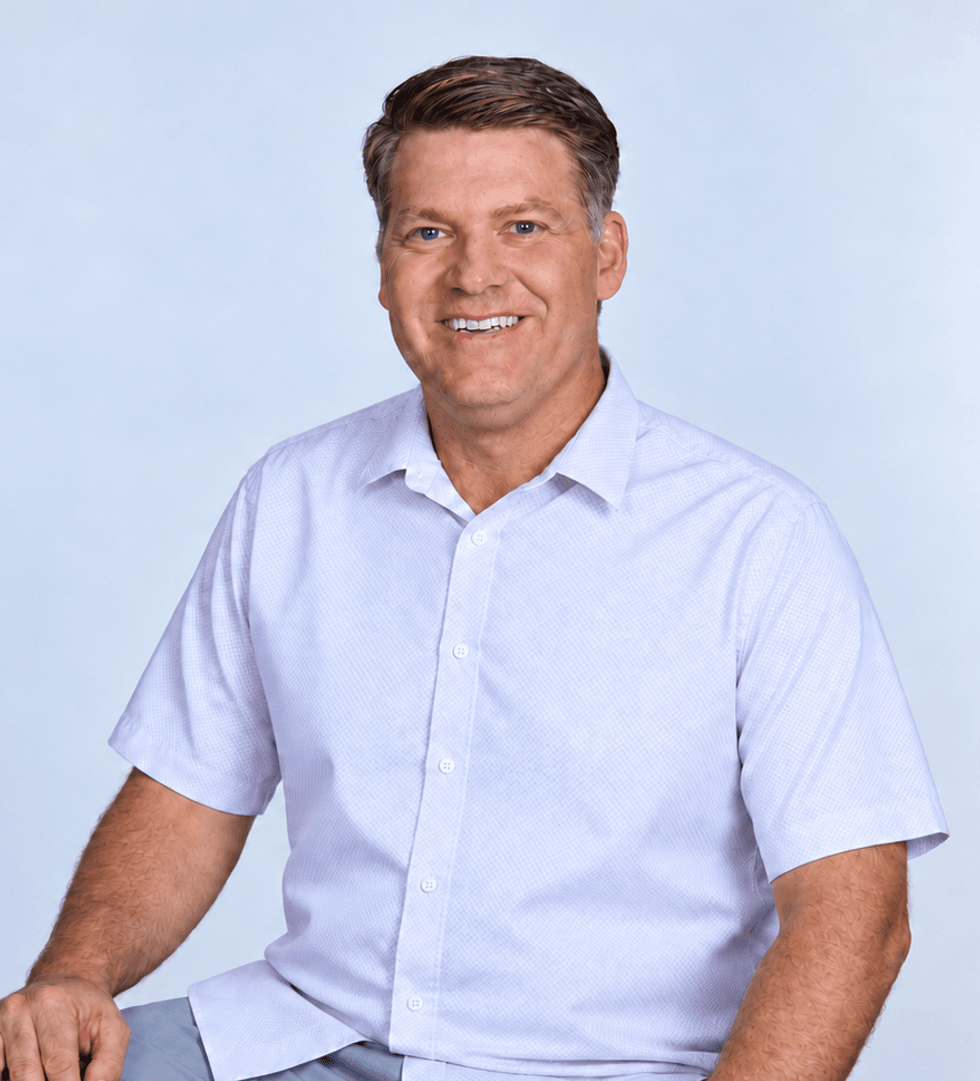
VP of client innovation and technical solutions, Julian Hoare has spent more than two decades turning ambitious ideas into reliable, real-world experiences, connecting technology, guest experience, and commercial strategy to make complexity feel seamless and occasionally magical.
His engineering instincts follow him home, where automation, connected tech, and workshop projects prove “because I can” is still a valid design requirement.
When the ship becomes the destination
Cory Watson: Let’s start with the big question: We’re known for our experience in designing and creating incredible things on land - theme parks, attractions, museums, live entertainment, and more. But we’ve also done visionary work at sea. How do you bring our collective expertise, especially in location-based experiences, to cruise ships?
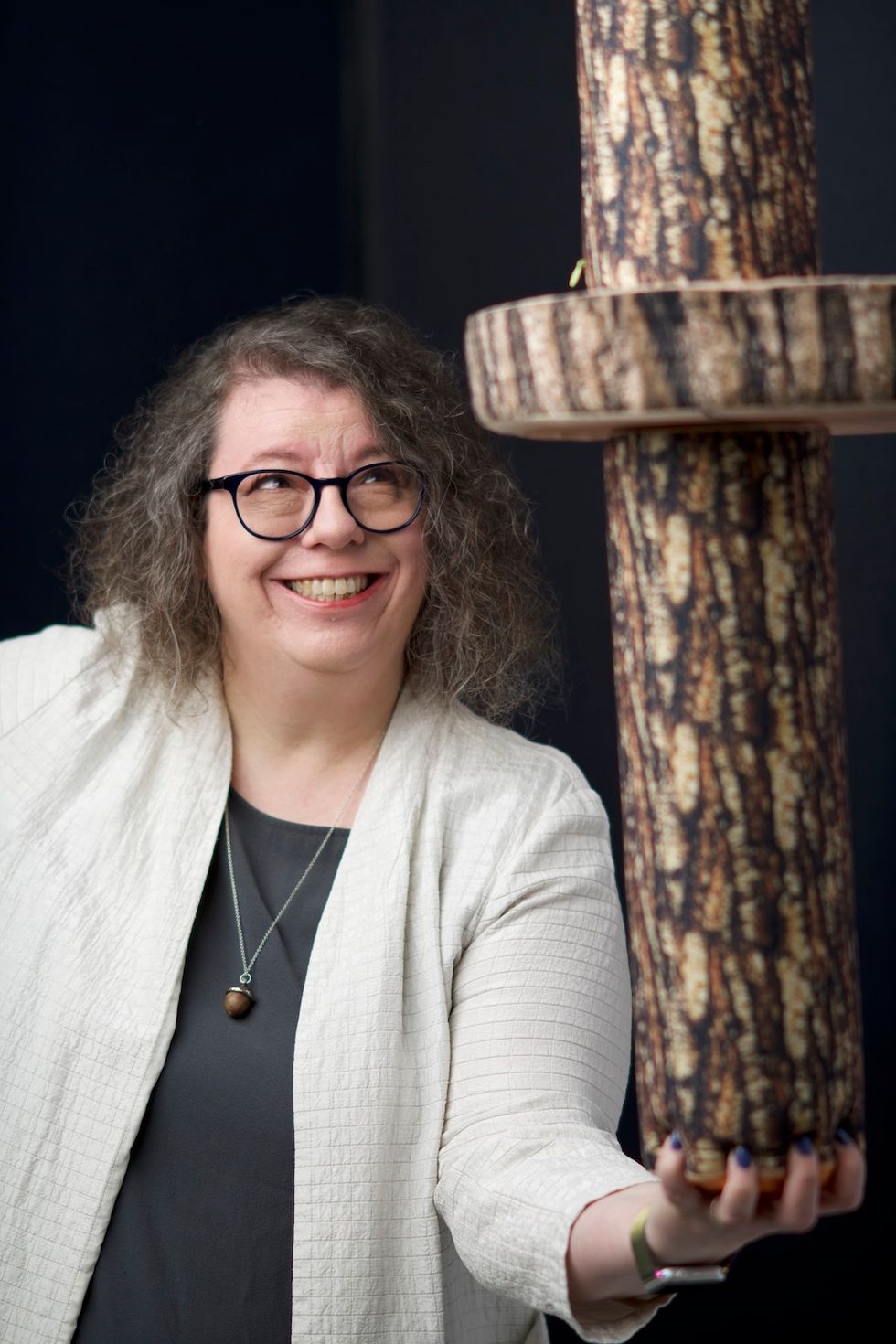
Executive creative director and senior principal at TAIT, Cynthia Sharpe
Cynthia Sharpe: Cruise ships are competing against a very different set of expectations than they did ten or fifteen years ago.
Guests are no longer comparing a cruise only to another cruise. They’re comparing it to the best land-based experiences they can have: a theme park, a destination resort, a major entertainment experience. And those experiences are increasingly holistic. From the moment you make the reservation, you’re being drawn into the story.
Everything is on brand. Every touchpoint feels intentional. Technology, hospitality, physical environments, entertainment, big wows, and small moments. All of it works together, by design.
We understand that totality extremely well.
Arielle Lindsey: I often describe ships as floating Retail, Dining, and Entertainment developments because you really do have a little bit of everything on board. In many ways, they’re like walkable cities. You can go from your accommodations to dinner, to an activity, to a show, to the pool.
And increasingly, the ship itself is becoming the destination.
The ship isn’t simply transporting you to the destination anymore. The ship is part of the destination. - Arielle

TAIT's Arielle Lindsey, project delivery lead
We’re even seeing itineraries add sea days because people want more time to enjoy the ship. We’re getting to cruises to nowhere. That’s a pretty profound shift. The ship isn’t simply transporting you to the destination anymore. The ship is part of the destination. It needs to rise to that expectation and be worth spending your time on.
And there’s something else that makes cruise particularly interesting: there really can be something for everyone.
One person can spend the day at the spa, another can go to trivia, another can be in the kids’ club—and then everyone comes back together for dinner or drinks. It’s an unusually powerful model for shared experiences without requiring everyone to do the same thing.
Designing the whole guest journey
Julian Hoare: The ingredients are all there. The challenge is connecting them.
VP of client innovation and technical solutions, Julian Hoare
We’ve seen successful IP and entertainment deployments on cruise ships, but sometimes those experiences still feel like one small piece of a very large ship.
You go to a theme park, and the experiences are curated to flow from one to another. On a ship, if it isn’t done intentionally, you can go from one experience to something completely different and feel a disconnect.
There’s a real opportunity to create a much more cohesive experience. Every moment there’s a sense of disconnection is a moment of friction, and that risks guest dissatisfaction. Theme parks are a great example of how to avoid that.
Justin Morgan: Julian’s spot on. Theme parks have gotten much better at thinking beyond the attraction itself: what happens before it, what happens afterward, and how the experience connects to dining, retail, and social spaces.
TAIT's Justin Morgan, director of planning and architectural design
That’s a big opportunity at sea. Instead of thinking about experiences as isolated things, think about how they work together.
And operationally, there’s a lot to learn from theme parks. Space is an enormous premium on a ship. A theme park can decide that something is popular and add more queue space. You can’t really do that on a cruise ship.
So, we have to think differently about waiting. People may have to wait, but they shouldn’t feel like they’re waiting. What happens in those moments between the scheduled experiences? Can those moments be entertaining, useful, or even revenue-generating?
The worst thing you can have is a guest sitting in a line doing nothing. Their experience suffers, and their willingness to spend can suffer with it.
Technology in service of the guest experience
Julian: That gets to something theme parks have understood very well: the connection between guest experience, operations, and revenue.
Sometimes cruise operators still treat entertainment and guest experience as an expense, while food and beverage or other onboard services drive revenue. But those things are connected.
A great guest experience can increase spending, improve throughput and turnover, create operational efficiencies, and drive repeat visitation. If the experience is fast, easy, and enjoyable, everybody wins, including the business.
Cynthia: Technology can amplify that, particularly because Cruise has such a global audience and such a global workforce.
Imagine being able to intuitively change signage, menus, or information in a guest’s language. Or dynamically adjust information based on who is looking at it. That isn’t technology for technology’s sake.
That isn’t technology for technology’s sake. That’s technology removing friction and helping people feel seen. - Cynthia
I had a very simple example of this on a cruise. I was at a communal restaurant with two guests who spoke only Spanish. The staff didn’t have a way to provide them with a menu or explain the experience in their language. My college-aged child, whose Spanish was very rusty, ended up trying to translate.
If the technology had simply been there, those guests could have felt cared for by the cruise line from the beginning. This happened on night one of a seven-day cruise. That first interaction sets a tone, and one of their initial deeply positive interactions wasn’t with the staff; it was with a fellow guest.
That was completely by chance. Imagine how badly it could have gone. Technology reduces or eliminates that risk.
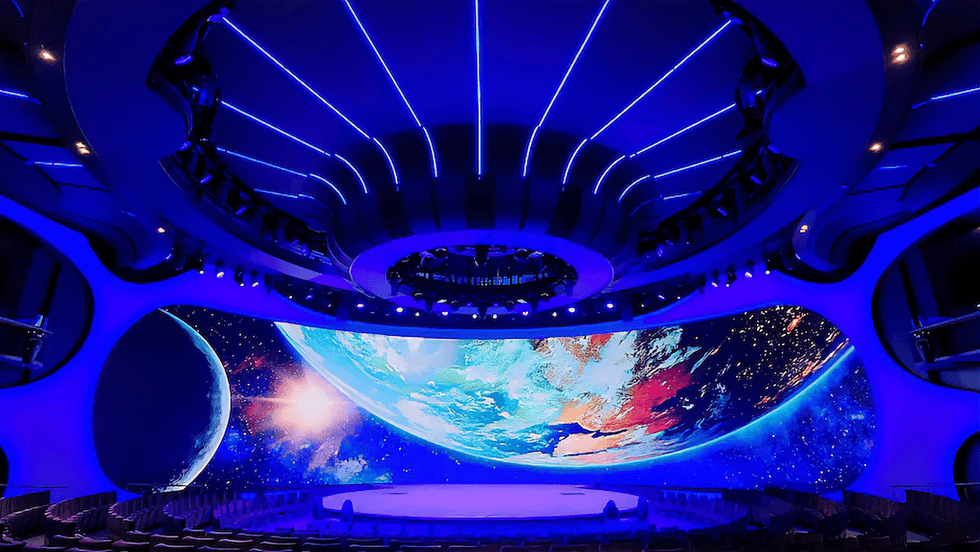
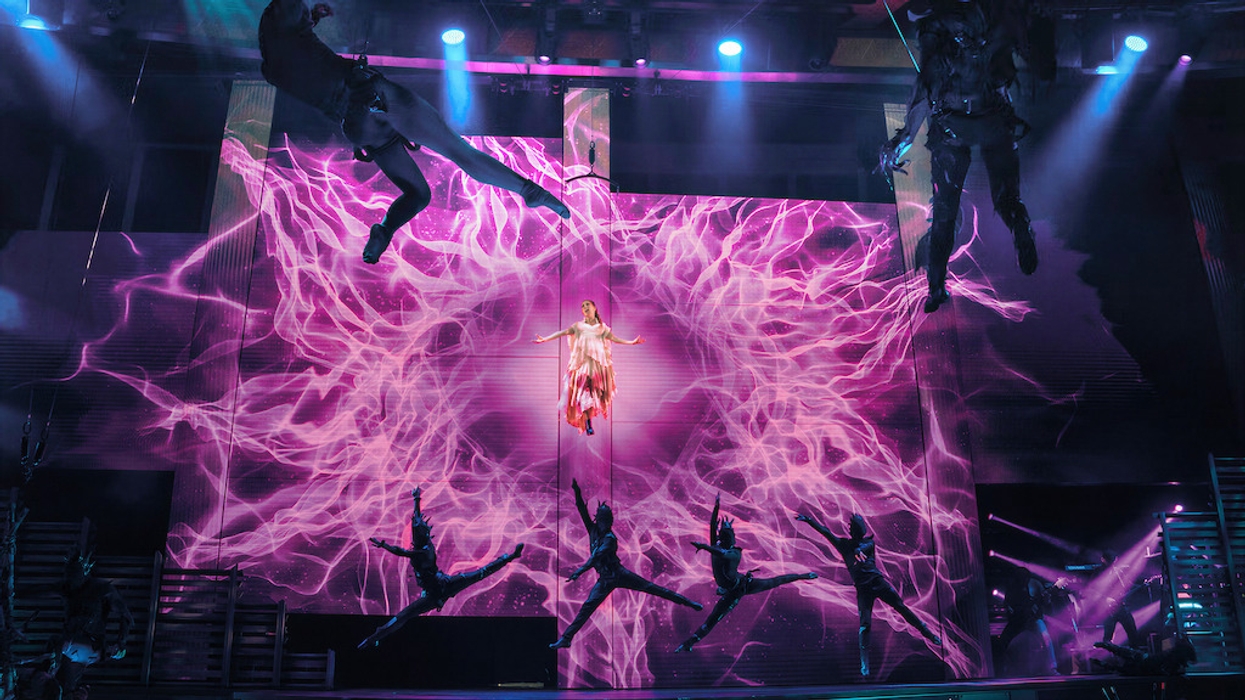
The theatre aboard the Celebrity Apex includes a 22-foot-tall 8K LED Screen, which curves 110 ft around the stage
Julian: And the interesting thing is that a lot of the technology infrastructure already exists.
Cruise ships have digital signage, guest-facing apps, identification, and localization systems. They have audio and video systems. The opportunity is to connect those systems.
If the ship knows where a guest is, what they’re interested in, perhaps what they’ve searched for recently, and what’s happening around them, you can start creating an experience that responds to the moment.
That’s experience management.
And AI is obviously going to create another layer of opportunity. Imagine an AI concierge that can have a natural-language conversation with a guest in their own language, answer questions, or help them navigate the ship.
But the principle has to remain simple: don’t add technology just because you can.
Cory Watson: Right. Nobody wants a cruise ship that feels like a technology demonstration.
Julian: Exactly. It has to be seamless, additive, and complementary. If it feels intrusive or creepy, you’ve made the experience worse.
Bringing story beyond the theater
Arielle: I’d put storytelling into that same category. Storytelling is becoming a real differentiator for cruise lines, and we’re starting to see them experiment with it.
There are experiences with light narrative touches, dinner-theater-style experiences, and entertainment that breaks out of the theater and interacts with guests elsewhere on the ship.
But there’s an even bigger opportunity: agency.
A guest shouldn’t simply be impacted by the story. The guest should be able to impact the story. - Arielle
That’s where I think cruise could become incredibly interesting.
We have a history of bringing entertainment out of the theater. Now let’s bring the theater out of the theater. Think narratively across the entire ship. Why are you doing experience A? How does it connect to experience B? How might something that happens in the afternoon change what happens that evening?
And technology can help make that dynamic, comfortable, and scalable. Guests can lean in or out as much as they want.
Justin: It also has to be flexible.
A ship might run a three-day itinerary, then a seven-day itinerary. It might change destinations seasonally. It might even have to change the itinerary during a cruise. The story or interactive moments may need to change with it.
So rather than building a series of rigid black boxes, we need frameworks that allow experiences to evolve.
Extending the experience beyond the ship
Cynthia: That same idea extends beyond the ship.
Cruise lines are developing private islands, beach clubs, and other destinations they control. That creates an opportunity to carry the experience and the brand off the ship and into the destination.
We see some cruise lines working more extensively with third-party excursion providers to customize standard tours, bringing a distinct branded layer to an otherwise conventional experience.
That creates a much more intentional journey from embarkation, through the ship, to the destination.
Justin: Exactly. It’s the continuation of the story.
The cruise shouldn’t feel like a series of unrelated attractions on a floating hotel that happens to visit interesting places. The ship can be the destination, and destinations can exist within that destination.
Cory Watson: So maybe the destination itself is changing as a concept.
Instead of “the destination is Venice” or “the destination is Sydney,” the destination is the entire experience, from planning to embarkation, to the ship, to the excursion, and back again.
Julian: I think that’s exactly right.
That’s what theme parks do well. You don’t go to a theme park for one attraction. You go for the whole thing, the whole package.
The more cruise lines embrace that idea, the more they can create a similar relationship with their guests and, ultimately, repeat visitation.
Designing for the next generation
Cynthia: And we have to think about who those future guests are.
Gen Z and Gen Alpha are developing very different expectations about leisure. They want access to information, but they want to control when and how they access it. They want to feel informed and in control.
They also have different expectations around safety, community, and social connection. We’re seeing younger generations gravitate toward experiences with their close friends, family, or chosen family.
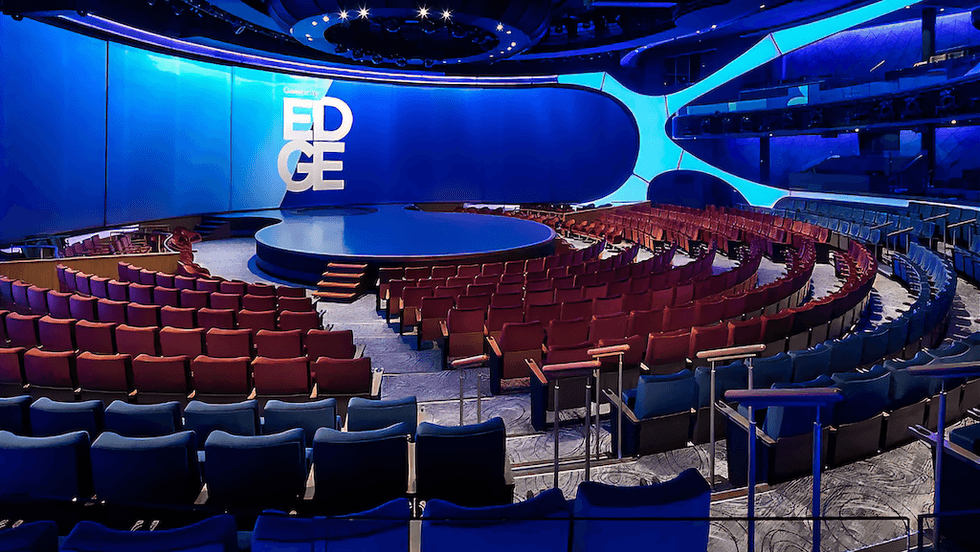
Celebrity Edge’s theatre is a truly immersive experience, featuring four stage areas and eight large moving projection backdrops that create an ever-changing environment
At the same time, cruise lines are wrestling with how to get kids to participate independently in kids’ clubs when they aren’t comfortable separating from their parents or social group.
That matters because those kids will eventually become the people making booking decisions.
They will expect the world to anticipate their needs seamlessly. They can smell artifice a mile away. If a brand talks about sustainability but doesn’t act on it, they’ll call it out.
Cory Watson: So, the challenge isn’t simply making ships bigger.
Cynthia: Bigger still matters in parts of the industry. But bigger comes with consequences, for where a ship can go, what kind of experiences it can offer, and the complexity of operating it.
Building for a moving environment
Arielle: And then there’s the fact that ships are built to last.
A ship may have a lifespan of roughly thirty years. You can’t design something today and assume today's guest expectations will still be the guest expectations twenty years from now. Or even five or ten years from now.
And unlike a theme park, you can’t just close an attraction for two months because it needs work. Everything on a ship has to keep operating while it’s moving.
That means maintainability has to be designed into the experience from the beginning.
Justin: There’s no “pardon our pixie dust” wall on a cruise ship.
Arielle: Exactly. No hiding behind a construction wall.
Julian: We’ve been working on cruise ships for nearly thirty years, and we’ve learned how to execute significant upgrades in very compressed windows. We’ve worked alongside other trades, coordinated complex installations, and overhauled major systems during dry dock.
That experience matters because the cruise environment is unforgiving. You have a short window, a moving asset, and a large number of guests waiting for the ship to return to service.
A destination in motion
Cory Watson: Which may be the most important takeaway of all.
The opportunity isn’t to simply transplant theme-park ideas onto cruise ships. It’s to bring the thinking behind those experiences, the integration of story, technology, operations, brand, revenue, and guest needs, and translate it into an environment with its own very specific constraints.
Cynthia: And that’s where our experience with brands matters, too.
We’re trusted by some of the world’s best-known brands to treat their intellectual property with the same rigor and care they bring to it themselves. But we’re also trusted to understand the brand deeply enough to bring it to life in a completely new context.
We don’t walk in saying, “We know everything about your brand.”
We walk in saying, “We’ve done our homework. Let’s figure out together what it means to live your brand at sea ten, twenty, thirty years from now.”
That humble curiosity is important.
Arielle: Because ultimately, this isn’t about putting more stuff on a ship.
It’s about making the ship feel like a place you chose to experience, not simply a place that happens to carry you somewhere else.
It’s about making the ship feel like a place you chose to experience, not simply a place that happens to carry you somewhere else. - Arielle
Cory Watson: And perhaps that’s the real evolution underway: from the cruise ship as transportation, to the cruise ship as hotel, to the cruise ship as city, and now to the cruise ship as a fully integrated experience.
A destination in motion.
Arielle Lindsey and senior project manager Will Robert will present a TAIT Solution Spotlight Session at IAAPA Expo Europe on Tuesday 22 September, from 1:20–1:40 PM at the Innovation Stage, booth #S4337.