
One of the things I love about the theme park industry is that it is always growing, evolving and changing. On one hand, this keeps the park offerings fresh and new and helps keep up with the latest technical innovations and concepts dreamed up each year by various manufacturers.
The other side of the coin is less obvious, but just as essential. This means growing and evolving your park to keep pace not only with what consumers want right now, but also with broader societal trends.
This includes keeping close tabs not only on what each generation and demographic deems popular at any given moment, but also on things that may have fallen out of favor.
Or even worse… things that were once acceptable that have now been decided are actually now in bad taste or something deemed to be racist, insensitive or offensive.
Examples of the latter kind have come up far more often than you might think over the years, especially when it comes to offensive and even racist depictions in theme parks as they age.
Updating outdated themes
Even Disney faced issues. A few years ago, it retired Splash Mountain, a popular E-Ticket ride, because modern audiences found its “southern" portrayals offensive. The ride was based on The Song of the South (1946), a film rarely released in full due to racism concerns.
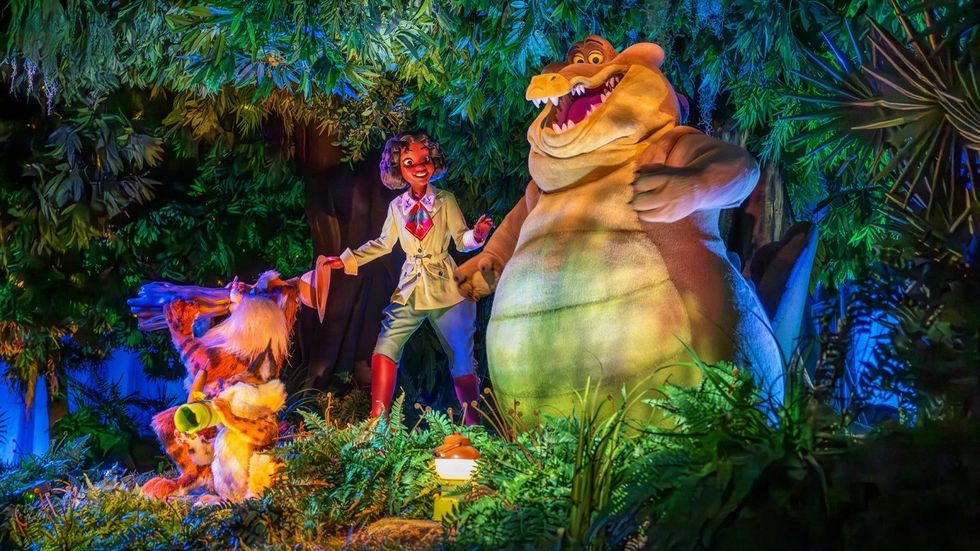 A scene from Tiana's Bayou Adventure at Walt Disney World, a retheme of Splash Mountain
Opened in 1988, Splash Mountain was initially seen as free of such issues. However, Disney later decided to retire the theme, replacing it with a new story based on The Princess and the Frog, debuting in 2024.
Disney has modified attractions multiple times, including scene changes in Jungle Cruise where character animatronics like ‘Trader Sam’ have been altered or removed over the years as public opinion changed.
The various changes over the years to the Pirates of the Caribbean attractions have also been well documented regarding the treatment of women that did not age well.
Such changes are common and not unique to Disney.
Several European parks have also changed how various cultural figures are depicted over time, as part of periodic updates to the attractions. Some did so in response to complaints, while others simply recognised that times had changed and proactively updated them without drawing media attention.
Rides for the whole family
While old stereotypes have mostly been erased, the global attractions industry has always evolved alongside changing guest expectations.
Looking back, every generation has redefined what constitutes a memorable day at a theme park, from the golden age of amusement parks to the transformation into theme parks, and from the rise of blockbuster roller coaster thrills never before imagined to the emergence of immersive themed lands and destination resorts.
See also: Beyond the kiddie coaster
Today, even as the industry is in the middle of one change, we are also approaching another pivotal moment when things will have to evolve again to appease the next generation.
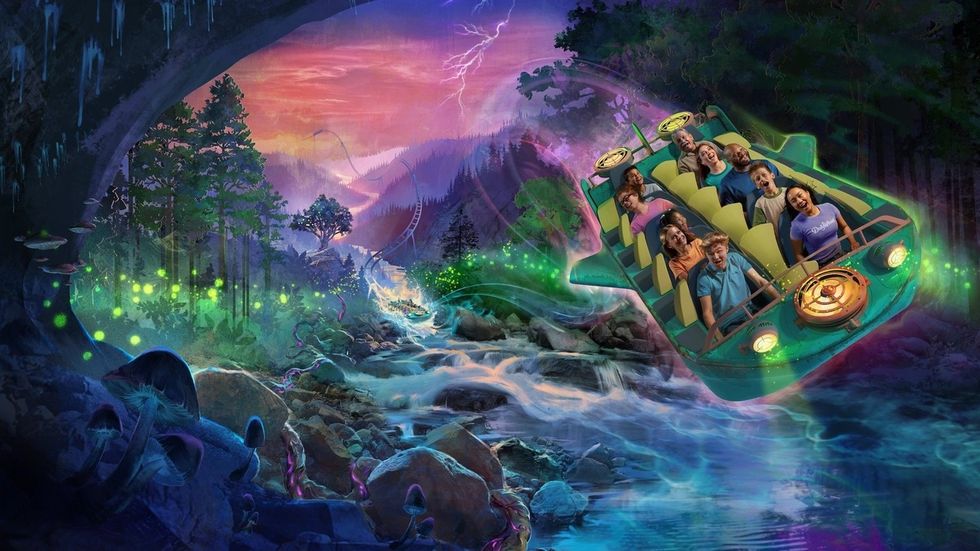
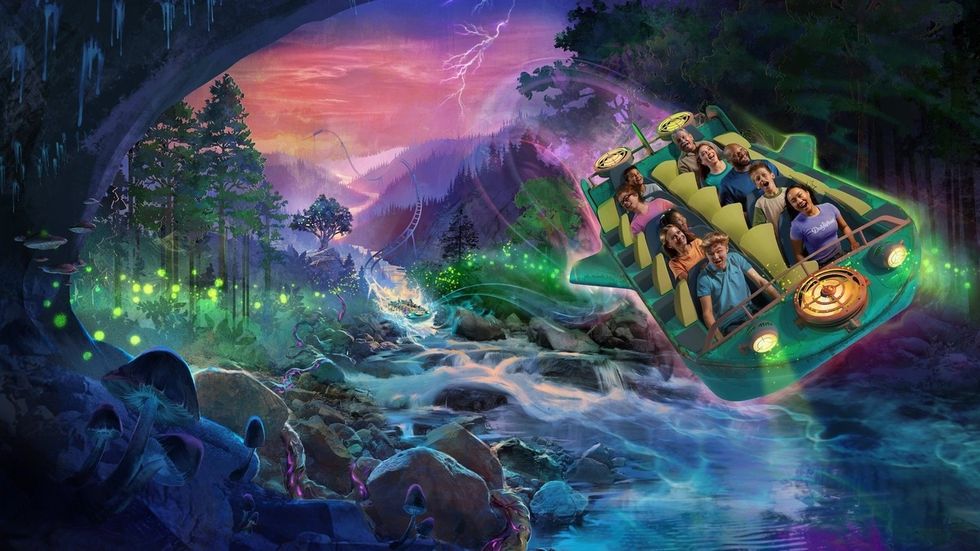 NightFlight Expedition is the largest attraction investment in the history of Dollywood Parks & Resorts
On one end of the spectrum, I’ve previously mentioned how parks have already started to adjust their offering to appease a population base of dedicated theme park fans that are just getting older.
They may not be as attracted to hard-core thrill rides as they were in their youth, but as a generation that grew up visiting theme parks, they still come to visit and often bring along children and their grandchildren. As such, I already see increased demand for multi-generational attractions.
So while the time may not be right for a roller coaster with 10 inversions, it may be the perfect time for something new and unique, like a custom dark ride experience that guests of all ages can enjoy, such as NightFlight Expedition at Dollywood.
New versions of much-loved attractions
If a beloved attraction has reached the point of being retired, then it is possible to build an all-new version of it for the next generation, as Silver Dollar City did in 2024 when it opened a brand new version of Fire in the Hole.
Knott’s Berry Farm has also spent much of the last 15 years either building new attractions based on lost classics, like 2021’s Knott’s Bear-y Tales: Return to the Fair dark ride, or taking efforts to update and preserve classics like the Calico Mine Ride and Timber Mountain Log Ride.
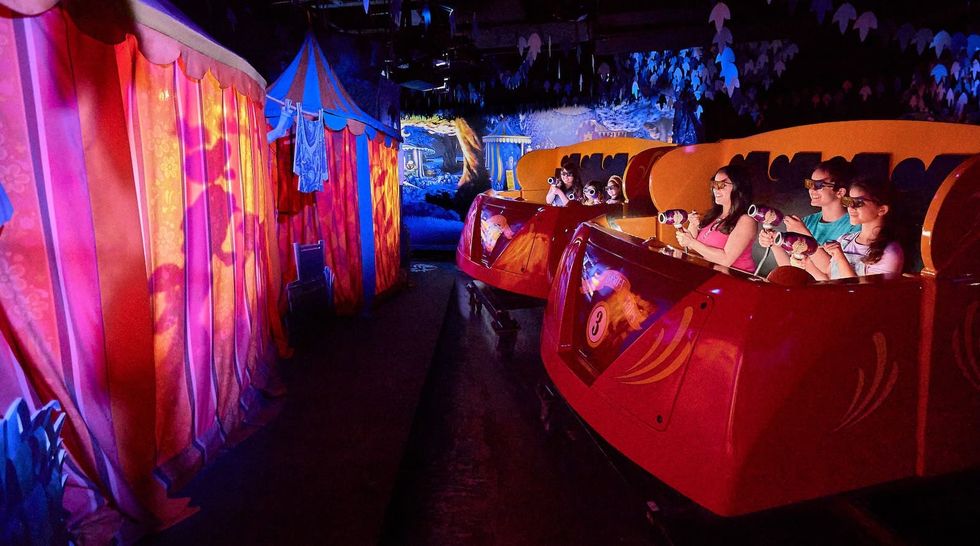 Engaging a new generation of fans: the return of Knott’s Bear-y Tales
And after a 4-year renovation, the park will reopen the closed Montezooma’s Revenge shuttle coaster as Montezooma: The Forbidden Fortress this month.
This last effort is kind of a fun one to think about as well: instead of being a dark ride, “Monty” is a classic 1978 Schwarzkopf Shuttle Loop coaster.
However, the design is far from extreme and as classic as you can get, with the original ride design upgraded to offer new theming, new trains, and a modern-style magnetic launch and braking system.
Going forward, for current and future generations, Montezuma will still serve the very important purpose of being a fantastic introduction for younger riders to experience their first roller coaster inversion.
The great thing is that while the thrill is still fun, it isn’t so extreme that a parent or grandparent couldn’t ride along with the child, making it a memorable option for families of all ages to experience together.
What do Gen Z and Gen Alpha want from a park experience?
So the question now is… what should we expect from future generations?
The next generation of park visitors will be led by “Generation Alpha” (born between 2012 and 2024) along with the younger half of “Generation Z” (born between 1997 and 2012).
Technology has been a key defining factor in the lives of both generations, with Gen Z being the first to grow up with the internet and the knowledge and changes it brought to the world. They were also the generation to see the birth of the smartphone from early childhood, connecting their world to the internet at all times.
Another major influence on Gen Z is that most of them had parents who fell firmly into the infamous Gen X demographic (1965 - 1980), the generation that grew up around the big theme park boom of those years.
So, it stands to reason that Gen-X parents not only took their Gen-Z kids to visit theme parks often, but there's also a good chance they are still visiting and starting to take their grandchildren as well.
 Gen Z are digital natives, and technology plays a key role in their lives and experiences
This brings us to the Generation Alpha kids, who have been surrounded by technology from birth.
They were probably given tablets to play with or be entertained by as infants, had their own smartphones before finishing elementary school, and grew up being able to stream video content on an as-needed basis rather than waiting for a show to come at a certain time.
They had access to video games, social media, and the rise of smart speakers with artificial intelligence-driven answers to nearly any question they could dream of asking.
Because they have instant access to information or content of any kind at all times, their expectations of how things work, especially in terms of entertainment, are fundamentally different from those of all previous generations.
In their world, “Google” isn’t just a brand; it's become a verb, and one they leaned into heavily during periods of isolation in the pandemic years, when staying at home was the norm.
According to studies, Gen Alphas value participation over simple observation, personalised experiences over a one-size-fits-all approach, and meaningful experiences over generic ones.
For theme parks, zoos, aquariums, FECs, attractions, museums, and even resorts, understanding the next generation of customers will be more of a challenge. The attractions that thrive over the next decade may not be the ones that spent extra to build the tallest, fastest, or longest new rides.
Instead, your success may depend far more on how well you understand how this generation thinks, interacts, and what concepts they will base their purchasing choices on.
Interactivity and personalisation
As mentioned, this is a generation born and raised on the concept of interactivity. Remember, this was the generation that didn’t sit and wait for the TV shows they wanted to see to come to them on a schedule; instead, they could stream and binge-watch whole series at the touch of a button.
Gen Alpha grew up with media apps that not only remembered what they had watched, but also used algorithms to suggest new programs they might like to watch next.
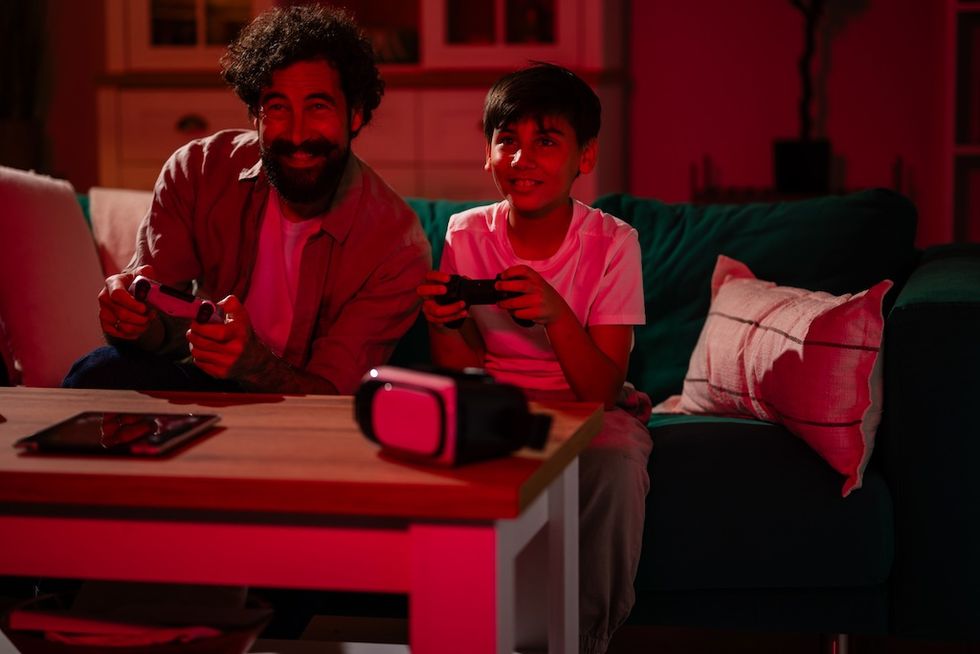 Video games are increasingly influencing theme park design
The video games they grew up playing are not just simple side-scrollers taken on a linear path. Instead, today's games often feature different outcomes that reveal themselves based on players' choices.
Open-world gaming concepts are the norm, and some of the best experiences are had through multiplayer. As a result, Gen Alpha will increasingly expect their entertainment to evolve in response to their own actions, likes, and dislikes.
This shift in attitude will have significant implications for attraction design. While mechanical ride systems will always be essential for parks and attractions, guests will increasingly seek experiences that let them be active participants rather than passive spectators.
They will want to see this need met not only on the attraction itself, but also in the queue. This can take the form of character encounters and storytelling, gamified challenges or missions played out possibly via mobile devices, and more.
Disney and Universal rise to the challenge
I would say that the newly introduced version of the Millennium Falcon: Smuggler’s Run at Disneyland and Walt Disney World would very much be in response to this concept. At its heart, the attraction is built like a giant video game.
Thanks to the latest version that just opened a few months ago, Smuggler’s Run now features three different possible missions you can embark on, each with its own unique outcome, along with different tasks to perform along the way, depending on which seat/station you are manning during the adventure.
It is a great start, and much like how we’ve seen new additions to Star Tours over the years, I think we will continue to see this attraction grow and expand with even more missions as time goes on.
Universal has also been tackling the same sort of concept, but in a different way, offering an expanding series of interactive elements across its themed lands, especially at the new Epic Universe park.
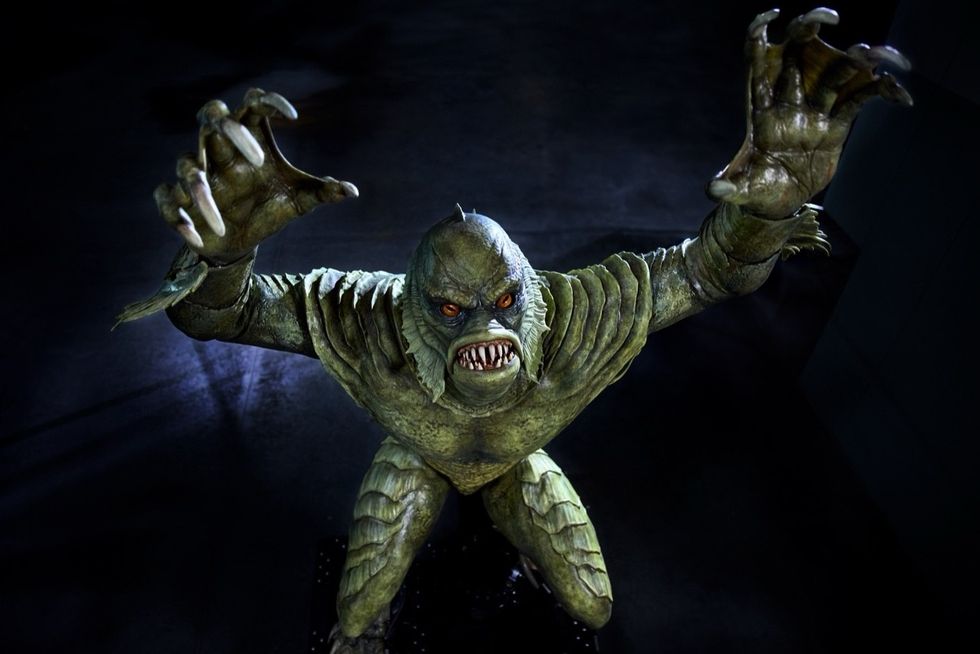 Animatronic monster in Dark Universe at Universal Epic Universe
Each land offers a different form of interactivity that would appeal to Gen Alpha and Gen Z guests.
The Isle of Berk has created a very visually diverse land full of different dragons and characters to interact with, as well as featuring some of the park’s more physically demanding attractions.
Epic’s new extension into The Wizarding World of Harry Potter continues the tradition of interactive stations where guests can engage with the world by purchasing a Magic Wand.
Dark Universe has quite literally brought the world of the Universal Monsters to life in a way that is both very exploratory as well as interactive, thanks to the use of a variety of live-action characters that can be found as you explore the world.
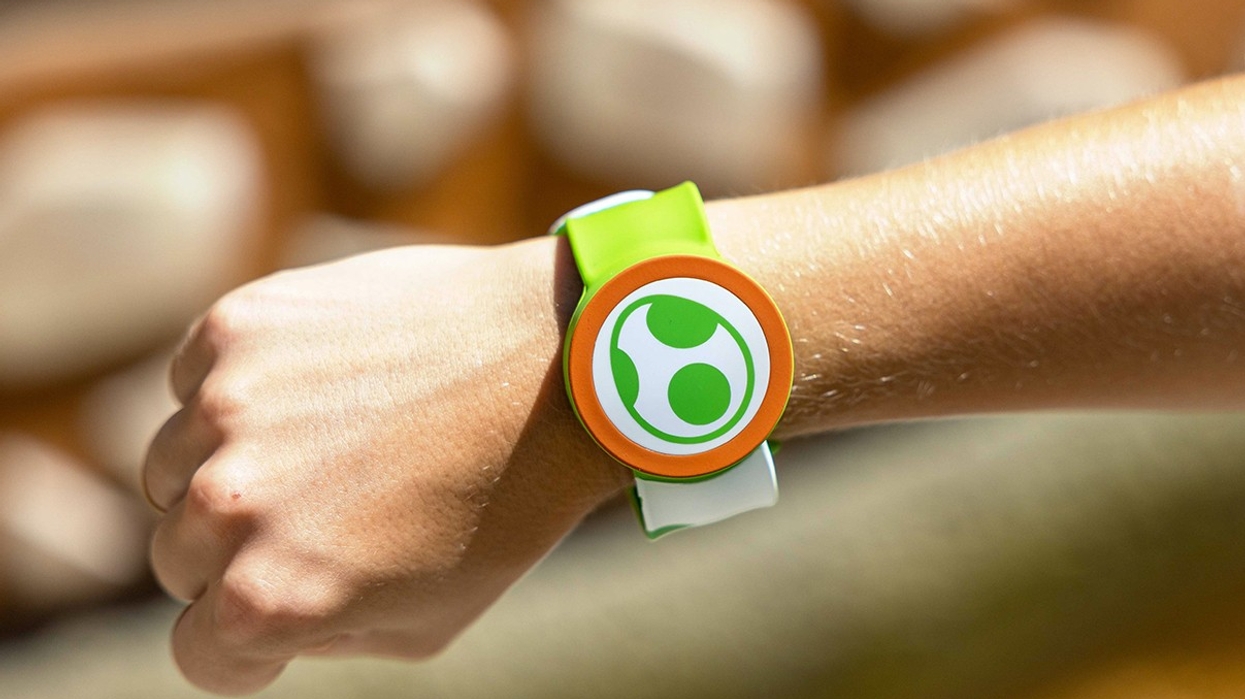
Finally, we have Super Nintendo World, where guests can purchase a wristband that not only allows them to interact with the entire video game-like world itself, but also syncs with a mobile app to track and score how they play, not only on the first visit, but also on future visits, so they can continue to grow their experience level.
Being themed to the world of Nintendo in general, you know the level and extent of the gameplay just had to be next level, with interactive moments not just spread throughout the land, but into the restaurants, shops, attractions and even the queues as well.
Embracing innovation
Clearly, we can already see early adopters responding to the needs of future guests by designing attractions that encourage exploration and discovery, not just pushing them through a queue into a predetermined narrative.
Parks will need to keep creating new environments where visitors can influence their experience through the choices they make and the actions they take.
And yet… even this might not be enough if the number of choices or end results becomes stagnant.
This is where the rise of AI in theme park environments can come into play, helping keep parts of the experience evolving over time, even when budgets may not allow for full rebuilds or updates.
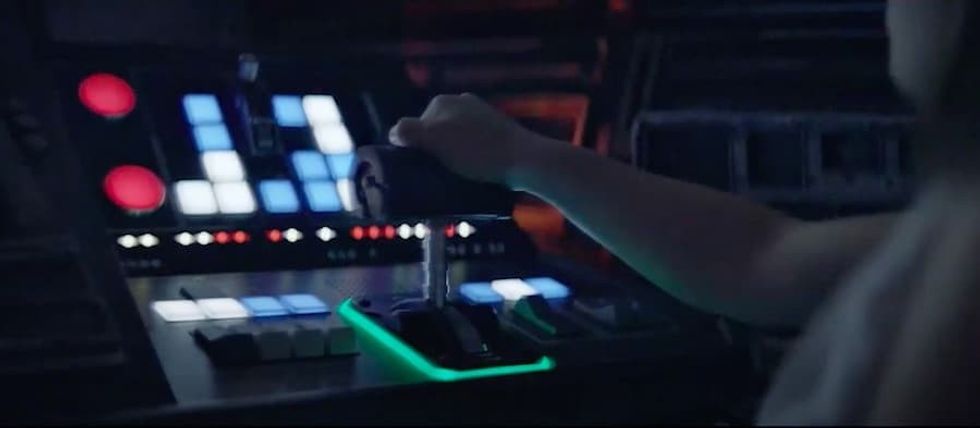 Millennium Falcon: Smuggler's Run allows visitors to influence the experience
Even after the guests return home, a digital platform could continue to reach out to communicate and engage with guests, both extending the “story”, perhaps to provide in-park photo links for social media posts, or online games that may offer some kind of reward redemption for points.
Even more important, continued engagement with guests can generate links and reminders for future return-trip planning.
Park and attraction operators that embrace innovation while still remaining focused on creating truly authentic guest experiences will be well positioned to thrive in this increasingly competitive marketplace.
However, in the end, the most successful attractions may simply be the ones that have come to understand the simplest of truths.
Guests may not always remember exactly what they did or everything they saw, but they will remember who they went with and how the experience made them feel.