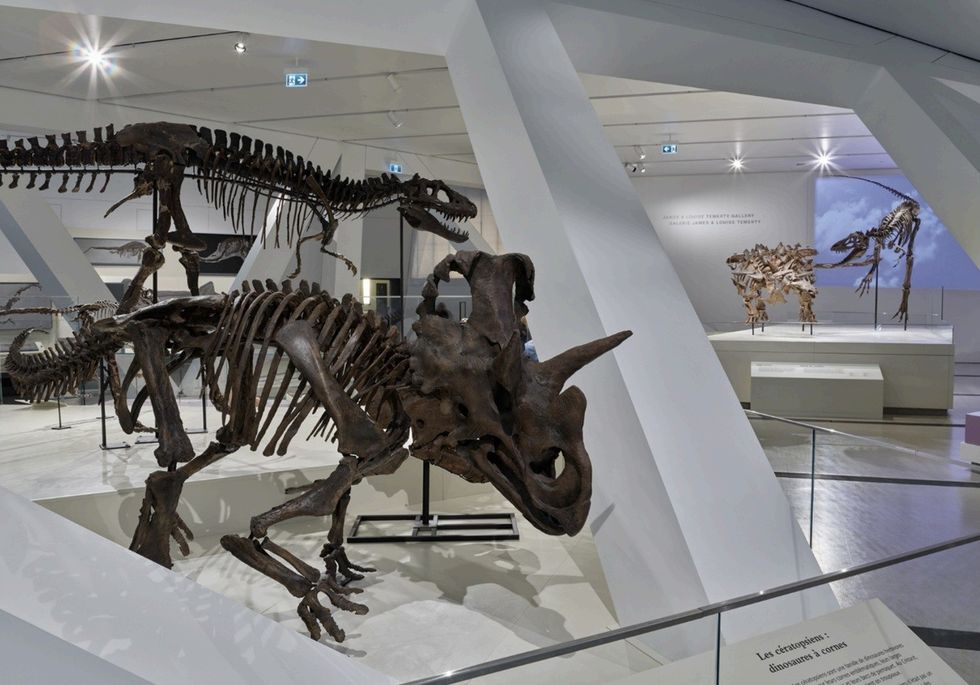
Research Casting International (RCI), an expert in the preservation, restoration, and fabrication of museum specimens, has worked with The Royal Ontario Museum (ROM) on its newly renovated exhibition, The James and Louise Temerty Galleries of the Age of Dinosaurs, which opened to the public on 5 December.
Expanding the vertebrate palaeontology gallery by 3,500 square feet, the project has enhanced the visitor experience and facilitated new programmes and exhibits.
Specimens on display include iconic and unusual dinosaurs, fossilised plants, insects, and marine life, and feature the permanent return of the large, notably well-preserved Zuul crurivastator.
Garth Dallman, operations manager, says: "RCI is humbly proud of our role in assisting the ROM to display their world-class paleontological collection to the public."
The renovation forms part of the OpenROM project, a $130 million, multi-year project to transform the museum's main floor and Bloor Street entrance into a free, open, and accessible public space.
Vast & varied collection
RCI's team of technicians was required to move hundreds of specimens, including many that are unique, and safely and meticulously disassemble, store, and reinstall them in the refurbished space.
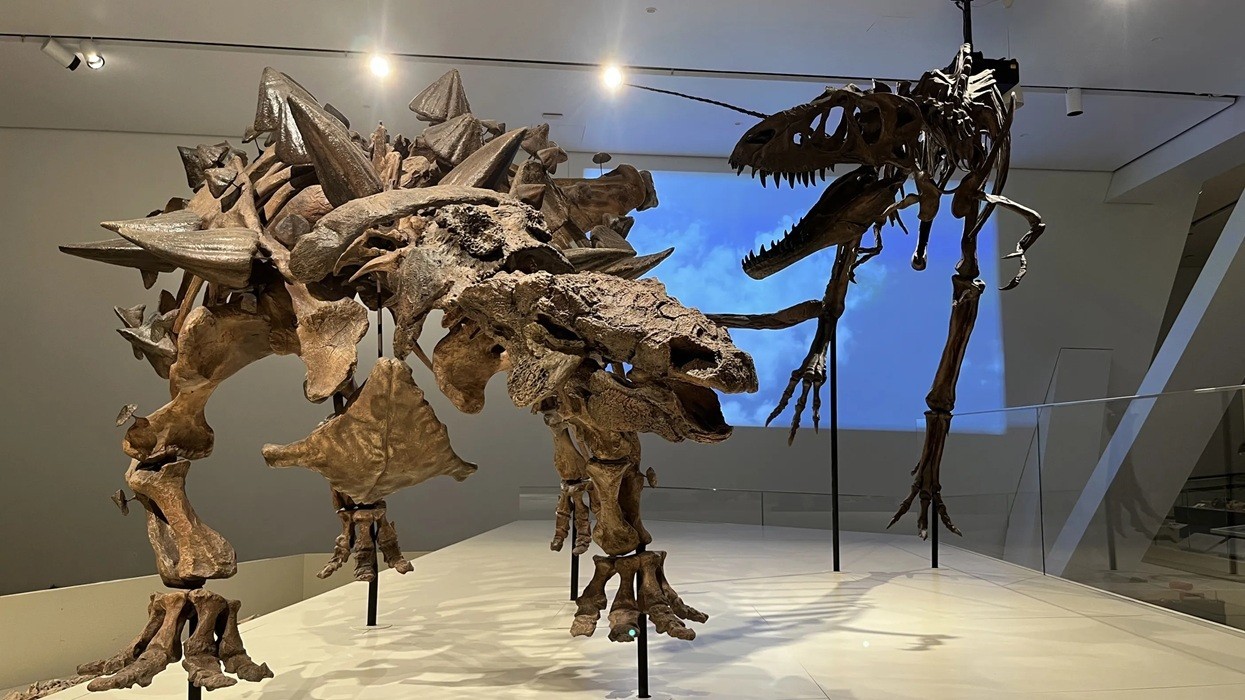
A new exhibit in the refurbished gallery is the newly described ankylosaur species Zuul crurivastator. With unique preservation of the skin and armour surface, this specimen is one of the most significant paleontological finds in recent memory.
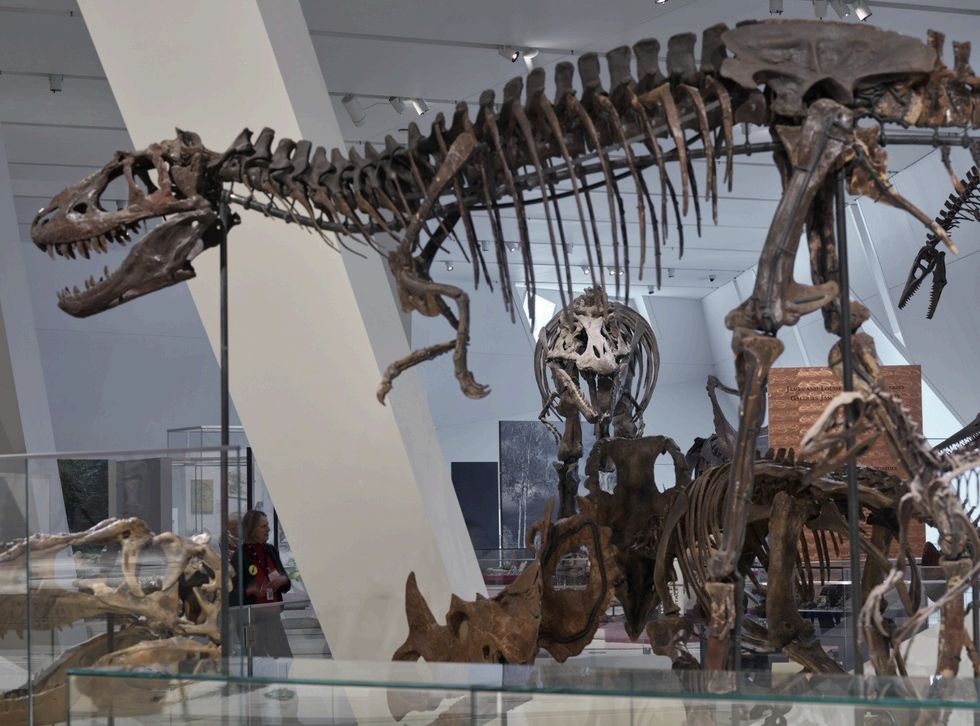
The fossil specimen is on display next to a dynamic attack scene featuring a Gorgosaurus and a Zuul skeleton in combat, fabricated by RCI.
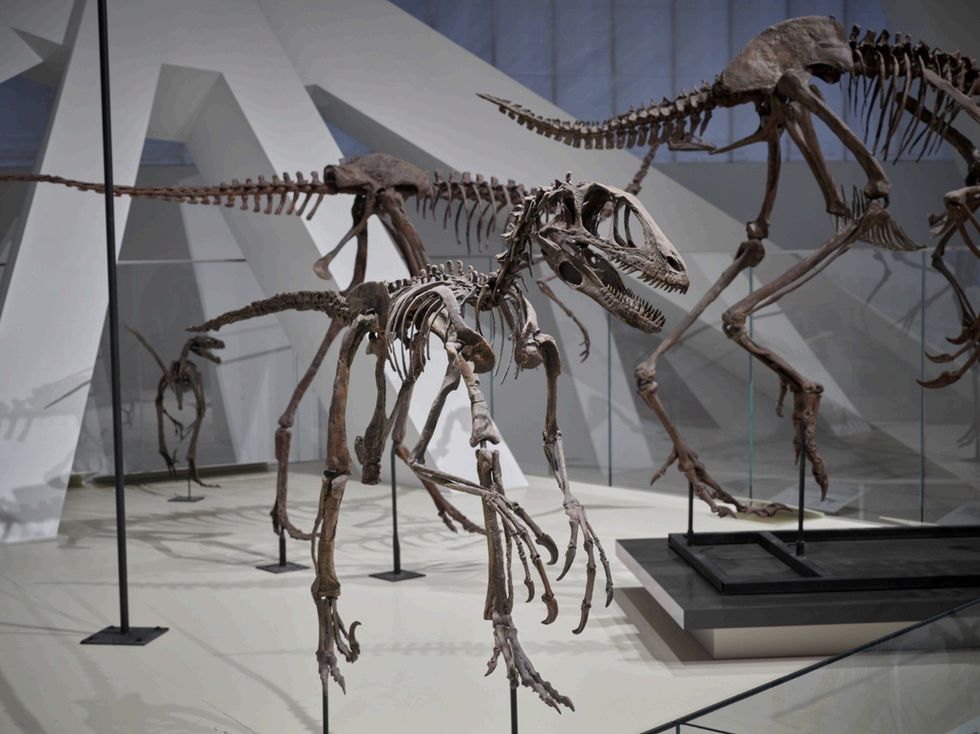
Other specimens that were taken down and reinstalled included a fossil Gorgosaurus skeleton, an Allosaurus skeleton, a Wendiceratops skeleton, hanging aquatic reptiles, and many other fossil plaques of early species.
Recently, RCI celebrated the opening of The Clapp Family Mastodon exhibit at the Grand Rapids Public Museum (GRPM) in Michigan, US.
Here, a 3D-scanned recreation allows museum visitors to see the skeleton of a juvenile mastodon while preserving the original bones for further research.