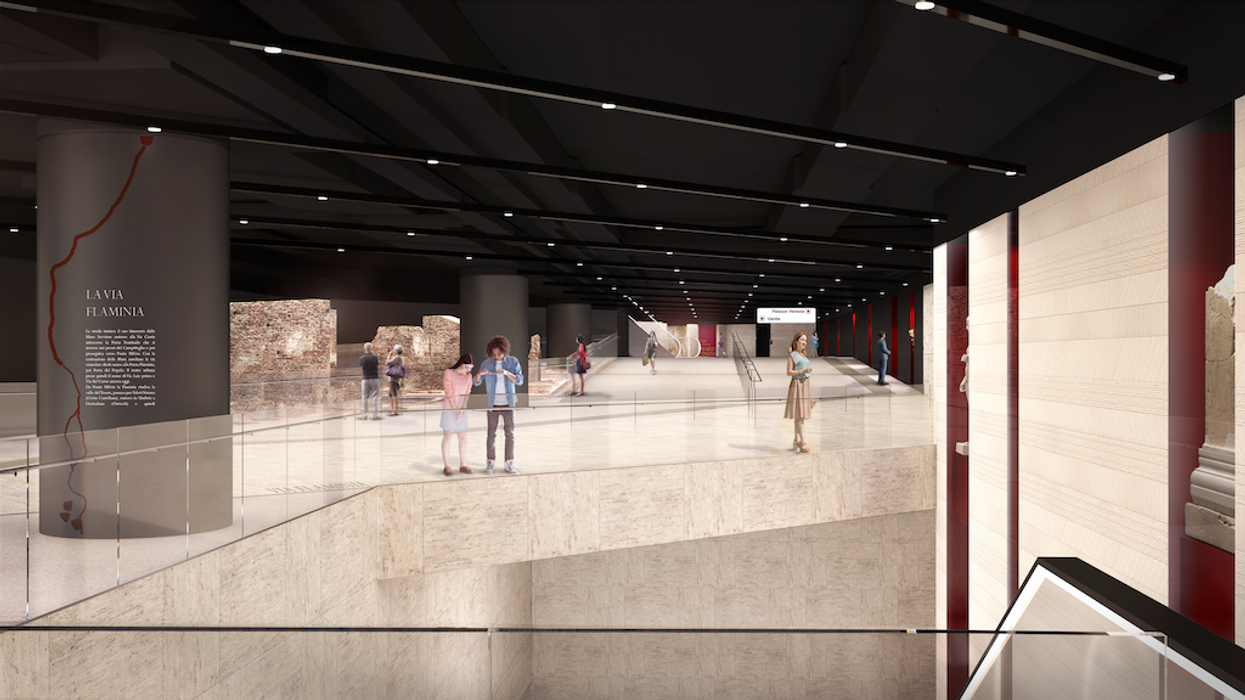

Engineers and archaeologists involved in Rome's new Metro C line state that findings from deep excavations will be integrated into pioneering "museum stations," enabling passengers to embark on a journey through history.
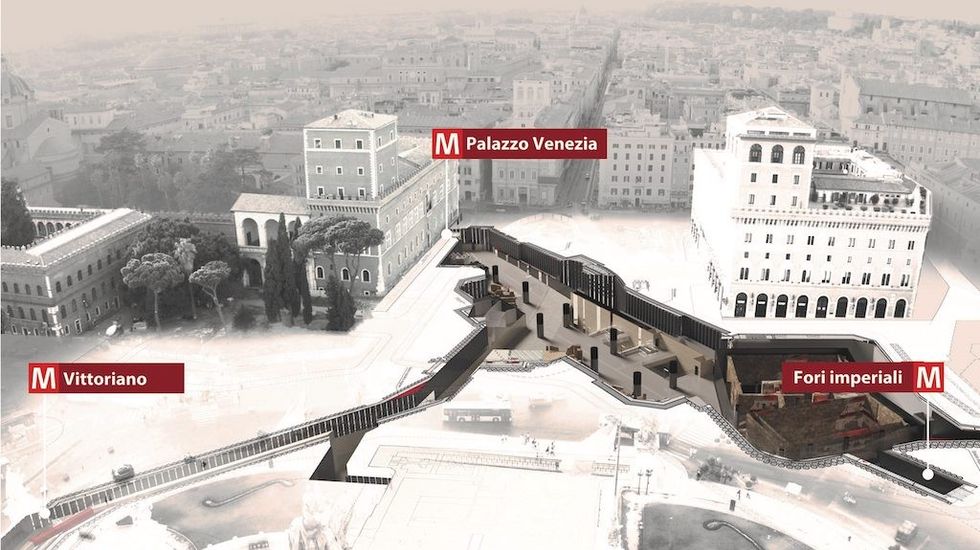
Piazza Venezia, currently a large construction zone, is central to the project, having yielded some of the most important archaeological discoveries in recent years.
Project manager Andrea Sciotti told CGTN that the team is deeply aware of its responsibility:
"I am very proud to be overseeing this project, both as a technician and as a Roman. As we excavate and travel back in time, we consider the metro as a kind of connection with the Roman architects and engineers who came before us."
Revealing layers of history
Sciotti characterises the Piazza Venezia stop as a uniquely difficult engineering challenge within the city. Excavation extends to 85 meters underground, revealing layers of Rome's 2,800-year history.
Rome is not only extensive in length and width but also in depth. It has been constructed in layers, making it a delicate task to preserve its archaeological heritage.
Archaeologists at the site have discovered homes, shops, and workshops from the early Roman Empire, which will be integrated into the world's first "museum-station" concept.
The San Giovanni "archeostation" is now open to the public, featuring glass cases displaying remnants of a 1st-century CE farm, including peach stones and irrigation systems.
When finished, Metro C will span 26 kilometres and feature 29 stations, connecting the southeastern suburbs to Rome's historic centre. Construction started in 2006 and is projected to continue until 2035, with an estimated cost of about $8 billion.
It's not the first time that underground stations and the world of museums have come together. In 2021, the Prado Museum in Madrid displayed a selection of its artworks at Shanghai's Longhua metro station, with the pop-up continuing until February 2022.
Guests could use a QR code next to each artwork to access the Prado Museum's dedicated WeChat Mini Program. This enabled them to 'collect' artworks, listen to audio guides, and view videos.
'Encounter The Prado' followed similar pop-up exhibitions in China organised by cultural institutions such as the British Museum and the National Gallery.