The 43rd China (Beijing) International Amusement Rides and Equipment Expo (CAE) has concluded in Beijing, bringing together 600 exhibitors from over 40 countries and regions and underscoring the continued transformation of China’s cultural tourism and attractions sector.
Organised by the China Association of Amusement Parks and Attractions (CAAPA), the event took place from 19 to 21 March in the Phase Two venue of the China International Exhibition Centre in Shunyi District, Beijing.
Alongside the exhibition, an extensive programme of forums and industry discussions explored key themes, including artificial intelligence, IP development, immersive experiences, and international collaboration.
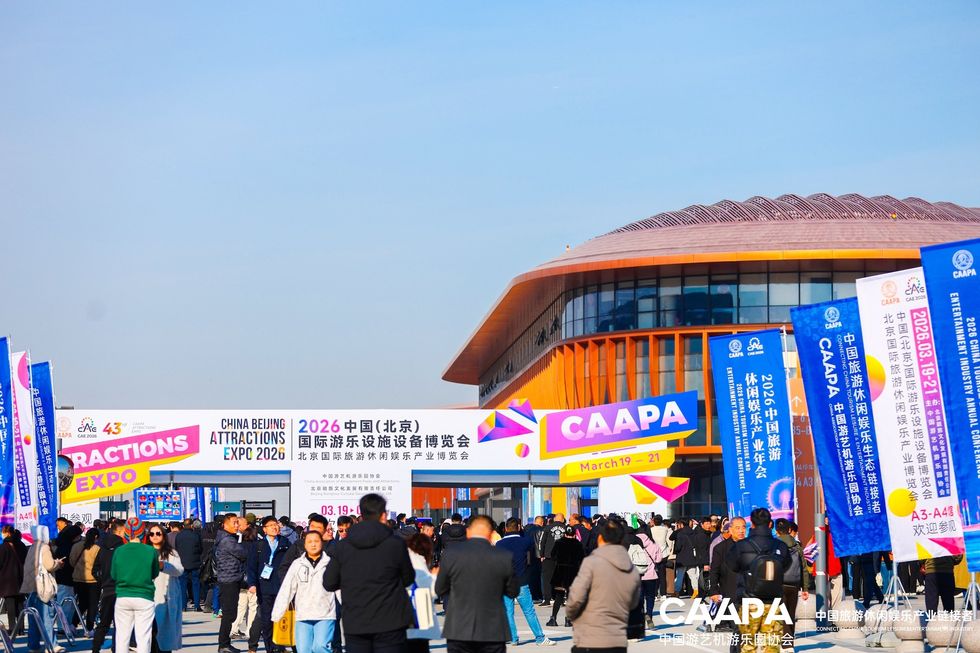
More than a trade show, CAE 2026 positioned itself as a barometer of structural change within China’s visitor attractions market—one that is increasingly defined not only by scale and manufacturing strength, but by narrative, experience design and global ambition.
A maturing industry within a national strategic framework
The opening ceremony set the tone for the event, framing the cultural tourism sector as a key driver of China’s economic and social development.
Officials highlighted the role of the tourism and leisure industries in stimulating domestic consumption, improving quality of life, and supporting high-quality growth—priorities reinforced in China’s current “15th Five-Year Plan”.
Within this context, amusement equipment and attractions infrastructure were positioned as essential enablers of cultural tourism development. The emphasis was not only on expanding supply but also on enhancing the quality, diversity, and cultural depth of experiences.
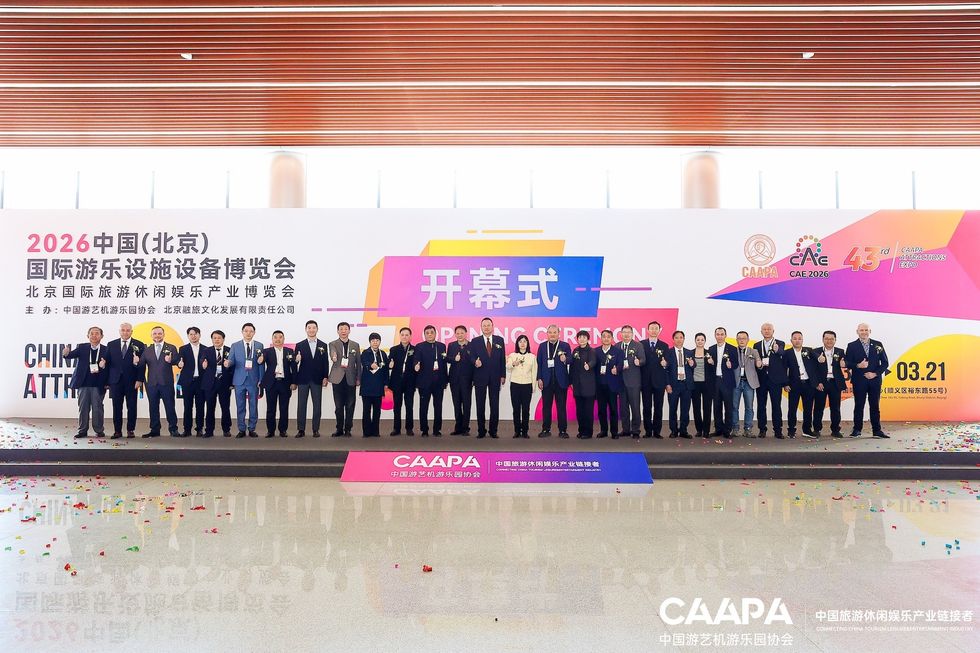
This reflects a broader shift in policy and industry thinking: from rapid expansion to qualitative refinement. The integration of culture, technology and tourism, frequently referenced throughout the event, has become central to this evolution.
Over more than four decades, CAAPA’s flagship expo has grown alongside the industry itself. What began as a primarily domestic platform has developed into a major international event, combining trade, knowledge exchange and strategic dialogue.
The scale of CAE 2026, with its diverse exhibitor base and comprehensive conference programme, illustrates both the maturity of the Chinese market and its increasing openness to global engagement.
Exhibition floor: expanding ecosystems and application scenarios
The exhibition brought together companies from across the entire attractions value chain, including ride manufacturers, technology providers, design firms, operators and service companies.
The diversity of exhibitors reflected the industry's increasingly integrated nature.
Notably, the scope of applications for attraction technologies continues to expand. While theme parks and amusement parks remain core markets, there is growing demand from museums, urban public spaces, cultural destinations, retail environments and mixed-use developments.
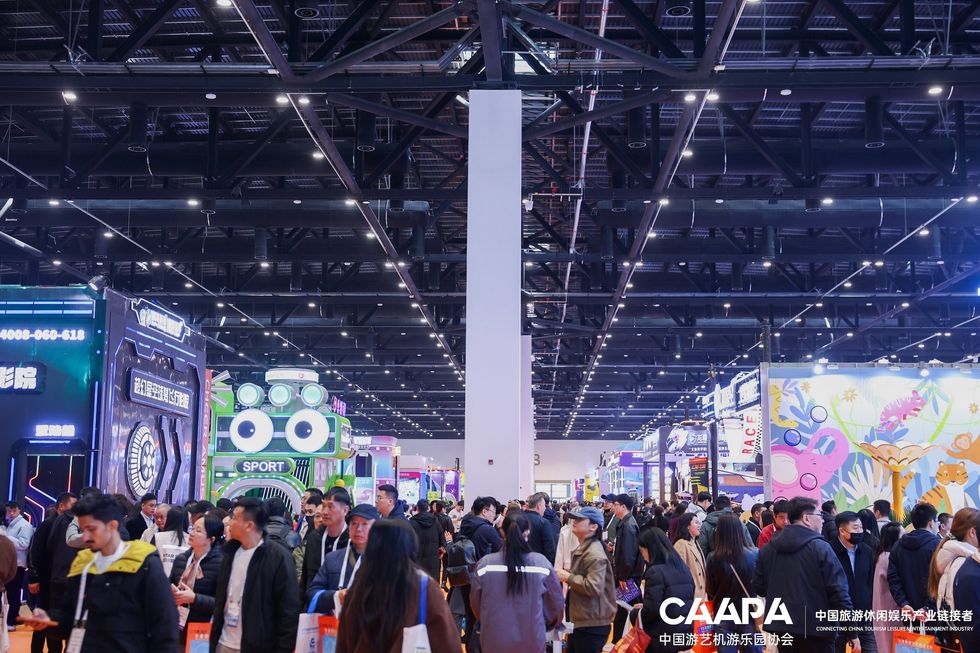
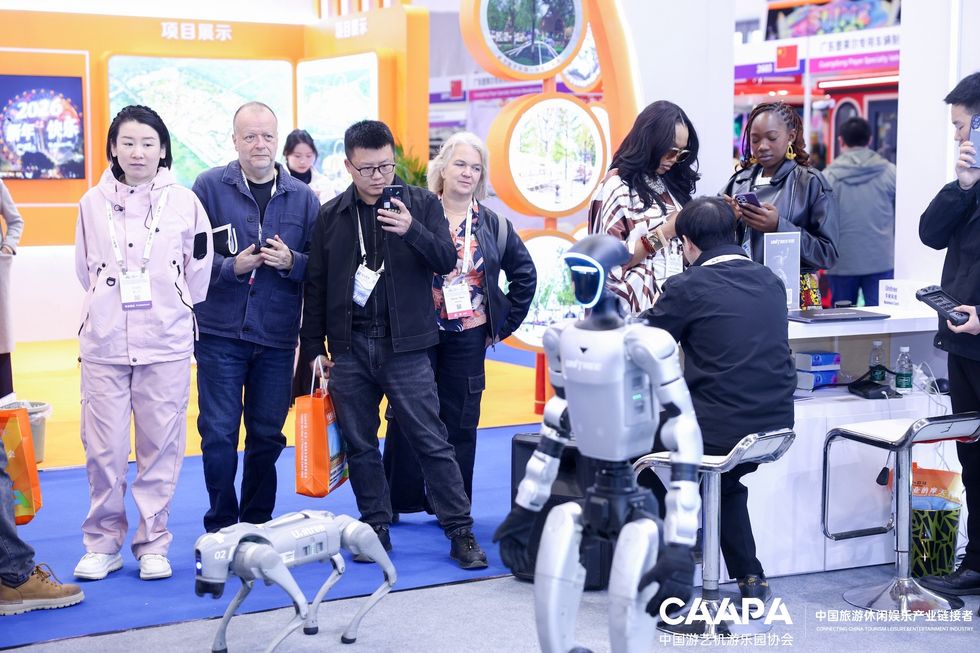
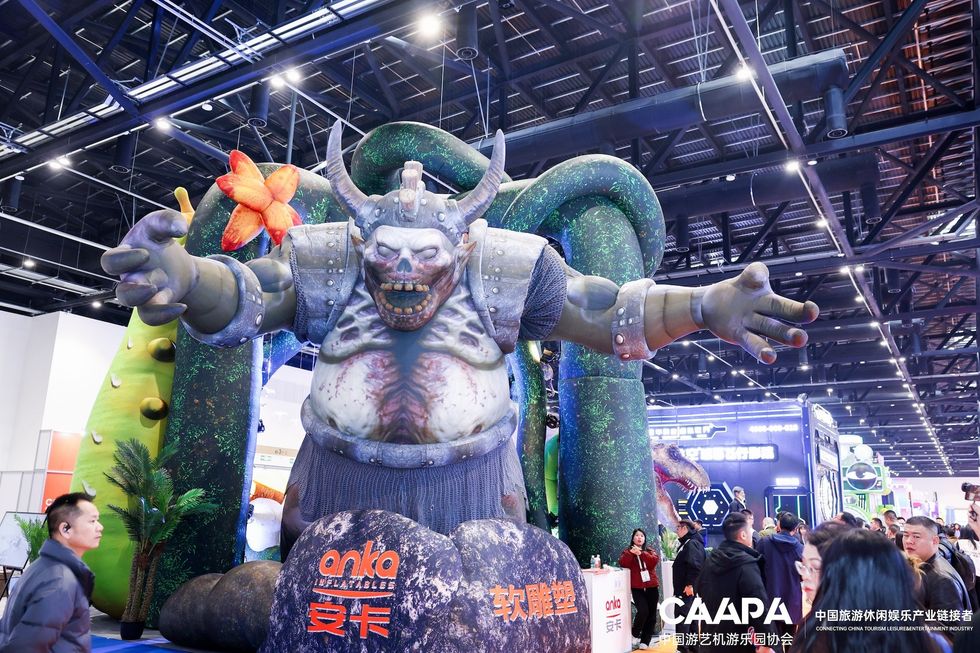
This diversification signals a broader redefinition of the “attractions industry” in China. Rather than being confined to traditional leisure venues, experience design is now being applied across a wide range of cultural and commercial contexts.
At the same time, technological innovation remains a key driver.
Advances in digital systems, immersive media, robotics and ride engineering were prominently showcased, highlighting the industry’s continued focus on enhancing both operational efficiency and visitor engagement.
Forums highlight a shift towards experience, narrative and emotional value
A central component of CAE 2026 was its conference programme, which featured more than 15 forums addressing different aspects of industry transformation.
Annual Conference highlights: IP, emotion and the long-term value of cultural tourism
On 18 March, the opening of the 2026 China Tourism and Leisure Industry Annual Conference set a strategic tone for the wider CAE programme, with speakers emphasising a shift from short-term project delivery towards long-term value creation driven by IP, storytelling and emotional engagement.
Held under the theme “Activating industry innovation to enhance quality of life”, the conference positioned cultural tourism as a key driver of both economic development and social wellbeing.
A central theme across the forum was the evolving role of IP. Speakers stressed that transforming IP into both commercial value and cultural influence is a gradual process, requiring sustained investment rather than immediate returns.
As Wang Hanlin, deputy general manager of Shaanxi Tourism Group, noted, successful cultural tourism projects are not “one-off transactions”, but require a compounding approach—where IP is continuously refined and expanded over time.
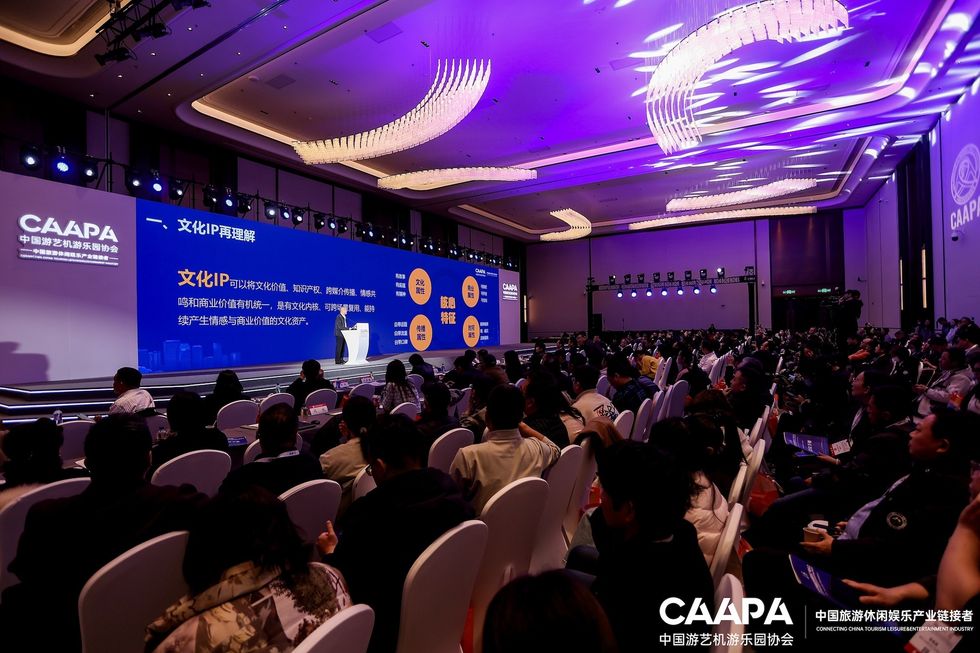
This long-term perspective reflects a maturing market. As competition intensifies and audiences become more sophisticated, operators are increasingly focusing on differentiation, experiential depth and the creation of lasting emotional connections.
The importance of experience was further explored by Ni Minjing, director of the Shanghai Science and Technology Museum, who highlighted a renewed emphasis on physical presence and authentic engagement.
In an era of rapid digitalisation, he argued that visitors continue to seek real-world interaction—whether through artefacts, environments or tangible cultural experiences.
Ni also highlighted the concept of “return on emotion” as a key metric for evaluating success. Beyond traditional indicators such as attendance or revenue, the emotional impact of an experience—how it resonates with visitors and shapes memory—has become increasingly important.
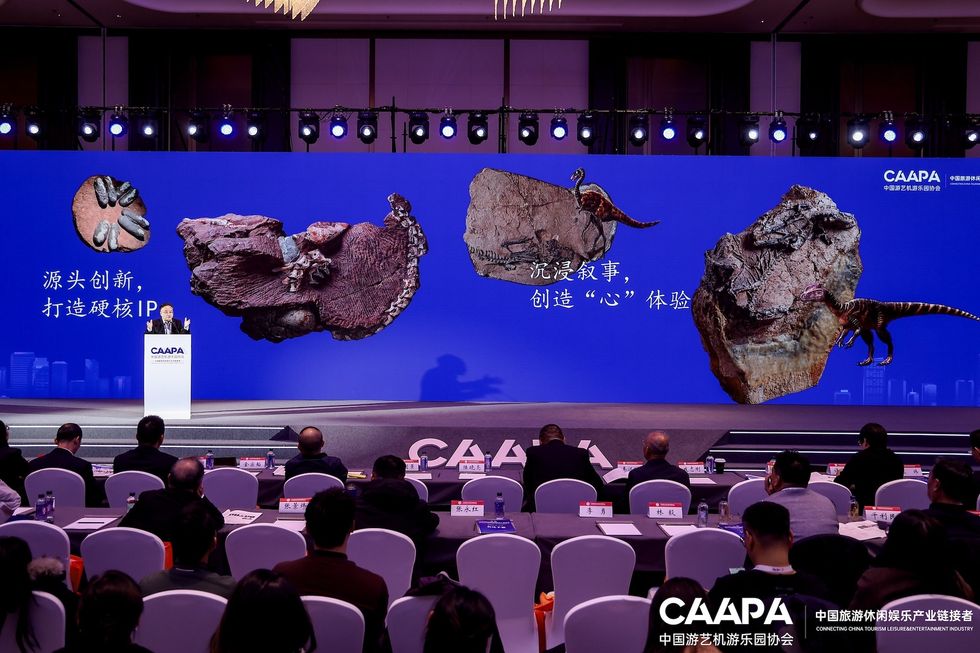
This shift is closely tied to changes in exhibition and experience design. Drawing on recent projects at the SSTM, Ni described a transition from knowledge-based categorisation to question-led storytelling.
By structuring experiences around narratives rather than information alone, institutions can create more engaging and meaningful visitor journeys.
However, the forum also highlighted structural challenges within the Chinese market. While China has developed world-class capabilities in manufacturing and engineering, there remains a gap in storytelling and globally recognisable IP.
As Ni observed, the industry possesses “first-class hardware, but not yet first-class storytelling”.
Addressing this imbalance will be critical for the next phase of development. Speakers pointed to the need for stronger collaboration among cultural, creative, and commercial sectors, as well as the development of original IP with international appeal.
This emphasis on collaboration was echoed by Wang Yachuan, chairman of Lingnan Group, who outlined a “culture + industries” approach to development.
Drawing on Lingnan’s integrated business ecosystem, spanning tourism, hospitality, retail and logistics, he argued that the future of cultural tourism lies in cross-sector collaboration and the co-creation of value.
Rather than isolated projects, the industry is moving towards interconnected systems that combine “eat, stay, travel, shop and entertain” into unified experiences. This holistic approach not only enhances visitor engagement but also strengthens long-term resilience.
The conference discussions highlighted a clear direction of travel for China’s cultural tourism sector: one that moves beyond scale and infrastructure towards narrative, emotion and sustained value creation.
Internationalisation and Innovative Development of Attractions and Cultural Tourism--International Special Forum
A dedicated forum featuring international speakers and industry leaders explored China’s evolving role within the global attractions landscape, with discussions centred on collaboration, IP development and the challenges of building internationally recognised brands.
The session brought together voices from across design, media, manufacturing and consultancy, reflecting the increasingly interdisciplinary nature of the themed entertainment industry.
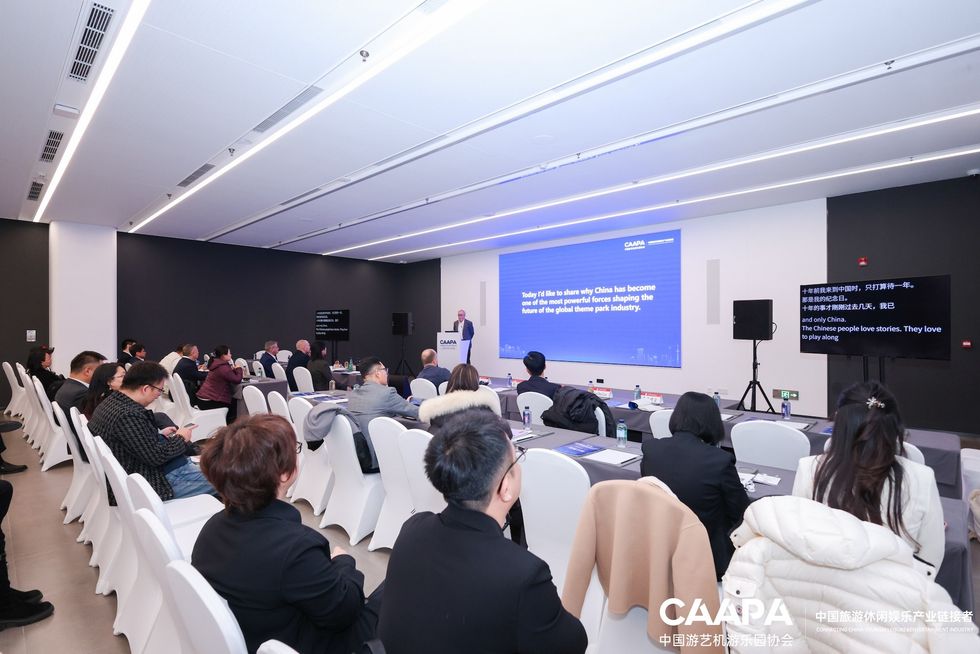
Bob Dennis, senior director of creative studio/resort development at Universal Beijing Resort, highlighted the rapid transformation of the Chinese market.
He noted that Chinese companies are no longer simply participating in the global attractions sector, but are increasingly shaping its direction through large-scale developments, growing expertise and expanding ambition.
This shift in positioning from participant to influencer was echoed throughout the session, signalling a broader redefinition of China’s role within the industry.
Matt Barton, chair of the TEA International Board and founder of 7thSense, focused on the collaborative nature of themed entertainment.
He emphasised that no single company could deliver a theme park project on its own. Instead, successful developments require the integration of multiple disciplines, including creative design, engineering, media production and operations.
Crucially, Barton pointed to the importance of “translating” between different industry languages—both technically and culturally. As projects become more international, the ability to align diverse teams and perspectives becomes a key determinant of success.
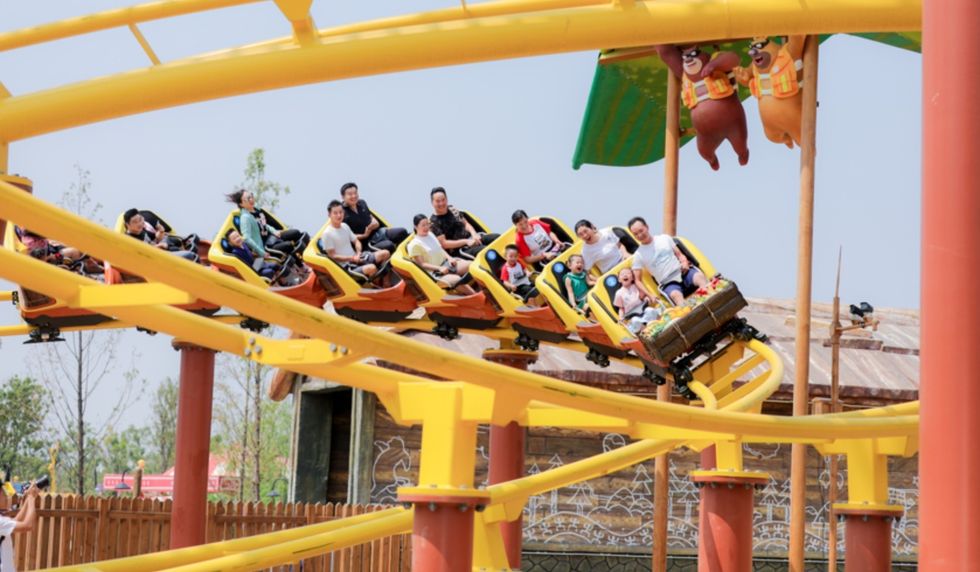 Fantawild Oriental Heritage | Jingzhou, China
Content and IP strategy formed another central pillar of the discussion. Josh Selig, founder and president of China Bridge Content, explored how children’s media can serve as a gateway to global markets.
Rather than adapting content after the fact, Selig argued that successful IP must align with international tastes, narrative structures and production standards from its inception.
Dialogue, he stressed, is essential, whether with partners, clients or audiences. Cross-market collaborations, such as partnerships with established studios like Aardman, were highlighted as effective mechanisms for cultural exchange and content distribution.
From a technology perspective, Li Jianwei, deputy general manager of Jinma Rides, examined how engineering innovation continues to reshape the industry. Developments such as the world's first cable-driven AI robot within LBE are enhancing customer service in the industry.
However, as several speakers noted, technological advancement alone is not sufficient to guarantee global success.
This theme was addressed directly by blooloop’s creative director, Charles Read, and Asia editor Huaiyuan (Robert) Ren, who examined the challenge of translating China’s industrial strengths into internationally recognised brands.
They identified a “perception gap” between Chinese companies' capabilities and how they are understood in global markets.
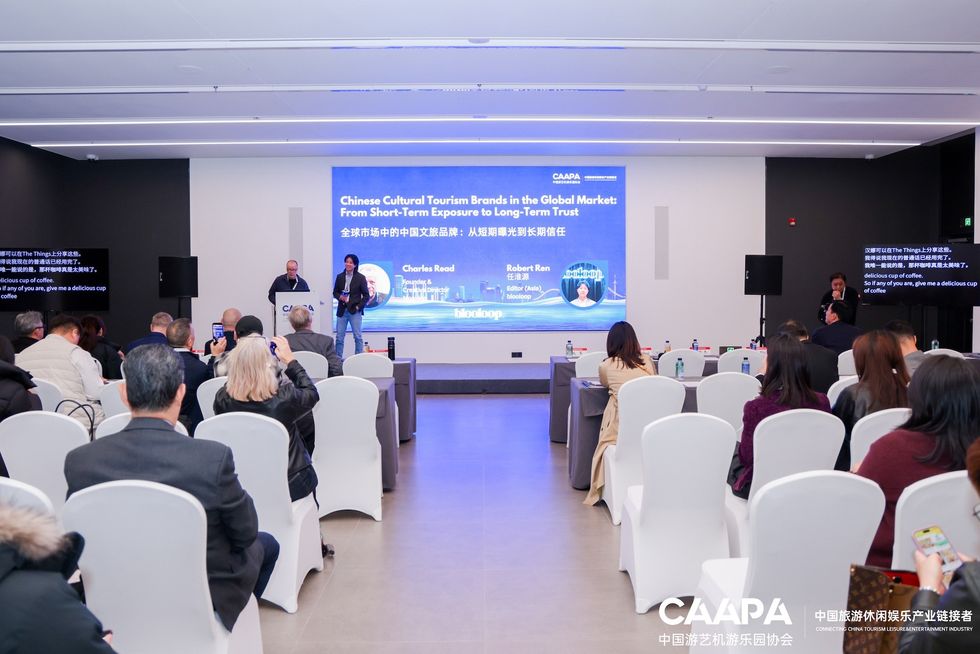
While Chinese firms demonstrate strong expertise in manufacturing, engineering and delivery, their brand positioning often remains underdeveloped.
Moving from being seen as reliable suppliers to becoming trusted global partners requires sustained visibility, clear communication of expertise and consistent engagement across multiple platforms.
The discussion framed this transition as a shift from short-term exposure to long-term trust—one that demands not only technical excellence, but also strategic storytelling and thought leadership.
The session concluded with the release of a new “Cultural Tourism Going Global” initiative by Fantawild Holdings and CAAPA, further underlining the industry’s growing focus on international expansion.
Symposium on the Development of Modern State-Owned Forest Farms (Forest Parks) and the Integrated Development of Forestry and Cultural Tourism
This forum brought together policymakers, academics and industry leaders to examine how ecological assets can be transformed into sustainable visitor experiences.
Jointly organised by CAAPA and the China Forest Farm Association, the session focused on advancing the “forest + tourism” model, aligning with China’s broader ecological civilisation strategy and the shift towards green, experience-led development.
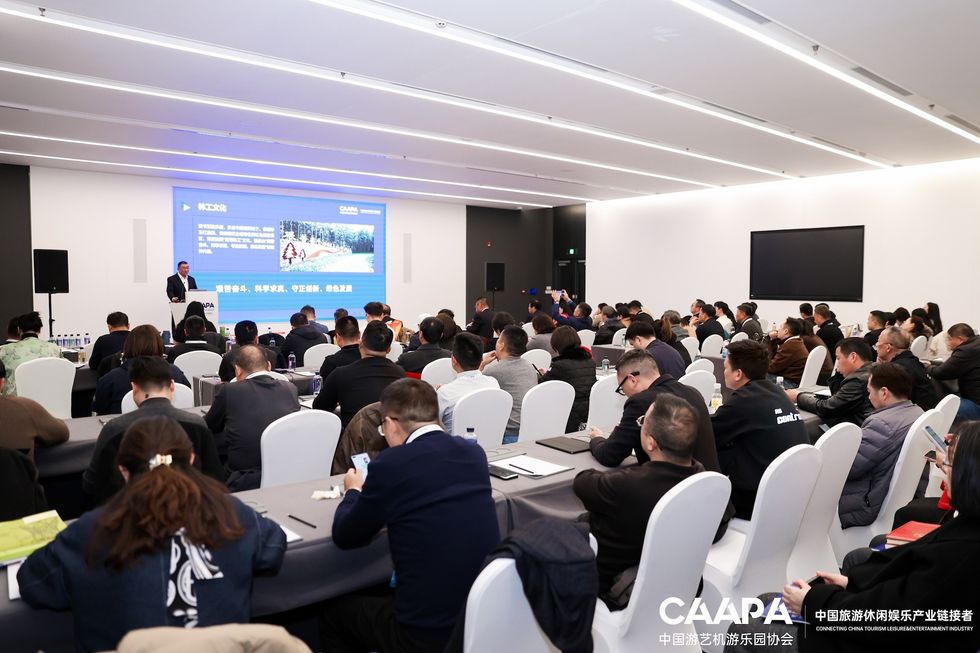
Discussions highlighted a fundamental transition in forestry economies—from resource extraction to experiential value creation. Speakers outlined how forest environments are increasingly being repositioned as destinations for leisure, education and wellbeing, moving from “selling timber” to “promoting scenery and lifestyle”.
Case studies from across China demonstrated how diversified programming, including cultural interpretation, eco-tourism products and recreational infrastructure, can unlock new economic potential while maintaining environmental integrity.
The role of planning and design was emphasised, particularly in creating immersive, low-impact visitor experiences that enhance engagement without compromising conservation goals.
Immersive forum examines AI, XR and the next phase of experience design
On 20 March, the Immersive Cultural Tourism Innovation Forum brought together technology providers, developers and operators to explore how immersive experiences are reshaping the future of visitor attractions.
The session focused on the integration of emerging technologies, including AI, XR and holographic display, into cultural tourism projects, highlighting their growing role in enhancing both storytelling and commercial value.
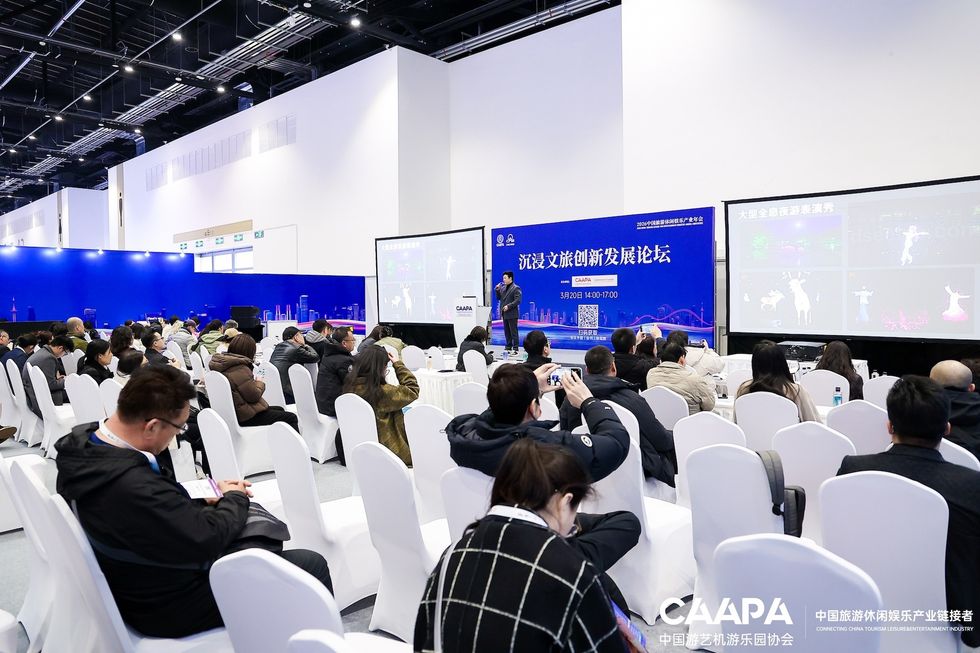
Speakers from leading companies, including Fantawild, SoReal and Hisense, examined how immersive design is evolving from isolated installations to fully integrated, system-level solutions.
Discussions emphasised the importance of aligning technology with narrative and spatial design, ensuring that immersive elements contribute meaningfully to the overall visitor journey.
Several presentations addressed the operational dimension of immersive projects, with a particular focus on integrated models that combine investment, planning, construction and operations.
This reflects a broader trend towards lifecycle thinking in project development, where long-term sustainability and adaptability are prioritised.
The forum also highlighted how immersive technologies are extending beyond theme parks into urban landmarks and mixed-use developments, enabling new forms of cultural consumption.
Looking ahead: Zhengzhou 2026 and beyond
Following the conclusion of the Beijing event, organisers confirmed that the next edition (44th) of the CAAPA Expo will take place in Zhengzhou from 21–23 October 2026.
As the industry continues to evolve, CAE is likely to play an increasingly important role in shaping its direction. The 2026 expo demonstrated that China’s attractions sector is entering a new phase—one characterised by greater integration, stronger international engagement and a growing emphasis on experience and storytelling.
For global observers, CAE Beijing offers valuable insight into these dynamics. It highlights not only the scale and capability of the Chinese market but also its ambitions to contribute more actively to the global attractions industry.
In this sense, the expo was not just a showcase of products and technologies. It was a statement of intent—signalling China’s transition from a manufacturing powerhouse to a more holistic, experience-driven leader within the global visitor attractions sector.