Retail and property have accepted that experience matters. The hard part is turning that belief into places people connect and return to, and investments that sustain beyond opening day.
Too often the ambition is to create a destination, but the brief is for an installation. Experience is commissioned late, squeezed into a fixed budget, or treated as an attraction that has to justify itself in isolation.
The answer is to design the experience around the ambition, rather than fit the ambition around the experience. That means bringing creative thinking into the masterplan, connecting it to the commercial strategy, and giving it a role in how people discover, navigate and return to a place.
1. Too many destinations look the same
More screens, more activations and more immersive installations don't create difference on their own. When destinations borrow the same ideas, the novelty wears off, and the investment gets harder to justify.
Start with what makes a place distinctive: its audience, local culture, commercial offer and competition. Do that before deciding what to build.
For developers, it means an identity that goes beyond the architecture and tenant mix. For retailers, it means a reason to experience the brand physically that people can't get online.
The test is simple. If you removed the logo and the technology, would the experience still have a point of view?
2. Experience sits apart from the commercial plan
Developers focus on the asset, retailers on the store, creative teams on the experience. Each can deliver against its own brief, but the customer experiences all three at once.
Plan the journey as a whole. Public realm, arrival, wayfinding, retail, leisure and programming should each play a part in how people spend their time.
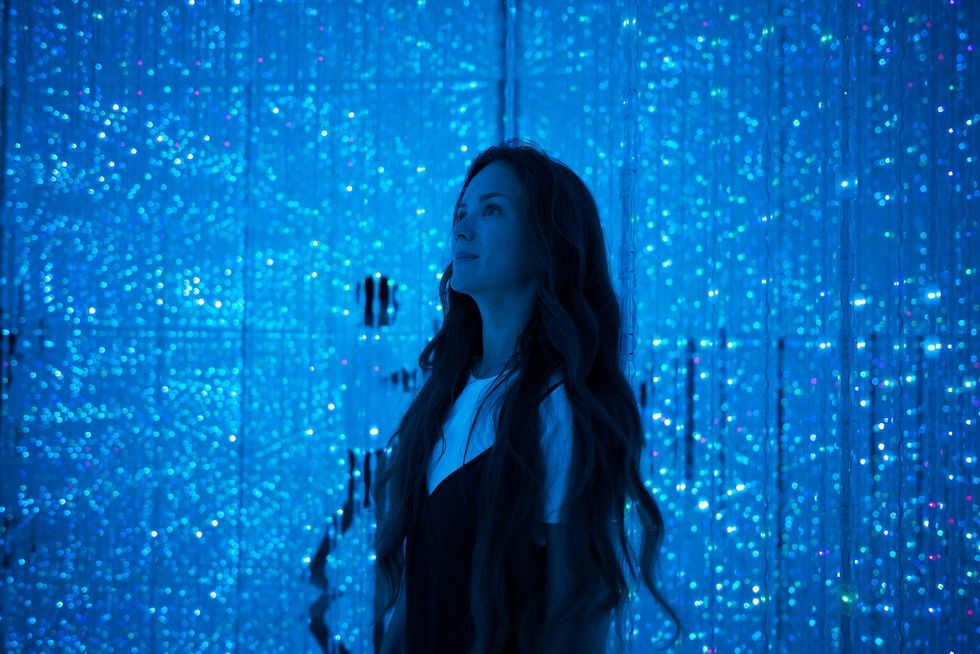 An immersive experience can attract attention, but its long-term value depends on how well it supports the wider visitor experience and gives people a reason to return
Not every space needs an attraction. Every intervention needs a reason to exist.
3. We buy the technology before we define the problem
Briefs often start with screens, projection or hardware, not with what the audience needs or the business wants. The result can be visually impressive and commercially underwhelming.
Start with the behaviour you want to influence. That might be dwell time, exploration, brand affinity, conversion, or a reason to return. Then find the simplest, strongest answer. Sometimes that's technology. Sometimes it's programming, physical design or both.
The best experience isn't the one with the most technology. It's the one that does its job.
4. Opening day gets the investment. The years afterwards get the leftovers
Audiences move on, and content becomes familiar. Yet maintenance, programming, ownership and refresh costs are too often afterthoughts.
Design for longevity from day one. Build in ways to refresh content, involve operators early, and make sure the experience can change without calling its creators back for every update.
An experience should be an asset that evolves, not a fit-out with an expiry date.
5. We measure activity more easily than impact
Footfall, social reach and opening-day attention are easy to see. Yet they don't tell you whether the experience improved the business. A busy space isn't automatically a successful one.
Agree on what success looks like before commissioning the work. Measure what fits the ambition: dwell time, repeat trips, movement between zones, conversion, spend or brand engagement. Be honest about attribution, too. Not every creative outcome reduces to one number, but every investment should have a clear purpose.
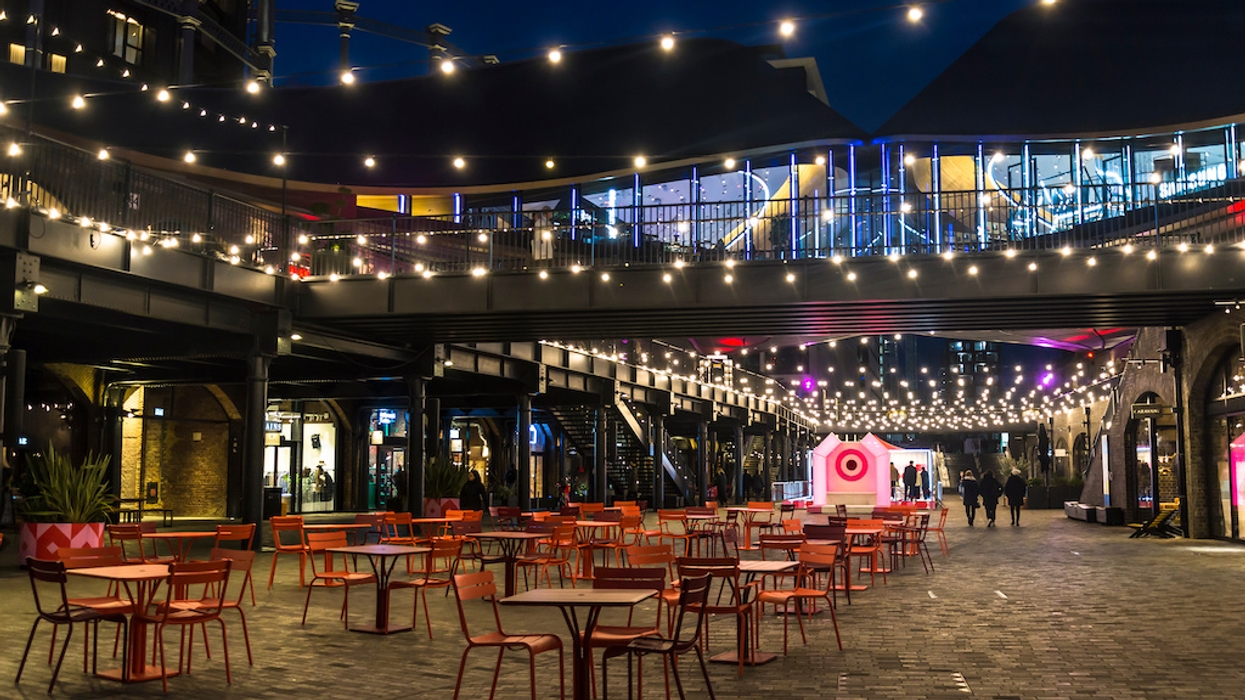
 A shopping centre’s footfall can indicate activity, but understanding the impact of an experience means looking beyond visitor numbers to engagement, dwell time and repeat visits
Better measurement lets businesses invest in experience with confidence, rather than on instinct and a strong set of launch photographs.
6. Designing for the photograph, not the person
In the race to be shareable, destinations can end up designing for the photograph rather than the person standing in the space. Social attention may bring someone through the door once, but it doesn't build a relationship.
Give people something worth talking about: discovery, participation, local relevance, or a moment they couldn't have anywhere else. The influence that counts is what people remember, what they tell others, and whether they come back.
What needs to change?
The opportunity is to stop adding more and start making better decisions earlier.
Developers need to bring experience in before the masterplan, leasing strategy and budget are fixed. Retailers need to ask what a physical space can offer that nothing else can. Creative and technology partners need to help solve the problem, not deliver a solution someone else has already specified.
An installation gets opened. A destination gets chosen, again and again. The difference is decided long before opening day, in the brief.
That’s what we want as experience designers: to be in the room early, helping decide what a place should become.