The Designing attractions: innovation in blue sky session at the Festival of Innovation featured guest speakers Henry Kim, creative director at Forrec, and Virginie Valastro, producer at Moment Factory.
In discussion with blooloop’s managing director, Ella Baskerville, they explored what blue sky thinking means, where to begin when designing an attraction or experience and how to future-proof ideas.
- Defining blue sky thinking. The speakers describe the blue sky mindset as "what if," where creative ideas are given time to exist and develop before being constrained by operational or technological "how" factors.
- The role of technology. Technology should serve as an invisible layer that supports storytelling and emotional connection rather than driving the design process; overreliance on tech can sometimes detract from the magic of an experience.
- Future-proofing through timeless drivers. To design for the long term, creators should focus on timeless human drivers, such as curiosity, connection, and agency, rather than trying to future-proof against rapidly changing technology.
- Personalisation and engagement. Successful attractions of the future will rely on personalisation and discovery, where guests are active participants or "co-authors" of the story, rather than passive observers.
- The wellness opportunity. There is significant, untapped growth potential in the wellness sector, where designers can move beyond traditional spectacle and adrenaline to create spaces focused on calm, restoration, and emotional recharge.
The Festival of Innovation took place online from 21 to 22 January 2026 and celebrated the creative ideas, products, and organisations advancing the attractions sector.
The winners of the blooloop Innovation Awards Blue Sky category were announced during the session. First place went to The Giant, with AccesPro from Etholle Holmes in second place and Proviva’s ‘Magic Carpet’ awarded third.
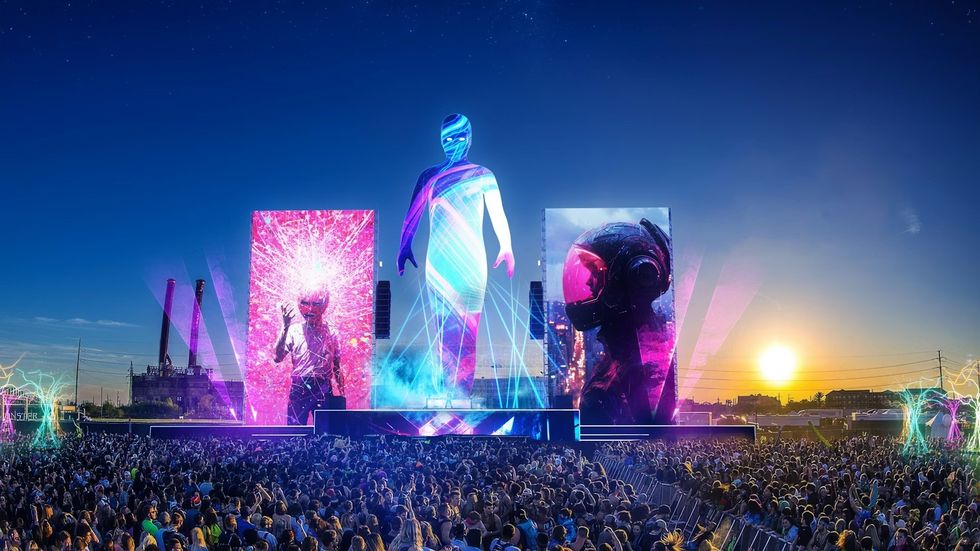 The world’s tallest moving 3D human-shaped statue, The Giant is an LED-covered fusion of art, technology, commerce and interactive storytelling
The blooloop Innovation Awards, held in partnership with Area15, recognise the remarkable energy, creativity, and imagination that propel the attractions industry forward.
Submissions for the 2026 awards are now open.
Meet the speakers
Henry Kim is a creative director at FORREC, a Toronto-based experience design company serving clients across the world.
His portfolio includes the Three Kingdoms Theme Park in Hangzhou, Six Flags Chongqing, LEGOLAND Shanghai Resort, and the Babylon Hotel & Resort in Vietnam.
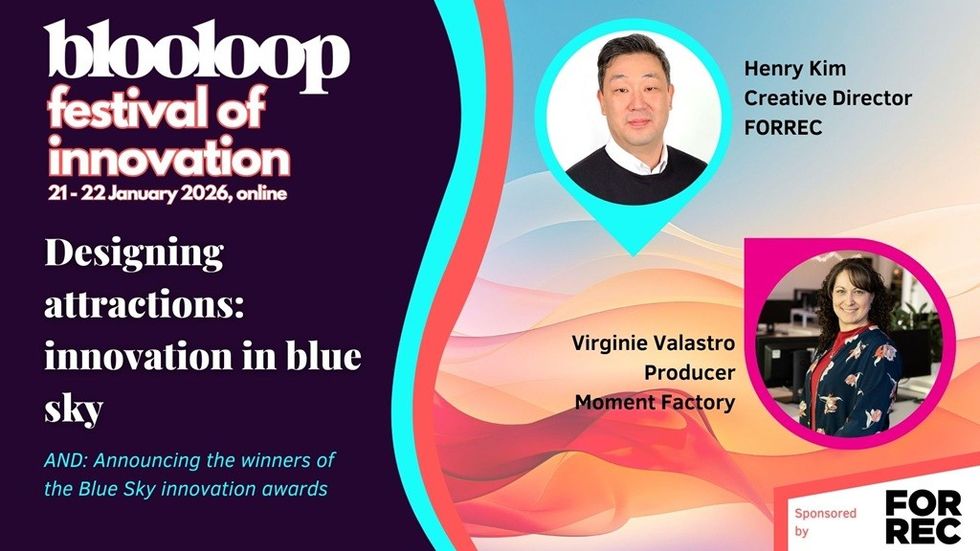 Designing attractions: innovation in blue sky at the Festival of Innovation featuring speakers Henry Kim and Virginie Valastro
Virginie Valastro has 25 years of experience in the entertainment sector, spanning a wide range of storytelling media. She has worked with some of North America’s leading companies as production manager, line producer, associate producer, and producer.
Valastro's understanding of creative and production processes enables her to deliver engaging projects in immersive environments. Her work at Moment Factory has included complex work with cutting-edge technologies on non-traditional large-scale media canvases.
‘What if’
This session sought to explore the challenge of designing at the vanguard of attractions and how concepts that look some five or 10 years into the future can also be future-proofed.
To kick off the discussion, Baskerville asked what the term ‘blue sky’ means to each of the guest speakers.
For both, the term reflects a sense of ‘what if’.
“I think blue sky means different things to different people,” says Kim.
“It can mean out-of-the-box thinking, chasing that elusive big idea, or really, the initial spark of an idea.
“But for me, I've always thought that it's a mindset; it's really deliberately spending time in the realm of what if. Before letting the ‘how’ slow the idea down.”
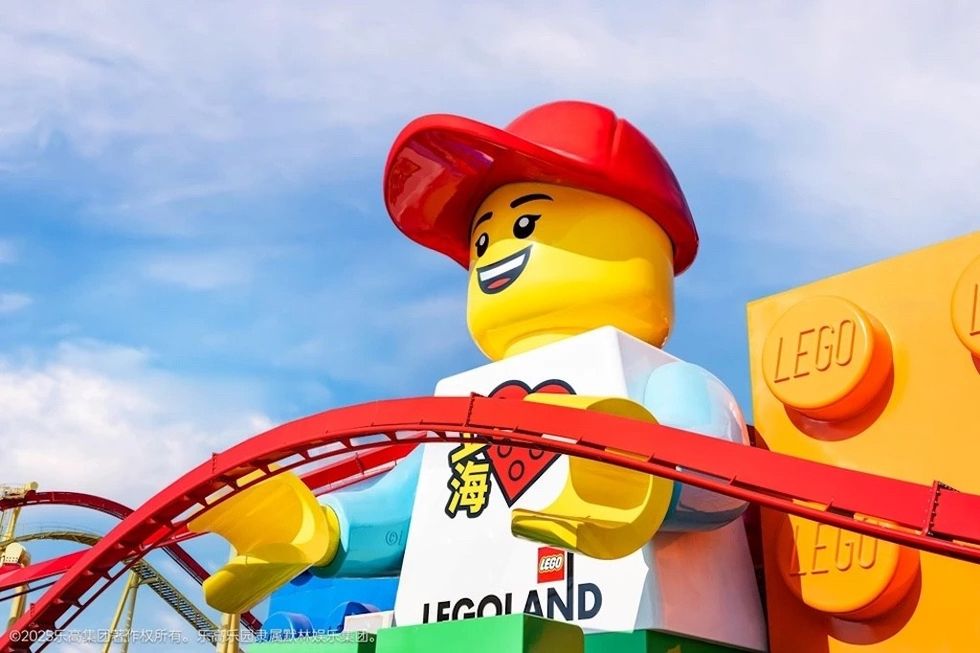 Forrec contributed to the concept master plan, schematic design, and design development of Legoland Shanghai Resort
“To me,” he adds, “a blue sky mindset really means giving those ideas the time and permission to exist long enough to see where they might take us.”
“On our side,” says Valastro, “multimedia often resonates with technology, and so we like to think of technology, how it's meant to be used, and just think how it could be used differently.”
Technology as tools
Baskerville then asked if the speakers could share examples of where they begin when designing an experience.
Kim says that blue sky thinking can occur at any stage of the development process. For instance, Forrec joined Legoland Shanghai after the earliest concept phase.
“Blue sky thinking allowed us to think about how families play together, how they move through the space, and what moments of wonder really, truly resonate,” says Kim.
“And from there we could really begin the groundwork, start thinking about the brand, site operations, and really turn it into something both authentic and buildable.”
Valastro agrees that understanding the context is key. This includes emotional and cultural landmarks, and should be both specific to the destination and broader in scope.
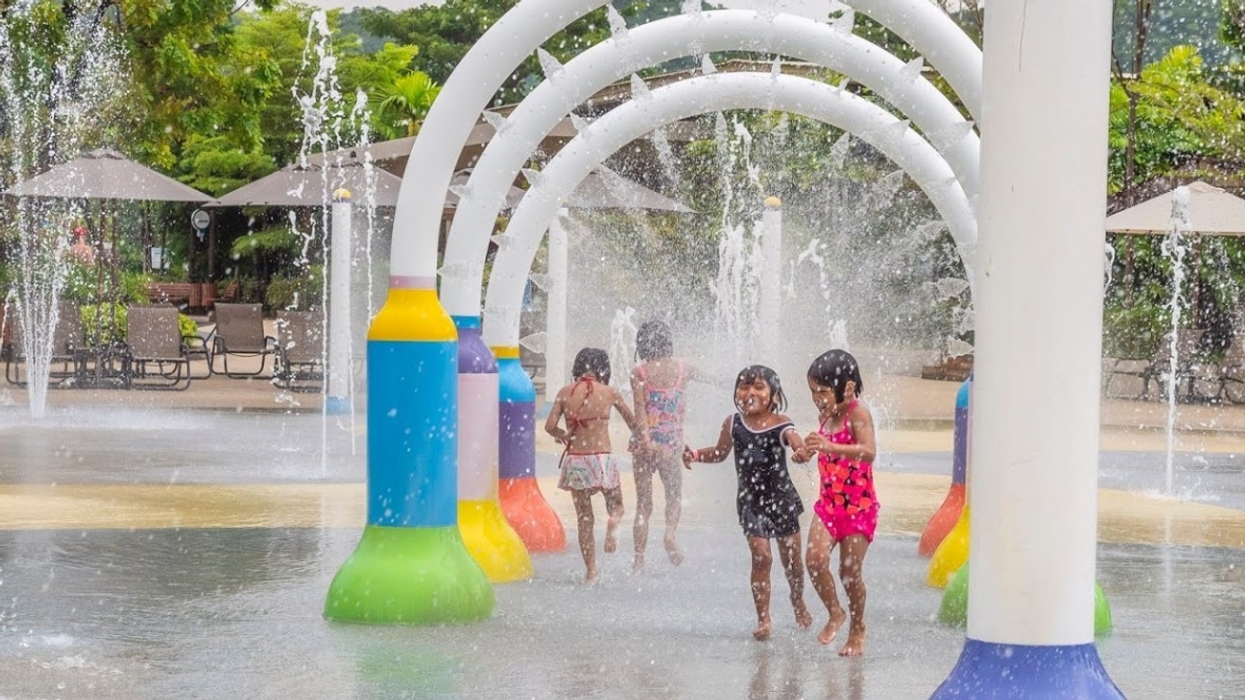
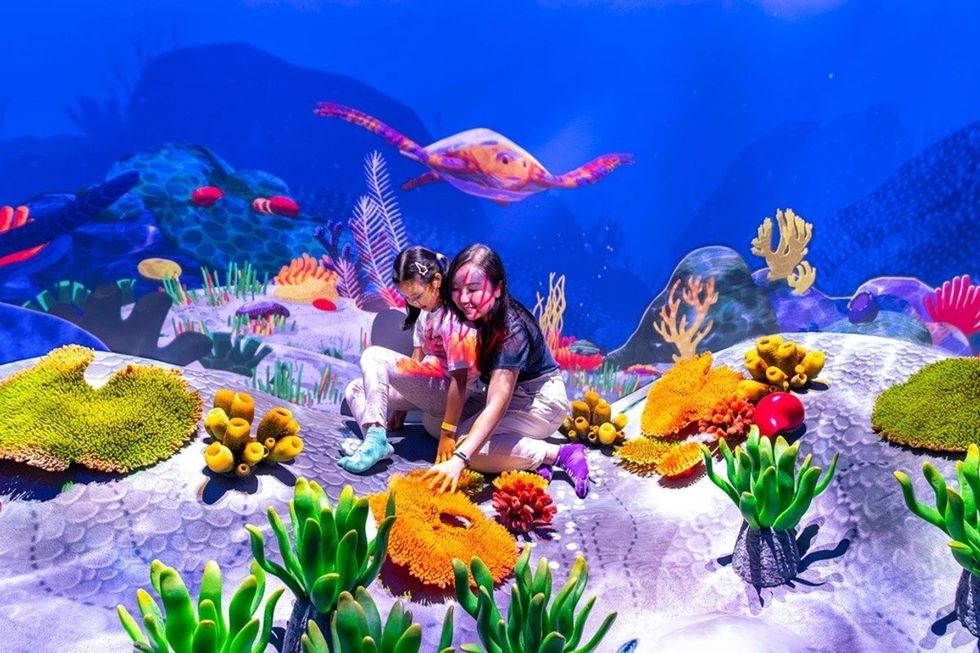 Curiosity Cove at Mandai Wildlife Reserve is Singapore's largest nature-inspired indoor playscape for children aged 3 to 12Image courtesy of Moment Factory
Developed over eight years, she notes how Curiosity Cove offered the opportunity to rethink and refine.
“Where are we at? What are we creating, and where do we want to bring it? Is it still the right purpose, the right emotion that we're bringing to the table? And what are the tools that we're using?
“We really see technology as a tool to service the emotion. And so, once we really have a strong idea and a strong story, then it's just seeing what tools are there to elevate it.”
The panel emphasises that it's not about using the newest technologies or anticipating upcoming releases. Technologies are selected, repurposed and revisited to support the story.
Balanced approach to blue sky
The conversation then turned to when blue sky needs to consider operational realities.
“Operations absolutely, always matter,” says Kim. “You can't design a park that's never going to run safely or efficiently.”
But, he adds, “If you bring operations in too soon, you risk running down ideas before they've had time to grow.
“The key is timing. Once the big idea is clear, operations can become a creative partner.”
An example is the queue line. Once considered a constraint, they are now viewed as part of the experience, layering in interactive storytelling and immersive environments.
“Constraints like these can actually help push us to create solutions that are both elegant and memorable, as well as efficient.”
Valastro highlights the need for balance. While operations may force creativity, an awareness of where they can also throttle ideas is key.
So, Baskerville asked, are there planning assumptions that have potential for reinvention?
Kim sees dwell time shifting from a capacity metric to become part of the experience itself, for example, making crush spaces interactive and layered.
Guest flow also presents opportunities as designers look beyond efficient movement to enhancing discovery and anticipation.
At Moment Factory, guests’ diminishing attention spans are being considered.
“We constantly have to ask ourselves, even if this scene is four minutes or 10 minutes, is it too long, will we lose our guests' attention?” says Valastro.
“We have to find that balance of what will keep them engaged, for them to fully enjoy and appreciate the experience.”
Personalised and collective
Once you have the experience, how do you get guests to repeat?
Kim says that personalisation and discovery are what “turn experience into something deeper, something worth repeating.”
These qualities, he adds, enable guests to shape their own experience and become active participants.
For Valastro, repeatability hinges on the type of experience being delivered.
For passive engagement, where spectators are watching a show or media, this might be seasonal content. Whereas interactive experiences can encourage repeats through gamified, competitive layers.
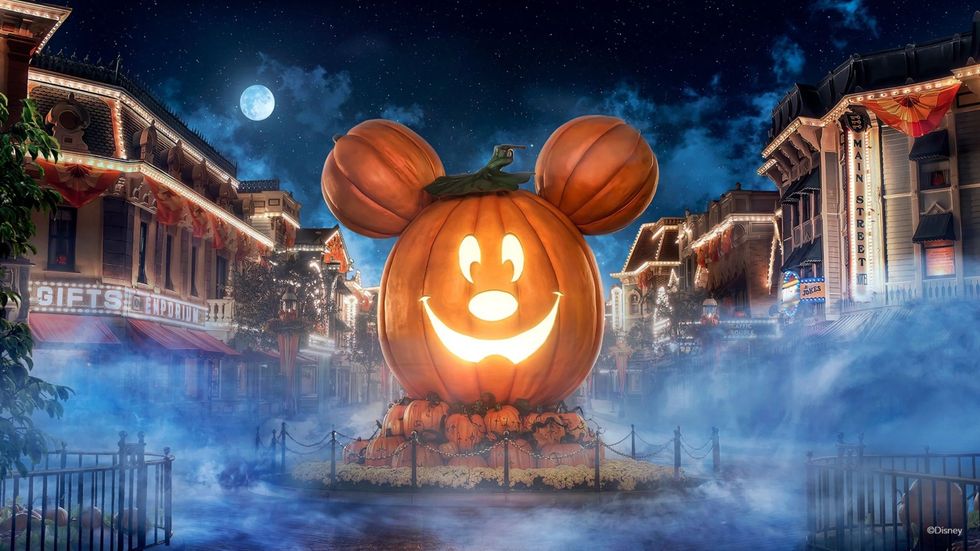 Halloween events draw huge crowds and boost seasonal profits in the themed entertainment industry
And to what extent are both organisations using AI to deliver personalisation?
“Technology shouldn't be driving,” says Kim. “Whether it's brainstorming or the development and planning, AI is always a tool for me.”
At Moment Factory, a dedicated department is learning how to train AI for positive use within the sector. However, Valastro adds that AI needs to be deployed selectively and often cannot deliver work of the same refined quality as human artists.
The panellists shared other emerging technologies that they find exciting.
Kim is anticipating advances that quietly adapt experiences in real time, without calling attention to themselves.
This could be technology that senses pace or mood, for example, and subtly responds through lighting, sound, and spatial changes. Ultimately, this enhances personalisation and immersion.
Valastro is curious about technology that helps foster collective experiences and extends the experience before and after the visit.
She envisages quests that take guests to other attractions, or real-life meetups for the attraction’s community.
Wellness as opportunity
Considering different verticals, Baskerville asked whether there are any notable, less-traditional theme park experiences showing significant growth.
“Wellness is dramatically unexplored,” says Kim.
“Our industry has spent a lot of time focusing on adrenaline and spectacle, but what we haven't done is design enough for calm and reflection, and an emotional recharge.”
High-stress, emotionally charged environments like airports and transit spaces, he adds, present opportunities to create moments of surprise and delight through storytelling and thoughtful placement.
“I think the industry has only started to scratch the surface in these spaces.”
Valastro says that Moment Factory’s distinct market units offer an advantage by enabling idea sharing across verticals such as transportation hubs, outdoor nighttime experiences, and brand experiences.
“We are lucky to be exploring all of these canvases and markets already, and so sharing that information, or those discoveries, or those tests that we're doing, prototyping, and cross-contaminating the different sectors.”
Additionally, she agrees with Kim that wellness is under-exploited.
“We have broken the barriers a little bit with Aquascope. Integrating multimedia into the water world was quite a challenge, but it proved a very successful outcome, appreciated by both visitors and the industry.
“I think we're approaching that area with a lot more confidence now, thinking what the possibilities could be.”
Emerging trends
The conversations then looked ahead to the next decade. What will be the most successful attraction of the next decade? And what key factors will define success?
Both panellists feel that co-authorship will be key over the coming years.
“I think really the future belongs to experiences that feel personal,” says Kim.
“The most successful attractions won't be about technology or scale. I think they will be layers to it, but it's really about how deeply it connects with each guest.”
For Kim, experiences need to be co-authored by the guests, rather than just delivered to them, such as Punchdrunk’s Sleep No More.
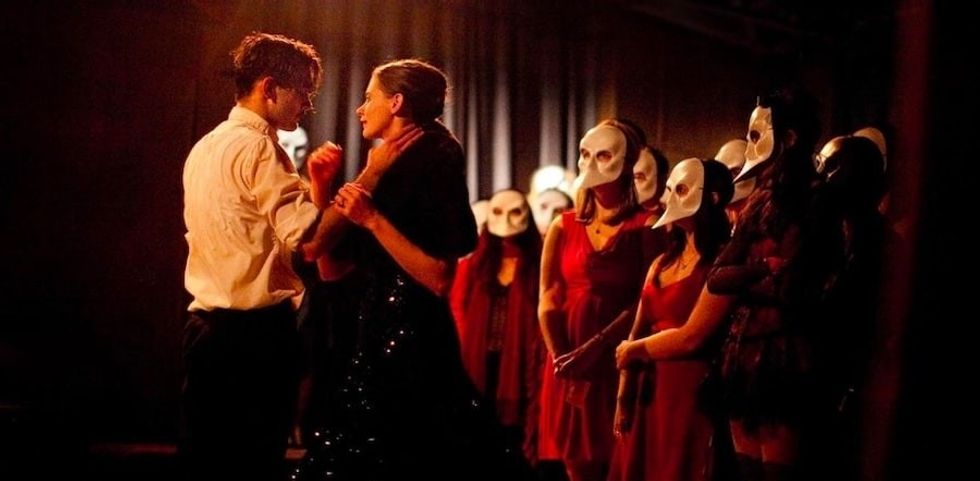 Punchdrunk's immersive theatre production Sleep No More blurs the lines between audience and participant
“I think that kind of personal engagement is exactly what I think is going to start driving the next generation of attractions.”
Acknowledging how quickly tech can become obsolete, Valastro agrees that guests must remain at the centre of every experience, and notes that technology and design ideas should ultimately revolve around the audience and the emotions.
Creativity at the sector’s core
Concluding the session, Baskerville asked what challenges Forrec and Moment Factory are currently facing.
Kim says that for Forrec, it is keeping technology in check.
“Because it's evolving at such a lightning speed, it's easy to let technology drive the experience.
“The real challenge is making sure that technology is a tool to help serve our stories, the emotions, and the guests. We need to make sure that imagination always stays front and centre.”
Drawing on her film and television background, Valastro says that the trend of revisiting past successes, such as older movies, is making creativity very fragile.
These successes are proven and data-backed, while new innovations are risky and demand effort, uncertainty, and budget. But it is these innovations that drive the sector's incremental evolution.
“So one of our challenges is making sure that we're constantly renewing our creative ideas, but it's also having guests, visitors, spectators, and clients open to exploring what could be next.”
“I think that's the biggest challenge,” she adds, “allowing ourselves to take those risks.”