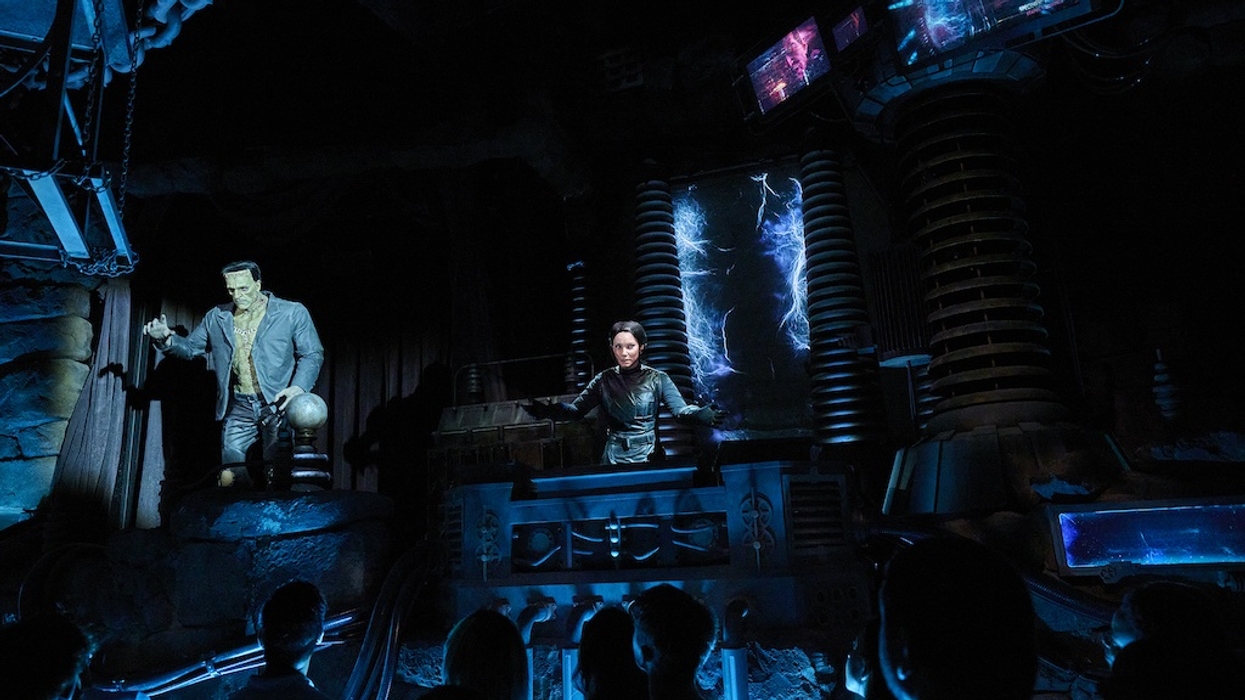

For decades, you could probably categorize the majority of theme park design behind the simple concept of taking a fun or innovative ride system and then combining it with some kind of visually compelling design, theme or an IP in order to create a “memorable guest experience”.
If you were lucky, your concept may have had a basic story to help tie into the theming you could afford to include in the budget. If you had the room to build it, and the budget to make it really special… then marketing would usually start looking into the various “EST” ways they could promote it.
You know: fastEST, tallEST, biggEST, etc.
Today, however, these once tried-and-true methods really are no longer the clear directions to follow. Obviously, when your goal is to build a basic roller coaster, drop tower, or massive observation wheel without any theming, it usually can’t hurt to claim your wheel is the tallest or your drop tower is the highest.
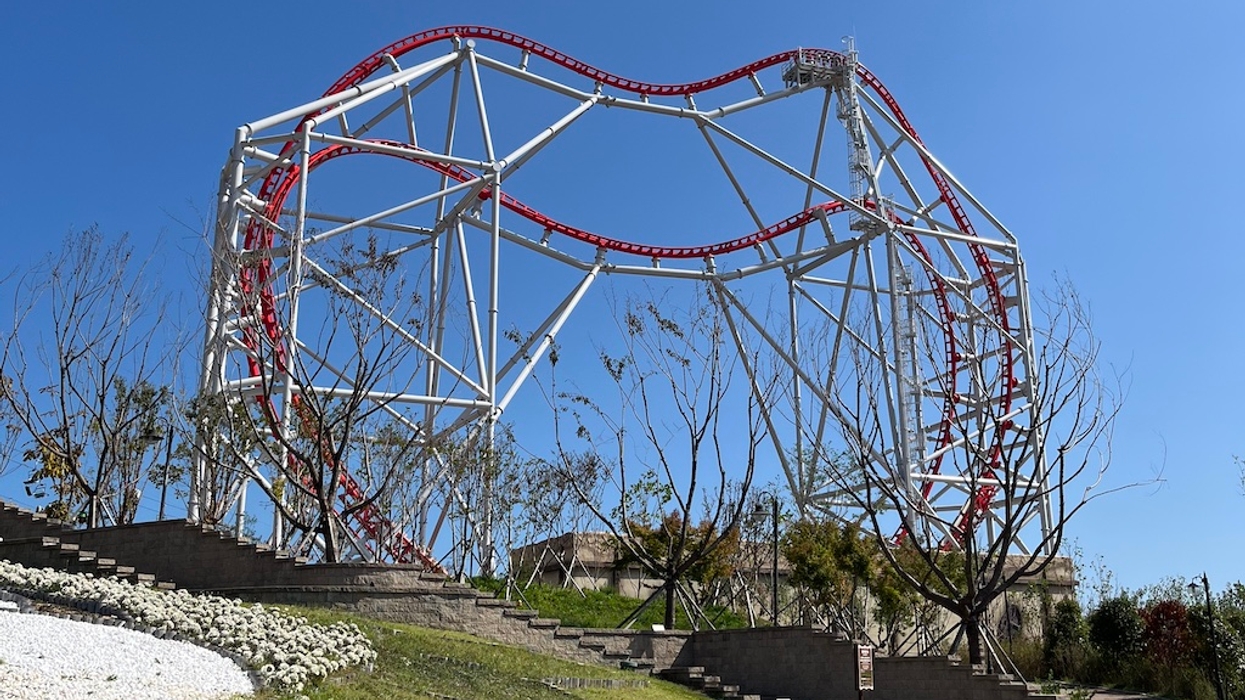
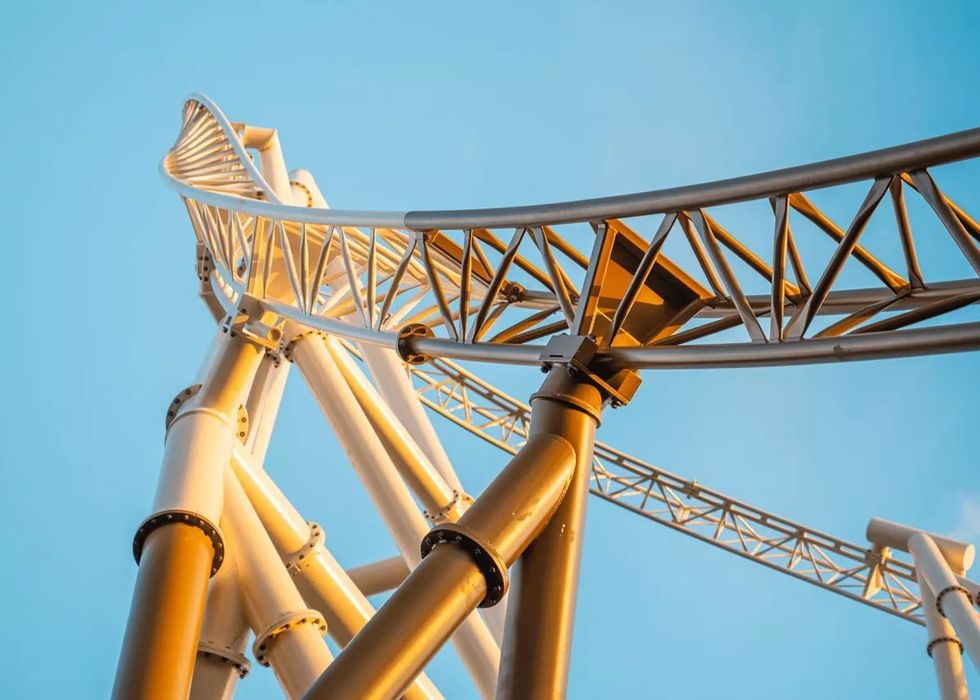 Hyperia at Thorpe Park is the UK's tallest and fastest roller coaster
These days, though, many of the industry’s most significant innovations rely more on storytelling and immersive tactics to make guests feel like they have been transported to another place, another time, or another world entirely.
Guests are realizing that they may like to feel like a land or attraction has made them an active participant in the experience rather than just being treated as a passive spectator caught in the grip of your latest g-force machine.
More than just thrills
Across the globe, theme parks and attractions are starting to shift their focus away from delivering a quick, isolated thrill and toward creating interconnected storylines.
These can even unfold across multiple lands, into restaurants and gift shops, reinforced by characters they encounter and perhaps even something that connects to the hotel they are staying in that night.
The result is a new generation of attractions that are able to blur the lines between theme parks, theater, video games, and films. Through interactive technology, they can still reach out to guests even after they've gone home.
This evolution is shaping the future of the attractions industry by setting the bar much higher than before for guest expectations. To meet these new goals, operators are also discovering that building more memorable storytelling can be just as valuable as using the most exciting new engineering innovations.
In some circles, this latest guest-expectation trend has been referred to as the result of the Experience Economy.
This was a phrase first coined back in the very late 90s to describe a method of business where a company was no longer just selling a ‘product’ to a consumer, but instead it was actually the memory of the experience itself that came along in relation to a product or brand that was actually being sold.
 Cinnamon Bread from Dollywood's Grist Mill
This concept is more powerful than ever, as consumers increasingly show that what they value most is buying an “experience” over obtaining a physical item.
Even when buying a physical item, they want it to make them feel a certain way, and if it can bring up key memories, it can trigger related feelings.
If you’ve ever been wandering past food stands and suddenly caught a powerful smell that is coming from a stall selling fresh cookies, only to suddenly find yourself in a nice, warm and fuzzy memory of being at grandma’s house again while she was baking goodies, then you get the basic idea of how this works.
See also: Making memories with guests' taste buds
Now take this same concept and then add in the modern guest’s new desire to interact with it. It isn’t quite enough to just get a taste of Grandma’s cookies anymore… now your guest wants a chance to step back into the kitchen and learn how to bake a fresh batch of goodies themselves once they go home.
Today’s guests no longer want to simply watch the story unfold. They want to become part of it and maybe even influence how the story ends.
Be part of the story
It isn’t enough to just watch the Pirates raid a village from the safety of a ride vehicle passing by. Instead, guests today may want the chance to join the crew and search for hidden treasure.
It’s not enough to visit studio sets from their favorite films and fantasy series like Game of Thrones; now guests want to encounter their favorite characters, sit on the Iron Throne and encounter their own fire-breathing dragon.
Creating themed environments that guests can interact with has been in development in various forms of entertainment for years.
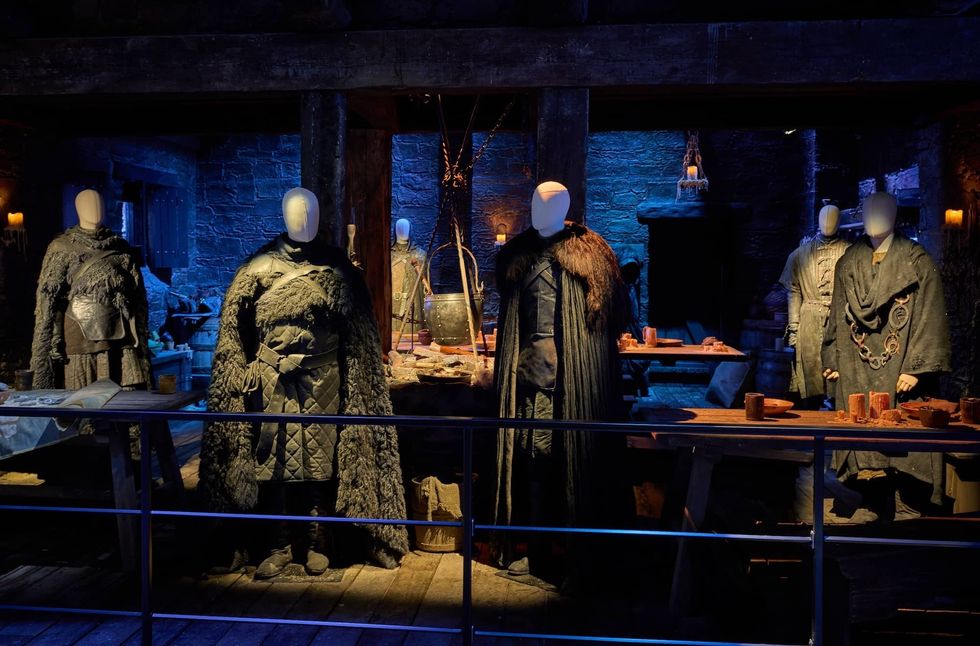 Game of Thrones: The Studio Tour invites fans to steop inside the world of the TV series
The video game industry was probably one of the first to jump to meet this need in the biggest way years ago with the creation of open sandbox-style gaming worlds and interactive MMORPG games like World of Warcraft, Grand Theft Auto, Red Dead Redemption, The Witcher, Assassin’s Creed, Saints Row and so on.
The whole concept of the escape room industry is based on letting guests interact with their environment, no matter the theme, to solve a mystery or simply ‘escape’ from some kind of fictional harm.
Of course, escaping from harm is perhaps one of the most common theme park attraction tropes in use today, as guests enter the themed world of any given attraction for a harmless or safe adventure, only for “something to go horribly wrong”, leading to a thrill-packed form of escape.
Today, it isn’t enough to just create a single major attraction; guests now expect theme parks to create fully believable worlds for them to explore.
As such, there has to be a conscious decision made for every aspect of these lands, from the architecture used, the landscaping, the background music, the food served in the restaurants, the kinds of merchandise sold (or not sold), and even how your staff will be dressed and interact with guests at each encounter point.
A contemporary park concept would be built more as a living and reactive landscape of storytelling branches. From the environment itself to the narrative world-building concepts selected, the entire design experience is undergoing a fundamental transformation.
Immersive design at Epic Universe
Universal’s new Epic Universe park is a prime example of modern design concepts.
The creative team used themed “portals” as a visual cue to separate the different themed lands within the park. The moment a guest steps through one of these portals, everything changes entirely.
The music playing in the background is a more obvious change, but many other changes take place far more subtly, to the point that maybe only your subconscious mind is aware at first that something is very different.
One example would be changing the scale of the buildings and structures on each side of the portal. Even if you couldn’t put your finger on exactly what was different, your brain will be more than willing to jump in to confirm that “something” is definitely different.
Other concepts could include a drastic color shift in the landscape on either side, or even a shift in the style of plant life on the other side of the portal.
While in the past, the theme of any given land was typically reserved for the attractions, queues and walkways in between, often the rest of the infrastructure, such as restaurants, food stands, gift shops and restrooms, was typically left unthemed.
By today’s standards, virtually every square foot of property is treated as part of the overall attraction’s themed space. Gift shops are now integrated into the world and often matched to the overall narrative theme of the space they inhabit, along with nearby restaurants or food and beverage stands.
In some extremely well-done examples, these additional themed spaces have launched their own storytelling or created themed merchandise lines that have become very popular with guests.
Epic Universe has been able to create a number of fine examples of this, ranging from the themed spaces, restaurants and the variety of twisted characters that inhabit the Dark Universe portal, to the creation of the popular Captain Cacao teddy bear character that launched to stardom from the park’s Moonship Chocolates and Celestial Sweets shop.
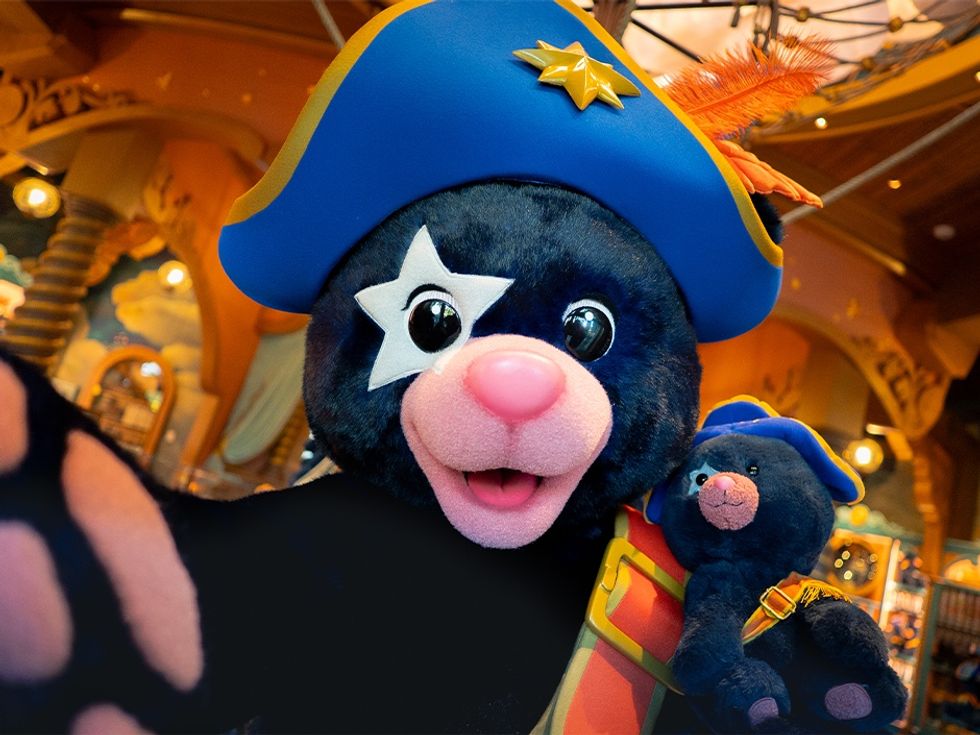 Captain Cacao, Universal's original character introduced for Epic's first anniversary Image courtesy of Universal
Just a year after the park launched, Captain Cacao became a walk-around character who hosts meet-and-greet sessions with park guests.
For interactive experiences, Super Nintendo World offers wristbands that let guests interact with many areas of the land, much like the Nintendo video game characters do in their worlds.
By tying the experience to a guest’s mobile device, the system can track progress and an overall score from your visit. Not only on the first day, but progress can be remembered, and your score can keep climbing with each future visit to the land.
The system can even unlock access to certain rewards or reactions from certain scenic elements within the land.
Taking the experience home
But what about going the other way? How can you take the theme park experience home?
Disney has tackled this latest effort by teaming up with the creators of the Fortnite video game. Characters and experiences inspired by the Millennium Falcon: Smugglers Run attraction, such as Hondo Ohnaka, have now arrived in the Fortnite world.
Meanwhile, eligible Fortnite players who have linked their MyDisney and Epic Games accounts can now ride the attraction and earn access to a special “Forsworn Trooper” outfit they can equip on their character in the game.
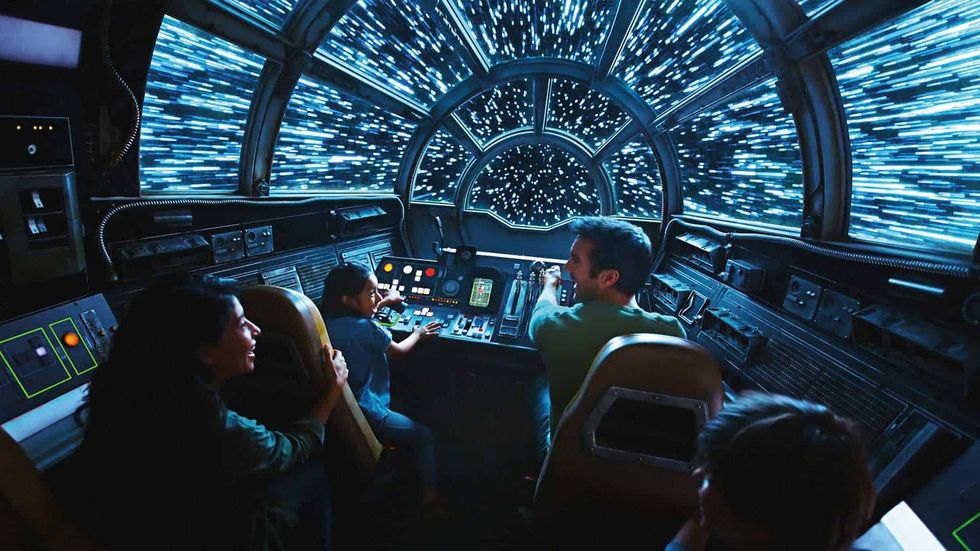 Millennium Falcon at Star Wars: Galaxy's Edge - Disney Image courtesy of Disney
If you score really well during your ride on Smuggler’s Run, those points now transfer as in-game credits you can spend in the game’s Smugglers Gambit storyline to unlock custom gear and level up your character.
While using the Disneyland or My Disney Experience app, guests can also accept a special mission from Hondo before riding Smuggler's Run to unlock a unique ride experience.
Ironically, both the game Fortnite and the Smuggler’s Run attraction were created using Unreal Engine, which allows several in-world digital assets from the ride to transfer directly into the Fortnite game world.
Disney aims to extend the story beyond the ride, allowing players to interact with the world from home or experience it in the parks, bridging in-game and real-world attractions.
Beyond the theme park sector
The goal of in-person immersive storytelling isn’t limited to theme parks anymore, as companies from other entertainment sectors are now looking to branch out into the attractions space.
Netflix is a prime example with the launch of the new Netflix House attractions last year. Two attraction spaces are currently open (in Dallas and Philadelphia), and a third one is under construction in Las Vegas.
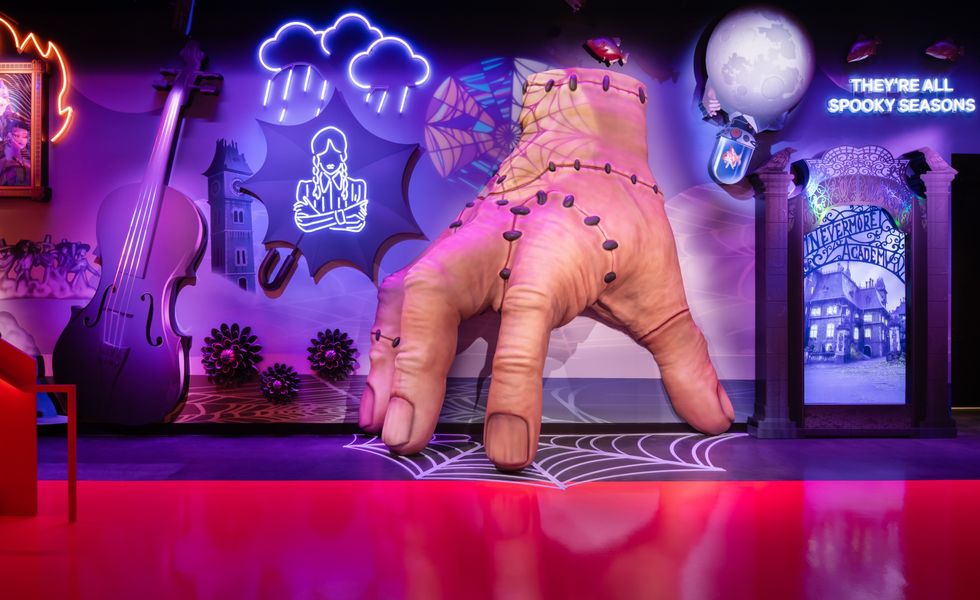 Netflix House offers immersive expeiences based around hit shows like Squid Game, Wednesday, and Stranger Things Image courtesy of Netflix
Real-world themed attraction spaces tied to some of Netflix’s most popular programming IPs are being offered as new immersive experiences fans can’t find anywhere else, including Stranger Things, One Piece, Wednesday, Squid Game, and more.
The future of destination entertainment will belong to those willing to treat the chance to create a real physical space as a canvas for an environment that respects the guest’s intelligence while creating a living narrative experience.
The modern theme park is no longer just a place you go to escape reality for a few hours; it can be a real physical space where you help write the next chapter in the story.