TCM Cultural Experience Center
Visitors to the Traditional Chinese Medicine Cultural Experience Center do not simply look at exhibits. They live a story.
Across five storeys, 5,000 years of Chinese medicine unfold as an immersive cinematic journey—from the formation of the universe and China’s ancient medicinal legends to an enchanted herbal forest, monumental hyper-realistic healers and an imagined future among the stars.
TCM Cultural Experience Center
Wētā Workshop
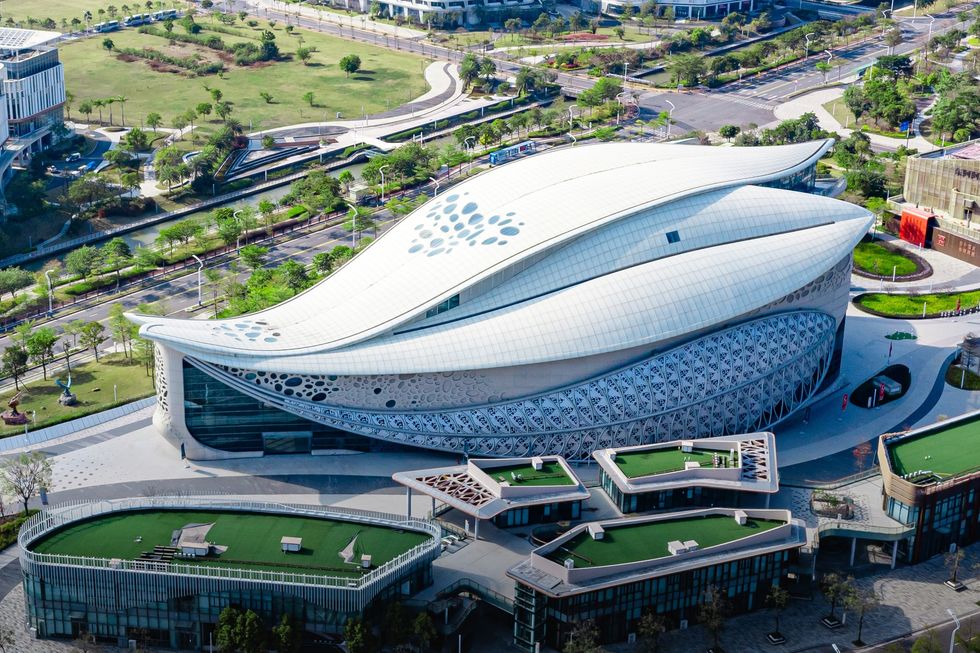
Immersion begins with the building itself. Its signature lotus form was conceived to reflect both the lotus’s cultural symbolism of renewal and its role as a medicinal plant in traditional Chinese medicine. The organic architecture introduces the project’s central ideas of healing, balance and the relationship between humanity and nature before visitors even step inside.
Wētā Workshop logo
Wētā Workshop
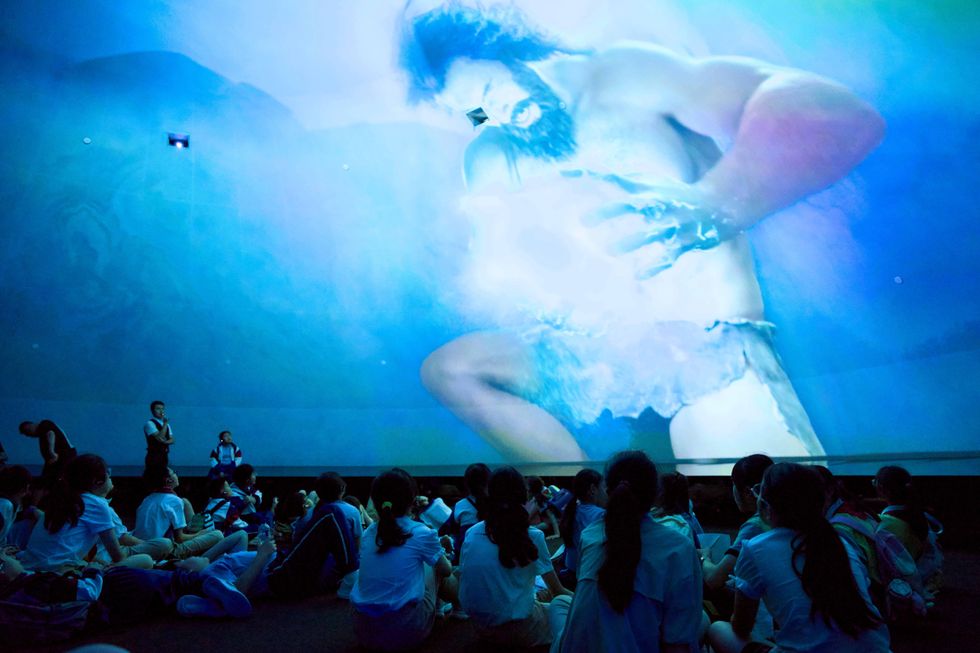
At the heart of the 36,000 m² building, an expansive mural depicts the mythological origins of medicine, while one hundred birds descend through the central atrium, visually connecting all five storeys into a single narrative arc. The visitor journey begins underground with the creation of the universe, followed by a domed cinema presenting the Chinese creation story. From there, guests travel upwards through time.
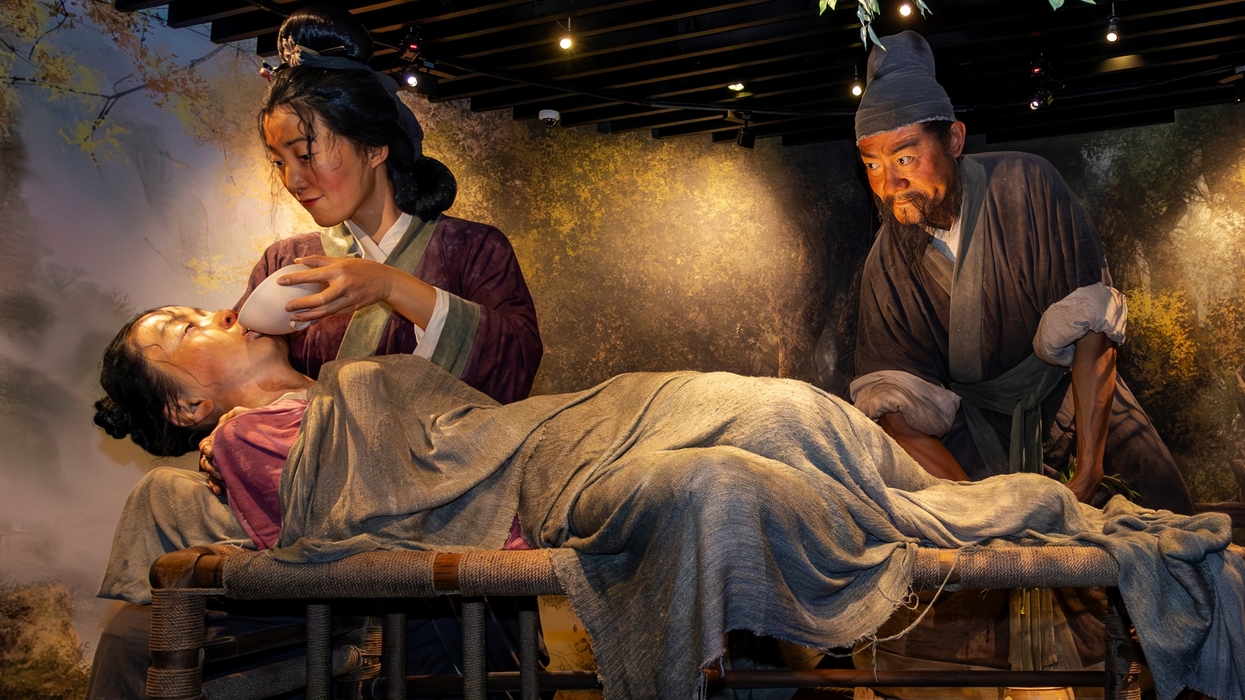
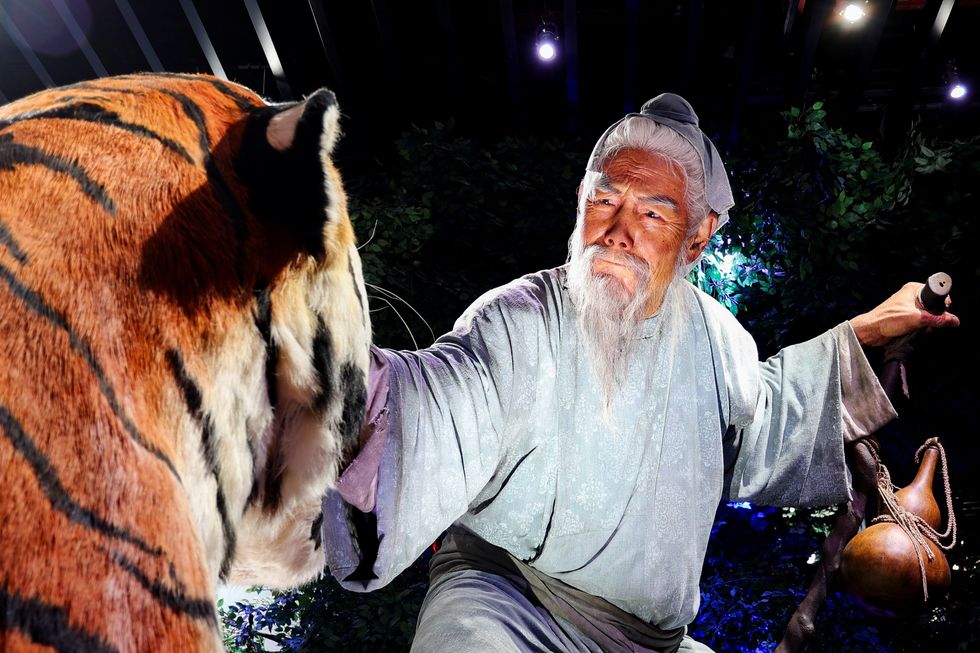
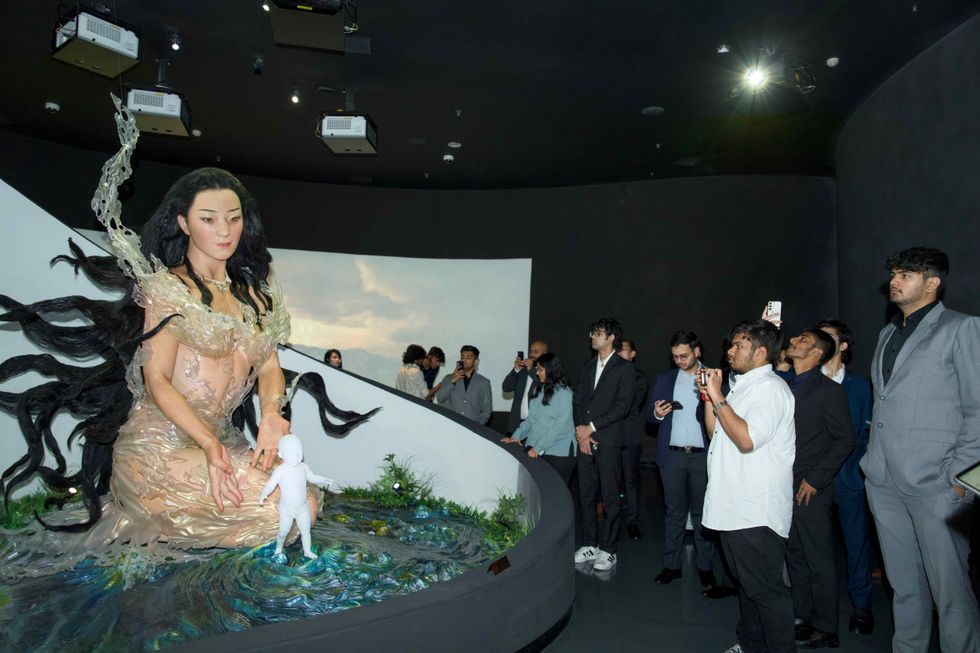
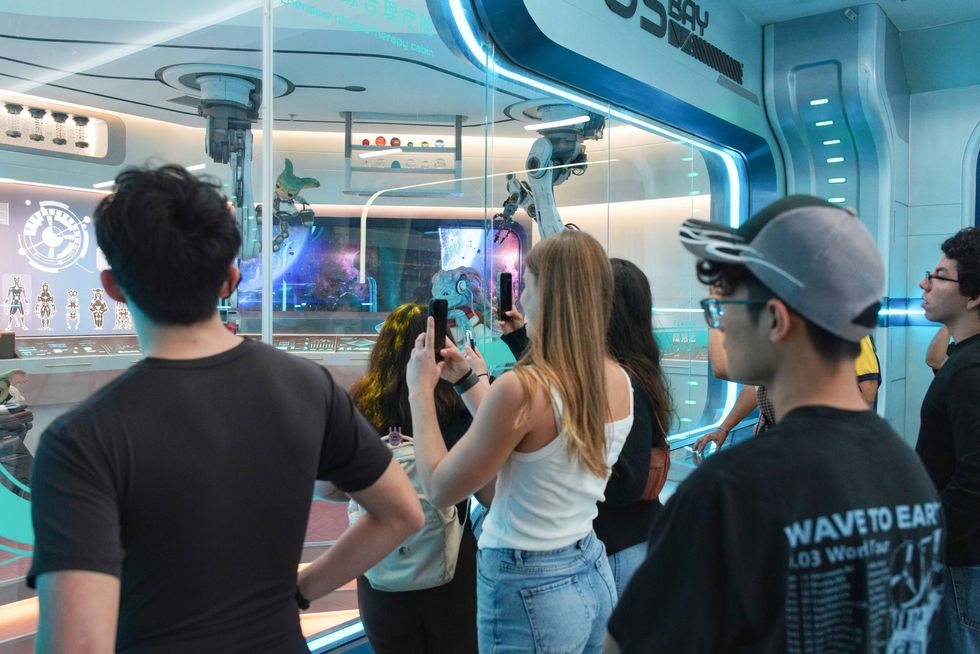
A 50-metre animated tapestry brings ancient myths and medicinal legends to life. Visitors then enter a glowing forest of medicinal plants, where herbal formulas are embedded into the pathways. Fourteen large scale, hyper-realistic character sculptures, brought to life through a combination of advanced 3D printing technologies and meticulous handcraftsmanship, including individually implanted hair, recreate pivotal moments in the history of healing. A 45-metre miniature-model environment carries visitors through the recorded history of traditional Chinese medicine, before the journey reaches a speculative future where acupuncture and herbal medicine are used to heal extraterrestrial beings aboard spacecraft.
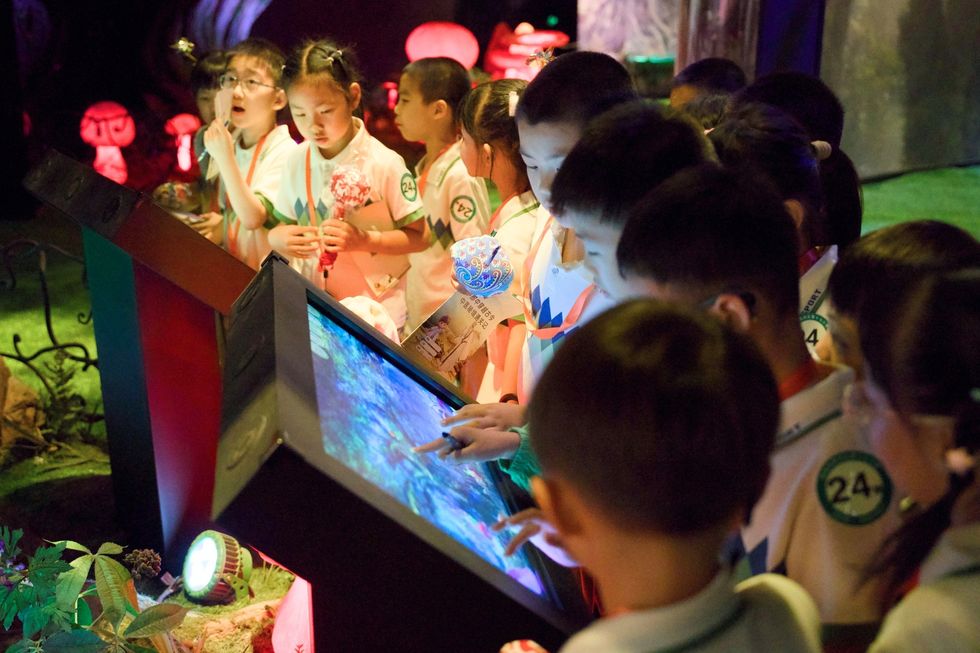
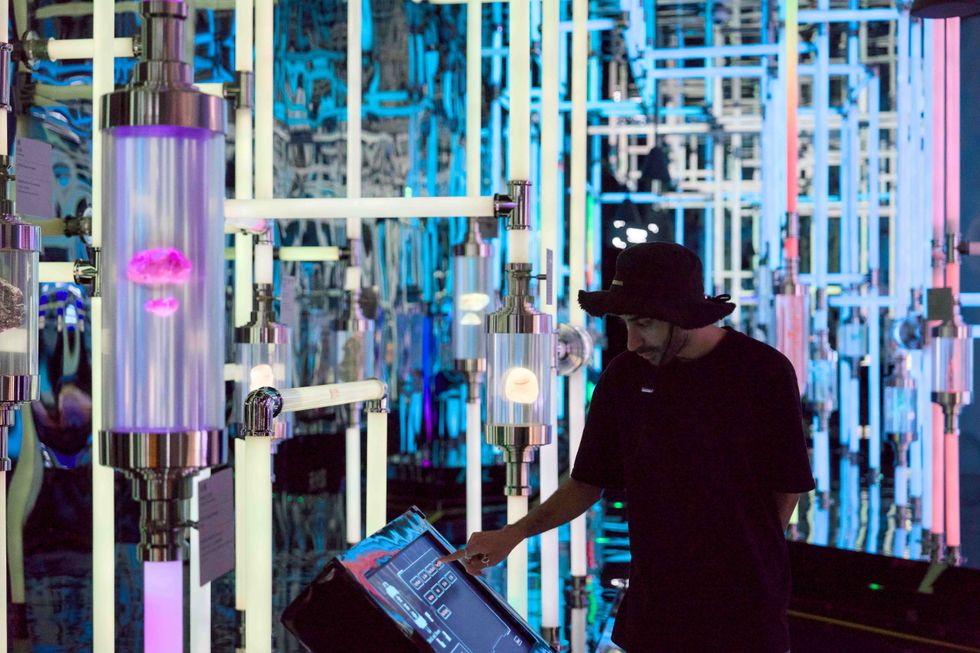
Technology is never treated as a separate attraction or an overlay. Projection, animation, lighting, sound and interactive media are integrated into the physical environments to support the narrative. In the Future Lab, visitors encounter lifelike animatronic aliens, whose intricate craftsmanship and sophisticated mechanical movements create a sense of wonder and discovery. Throughout the Center, interactive projection environments, holographic elements and data-driven installations add layers of content to the visitor journey. One example is the Level 2 interactive Pepper’s Ghost installation, where visitors select different TCM stories through a touch-sensitive interface, bringing historical scenes to life through illusion-based projection.
TCM Cultural Experience Center
Wētā Workshop
The Center’s core innovation lies not in any single technology, but in the orchestration of architecture, cinematic world-building, monumental physical craftsmanship and immersive media into a coherent experience. Together, they transform abstract cultural knowledge into a journey that can be felt, experienced and remembered.
TCM Cultural Experience Center
Wētā Workshop
Typical visitors spend between one and three hours reflect the depth of guest engagement. Since opening on 19 July 2025, the Center has welcomed more than 610,000 visitors and achieved a 4.8/5.0 rating on Ctrip, with visitor satisfaction exceeding 90 percent. The experience combines visual storytelling with bilingual (Chinese and English) exhibit text and signage, making TCM concepts accessible to visitors from different cultural and linguistic backgrounds.
TCM Cultural Experience Center
Wētā Workshop
Ultimately, the Center gives a culture with thousands of years of history a new way to connect with younger Chinese audiences and visitors from around the world—demonstrating how immersive design can make traditional knowledge feel immediate, emotional and alive.
Wētā Workshop
TCM Cultural Experience Center
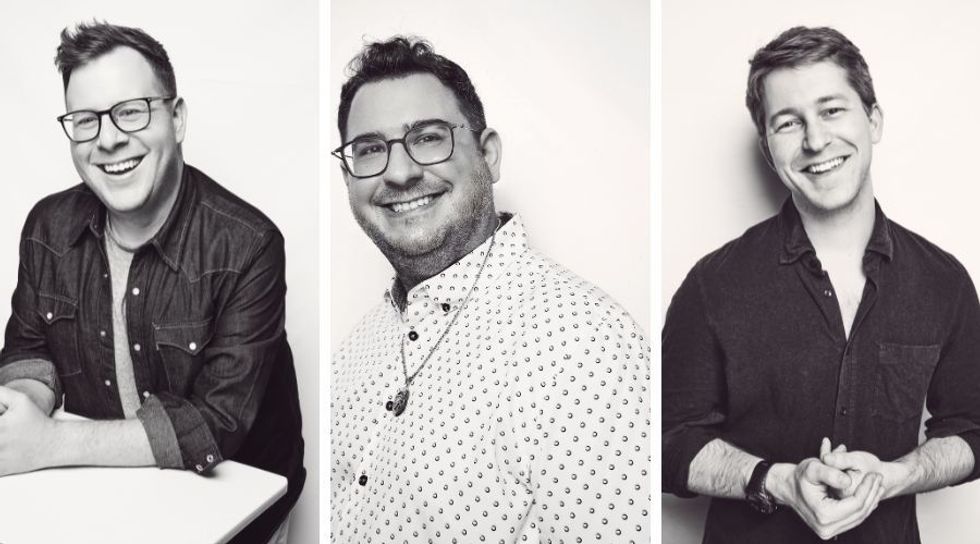 Mood leadership team L to R: Nick Diaz, Ryan Bona and Asher Harder Mood
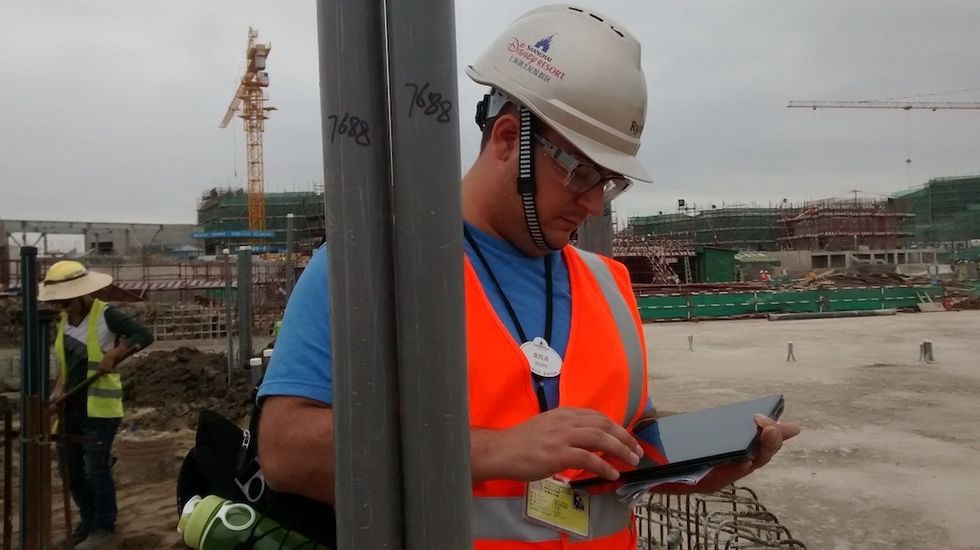 Ryan Bona on site at Shanghai Disney Resort during construction
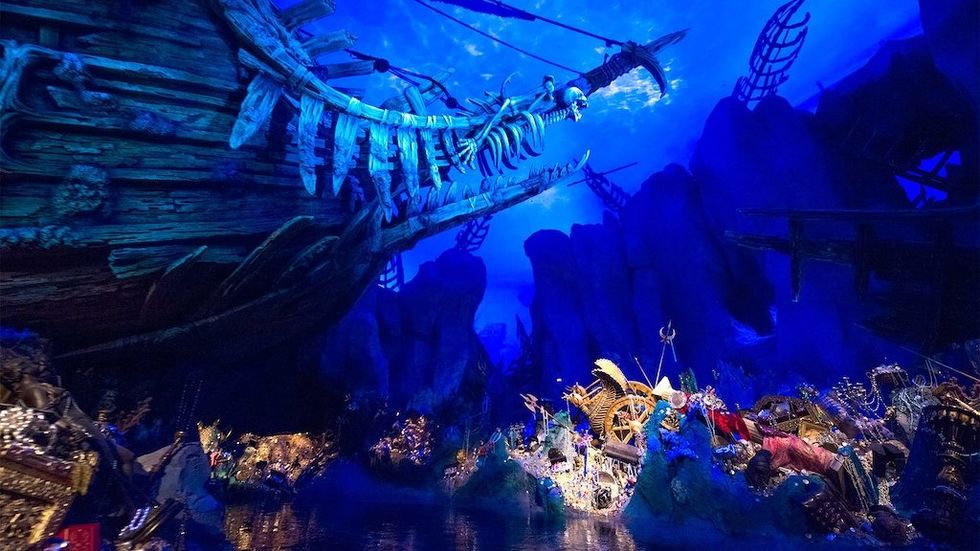 Scene from the Pirates of the Caribbean: Battle for the Sunken Treasure attraction at Shanghai Disneyland Disney
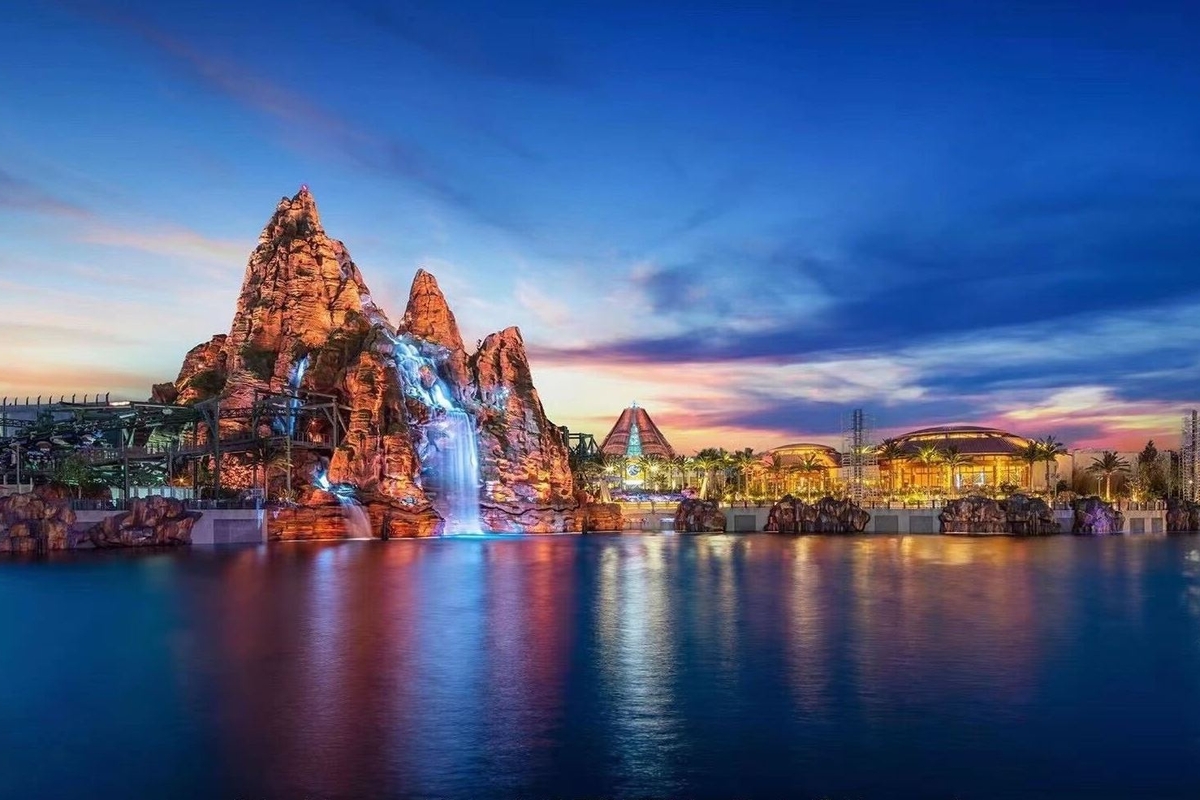
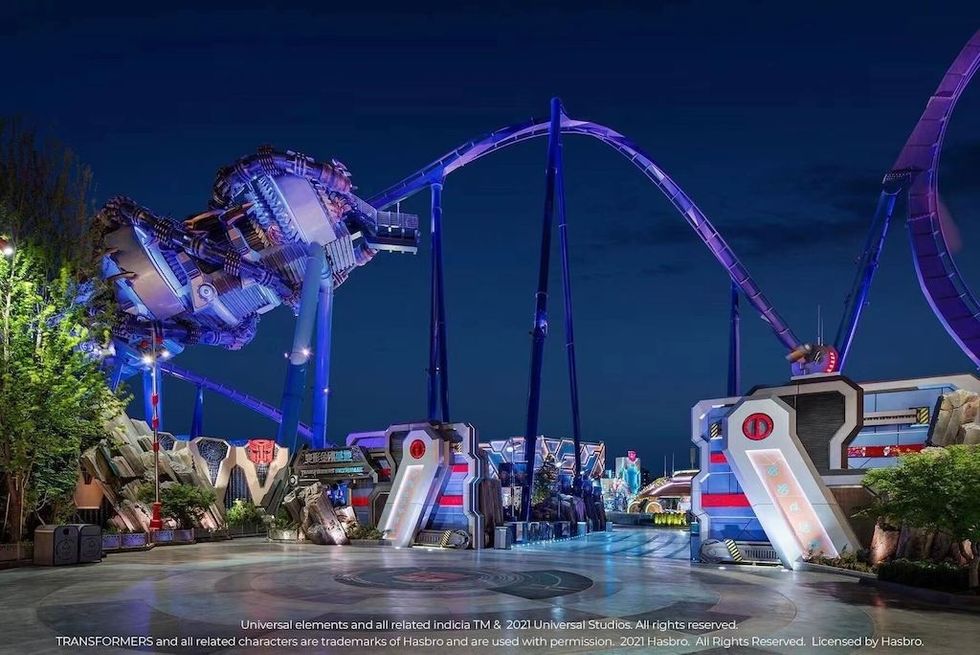 The Transformers Metrobase land at Universal Studios Beijing with the Decepticoaster roller coaster Universal
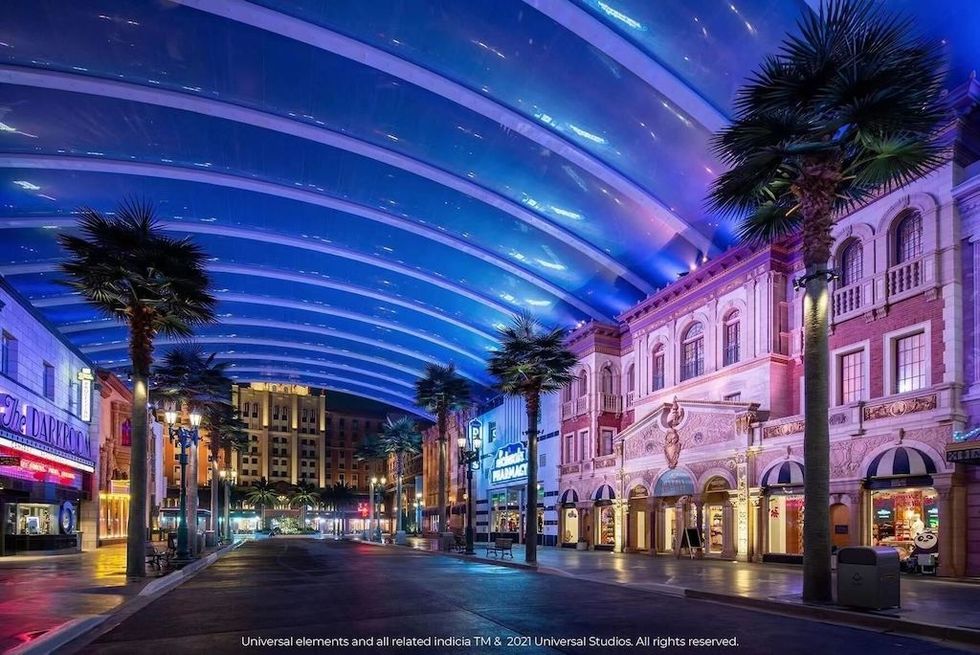 The Hollywood themed land at Universal Studios Beijing Universal
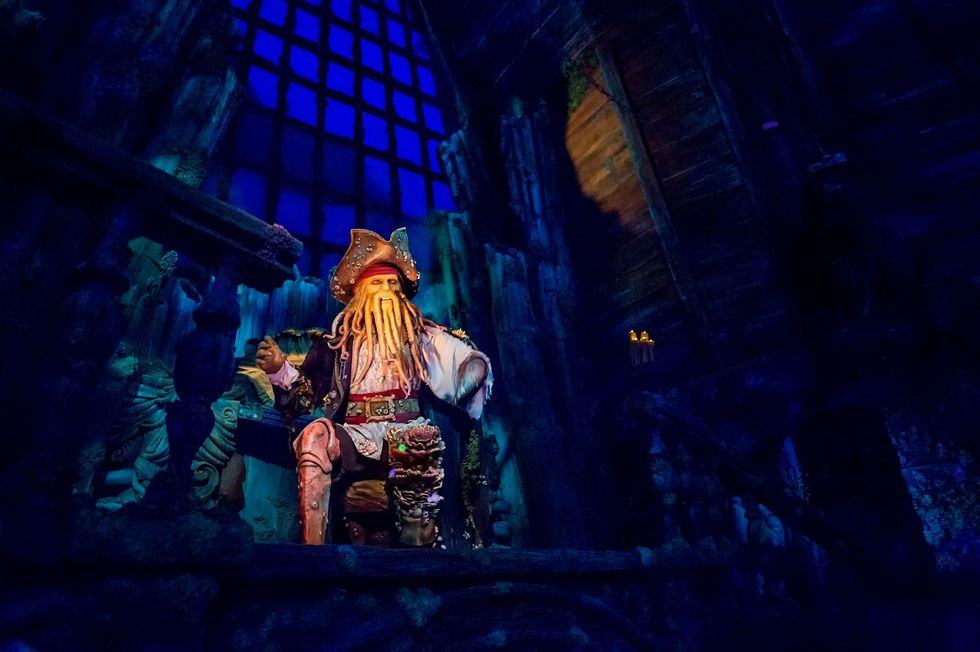 Shanghai Disneyland offers an immersive journey in Pirates of the Caribbean: Battle for the Sunken TreasureDisney
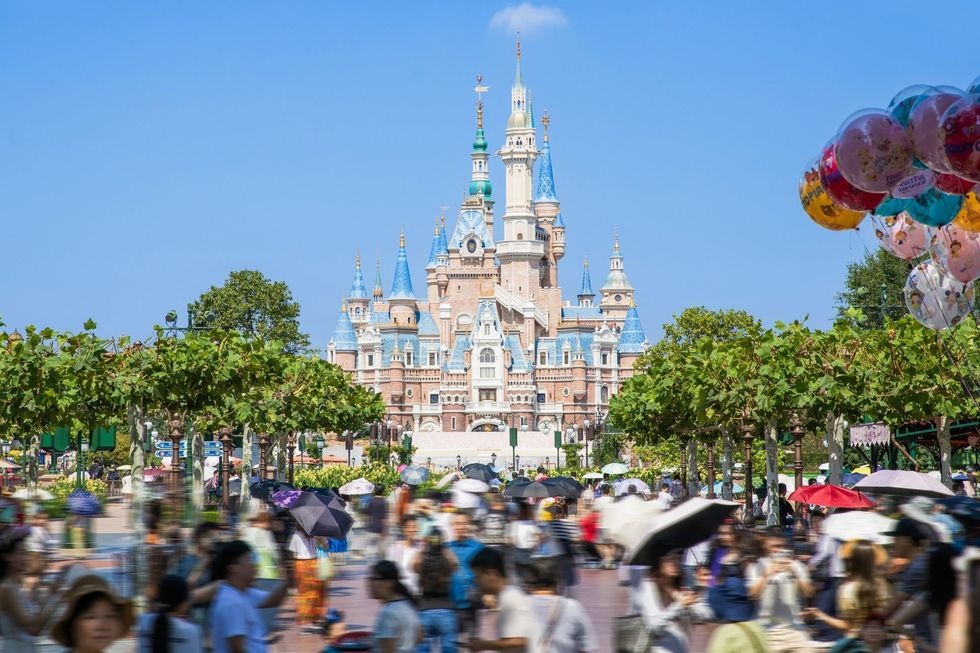 Shanghai Disney Resort opened in 2016 as Disney’s first destination in the Chinese mainland Disney
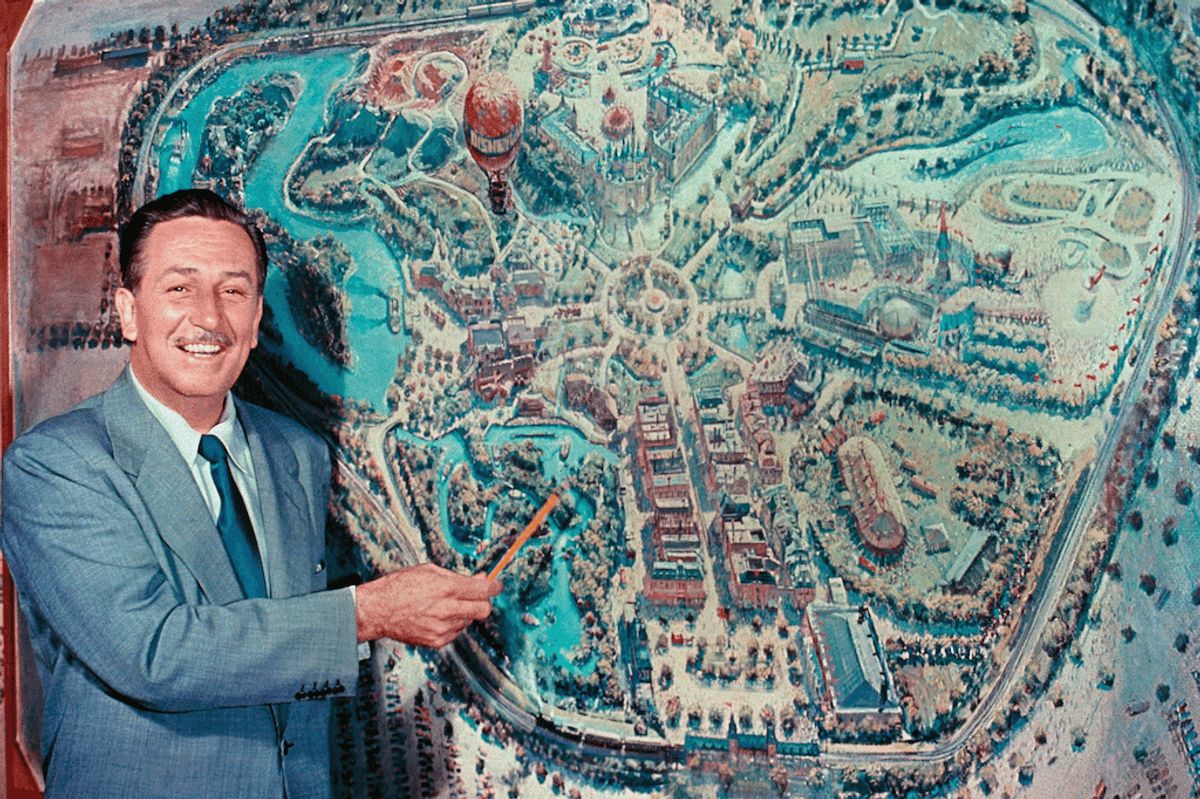

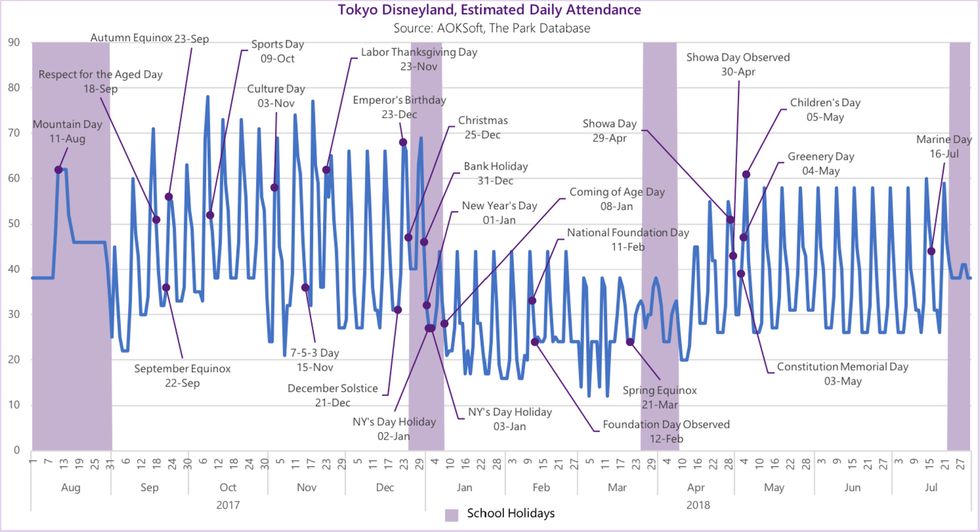 Analyzing attendance is a key part of attraction and theme park programmingImage courtesy of AOKSoft, The Park Database
 Diagon Alley at Universal Studios Florida demonstrates how carefully curated retail, dining and interactive experiences can become an integral part of an immersive environment, rather than simply supporting the attractions Image courtesy of Universal
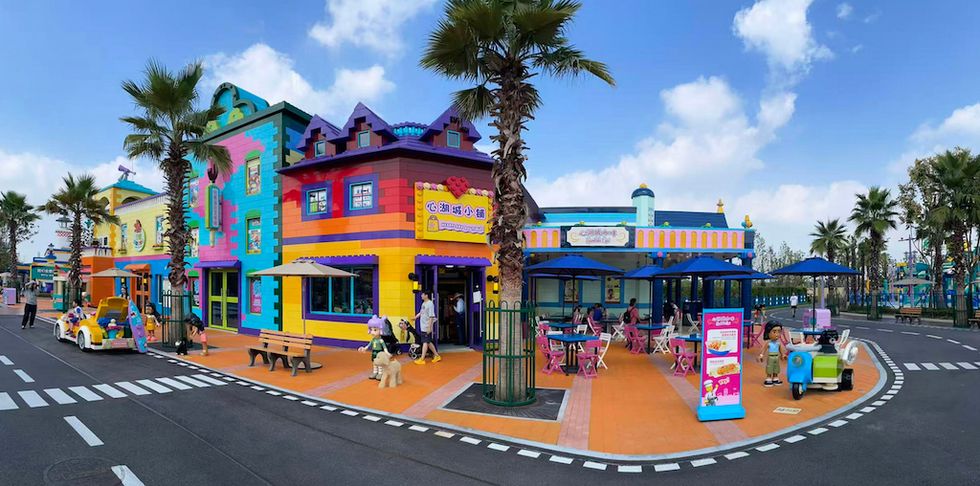 “Relief valves” in park planning: A vibrant streetscape in Legoland Shanghai, where guests can meander freely, sit for a bit, and take photos between attractions, retail, and dining experiencesImage courtesy of FORREC
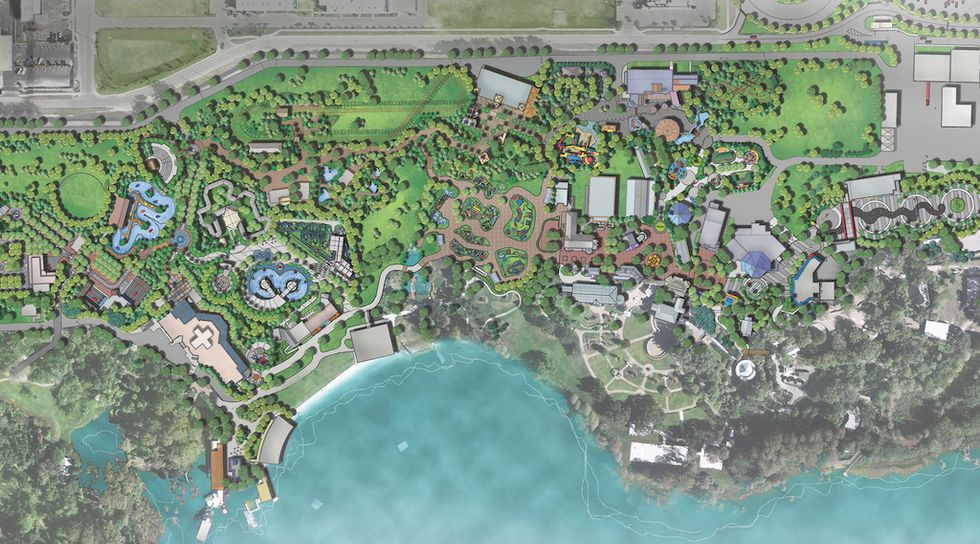 The masterplan for Legoland Florida, illustrating how spatial programming helps organise attractions, amenities and guest circulation to create a balanced visitor experienceImage courtesy of FORREC