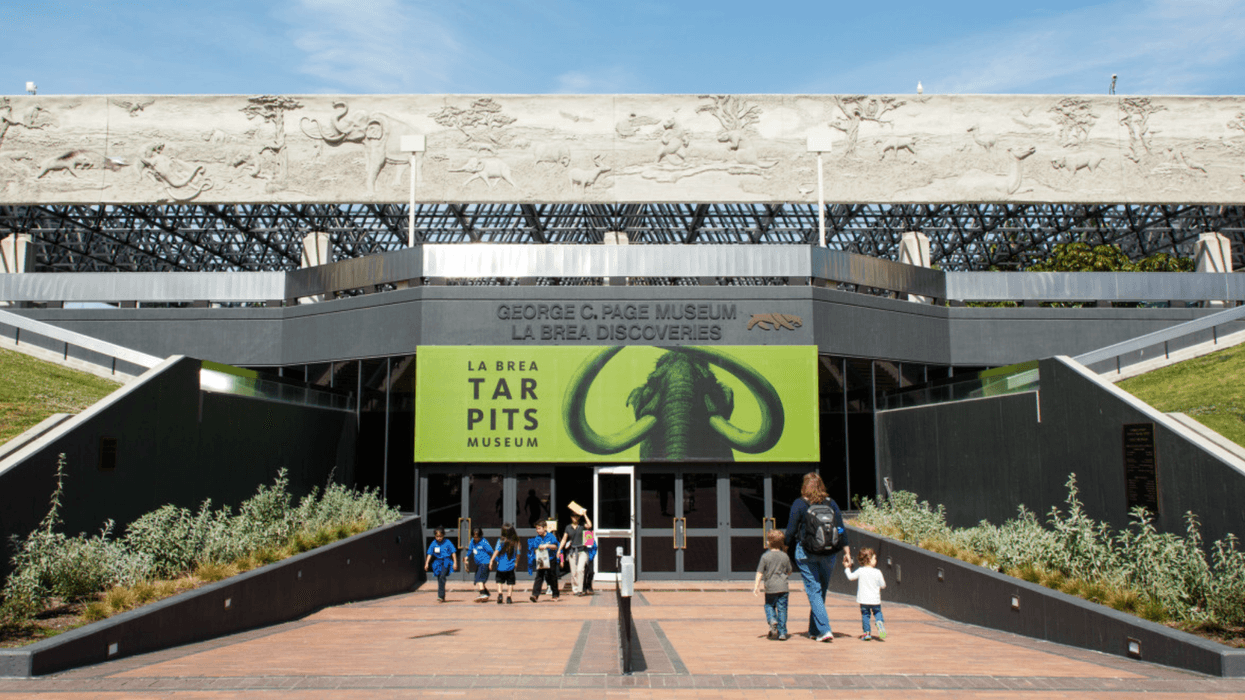

The multi-year transformation of the La Brea Tar Pits campus is set to start in July, with the site's Page Museum to close on 6 July for around two years.
The first major renovation of the Page Museum since its opening in 1977 involves modernising and improving access to the building, as well as the addition of new collections storage and displays, an immersive theatre, and a roof terrace with views of the park.
"As we prepare the La Brea Tar Pits transformation, I encourage everyone to visit this cultural icon and experience firsthand what makes this site unlike any in the world," said Lori Bettison-Varga, president and director of the Natural History Museums of Los Angeles County.
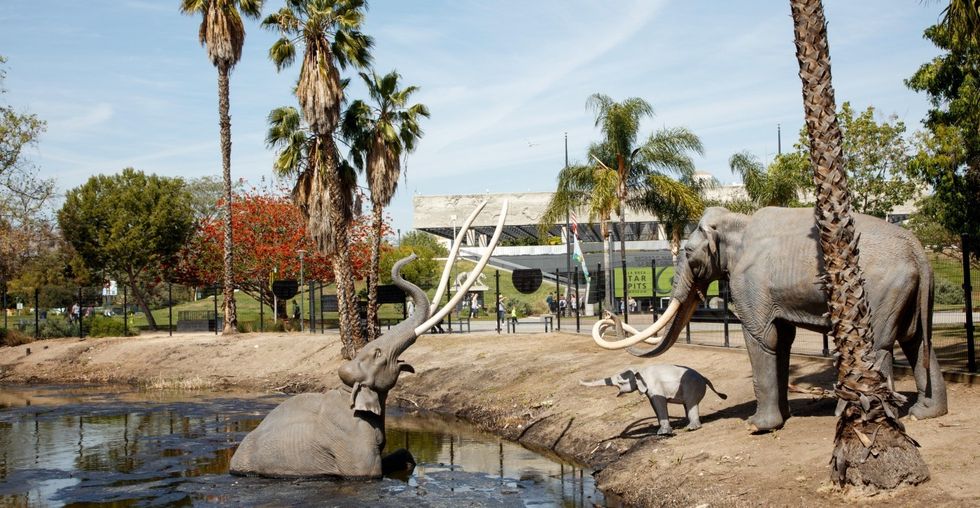
"This is the largest capital investment in NHM’s history, and it reflects an extraordinary commitment from our civic and philanthropic partners to the future of La Brea Tar Pits," she added.
"Our responsibility is not only to preserve the fossils in our care, but to ensure that the knowledge they hold is accessible to all."
Led by architecture firm Weiss/Manfredi, the wider transformation of the La Brea Tar Pits will better integrate the Page Museum, active excavation sites, research facilities and surrounding parkland into a more unified and accessible campus in Hancock Park.
Hancock Park will stay open throughout the project, which includes a new 1-kilometre pedestrian loop through the park to connect its experiences.
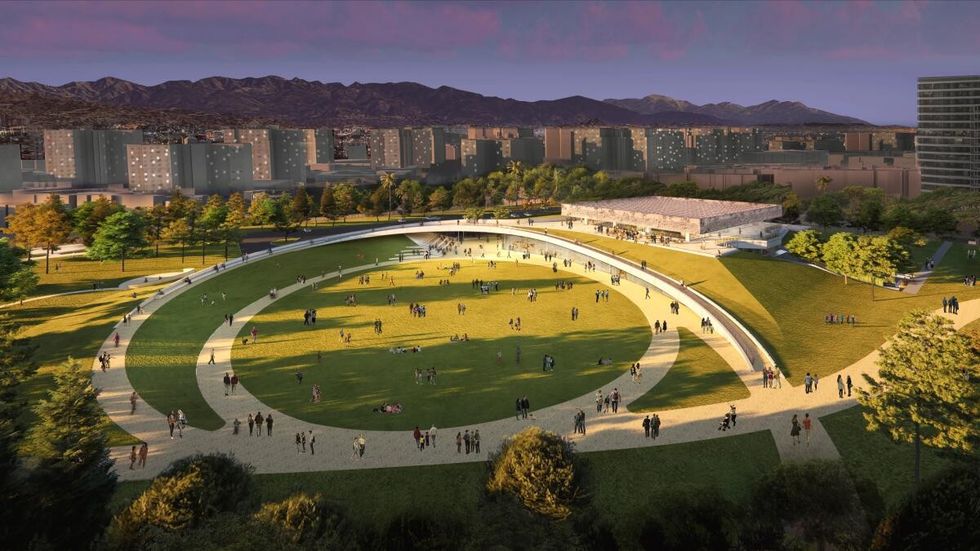
Although the Page Museum will temporarily close to visitors, scientific work at La Brea Tar Pits will continue, as will educational offerings, both on-site and elsewhere.
Construction on the La Brea Tar Pits transformation is expected to start in late 2026, with the reopening of the full campus anticipated for 2028.
Announced earlier this year, the project includes the creation of a new centre for Ice Age research at La Brea Tar Pits.
Images courtesy of the Natural History Museums of Los Angeles County