
Specializing in immersive environments and interactive gaming experience solutions, Lumotion studio has explained why compact, digital-first play zones are becoming a sought-after investment for shopping centres, museums, and family entertainment centres that are aiming to optimise ROI per square metre and increase visitor dwell time.
Following the successful launch of its core interactive suite, including Interactive Targets, Avatar Drawings, and the Running Zone, the studio shares how 'phygital' play installations are addressing key operational challenges for venues.
Transforming dead zones
A key advantage of digital playgrounds is their ability to adapt to complex spaces, unlike traditional mechanical rides or soft play areas, which often require extensive floor space and height clearance.
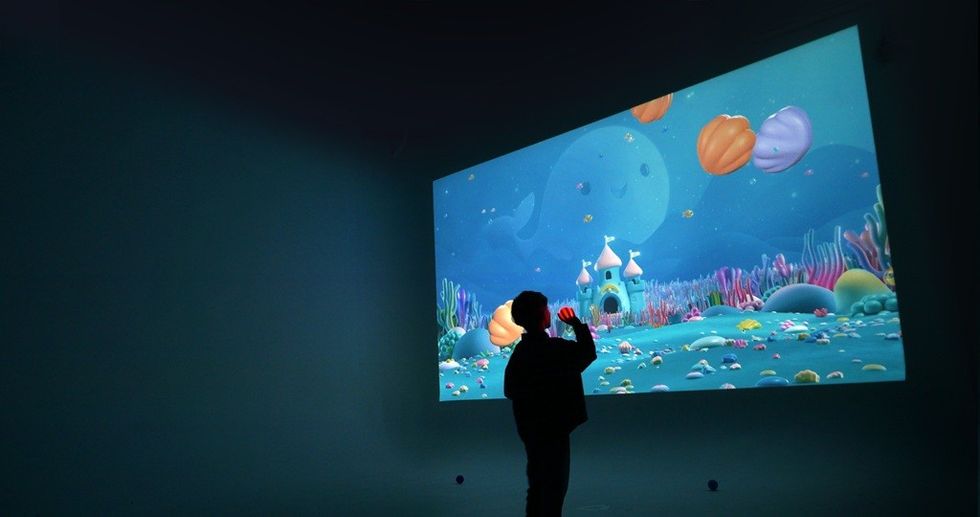 Interactive Targets Zone
Tony Tertyshnyk, founder of Lumotion Studio, says: "We see many venues with 'dead zones' - empty corners, wide corridors, or waiting areas that aren't generating value.
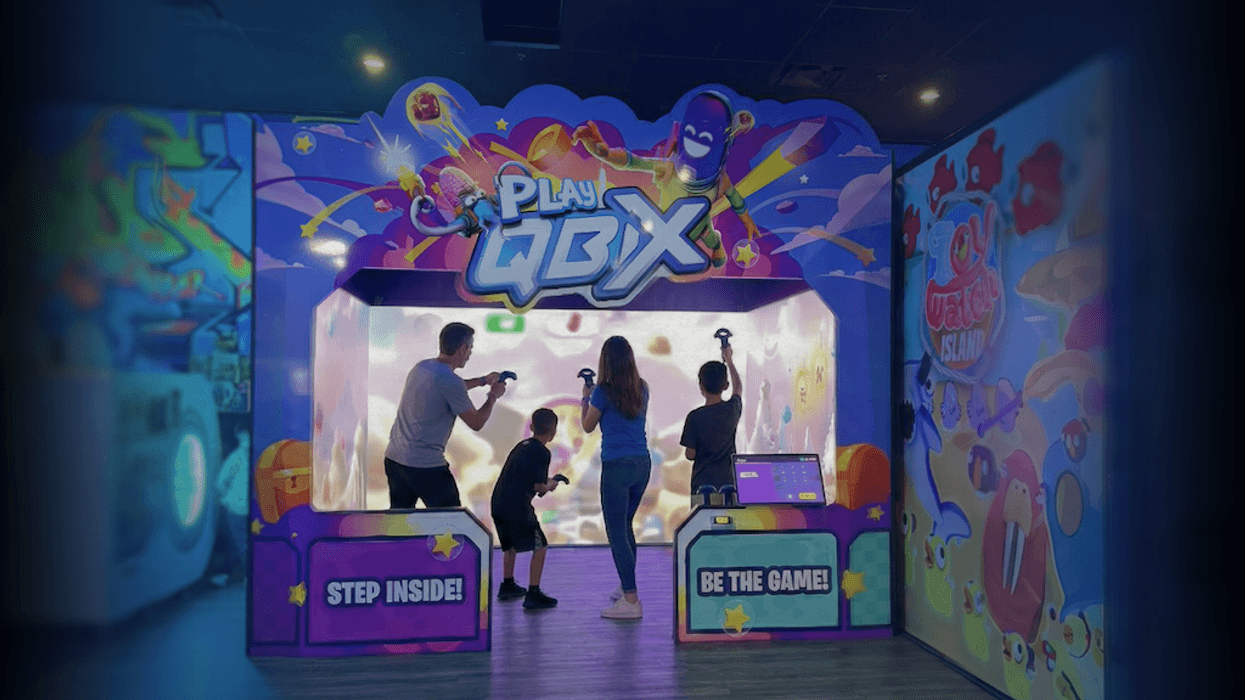
"Our installations, like the Interactive Targets Zone, can transform a simple wall into a high-energy multiplayer game."
Lumotion's interactive park products need only 5 to 10 square metres, enabling operators to utilise areas that were previously unusable. As such, this small footprint allows clients to introduce a premium attraction without compromising retail or exhibition space.
In the experience economy, the amount of time guests spend on-site is directly linked to revenue. Longer visits lead to higher spending on food, beverages, and retail.
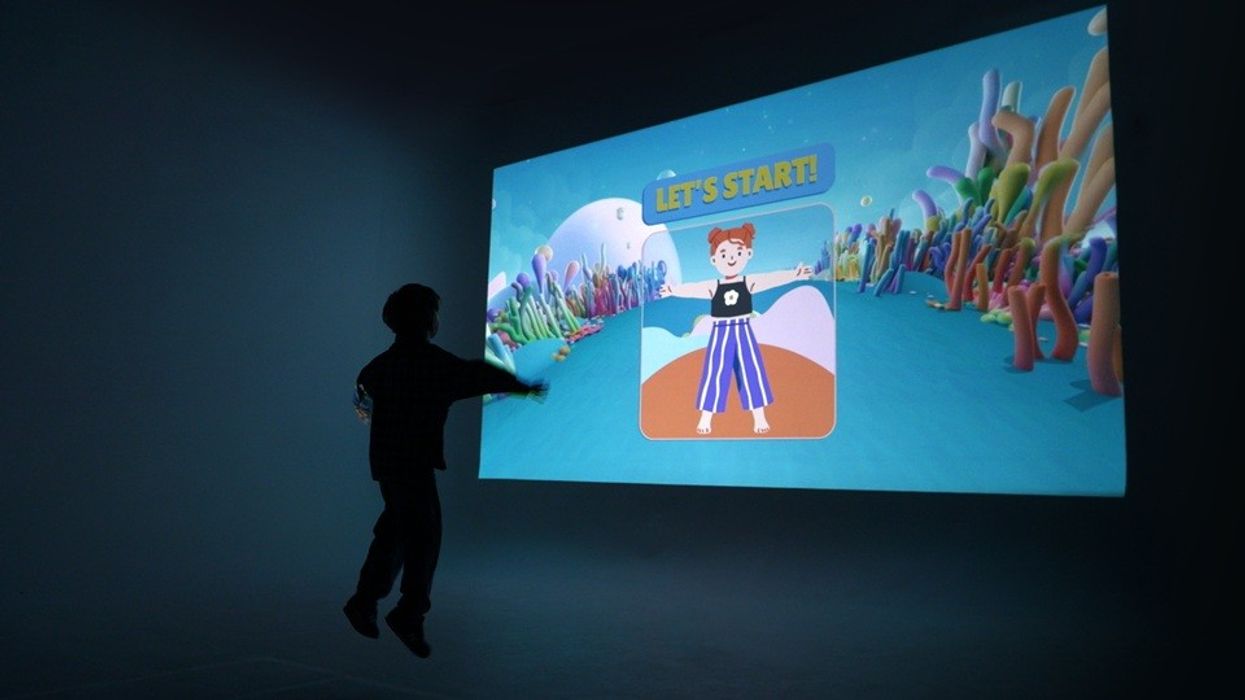
With this in mind, Lumotion has created its moving drawing game, Interactive Avatar Drawings. This "sticky" experience encourages children to spend time colouring in their physical drawings before scanning them into the digital world.
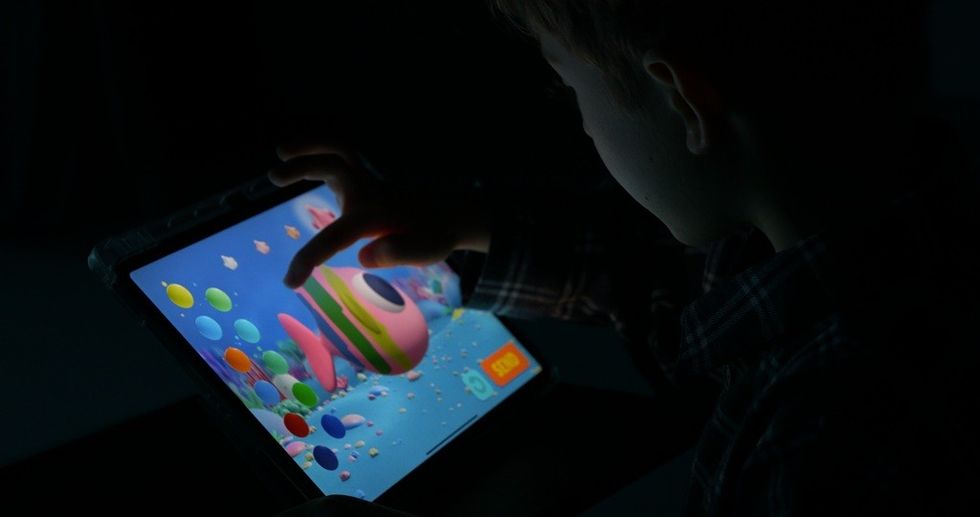 Interactive Avatar Drawings
"This isn't a 30-second ride. It is a creative process that holds the child’s attention for 15 to 20 minutes," says Lumotion.
"For a shopping centre or a museum café, that is valuable time for parents to relax and consume, knowing their children are safely engaged."
Durable, easy to update & high throughput
Operational efficiency is essential to achieving ROI. While mechanical attractions typically incur high maintenance costs, experience wear and tear, and have strict staffing requirements, digital-first solutions such as the Interactive Running Zone offer a different value proposition.
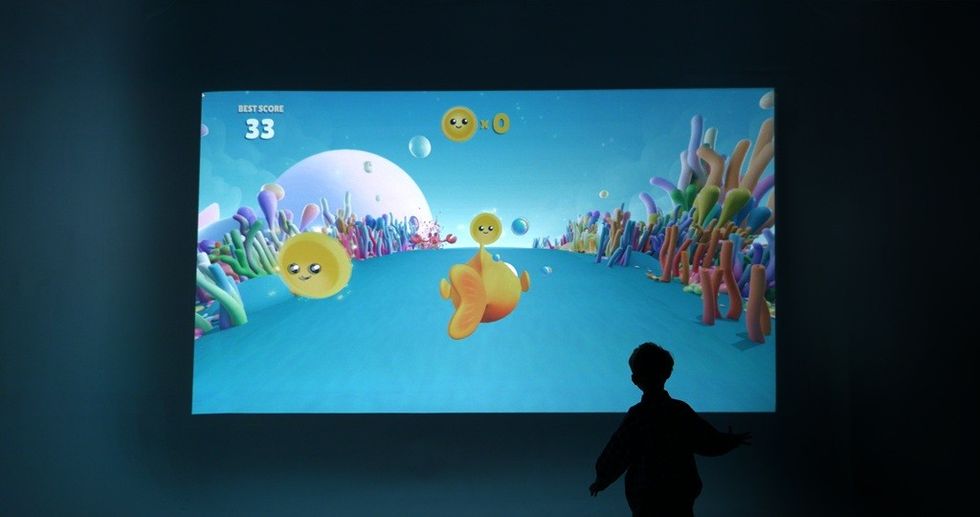 Interactive Running Zone
Here, the hardware consists primarily of projection and sensor technology, so there are no moving parts or physical contact surfaces that could break or wear out. The playgrounds are highly durable and look the same on day one as they do on day 1000.
The systems also enable high throughput. As multiplayer games, Running Zone and Targets Zone allow groups of children to play at the same time, reducing queuing and maintaining high customer satisfaction.
Additionally, Lumotion’s software-driven approach enables content updates to keep the experience fresh and encourage repeat visits. A Christmas campaign can be easily implemented in December on the same wall that was used for a space-themed game in November, without requiring any hardware replacements.
"We are building systems that grow with the venue," says Tertyshnyk.
"It’s a one-time installation system that can deliver endless experiences. For operators, this means freedom from static attractions, costly rebuilds, and experiences that lose relevance over time.
"A single installation can evolve continuously, adapting to seasons, campaigns, age groups, or educational goals.
"Today it’s entertainment, tomorrow it’s branded content, and next year it becomes a learning tool. That flexibility is where true long-term value is created."
 Tony Tertyshnyk
Lumotion demonstrates that the most innovative playground equipment today isn't just plastic and steel, it's composed of light and code, blending space efficiency with dynamic content.
In October, the company shared details of its latest kids' interactive playground installations, including interactive drawing avatars, a flying zone, and a throwing game.