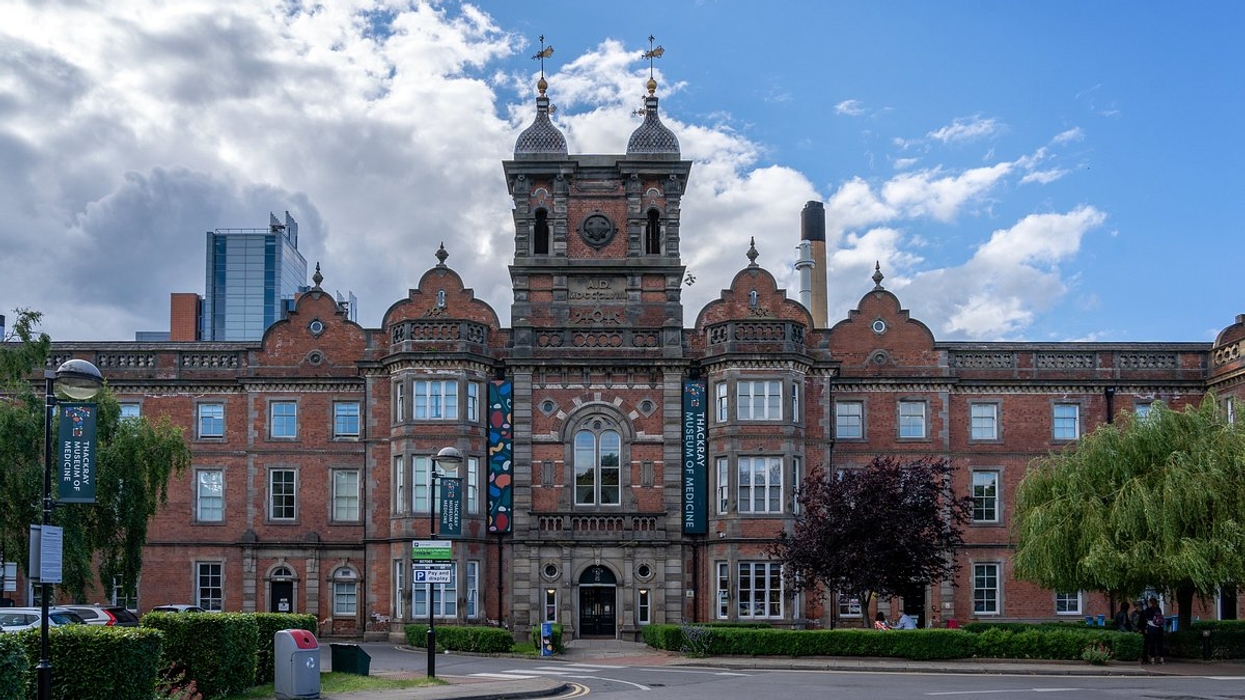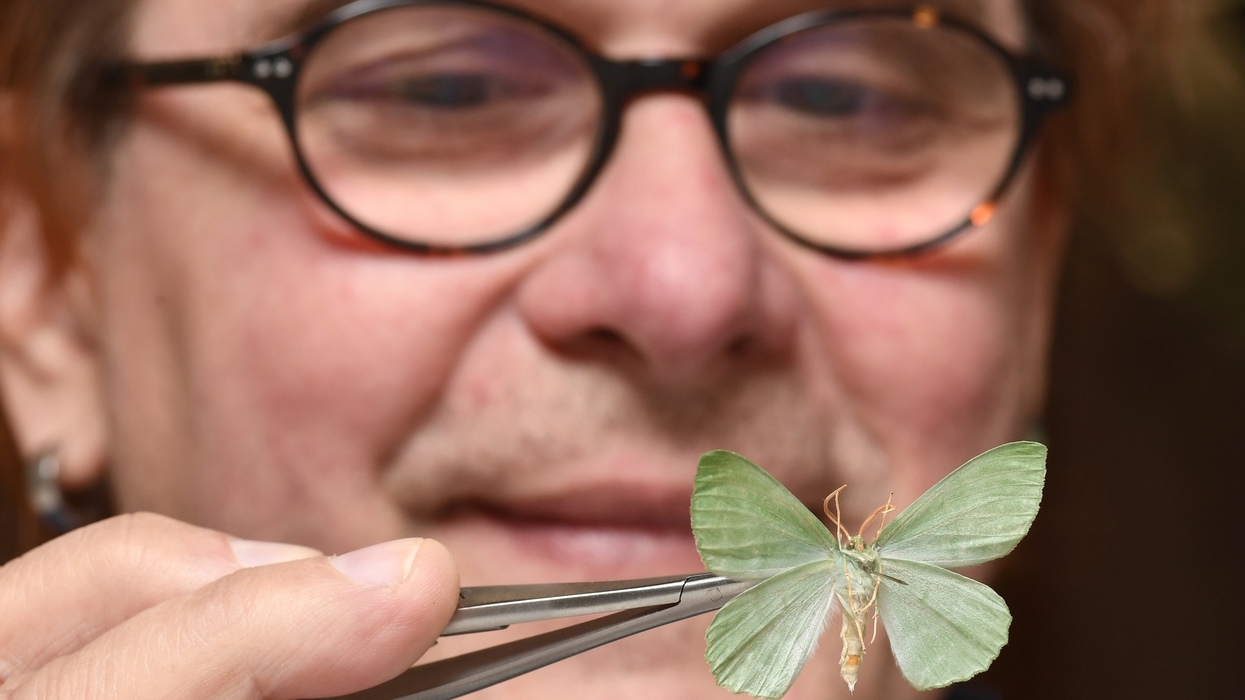

National Museums Scotland and the Royal Botanic Garden Edinburgh (RBGE) have announced a major digitisation project to document Scotland's biodiversity.
Starting this summer, the project aims to create approximately 700,000 digital records of specimens held in Scotland’s natural science collections.
The initiative will initially run for two years and will make more than 250,000 insects from National Museums Scotland and 388,000 herbarium specimens from the botanical garden digitally accessible to all.
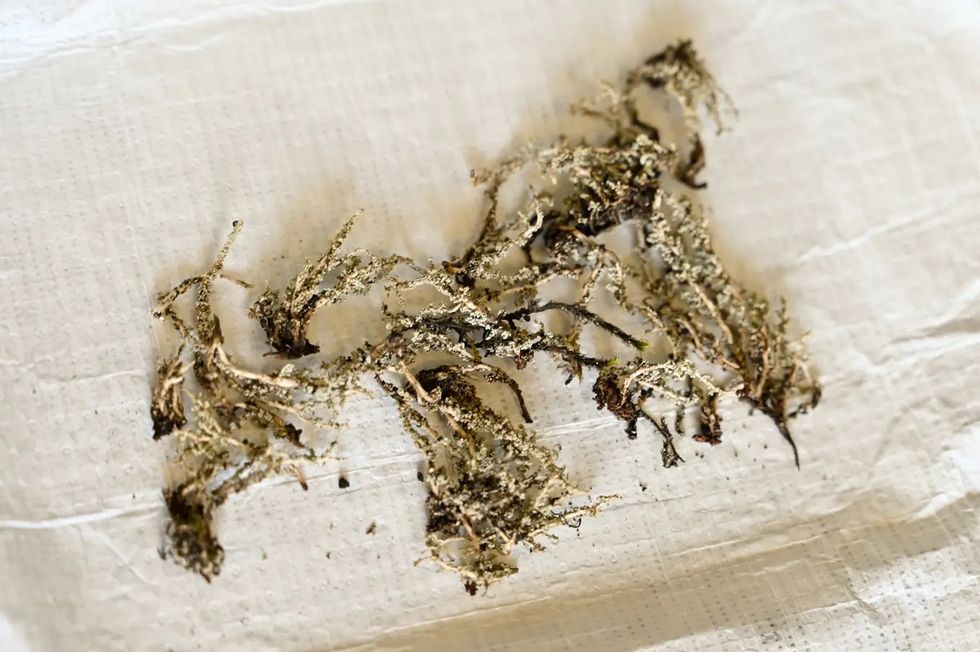 New project aims to create 700,000 digital records of specimens held in Scotland’s natural science collections
Four further partners are already engaged in the project – Glasgow Life, the Hunterian, Shetland Museum & Archives, and the James Hutton Institute in Aberdeen.
“This project brings together Scotland’s exceptionally rich natural science collections in a united effort to mobilise the biodiversity records they hold," said project co-lead Professor Olwen Grace, deputy director of science (collections) and curator of the Royal Botanic Garden Edinburgh's herbarium.
"Drawing on the leading herbarium digitisation approaches at RBGE, the project will boost digital heritage in Scotland and help to ensure the broadest diversity of the UK’s collections are made accessible online."
The initiative will create a network to add Scotland to the Distributed System of Scientific Collections UK (DiSSCo UK) project, a 10-year national programme to digitise and connect the UK's natural science collections.
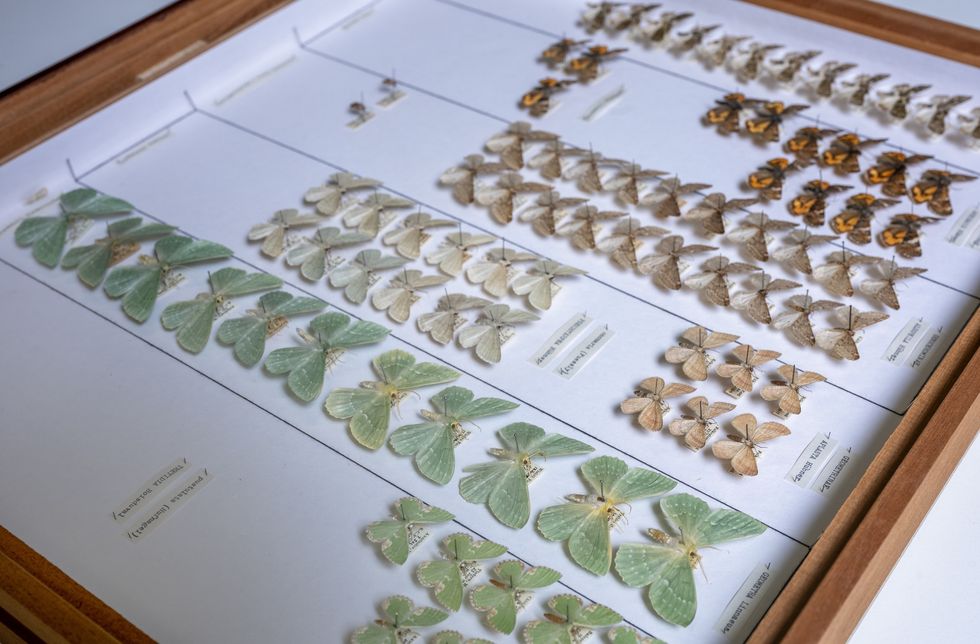 New project will make more than 250,000 insects from National Museums Scotland accessible to all
“DiSSCo UK presents an unequalled opportunity to reveal the British and Irish species in our collections," Grace added.
"Digitising brings recent and historic records of the country’s biodiversity together in a new way, making important information available for looking after nature in future."
Co-lead Dr Nick Fraser, keeper of natural sciences at the National Museums of Scotland, said: "Having these records digitally available will allow us to unlock the critical information that these collections hold about changes in biodiversity over time and the impact of climate change on diverse ecosystems both here in Scotland and across the world."