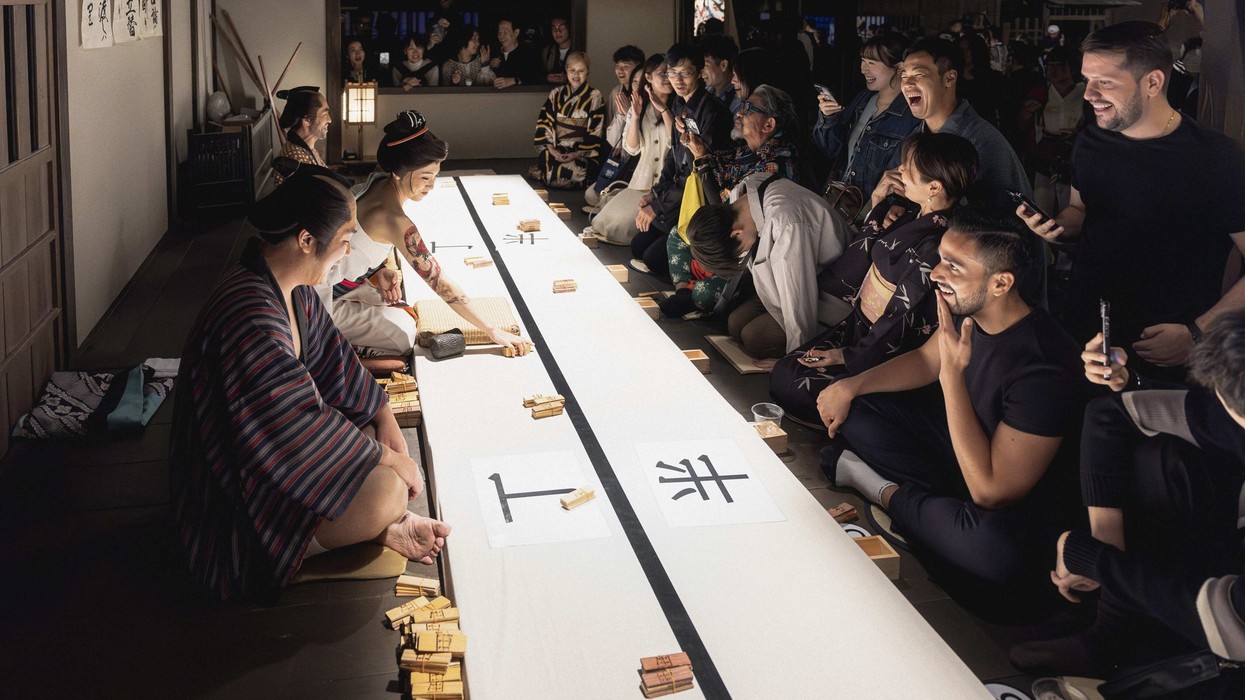

We had the experience but missed the meaning.
— T. S. Eliot, Four Quartets
Counting what doesn’t count
We’re living in a world where what we can count is rarely what counts. Markets measure productivity, not progress. We track extraction and efficiency — oil, finance, logistics — but not belonging, wonder, or emotional richness.
GDP rises when cities are rebuilt after war, when families are broken, or when people buy antidepressants. By any human logic, that makes little sense.
Classical economics built its worldview around Economic Man (Homo Economicus): logical, self-interested, utility-maximising. Growth was the goal. Profit was the proof. But neither measures what actually matters.
As philosopher Alain de Botton observes, modern capitalism is brilliant at comfort and convenience, yet terrible at meaning. We’re stuffed with content but starved of fulfilment — whether light, joyful, connective, or meaningful. Fed by infinite choice, yet left emotionally undernourished.
That gap — between what people most crave and what the market least provides — is the Fulfilment Gap. And for sectors built on human experience, it isn’t a threat. It’s the biggest opportunity of the next economy.
We are not Homo Economicus. We are Homo Experientialis
Humans are not spreadsheets with shoes; we are fundamentally Homo Experientialis (Experiential Man).
People don’t live rationally. We live through story, ritual, and belonging. We cry at football. We make pilgrimages to wizarding worlds and galaxies far, far away. We queue for hours not for merchandise, but for identity.
 Meaning begins when attention deepensImage credit Merlin Entertainments
Consumer culture promised fulfilment through ownership. But many of the world’s most valuable brands are now selling identity through place-based experiences: Apple Stores, Nike Town, Netflix House.
These are not retail environments — they are secular temples. And the fastest-growing part of leisure is not more screens, more retail, or more noise. It is location-based experiences.
Evidence:
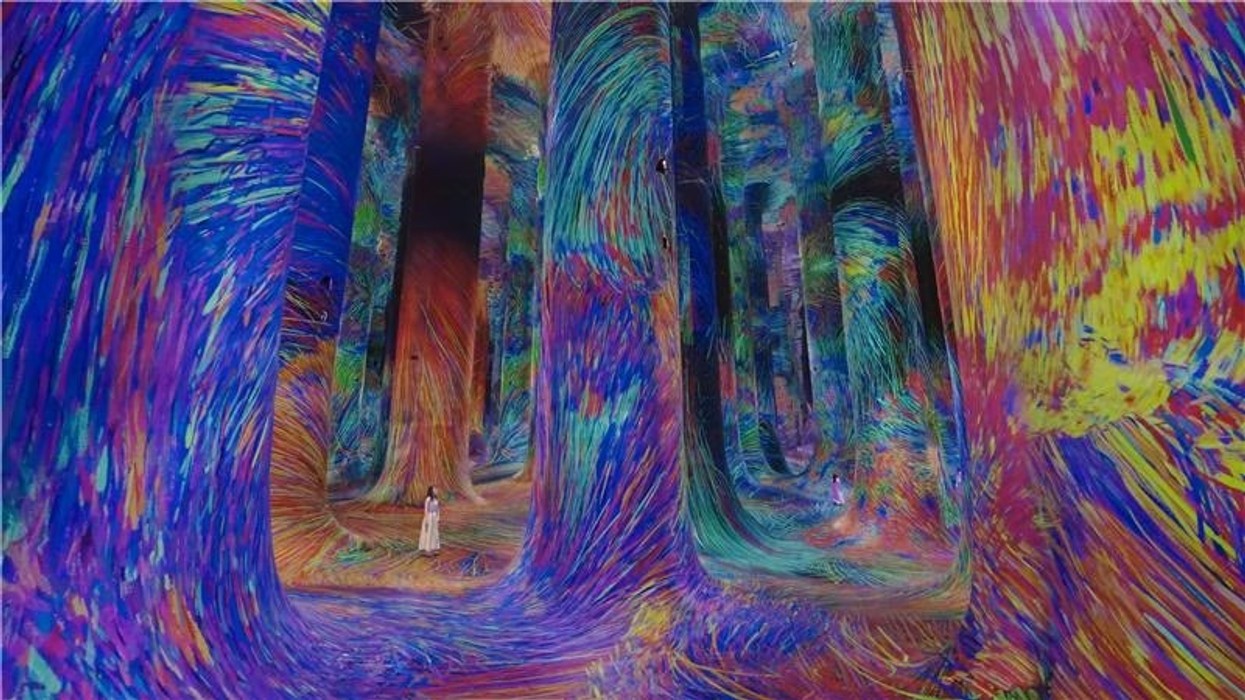
- teamLab Planets (Tokyo) became the most-visited museum by a single art group in history, with 2.5M visitors in 12 months (Guinness, 2024). No IP. No rides. Just awe
- Immersive art theatres like Frameless, Lighthouse, and Van Gogh Alive have achieved West-End-level occupancy
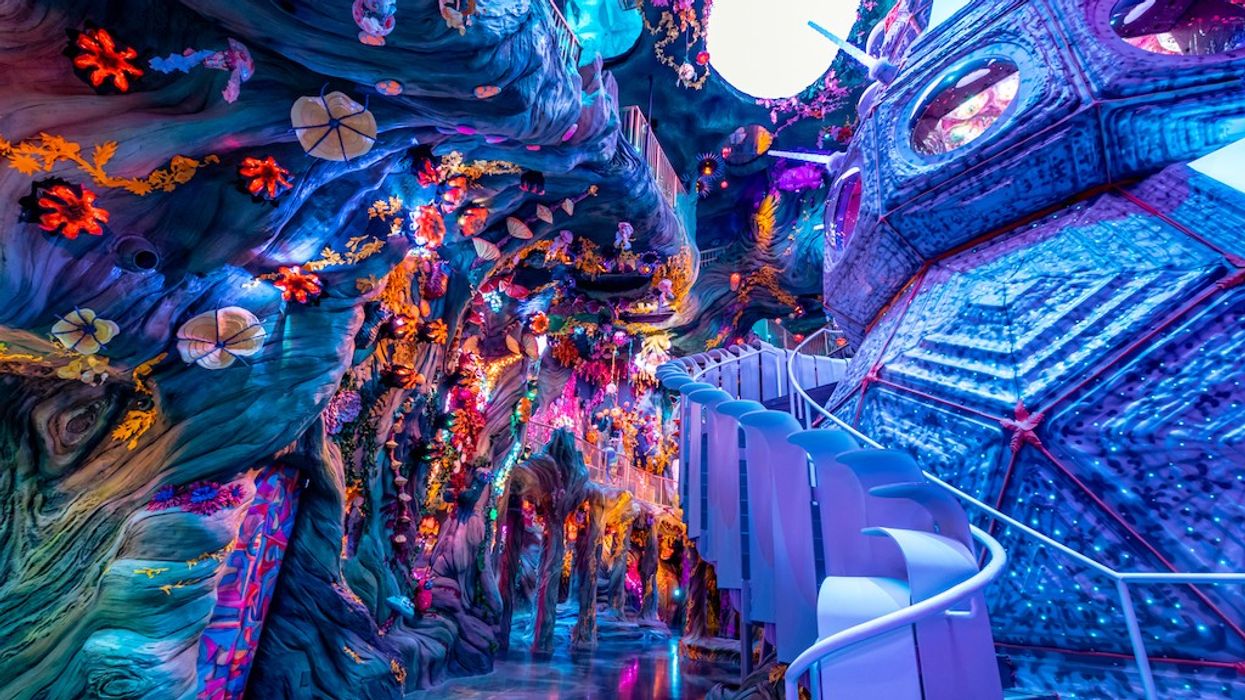
- Meow Wolf outperforms traditional retail by multiples on revenue per square foot
The great unmooring: from shared rituals to solitary consumption
For centuries, religious, civic, and cultural institutions provided society’s architecture of belonging: parish halls, guilds, theatres, libraries, pubs, and sports clubs. They offered ritual, story, and identity, but much of that has eroded.
Today, digital connection delivers infinite reach — but not belonging. We have unprecedented access to each other, yet declining empathy for one another.
As political scientist Robert Putnam chronicled in Bowling Alone, social capital is collapsing across the West: fewer shared meals, fewer community clubs, fewer rituals binding daily life.
Consumer capitalism didn’t ignore this problem. It built its own rituals:
- The mall replaced the marketplace
- The brand replaced the temple
- Black Friday and Prime Day became annual pilgrimages
But transaction never equals transcendence. Capitalism is exceptional at making us want more. It is far less reliable at helping us want well.
Mapping the blind spot: Maslow × Pine & Gilmore
To make visible the gap modern capitalism has left unrealised, we plotted the world’s 50 most valuable listed companies across two axes: Maslow’s hierarchy of human needs (vertical, from basic survival to self-actualisation) and Pine & Gilmore’s progression of economic value (horizontal, from commodities to transformations).
What emerges is not a balanced landscape, but a distorted one, still shaped by the logic of Economic Man.
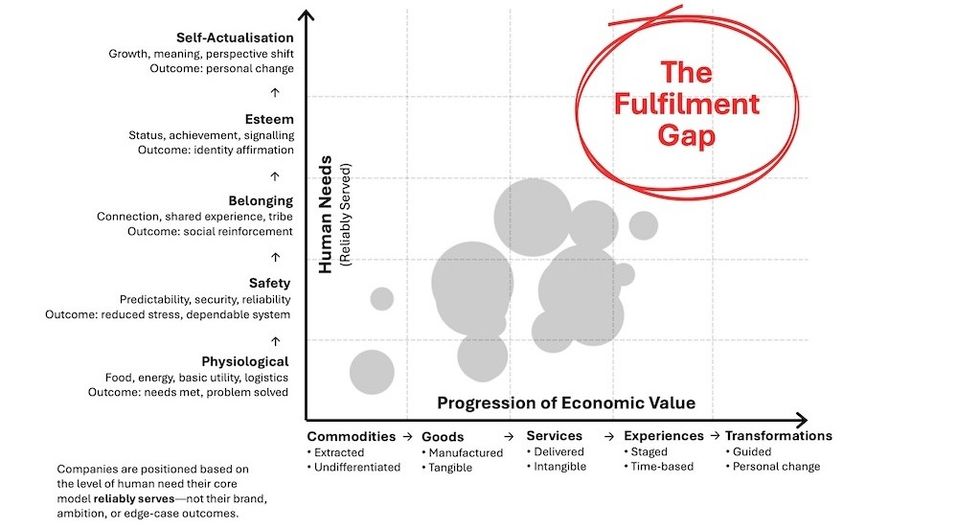 The Fulfilment Gap: the space between what people most crave and what the market least provides
The bottom-left — industrialised safety, utility, and convenience — is saturated with trillions of dollars of market capital (illustrated by circle size): Amazon, Shell, Nestlé, Procter & Gamble.
The middle band — where highly polished goods and services meet psychological and social needs — is the current battleground for status and belonging: Apple, Nike, Starbucks.
But the upper-right — where experiences and transformations meet esteem and self-actualisation — remains a conspicuous white space within the world’s most highly valued companies.
This is the Fulfilment Gap writ large across the global economic landscape.
While sector giants like Disney, Universal, and Merlin are the industry’s closest proxies, they do not yet register at the scale of the world’s most highly valued companies shown here and, if illustrated, would be concentrated in the ‘Experience’ and ‘Esteem’ zones rather than ‘Transformation’ and ‘Self-Actualisation’.
The true peak — scalable fulfilment — represents significant headroom for growth and remains largely unclaimed territory.
We have industrialised comfort, financialised convenience, and digitised attention. But we have not yet scaled fulfilment. That remains the open frontier of the next economy.
Destinations as secular cathedrals
Where organised religion has long provided shared structures of meaning, destinations increasingly provide complementary environments for shared experience and connection.
Whatever our beliefs, temples, theatres, stadia, parks, museums — all exist to hold collective emotion.
- Theme parks rehearse myth
- Stadia stage ritual combat
- Museums curate memory
- Festivals create temporary utopias
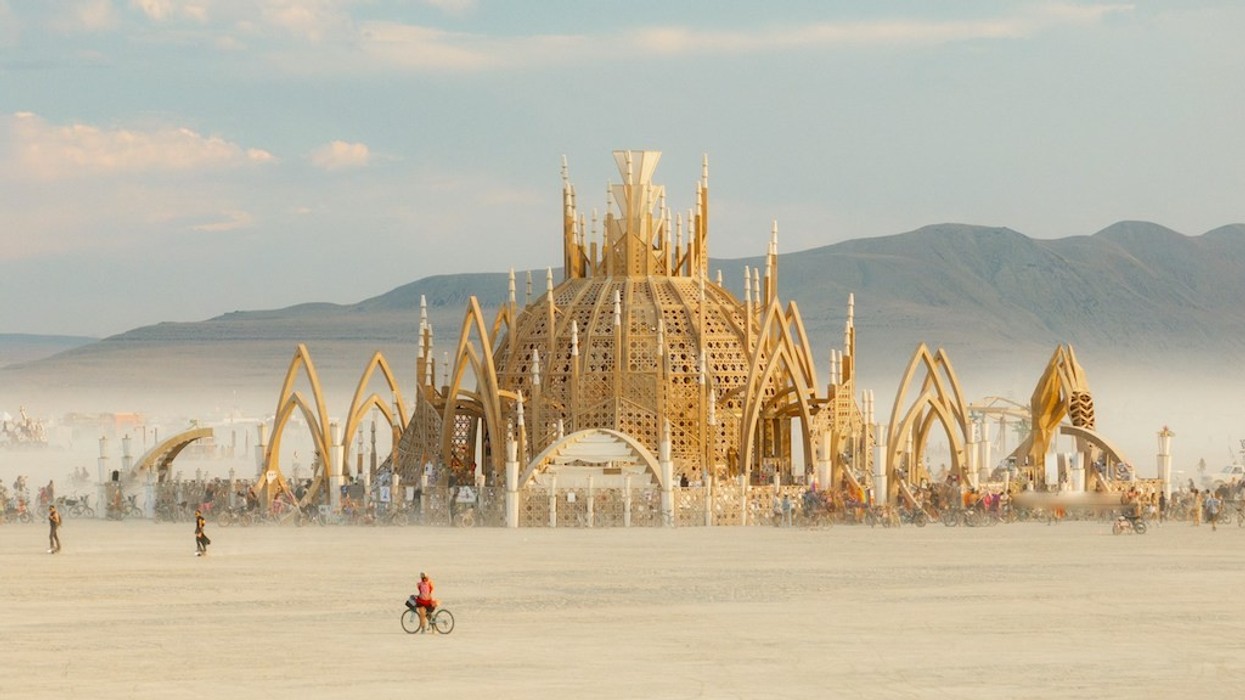
- Burning Man builds a civic-scale commons in the desert
- The best zoos turn conservation into empathy-fuelled action
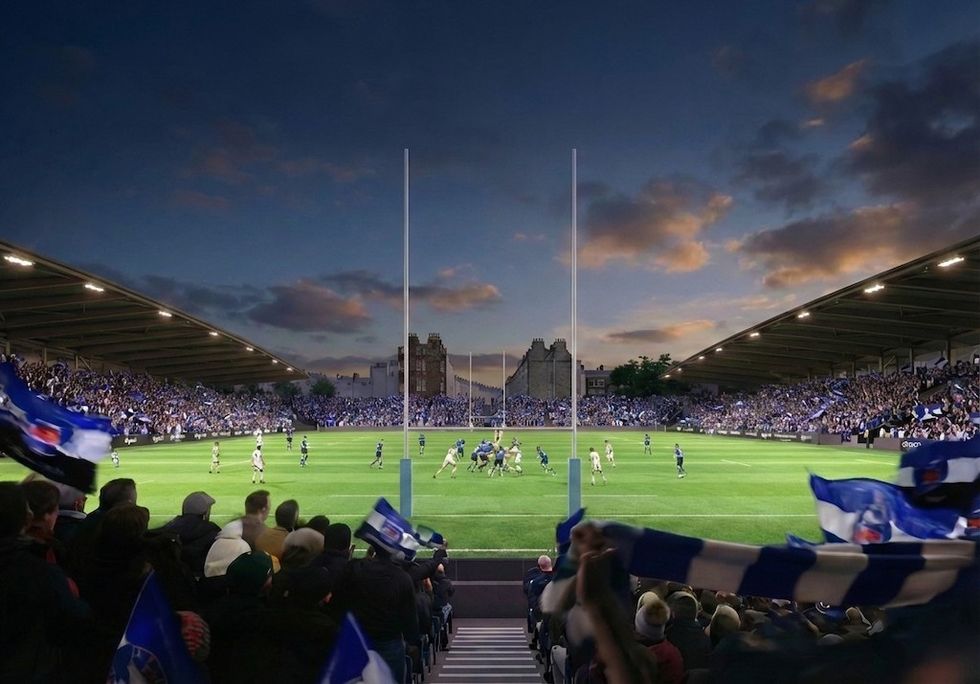 Ritual still scales. Belonging still matters.
When societies lose shared meaning, they reinvent the infrastructure that carries it. Where cathedrals offer transcendence, the best destinations increasingly seek to create moments of transformation.
The shift from advertising to experiential retail is the market trying to buy back meaning. Nike Town and Netflix House illustrate how brands have learned what destination operators have long understood:
- Belonging isn’t broadcast; it’s staged
- Meaning isn’t advertised; it’s experienced
- Identity isn’t purchased; it’s performed
See also: City-centre destinations: Stadium for Bath & the sustainable future of experience-led placemaking
Design lessons from meaning infrastructure
All meaning systems — sacred or secular — scale through three forces:
Revelation → emotional breakthrough
Reinforcement → ritual and repetition
Replication → symbols and spread
Cathedrals use architecture, music, and liturgy. Modern destinations use narrative immersion, sensory design, crowd behaviour, and social shareability.
Neuroscience has shown that people change less through instruction and more through embodied experience. That places a responsibility on the designers of modern destinations.
Like any powerful tool, this carries a shadow side. The same mechanics have been used throughout history to manipulate identity and manufacture unity. Influence is neutral, but intention determines outcome.
Used responsibly, immersive design builds empathy, connection, and agency.
Used poorly, it creates conformity, manipulation, or exclusion. This isn’t spiritual language. It’s behavioural science.
The market has already spoken
The Fulfilment Gap isn’t just a philosophical observation; it’s a profound economic shift.
Capital is rushing to fill the void. Current projections indicate the location-based entertainment sector is set to triple in value by 2034, growing at a pace nearly ten times faster than the global economy.
Why? Because in a world of infinite content and convenience, the scarcity value of shared, embodied presence is skyrocketing.
Fulfilment is not soft. It’s commercially superior
In an experience economy fast becoming saturated with noise, meaning is no longer a soft metric; it is a driver of performance.
Emotionally resonant destinations outperform purely transactional ones — not abstractly, but measurably. They generate higher repeat visitation, stronger loyalty and advocacy, longer dwell times, greater secondary spend, and deeper conversion into membership and return behaviour.
This is why leading operators are designing identity journeys, not one-off thrills.
IP as emotional shortcuts — and their limits
Identity is one of the strongest engines of demand. IP carries pre-loaded emotional equity: years of story, familiarity, meaning. A child stepping into Hogwarts or Arendelle isn’t discovering — they’re coming home.
When respected, that emotional head start can translate directly into performance: higher willingness to pay, longer dwell times, stronger advocacy, and lower acquisition costs.
The Wizarding World of Harry Potter remains the clearest business case. Its opening delivered double-digit growth in attendance and record per-capita spend, repositioning Universal globally.
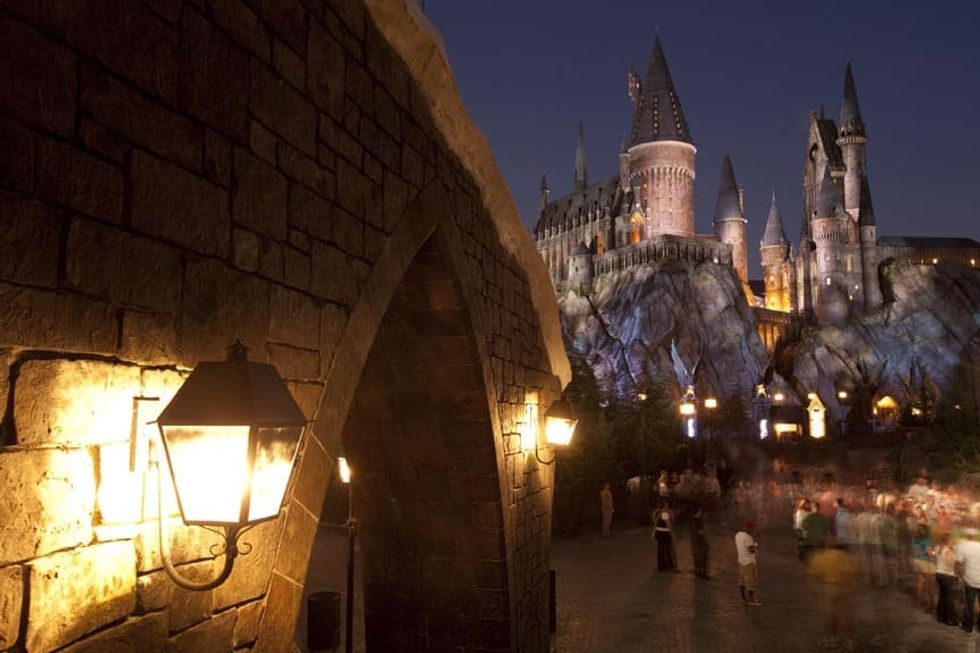 The Wizarding World of Harry Potter at Universal Orlando Resort
Galaxy’s Edge followed a similar pattern — softer early attendance at Disneyland, but record-breaking spend driven by identity-led purchases: lightsabers, droids, membership in a story. Super Nintendo World shows the same underlying logic — inherently replayable, deeply social, and designed for expansion.
But a new pattern is emerging among some of the fastest-growing destinations — teamLab, Meow Wolf, Area15 — that are succeeding without IP at all. Their appeal is often driven by shareability and spectacle — the pursuit of a moment worth capturing.
But that is only the surface. Their success points to a deeper change: a growing demand for environments people can enter, shape, and remember.
It’s important to note that not all fulfilling experiences are fun; some of the most powerful destinations — from Holocaust museums to memorials and many historic sites — are intentionally challenging, designed to confront rather than entertain, and to cultivate truth, empathy, and perspective.
From experience to transformation
Pine & Gilmore drew a crucial distinction:
- Experiences stage time
- Transformations change identity
Not every experience needs to transform a guest.
But every experience should make their time feel well spent.
Closing the Fulfilment Gap
Destinations are among humanity’s most powerful civic tools: voluntary, embodied, emotionally charged, and socially shared.
Cathedrals have long given people the most meaningful hour of their week. Stadia do it every Saturday. The best museums and theme parks do it every day.
The risk is that we continue to offer the experience but miss the meaning. We don’t need more content. We need more fulfilling experiences. Closing this gap is not just a philosophical shift; it is an operational, spatial, and behavioural challenge.
The question is no longer why this matters, but how to design for it reliably.
Because the next economy will not reward distraction. It will reward fulfilment. The future belongs to places that help people feel differently about themselves and the world. In an era of fragmented attention, the ability to align shared values through immersive experience is becoming a critical form of cultural power.
This article is an introduction to themes explored in Kay Elliott's upcoming white paper, 'Immersive Influence,' launching at this month’s World Experience Organization (WXO) London Experience Week. The paper explores how to turn this cultural power into a practical design framework that drives meaningful, measurable shifts. It will be available for download [www.kayelliott.co.uk] from 22 April.