
Ever since the Brand Experience Center Conference was launched, the question has popped up regularly: what is the right name for these locations? Over time, many conversations with professionals have shown that there are many opinions on this topic.
Gradually, however, a clear common thread is starting to emerge.
How it all started
To understand this better, it helps to look back at how brands began creating dedicated spaces to connect with their audiences.
In a powerful keynote at the first edition of the Brand Experience Center Conference, Christian Lachel of BRC Imagination Arts took the audience on a journey back in time, highlighting the Wedgwood Museum, opened in 1906, as one of the earliest examples.
A few decades later, the Ford Rouge Complex opened its factory tour, which also showcased elements from Ford’s pavilion at the 1933 World Expo. In other words, some of the first branded visitor attractions were a museum and a factory tour, even though those terms did not appear in the list of names at the top of this article.
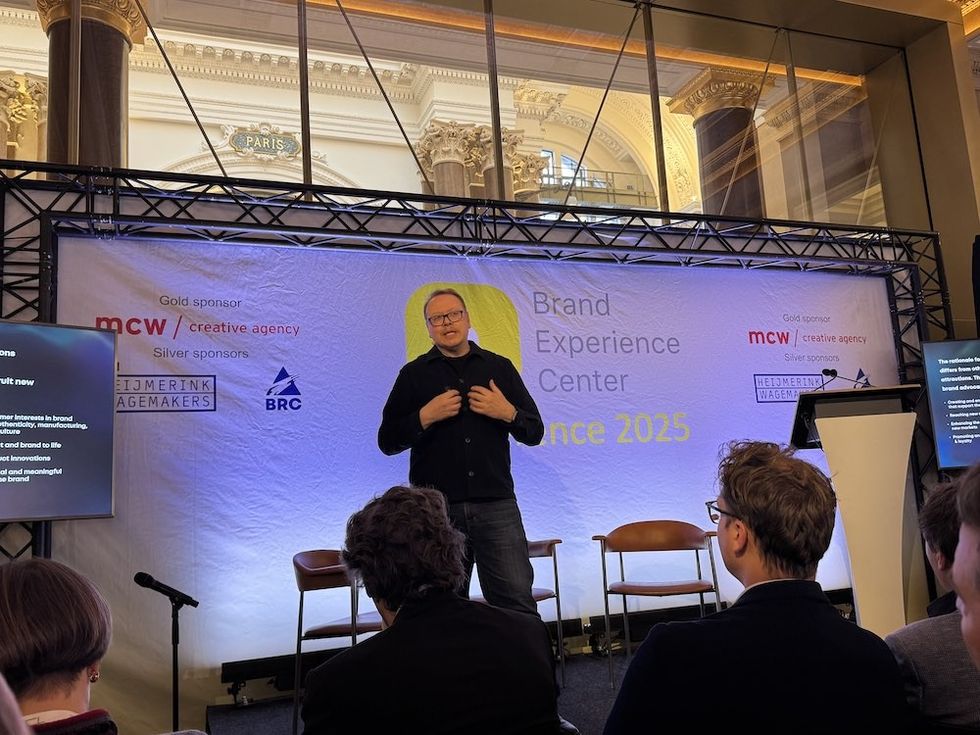 Christian Lachel, chief creative officer, BRC Imagination Arts blooloop.com
Lachel’s research showed that the Wedgwood Museum focused on the brand’s collection and history rather than the products being sold at that moment.
By spotlighting its long heritage (Wedgwood was founded in 1759), the company demonstrated that it was not just another tableware manufacturer but a business with deep roots and serious craftsmanship.
This approach built trust with visitors and likely influenced their preference for Wedgwood when it came time to choose new tableware.
The essence of a brand home
Even in those early days, Wedgwood was not simply trying to sell products; it was telling its brand story.
A key aim of such places is not to drive on-the-spot sales, but to create an emotional connection between the brand and its guests and, over time, turn those guests into enthusiastic brand ambassadors.
This is what defines a brand home: a space where a company’s brand story truly comes to life. A strong brand home is not a product showroom; products are highlighted only when they support the narrative.
Much of a brand home is timeless, because history does not change, while other areas, such as marketing zones or future-focused spaces, may evolve. The word “home” also suggests that this place is located at or closely linked to the brand's original site.
Brand experiences often refer to one-off events, but also to permanent destinations.
When referring to permanent locations, they are very similar to brand homes in that they also celebrate the brand story and invite visitors into the brand's world. The difference is that they do not necessarily have to be located at the original brand location.
They can appear in flagship destinations, pop-up environments, or strategic cities where the brand wants to deepen emotional connections with its audience.
Customer experience centers: where product and sales take the lead
When a location is dominated by products, the picture changes. A place that is purely about displaying products is a showroom, such as a car dealership that represents a single brand.
Once that showroom evolves into a space where visitors receive deeper insights into the products, can test or configure them, and are guided through tailored experiences, it becomes more like a customer experience center.
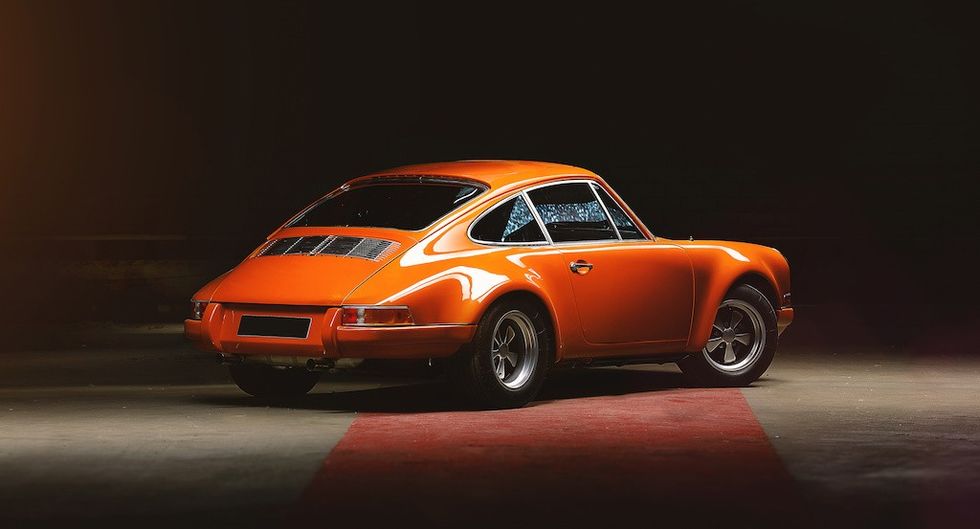 Image credit AA+W - stock.adobe.com
In the automotive world, the Porsche Experience Centers are a good example, offering test drives and immersive brand experiences that support the sales journey.
Customer experience centers are also common in the business-to-business environment. Large software companies, such as global tech providers, often create dedicated centers where clients can explore solutions, attend demonstrations, and participate in workshops.
These spaces usually feature advanced technology and high levels of hospitality and have a clear objective: to support and accelerate sales.
Product experience centers: celebrating a category, not a brand
The centers described above are brand-focused, but there are also locations which do not primarily aim to promote a specific brand; instead, they celebrate a particular type of product through storytelling and education. These centers often focus on products with strong local or cultural identities, such as cheese, wine, or chocolate.
Examples include cheese experiences in the Netherlands, cava experiences in Catalonia, and immersive chocolate attractions like Chocolate Nation in Belgium and Chocoversum in Germany. The emphasis is on the product category and its story rather than on a single brand’s commercial objectives.
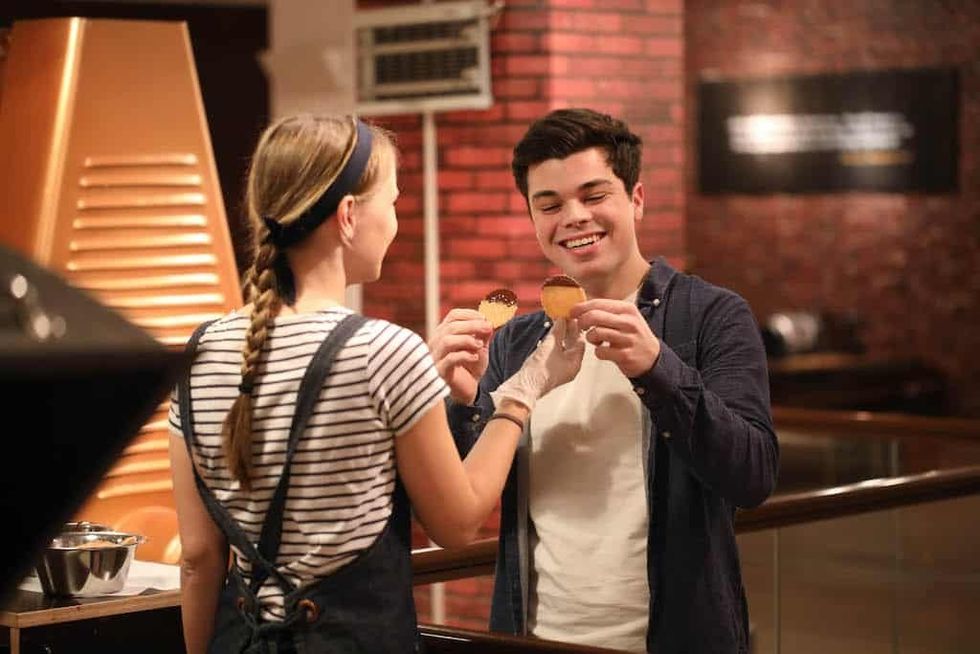 Chocoversum Image credit Sebastian Fuchs
Based on their activities, I qualify them as product experience centers.
Brand museums and factory tours also deserve a place in this landscape. In general, brand museums focus on the brand's history, making them very similar to brand homes. The difference often lies in presentation style: brand museums can be more traditional, while brand homes tend to use more immersive, interactive approaches.
Factory tours, as the name suggests, give visitors access to the production facilities themselves. These tours might involve walking routes, viewing galleries, or even guided tours on dedicated vehicles.
They can stand alone, but in many cases, they form part of a wider brand home, where visitors first learn the story and then see how products are actually made.
A framework that continues to evolve
After many discussions over recent years, these categories seem to me a helpful way of describing the different types of centers. At the same time, this thinking is still evolving, and there is plenty of room to refine the definitions further.
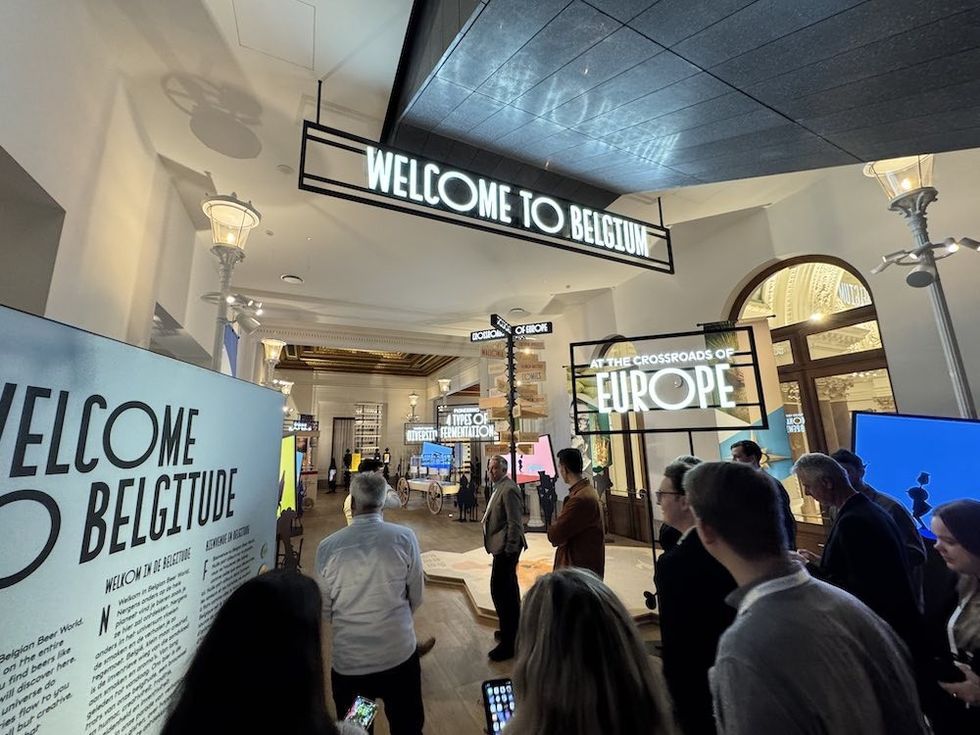 Belgian Beer World
That ongoing conversation is precisely what makes the Brand Experience Center Conference so valuable: it provides a platform to explore, challenge, and develop these ideas together.
For more information and to register for the Brand Experience Center Conference 2026, please click here.