For 65 years, Chance Rides has adapted familiar attraction formats to changing technology, markets and guest expectations. Now, as the company marks a milestone anniversary, that history provides a lens on what might shape the next 65 years.
Founded in 1961 by Harold Chance, the company began with the CP Huntington train, which would become one of its signature offerings.
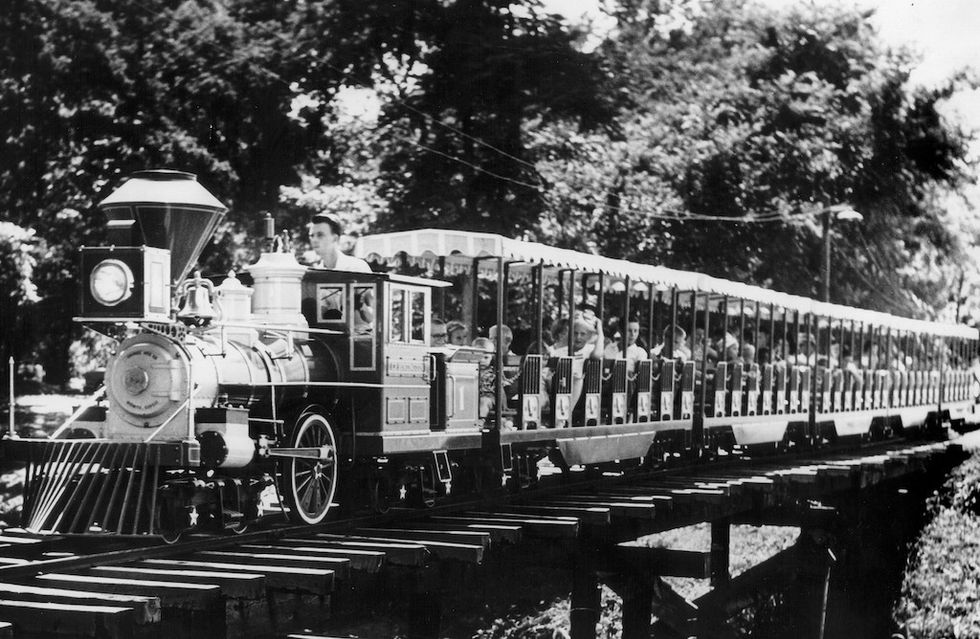
Chance Rides' classic CP Huntington train
Image courtesy of Chance Rides
Over the decades, Chance expanded into portable rides, carousels, roller coasters, people movers, observation wheels and other attractions. Its engineering and manufacturing capabilities evolved alongside that expanding portfolio.
Today, its products serve a wide range of markets and customer types, from theme parks, family entertainment centres, zoos and aquariums to travelling operators.
It is an approach Chance sees continuing into the next generation of attractions: using technology to improve the product and the experience without losing sight of the people who ultimately ride it.
A culture of innovation
President and CEO Aaron Landrum identifies the development of the CP Huntington as a defining moment in Chance's history. The next major shift came with portability.
“That was a fundamental shift when, at that time, the industry was taking days or weeks to set up a ride. Now it got down to a day or two. Chance really was at the forefront of that evolution of portability for showmen.”
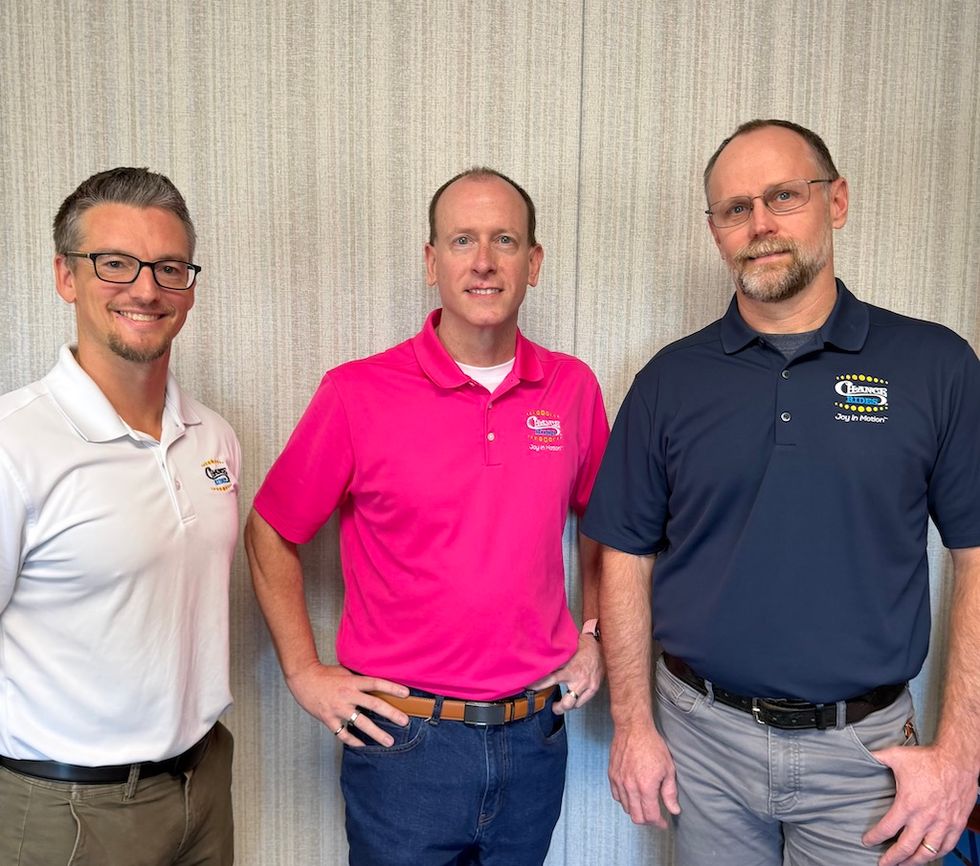
Chance Rides team L to R: Travis Lane, project management director; Aaron Landrum, president & CEO; Jeremy McClanahan, operations manager
Image courtesy of Chance Rides
Portability changed the commercial possibilities for travelling operators, while also establishing a pattern that would recur throughout Chance's history: applying its engineering and manufacturing capabilities to new markets.
“In the 80s, we got into the carousel business, a whole new product line. In the 90s, we started developing people movers, trams. Then we got into observation wheels.”
The company's development continued into the 2000s, including the acquisition of D.H. Morgan, while more recent years have brought international partnerships, including with EVX Mobility in Sweden.
Along the way, individual products marked important steps in that evolution, from the trailer-mounted Trabant to the Superman coaster built for Six Flags Mexico.
“That culture of constant innovation was a defining feature over 65 years.”
The result is a portfolio that spans very different attraction formats, but shares a common foundation in engineering, manufacturing and long-term product development.
Engineering the ride before it is built
The technology behind that development has changed significantly.
Jeremy McClanahan, operations manager at Chance Rides, says the move from traditional two-dimensional drawings to three-dimensional engineering has transformed the design process.
“That transition has allowed us to simulate, validate, and refine our designs long before the first parts are produced.”
Manufacturing has evolved alongside engineering, with CNC equipment, improved fabrication processes, and greater automation improving consistency and quality.
However, for Travis Lane, project management director, these technologies matter for more than producing a more precise piece of machinery. They change how much of the design work can happen before manufacturing begins.
“A lot of it now is upfront. It's anticipatory,” he says. “When you have those powerful modelling tools and software that allow you to make a rapid change, as opposed to, hey, we are committed to this print, or even we're committed to this delivery date, and we have to release a ride right now.”
That upfront process creates more opportunities to iterate. It is also increasingly important as expectations around safety, reliability and regulatory compliance become more demanding.
Technology may have transformed the process, but McClanahan stresses that manufacturing fundamentals have not disappeared.
“There's still a high level of craftsmanship that goes into each ride that we build…technology has enhanced craftsmanship, not replaced it.”
Designing around the guest
Some of the biggest changes are not technological. They concern who attractions are being designed for.
Chance has seen a shift away from designing primarily around individual age demographics toward experiences that accommodate wider groups and multigenerational families, Landrum explains.
“Now it's more about the whole family. How do you get the really small kids and all the way to grandpa in there?”
That has implications for ride design, accessibility and the overall experience.
Chance also considers guests with different physical abilities, sensory sensitivities, and other needs in the design process.
“How do we make a ride or an attraction or experience something the whole family can enjoy?” Landrum asks.
That can mean considering how an experience responds to guests who experience sensory overload, for example, and whether elements can be adjusted.
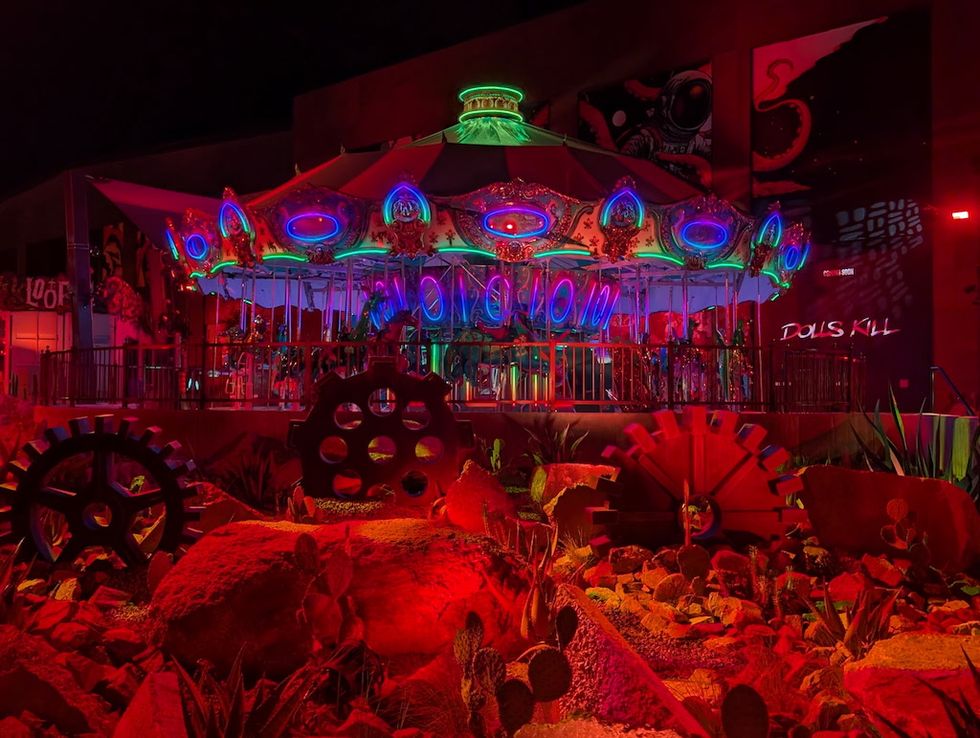
Chance Rides carousel at Area15 in Las Vegas
Image courtesy of Chance Rides
At the same time, operators are asking for increasingly ambitious creative experiences.
That creates a more complex design brief: attractions need to deliver creative impact while accommodating a broader range of guests and meeting technical and regulatory requirements.
One example is the psychedelic Looper carousel created for Area15 in Las Vegas. The underlying attraction format was familiar, but the creative treatment represented a different direction for Chance.
“From a design philosophy perspective, the level of creative design and free-thinking artistic approach that we took to that signalled that the company is ready and willing to go in creative directions that it may not have been 30 years ago.”
Listening to operators
One of Chance's most important sources of innovation isn't a new piece of technology. It is conversation. Landrum describes operator feedback as “the most fundamental thing that we can have – the voice of the customer.”
Operators are interacting with guests every day. They see how people behave in queues, how they respond to attractions and where operational problems arise. “They are talking to guests constantly. They're watching. They're observing. They're listening.”
“It could be as simple as, ‘We’d like to have this restraint a little bit easier to work with,’ or it could be ‘We really want a more immersive experience on the carousel’.”
 The 50 Monkeys Ferris Wheel at the Santa Ana Zoo, CaliforniaImage courtesy of Chance Rides
Chance therefore asks operators directly, he adds: “What's going well? What do you want different? What do you need different? What are your dreams?
Landrum says the company avoids assuming it already knows what operators want.
“We've got to take the blinders off of what we're trying to accomplish, and that direct engagement of listening to the operators is probably the most fundamental thing we have to do to make sure that we hear them and we respond to what their needs are, and don't preconceive what we believe they want.”
In other words: “We build and design what they desire.”
Building for the long term
That relationship extends beyond product development. Chance describes customers as partners through installation, operation, maintenance and refurbishment. “It's a marriage,” says Landrum.
That relationship matters because attractions are significant capital investments, and their value depends on how effectively they perform over many years.
McClanahan adds: “We were a family-owned business. I think family is important. Teamwork is big. We all work together to solve any problem or challenge that we come across. And we always come through for the customer.”
That support becomes particularly important when operators assess a ride's whole-life economics.
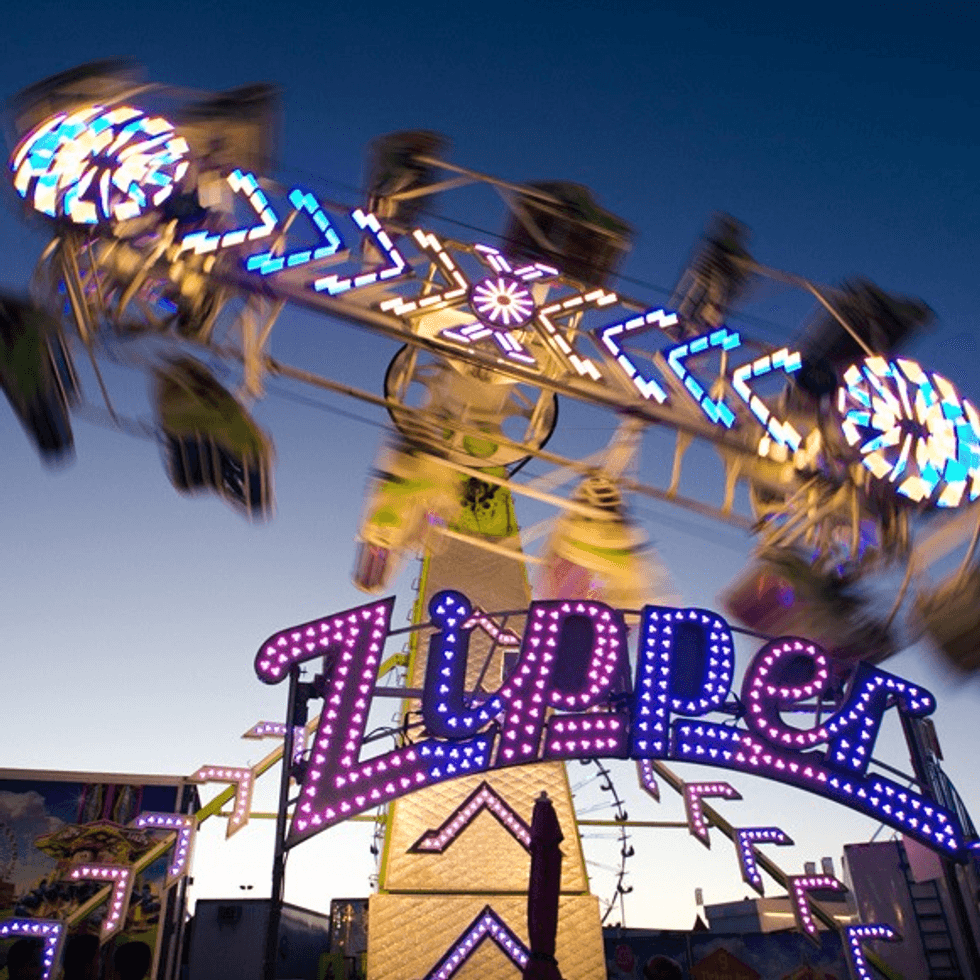
The iconic Chance Rides Zipper has been improved, featuring the same action that has drawn fans for generations, with revisions to make it easier to own and operate
Image courtesy of Chance Rides
“The customer wants to be taken care of too,” McClanahan says. “After the sale, after the installation, they want somebody that's going to be there for them. If they call, they want to know somebody's going to answer.”
Landrum puts it simply: “They're never alone when they buy a product from Chance. We're always here for them.”
Yet the appeal of a ride has to be matched by a viable business case.
Chance is seeing increasing focus on throughput, reliability, maintenance, repeatability and total cost of ownership.
Landrum says operators are asking questions such as: “What does it cost me to operate this on a daily basis? What's my throughput? So, what's my return on investment on a guest per hour or guest per day?”
They are also considering how a ride contributes to the wider destination. For a carousel, for example, that could mean drawing guests into an area for food and beverage, telling a story or supporting a wider destination proposition.
Reliability with Chance Rides
An attraction's longevity is another part of the equation. Landrum says this is where Chance sees much of its value proposition.
“You buy a Chance product, and you take good care of it; it'll be in your park for 30 years. And we can retheme it; we can make it look like something different.”
That makes an attraction's value a question not only of opening-day performance, but of how much life and flexibility you can build into the asset.
Reliability is central to that calculation.
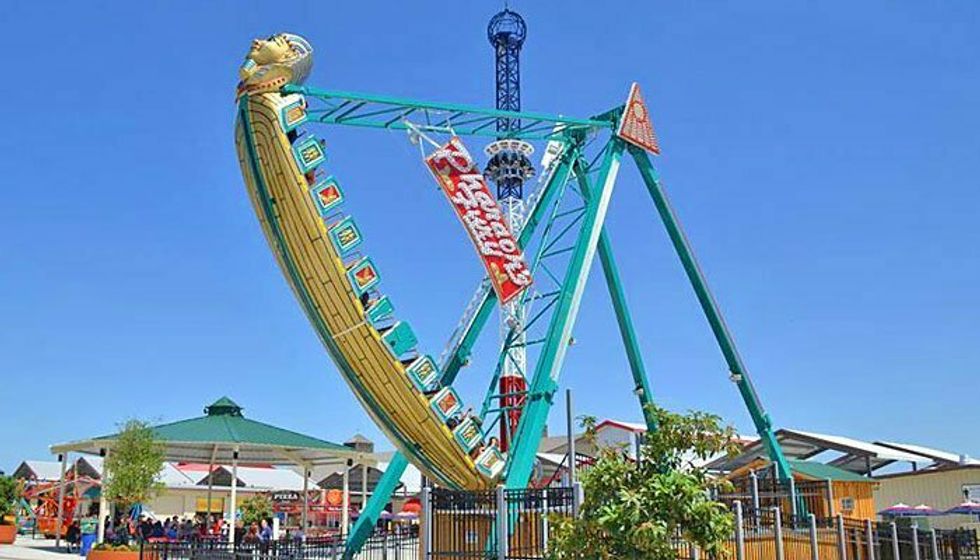
Pharaoh's Fury, another classic from Chance Rides
Image courtesy of Chance Rides
Lane notes that “99% is no longer a good enough uptime” when operators are building business cases around attraction performance. “All of the calculations on paper, it all divides by zero if the ride is down.”
That makes maintainability and reliability considerations that need to be built into a project from the beginning.
“Ultimately, you have to build right, and you have to build in a way that somebody can get their hands in it and make those maintenance updates and swap things out if needed and keep the ride up.”
That flexibility also has to work across markets. Chance works with different regulatory frameworks and cultural expectations, which can affect everything from restraint procedures to how ride attendants interact with guests.
Landrum gives the example of personal space:
“How does a ride operator, that person, work in the line? How do I check a restraint while respecting a person's personal space and cultural norms?”
Chance says the answer is to ask, not assume.
“That's the openness; we are open to saying, ‘We don't know this, but let's talk to people who do, and understand how we can bridge that.”
Physical experiences in a digital world
Landrum describes a renewed appetite for shared physical experiences following the pandemic.
Before COVID, he says, there was considerable enthusiasm around digitisation, virtual reality and increasingly individualised experiences. Since then, he says, the value of experiences that bring people together has become more apparent.
“The industry wants experiences the whole family can enjoy.”
He adds: “While virtual reality, artificial intelligence, and other digital aspects of our experiences are important, there's still that physical experience; feeling the accelerations, feeling the wind in your face, feeling something that's different.”
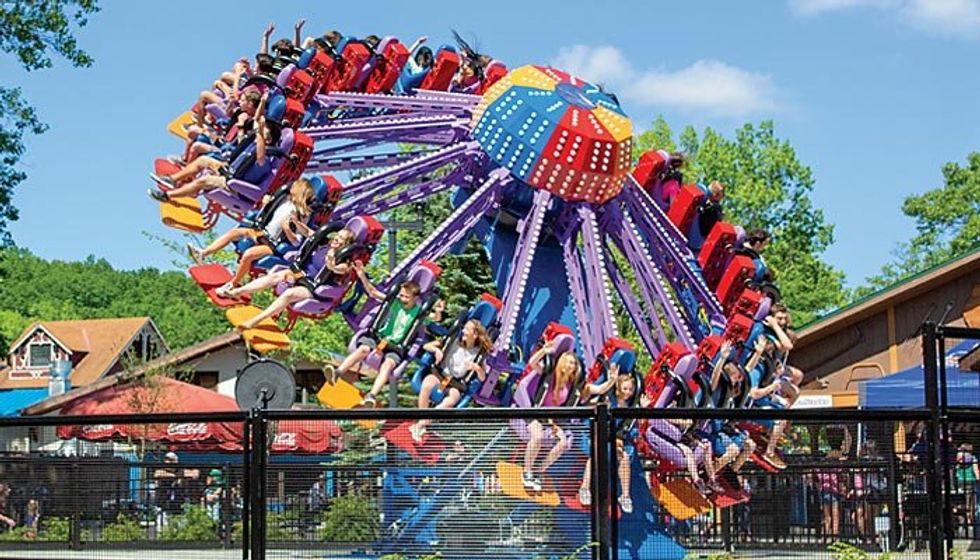
Pandemonium, a Freestyle ride from Chance Rides, at Six Flags Great Escape
Image courtesy of Chance Rides
The Chance team believes the opportunity is not to choose between technology and physical attractions, but to use technology where it enhances the overall experience, he continues:
“How do we tell a story? How does it pull everyone in and keep people engaged within a park or a zoo or whatever the destination might be?”
Lane sees another factor at play: the growing accessibility of digital experiences at home.
“If you can get a VR headset at home, well, you probably aren't going to have a carousel at home, so that becomes the novel experience that then makes you go out.
“One of the things that I enjoy about Chance is that a lot of our products and services are really timeless.”
Demand may fluctuate, he says, but some motivations remain.
“There are appealing things that are always going to be there. You want to go on something fast. Or you want to ride something with your family. There's always a joy to that.”
Looking beyond the ride
Sustainability is another area where Chance sees technology connecting environmental considerations with commercial realities. Recent work includes electrifying the CP Huntington and launching the eTRAM electric people mover.
Landrum says the company is also considering how attractions can have longer and more useful lifecycles, including repairability and replaceable subassemblies.
“When it comes to sustainability, it's not just about doing what's right for us as a species, but it's also about return on investment. Take care of your product; it will last.”
Lane sees this as an increasingly practical argument for sustainable technology. “Sometimes you do it because it's the right thing, and sometimes you do it because it makes financial or economic or technological sense.”
An electric, solar-powered people mover, for example, can have environmental benefits while also offering operational advantages.
 Chance Rides' e-TRAM fulfils operators capacity, reliability, and guest comfort requirementsImage courtesy of Chance Rides
He also points to potentially lower maintenance requirements. “It's got fewer moving parts to maintain. It's got fewer things that can break.”
That puts sustainability alongside more familiar questions around maintenance, reliability, operating cost and asset life.
Storytelling and immersion are another area of opportunity. Landrum points to the potential for attractions that do more than deliver a physical thrill. “How do I tell a story?” For zoos and aquariums in particular, he sees opportunities to use familiar attraction formats to deliver education and conservation messaging.
“How do we take a carousel and turn that into a way to tell a story about conservation, or hey, this is the life cycle of this animal, or this is fauna that's in your area?”
The aim is to give guests something beyond the physical experience.
Technology is part of the opportunity, but Chance sees it as a means, not the experience itself.
Landrum says AI is a tool that can support creative teams rather than replace them. “It can support that innovation. But you cannot take a human element out.”
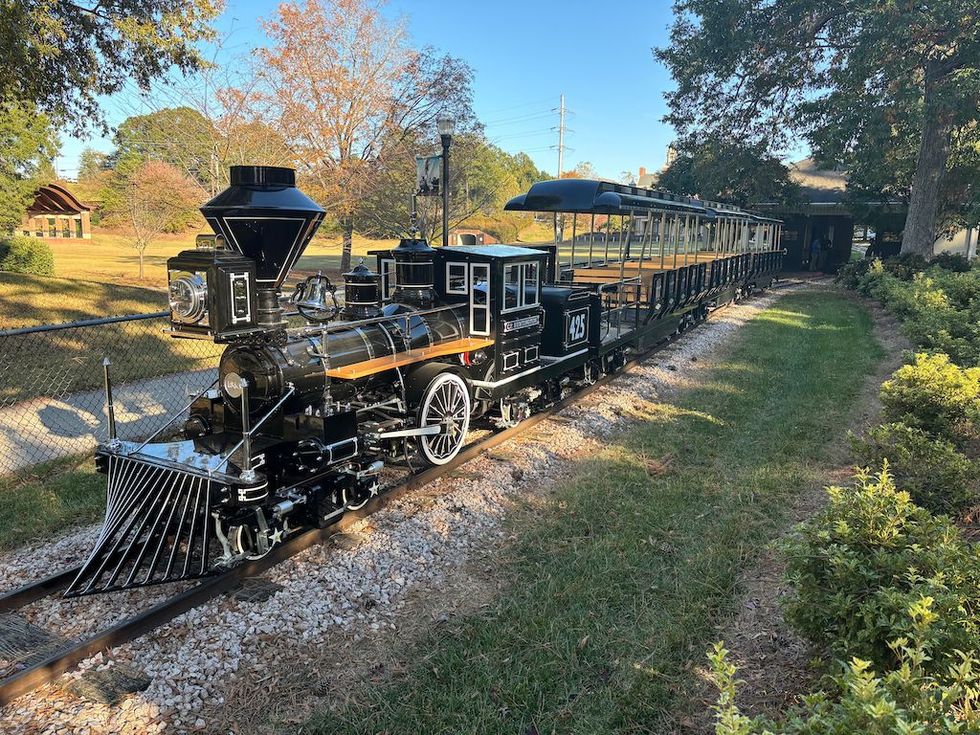
The electric CP Huntington Train from Chance Rides
Image courtesy of Chance Rides
McClanahan adds that the challenge is to bring those emerging technologies together while retaining the craftsmanship that underpins the company's products. “It's about tying all that technology together, but yet still putting out that craftsmanship into what we build.”
Technology could also have a practical role in attraction operations. McClanahan sees opportunities for more interactive diagnostic and maintenance systems that could guide technicians through troubleshooting and make technical information more accessible.
“One of the big things that we can do is make that equipment, from a maintenance standpoint or from an operator standpoint, more interactive, so that the operator or the maintenance tech can walk through how to do what they need to do.”
That points to a broader role for manufacturers: not simply supplying equipment, but helping operators manage the attraction throughout its working life.
The next 65 years
Chance's vision for the next 65 years rests on many of the same principles that shaped its first 65: adaptation, engineering, and a focus on the experience itself.
Landrum does not expect the company's fundamental purpose to change.
“We are and will continue to be known for safe, reliable products. You need somebody to help you and work with you and not just be an equipment manufacturer. That's going to be Chance.
“We're a species that desires experiences. We want to feel something, and I think Chance at 65 is going to help feed that feeling of experiences and memories.”
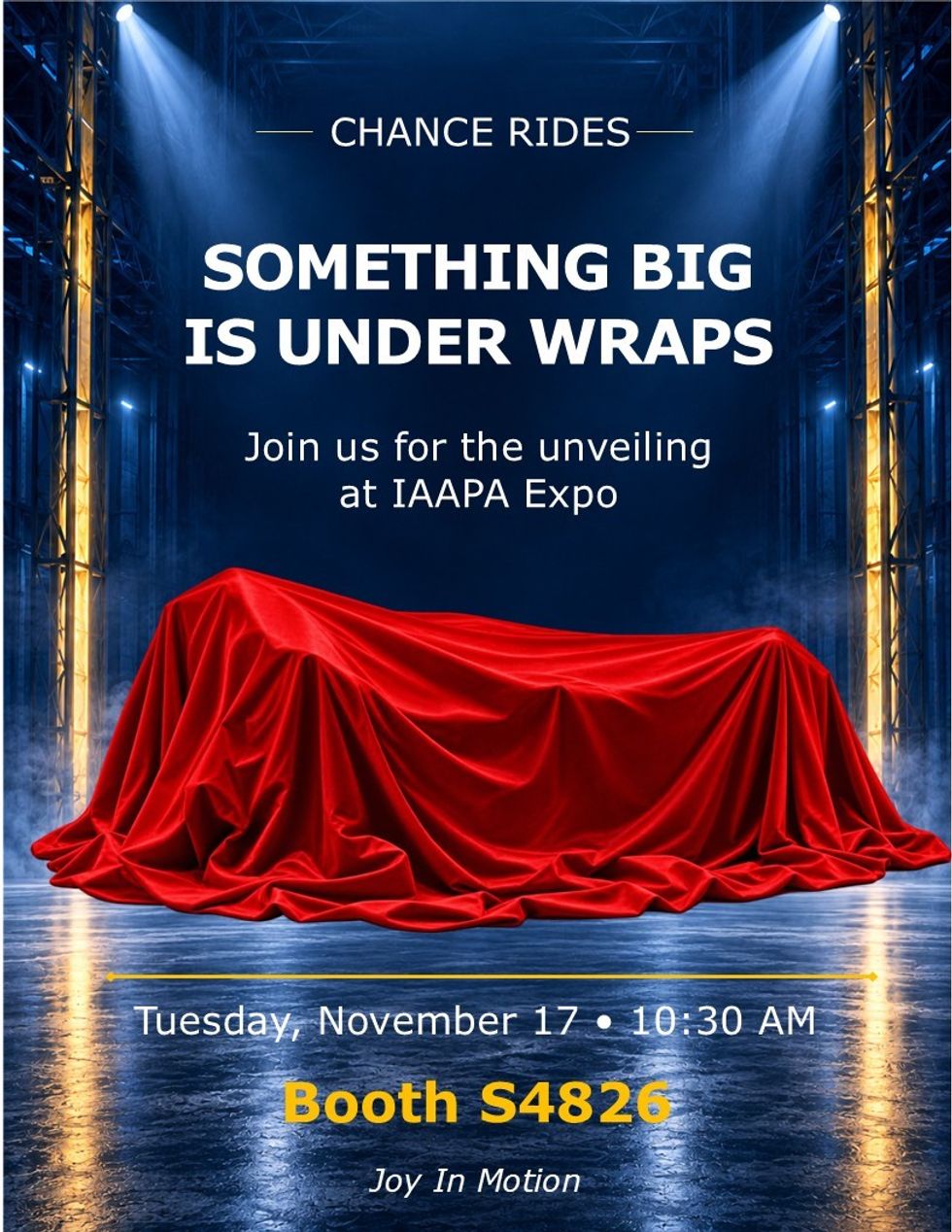
Attendees at IAAPA Expo 2026 in Orlando can meet the Chance Rides team and see what is new
For McClanahan, the foundation is similarly straightforward.
“At the end of the day, we're a business of creating experiences that bring people together. It's easy to focus on the technical side of what we build, but behind everything we do, from design reviews to the meetings that we have, ultimately it puts a smile on a person's face. It brings people together.”
Lane returns to the company's existing motto, “Joy in Motion”, and argues that it remains as relevant to the future as it has been to the past.
“If I had the power to change that, I don't think I would. I think that's exactly the right DNA for the company.”
He adds the enduring appeal of attractions comes down to something simple: There's something fundamental about being able to participate in a kid getting on a ride and having their eyes light up with that joy.”
Technology will change the shape of attractions. Creative design will evolve. New products will emerge, and established products will be reinvented.
“But somebody's always going to want to get on a ride, and somebody's got to build that ride and design that ride.”