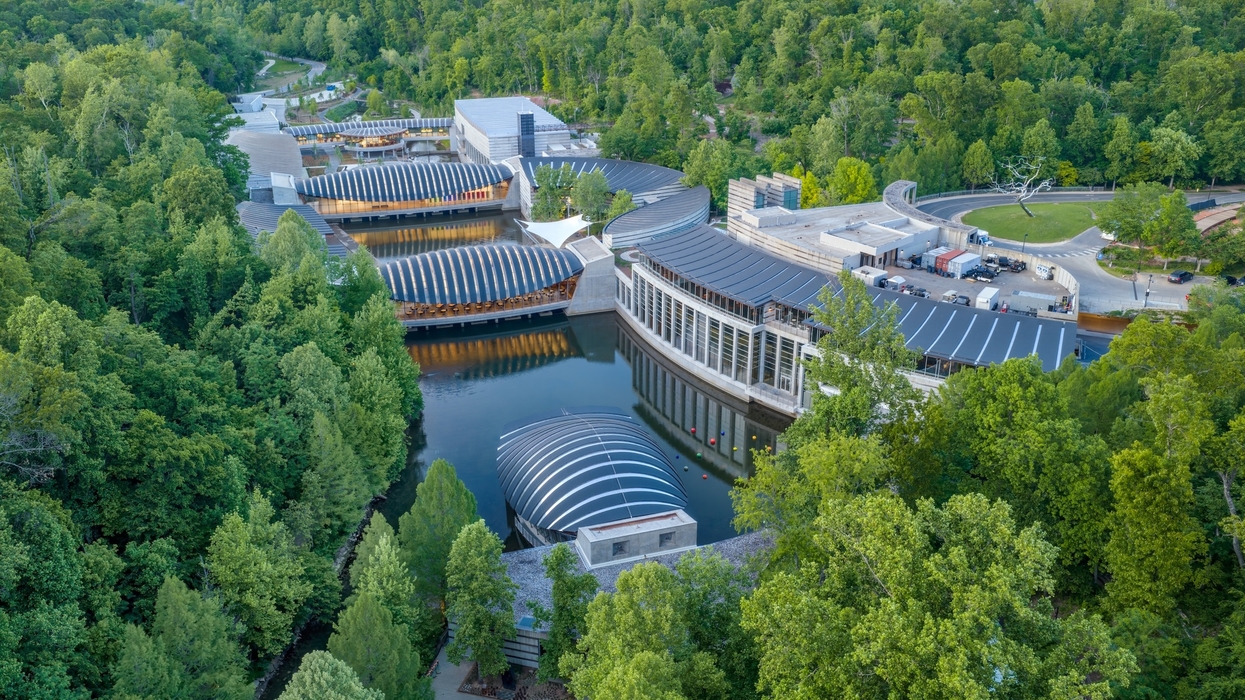

The Crystal Bridges Museum of American Art in Bentonville, Arkansas has unveiled its 114,000-square-foot expansion designed by Safdie Architects ahead of the opening this week.
The expansion, which opens on 6 and 7 June, introduces two new dedicated art galleries, including a large space for temporary exhibitions.
It also includes community gathering areas and galleries, artist-in-residence studios, a digital art studio, a ceramics studio, and spaces for learning and creating.
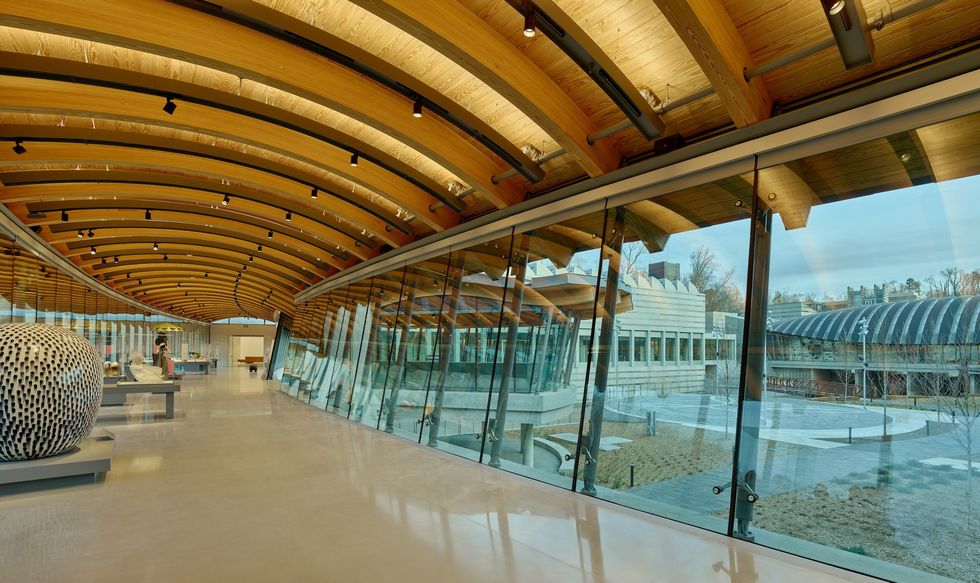 The Crystal Bridges Museum of American Art's 114,000-square-foot expansion was designed by Safdie Architects.
The expansion's two new galleries are connected by a bridge that provides extra space for displaying sculpture, pottery, and glassware.
The bridge also includes a 40-seat café called Quartz + Honey, which offers views of the five acres of surrounding landscape by Coen + Partners, including streams, gardens, trails, and a 15,000-square-foot pond.
Additionally, the project has added a new north entrance that provides multilevel access to the museum and grounds.
"By bringing art, architecture, nature, wellness, and education into closer dialogue across the campus, we are continuing to push the boundaries of what a cultural institution can be," said Crystal Bridges board chair Olivia Walton.
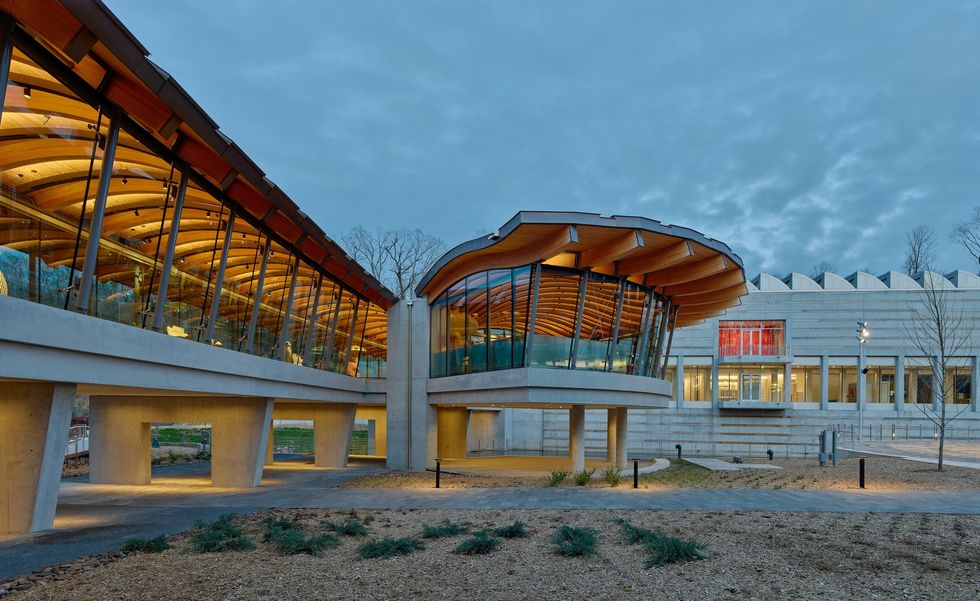 The Crystal Bridges Museum of American Art's expansion project introduces two new dedicated art galleries.
"The expansion not only broadens access to extraordinary works of American art, but also strengthens the museum’s role as a place where people can gather, learn, reflect, and experience the transformative power of art in community."
As part of the expansion, nearly every work of art in the museum has been moved, with the existing galleries completely reimagined.
"We’re excited to welcome everyone to the Crystal Bridges expansion," said Rod Bigelow, executive director of Crystal Bridges.
"This project represents an extraordinary undertaking for the museum, not only expanding our physical space, but shaping a renewed campus where architecture and nature work in close dialogue."
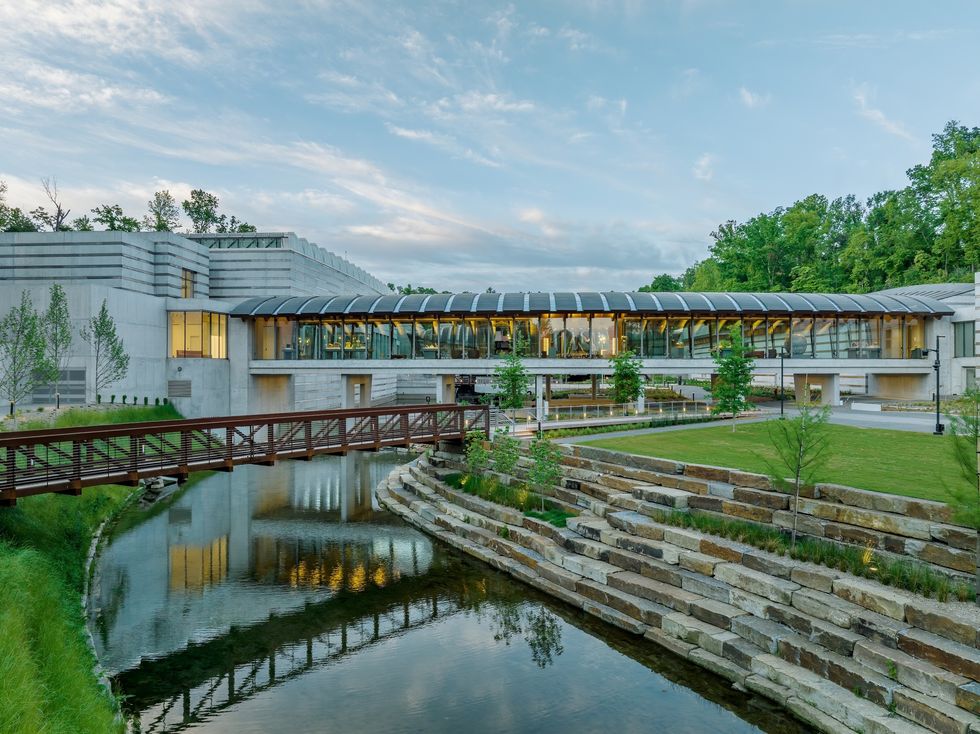 The Crystal Bridges Museum of American Art's expansion includes two new galleries connected by a bridge.
"We have carefully moved, stewarded, and reinstalled nearly every work of art in our collection with intention and care," he added.
Moshe Safdie, founding partner of Safdie Architects, the designers of the museum's original 200,000-square-foot building, said the project "extends and deepens the museum’s connection to nature – embedding new spaces for community, learning, and the display of art within an architectural language shaped by the region’s terrain".
""We have been delighted by the public's response to the integration of art and nature and look forward to visitors experiencing the expanded museum," he added.
Images courtesy of Tim Hursley