Ralph Appelbaum Associates (RAA), a multidisciplinary firm specialising in the planning and design of museums, exhibits, educational environments, and visitor attractions, has helped the SS Great Britain Trust reimagine the visitor experience for its museum at the Bristol Dockyards, UK.
The museum for the iconic ship opened on 18 July.
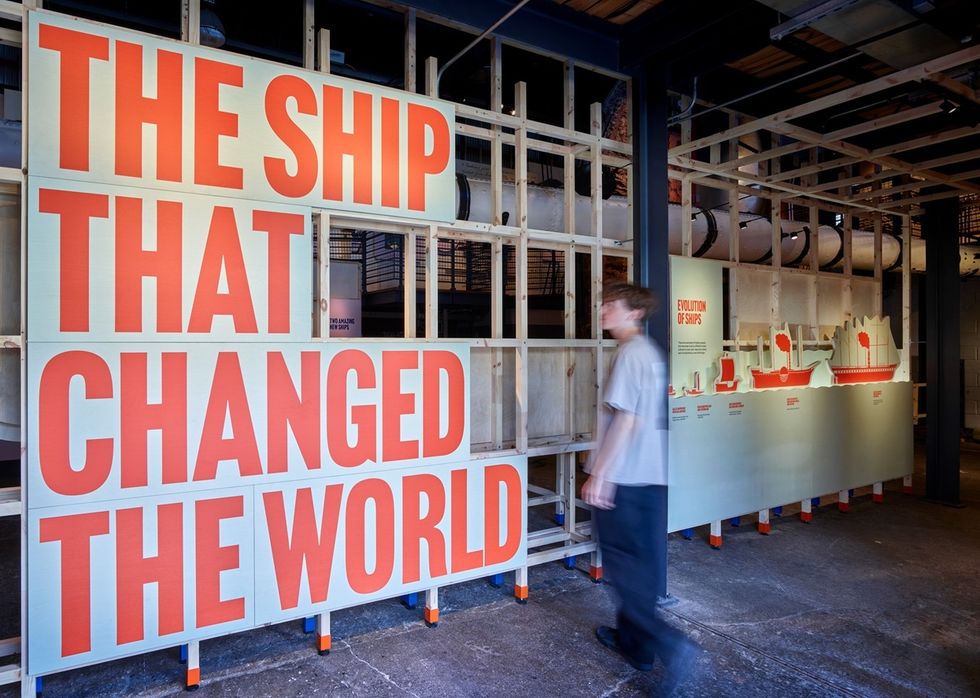 The story of the internationally significant SS Great Britain is told through the lens of its engineers, shipbuilders, sailors, and passengersImage credit: Ralph Appelbaum Associates / Andrew Lee
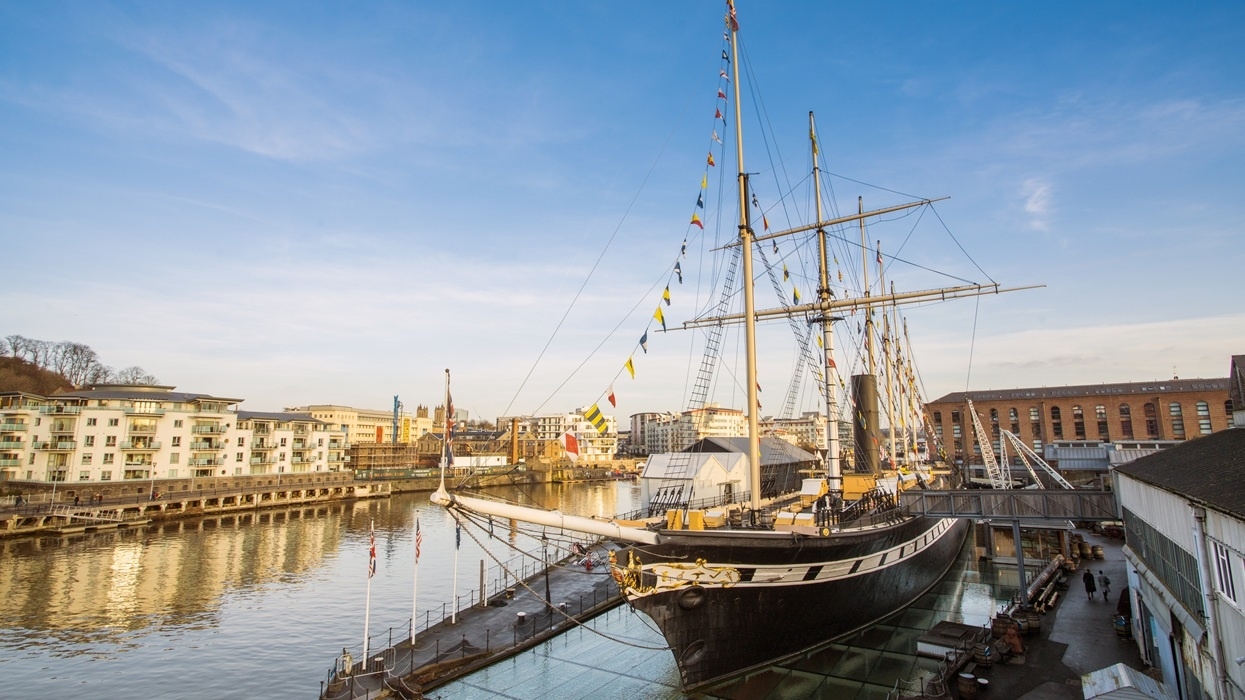
Designed by Isambard Kingdom Brunel, the SS Great Britain was the first ocean-going, metal-hulled, propeller-driven ship. The new SS Great Britain Experience shares its history through human-centred stories that resonate with contemporary audiences.
Kate Rambridge, project manager, interpretation and experience, Bristol Dockyards, says: "We have really valued the relationship with RAA throughout this project.
"From the outset, they committed to a new approach which values the experience and perspective of community participants as much as the expertise of collection experts and historians, and balances these different inputs with such intelligence.
"We’ve asked them for patience and involvement as well as design leadership, and they have been our trusted partners throughout the project.
"It’s been exciting to share the curiosity, the creative process, and the sense of mission with this outstanding team.
Community at its core
Brunel’s SS Great Britain and the National Brunel collection are cared for by the SS Great Britain Trust, an educational charity. The Trust draws on Brunel's legacy to inspire people to engage with contemporary science, creativity and engineering, fostering a deeper understanding of the world and their potential within it.
Its new SS Great Britain Experience uses newly discovered material to highlight the individuals behind the ship’s story, including the engineers, shipbuilders, sailors, and passengers, and explore the ship’s international significance.
The experience is informed by five years of community research that uncovered previously unknown histories on the ship’s construction in 1840s Bristol, and its voyages to New York, Australia, India, and San Francisco.
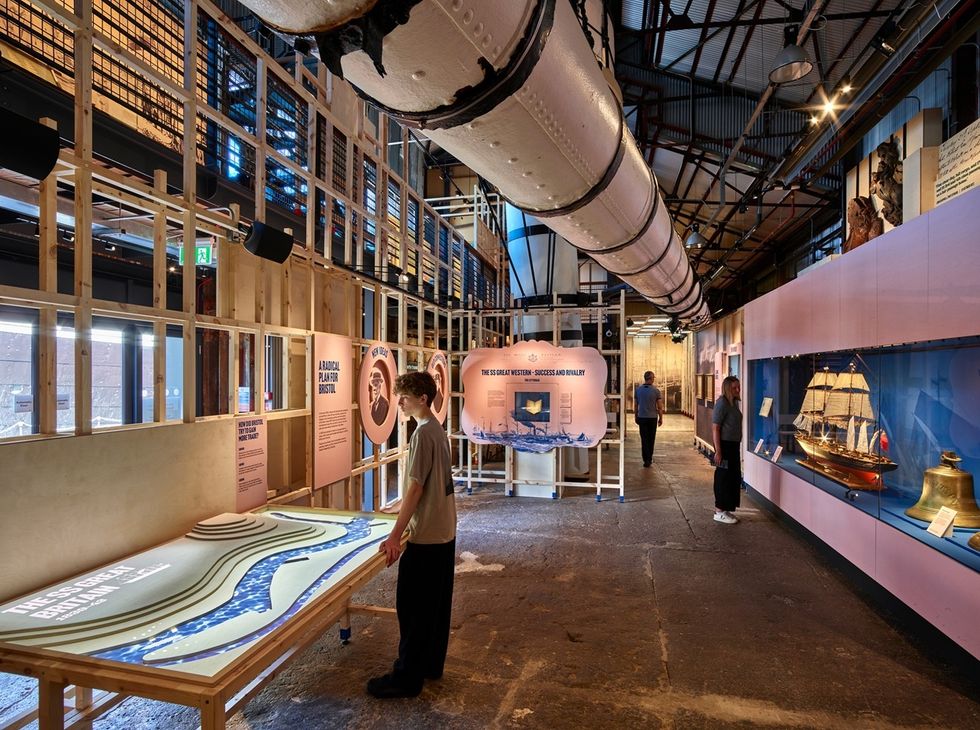 A series of themed galleries trace the ship's history from Bristol to its eventual abandonment in the Falkland IslandsImage credit: Ralph Appelbaum Associates / Andrew Lee
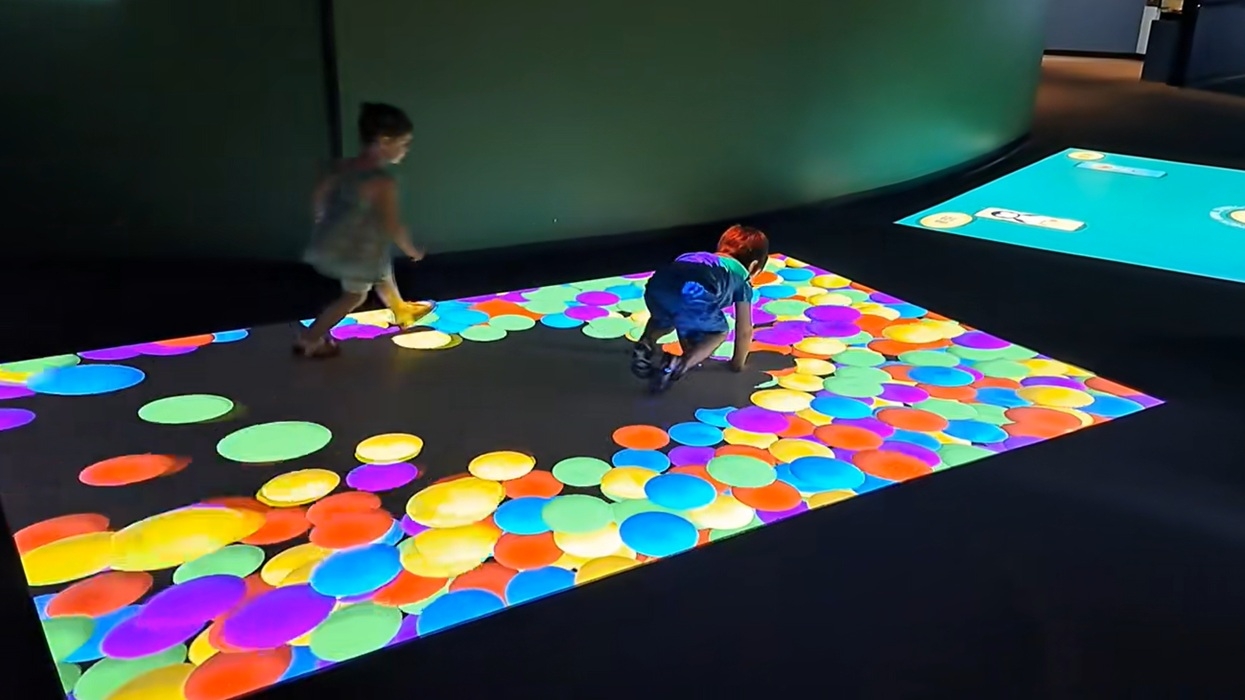
This story comes to life through interactive exhibits, life-size digital recreations, historic and modern art, and extraordinary objects that were taken to sea more than 150 years ago.
Community integration shaped the project from its inception. Prior to RAA's appointment, the Trust had already established a Community Advisory and Research Group consisting of communities from across the city.
The Group's research sought to uncover stories from individuals who travelled or worked on the ship, including those with shared heritage.
These stories are now a central part of the museum's narrative, and include artwork from First Nations artist Fiona Clarke on the original First Nations cricket team, its connection to the SS Great Britain, and her heritage and ancestors.
See also: Museums for all: RAA and the power of community-driven design
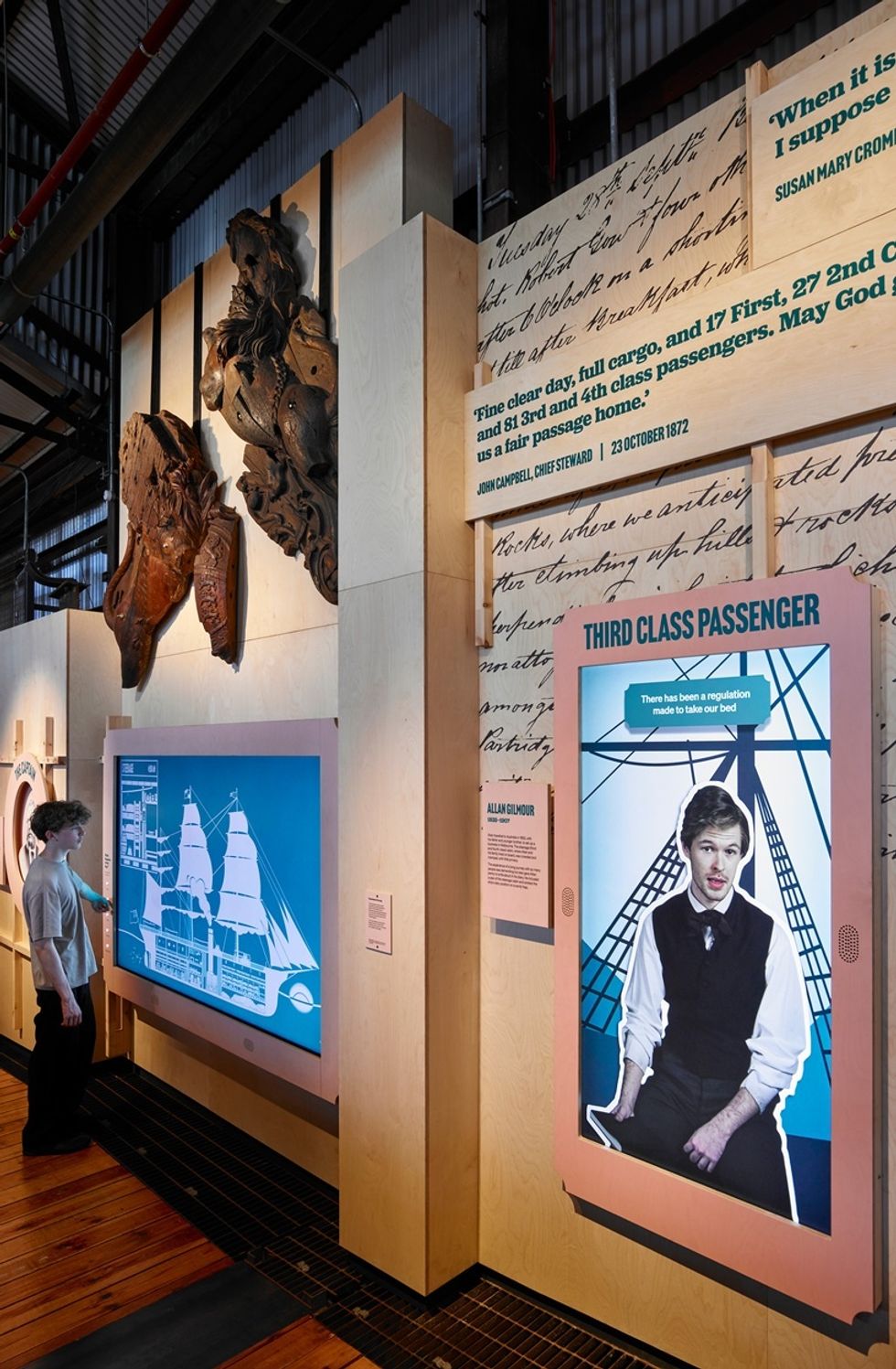
The SS Great Britain Experience reveals newly uncovered materials on the ship's history
Image credit: Ralph Appelbaum Associates / Andrew Lee
RAA worked with the Group throughout the design process to ensure that these stories were told accurately and that research, discoveries and narratives were well represented throughout the experience.
This included the creation of graphics and showcases for content that does not yet exist. This space is purposefully held open for artefacts and stories that continue to emerge from ongoing community engagement work.
This deliberate approach places co-creation at the centre of the process and will guide future community engagement across the broader site masterplan.
Awe, wonder and curiosity
The awe felt by 19th-century visitors encountering SS Great Britain for the first time inspired RAA's concept, ‘Reimagining the Wonder’. Dual themes of adaptation and change underpinned RAA’s narrative-driven design and reflected how the ship evolved throughout its working life.
To hold these stories, objects and interpretation, RAA's design team created a simple but effective modular timber framework within the museum's three-floor-high industrial building.
The timber frame features a variety of finishes, whether raw, stained or sprayed, that seek to complement the industrial architecture and reflect the ship's changing character over time. This aesthetic is reinforced by powder-coated metal that adds structural integrity to the frame.
In contrast, textiles evoke the ship's early luxury interiors and help soften the acoustics in key areas. Throughout, the colour palette draws from the mass-produced aniline dyes of the Victorian era, reimagined through a modern lens.
Sightlines are designed to be open, and the building legible. The entire system is modular and has been developed to enable future updates by the museum’s team. Interpretation and object displays can change with emerging research and new content from community engagement.
The visitor journey follows a chronological retelling of the ship's story. Life-size, 1:1 scale encounters with historical and contemporary figures anchor the story, and include a Bristol shipbuilder, a Crimean general, a young emigrant to Australia, a Jamaican chef and a First Nations artist.
Regardless of how deeply a guest engages with the overall experience, the design ensures the story can be understood solely through these encounters.
The experience begins with ‘The Ship that Changed the World’, an introduction that contextualises the SS Great Britain's transformative impact through large-scale graphics and a layered timeline.
Visitors then move through thematic galleries that include Bristol, where the ship was conceived and built; Liverpool, its home port; and New York, where the ship helped establish the transatlantic luxury liner route.
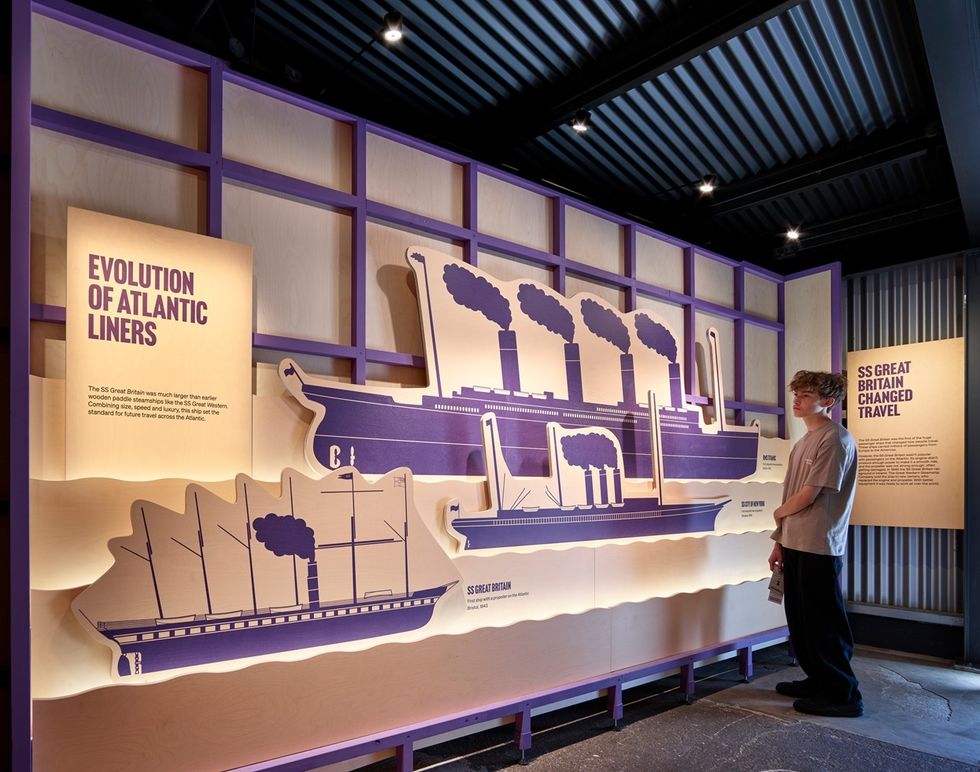 The SS Great Britain Experience seeks to reimagine the wonder of the historic vesselImage credit: Ralph Appelbaum Associates / Andrew Lee
The Crimea and India gallery explores its role as a troop ship for the British army, while a space dedicated to Australia traces the emigrant journeys that defined most of the ship's working life and their lasting impact on First Nations communities.
In addition, guests can explore an international database of those who sailed on the ship in the Passenger Library. The San Francisco gallery follows its later years as a cargo vessel and its eventual abandonment in the Falkland Islands.
Guests exit directly onto the ship, equipped with the contextual knowledge gained in the exhibition. SS Great Britain is encountered in a new light, rich with the stories of its people, past and present.
John Blanchard, principal and director, RAA London, says: "Working on this project has been a deeply inspiring journey for the entire team at RAA made possible by a fantastic client, an incredible collection, and the community voices involved.
"Through a process of careful co-creation and engagement with both the Trust and the Community Advisory and Research Group, we have been able to centre diverse, real-world narratives at the very heart of the exhibition.
"We are incredibly proud to have played a part in ‘reimagining the wonder’ of this historic site.
"The SS Great Britain was awe-inspiring to those who first witnessed it in the 19th century, and it remains just as awe-inspiring today.
"Our hope is that this new exhibition continues to spark that same sense of awe, wonder and curiosity for every visitor who steps through its doors."
Recently, RAA provided exhibition design for the Newport Historical Society's Edward W. Kane & Martha J. Wallace Center for Black History in Rhode Island.