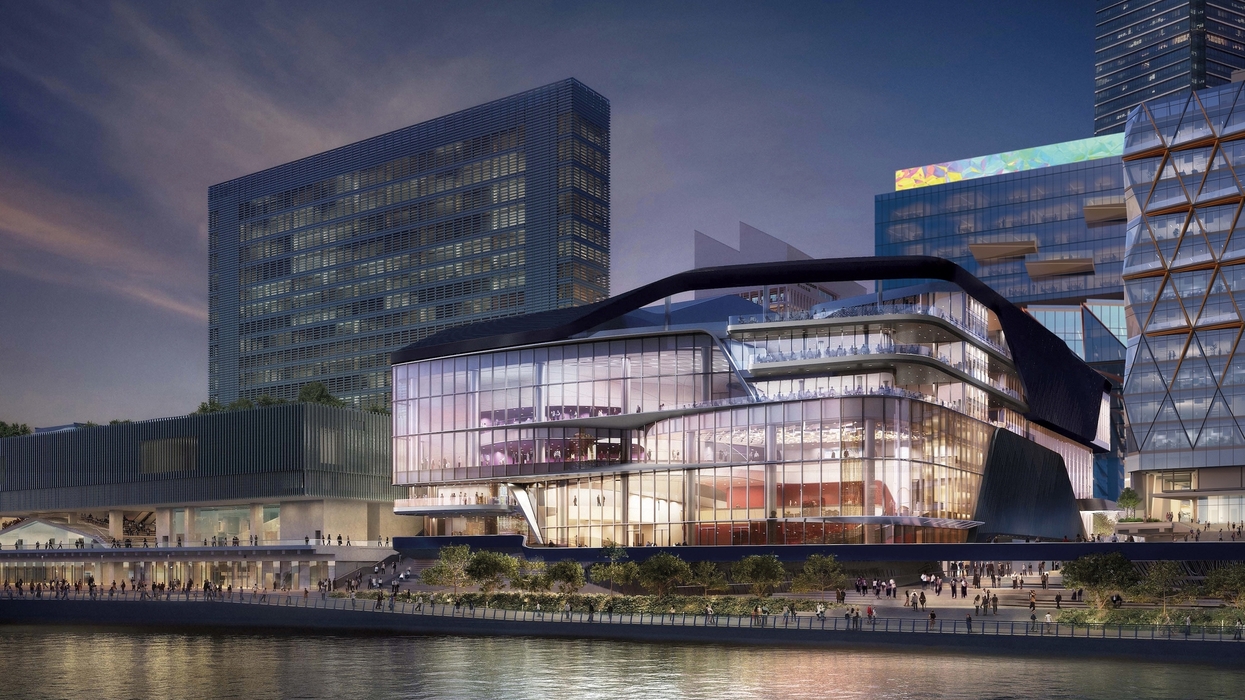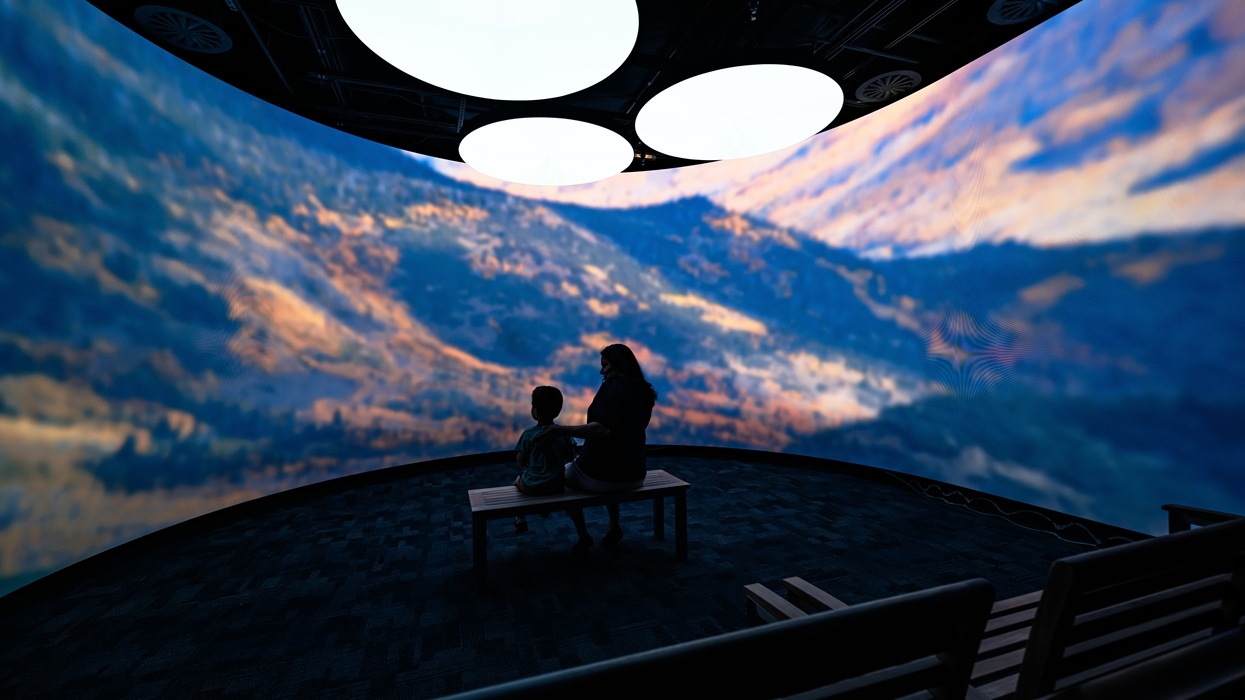

The Perot Museum of Nature and Science in Dallas, Texas has announced an ambitious transformation of its campus, including a unique outdoor expansion with living landscapes and large-scale installations.
The project will double the museum's exhibition space and includes a reimagined entrance and lobby, enhanced educational, dining and event spaces, an on-site parking garage, and infrastructure improvements.
“This transformative project builds on the Perot Museum’s essential work by enhancing our presentation of the natural world and redefining how people engage with science,” said Linda Silver, CEO of the Perot Museum.
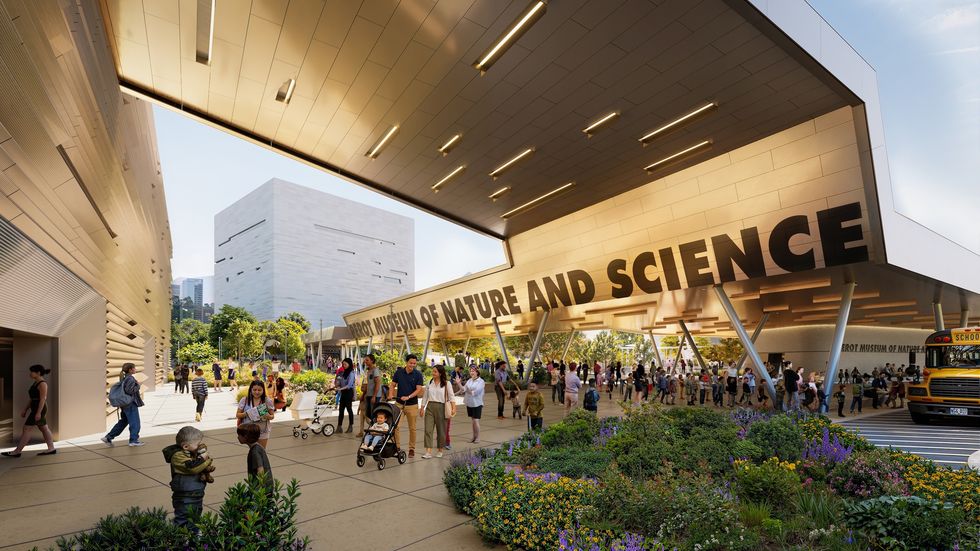 The Perot Museum plans to break ground on its four-acre transformation in early 2027Perot Museum
"By creating new opportunities to explore and interact with the forces of nature, we aim to make science education more immediate, more welcoming and more consequential to people’s lives," she added.
"Our goal is to build curiosity and confidence, and to help people feel that science is for them – whether that inspires a future career in STEM or a lifelong curiosity about the world and how it works."
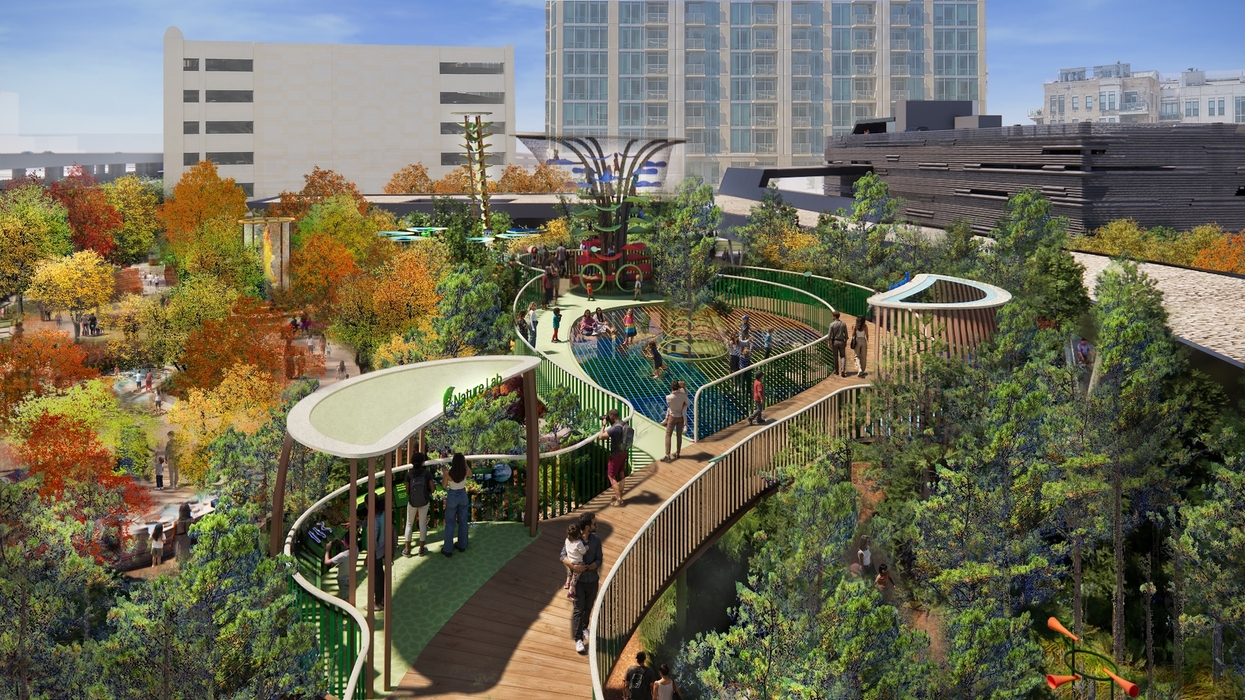
Designed as a living laboratory in the heart of Dallas, the outdoor expansion will feature immersive installations, large-scale experiments and living landscapes.
The new experience will feature interconnected zones across 60,000 square feet, home to around 25 large-scale exhibits and 40 learning touchpoints.
Highlights will include a cloud maze, a lightning and thunder pavilion, and a giant water vortex.
The landscape itself will serve as part of the experience, and will include shade trees, native plantings, a pollinator habitat and water features.
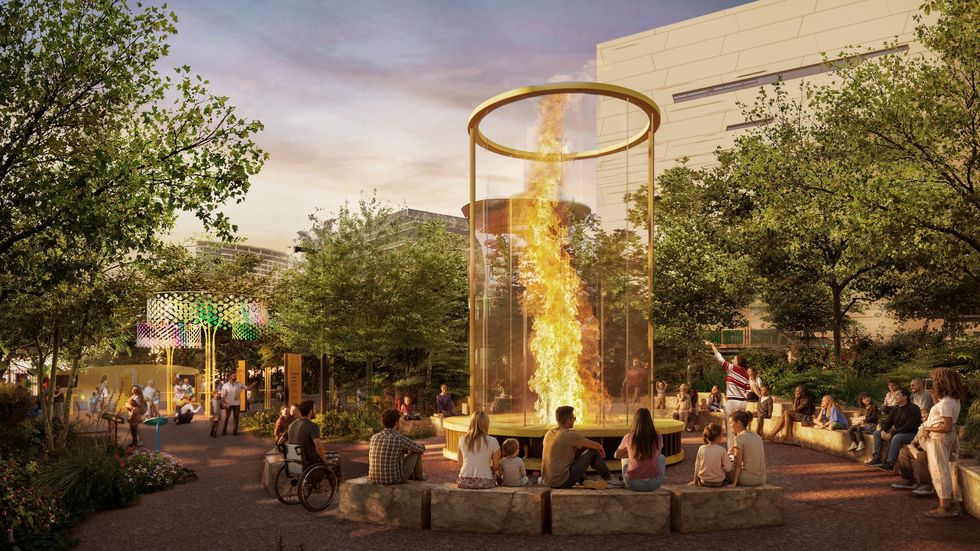 The Perot Museum's unique outdoor expansion includes living landscapes and large-scale installationsPerot Museum
“This project represents an opportunity to rethink how and where people experience science,” said Mike Spiewak, vice president of exhibitions at the Perot Museum.
“By moving beyond the physical limits of the building, our goal is to create an environment where discovery feels unexpected and alive, inspiring curiosity and opening new ways for people to connect with the awesome power of nature.”
The museum plans to break ground on the four-acre transformation in early 2027 and open it to the public in late 2028.
The project is being funded through the museum’s $185 million capital campaign, $135m of which has already been secured.