
Breeze Creative, a leading interactive product company creating innovative installations that combine technology, play, and education, is looking beyond the screen to reimagine visitor engagement using interactive projection technology.
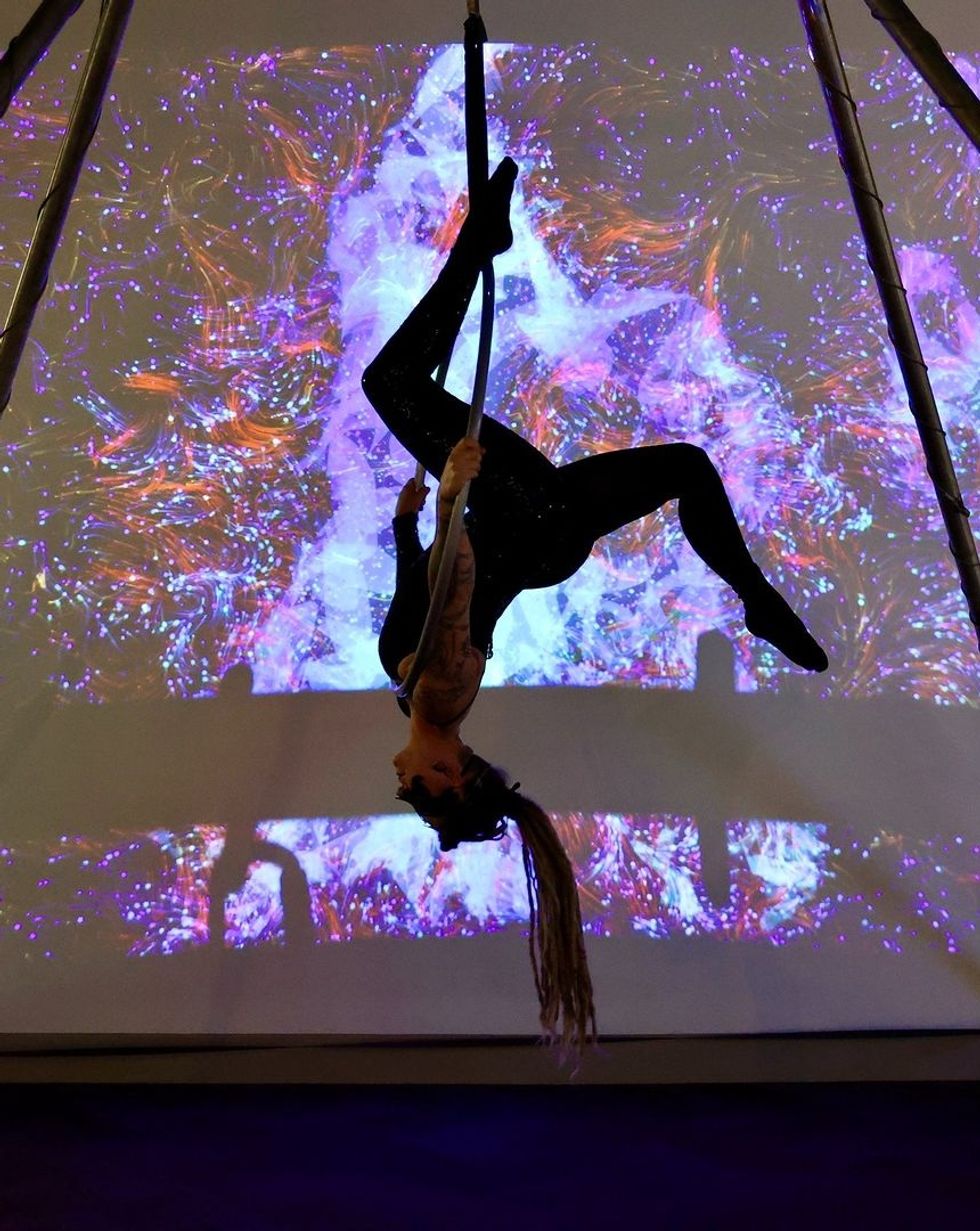
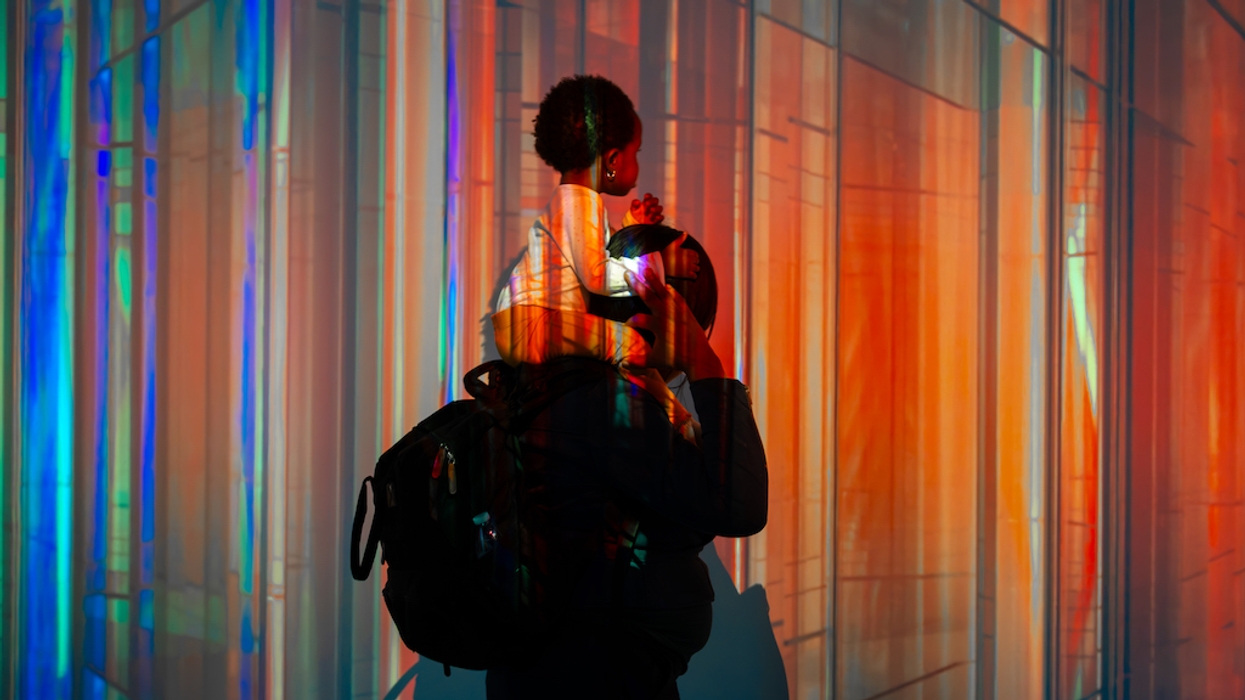
Quantum Space at Discovery Place Science
Image courtesy of Breeze Creative
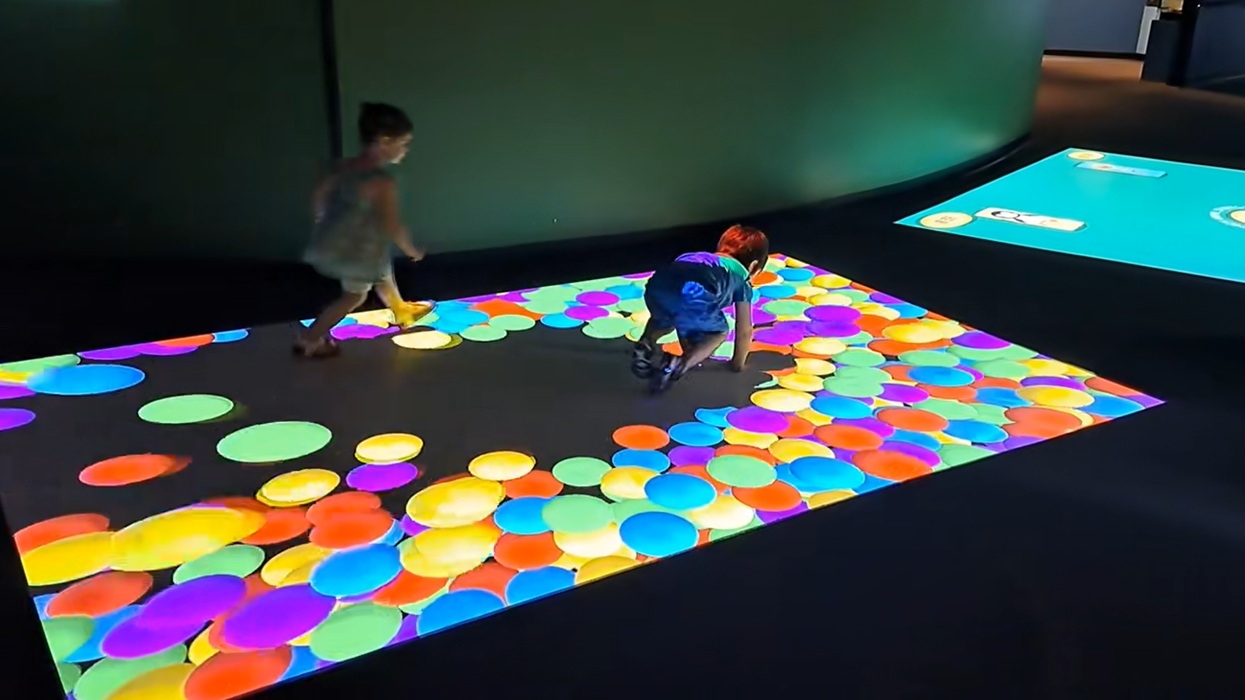
These technologies, from interactive floors and walls to digital drawing experiences and projection-based games, enable attractions to turn passive viewing into active participation.
"For years, digital experiences in public spaces have largely meant screens: televisions displaying information, touchscreens offering educational content, and digital signage delivering messages to visitors," says a company spokesperson.
"Today, interactive projection technology is expanding what those experiences can be."
Flexible, fun installations
In this approach, projectors, sensors, cameras, and specialised software create digital experiences that respond to visitors' movements or gestures in real time.
For example, a virtual pond might ripple when someone steps on it, or a drawing could become an animated digital character that appears on a large screen.
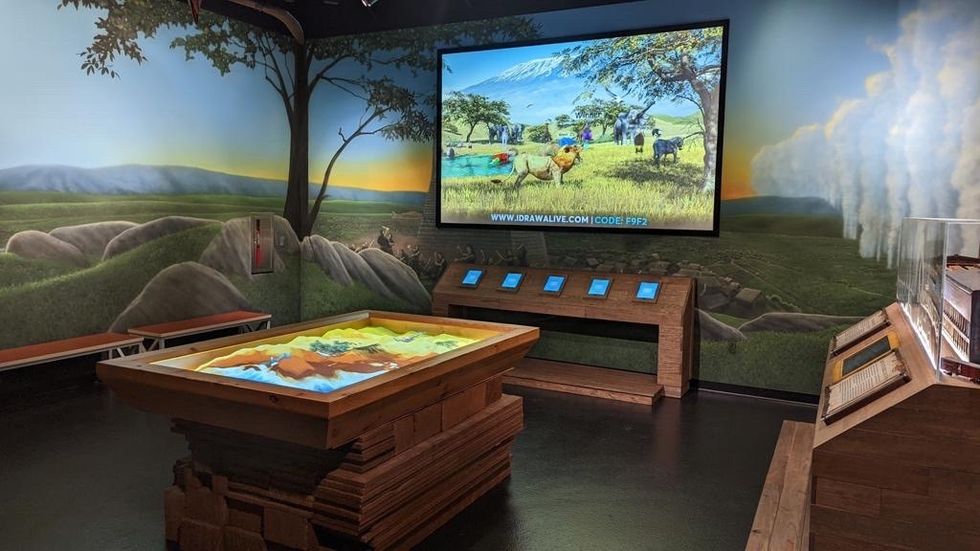
Draw Alive and Animated Sandbox at the ICR Discovery Center
Image courtesy of Breeze Creative
As one of the most recognisable forms of interactive entertainment technologies, floor projections display content on a floor and track visitor movement. Similarly, interactive walls enable visitors to engage with projections through gestures and movement.
This presents a wide range of potential applications for family entertainment centres (FECs), museums, zoos, aquariums and cruise ships, such as interactive projection games that encourage movement and friendly competition, or themed immersive experiences.
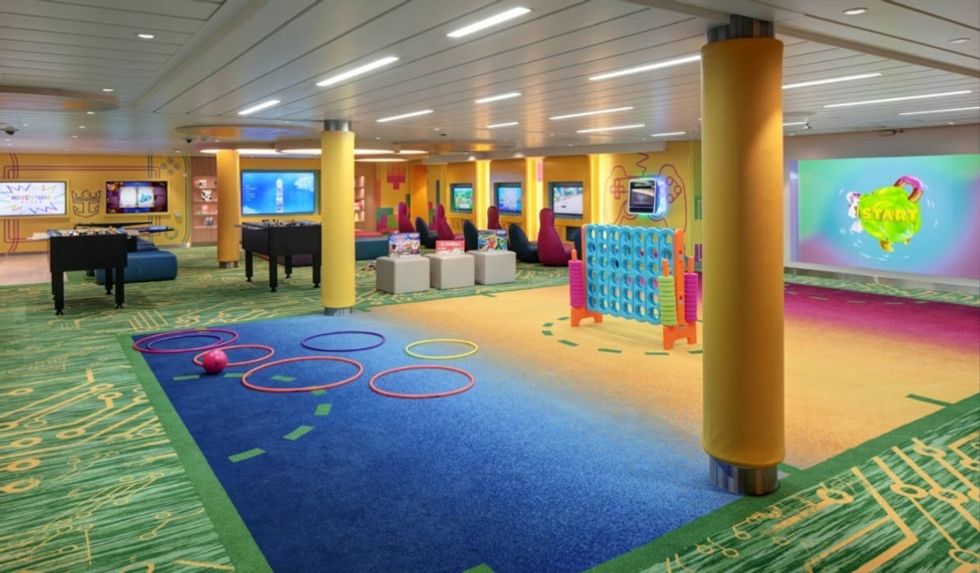
Digital Ball Wall in Royal Caribbean’s Adventure Ocean
Image courtesy of Breeze Creative
At FEC's, for instance, interactive entertainment technologies offer an alternative to conventional arcade machines and static play equipment, helping appeal to different audiences and encourage participation, while using available space effectively.
The technology is also adaptable, with content that can be changed or updated to support different activities and engage repeat visitors. This could be a seasonal offering or experiences that accompany special events.
For cruise operators, this versatility is a key benefit, allowing a changing roster of experiences within the same space. Interactive entertainment technologies are also well suited to cruise ships for their passenger throughput, durability, technical support, and ease of operation.
Other approaches combine projection with physical objects. In interactive sandbox systems, visitors might move real sand to create hills and valleys, with the projected landscape changing to represent elevation, water flow and topography.
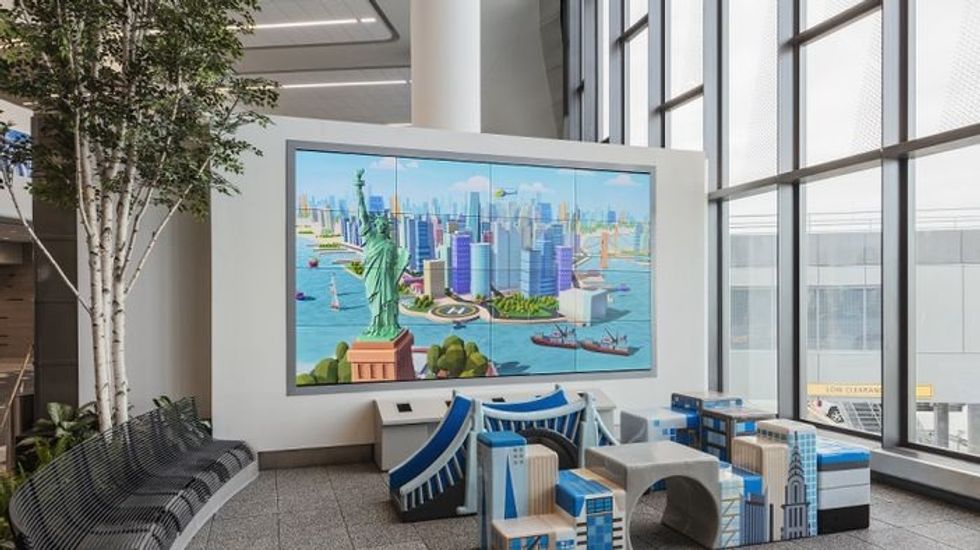
Draw Alive at LaGuardia Airport
Image courtesy of Breeze Creative
With interactive drawings, visitors can colour a picture, place it into a scanner, and see it appear on a digital display. This blend of drawing and animation introduces a creative, participatory activity suited to families with young children.
When deployed at museums and science centres, these approaches can complement conventional exhibits, making abstract concepts more tangible through experimentation, creativity and shared discovery.
For zoos and aquariums, they meld entertainment with education about animals, marine life, habitats, and conservation, complementing live animal encounters and traditional interpretation.
Supporting operational goals
As attractions and educational institutions seek new ways to engage guests, interactive projection technology can foster cross-generational participation, offer new ways to explore educational subjects, and provide the flexibility to offer different activities within the same physical space.
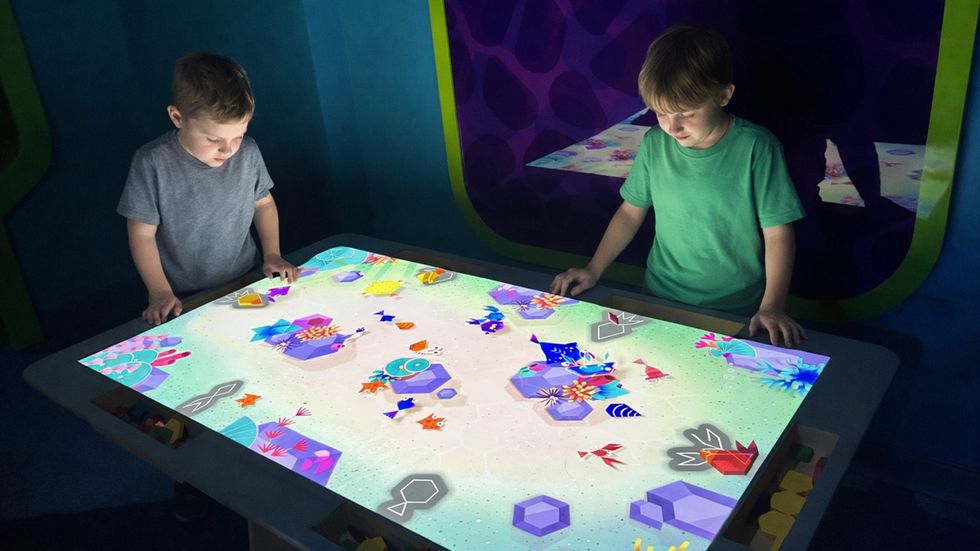
Build Alive at Aquarium at the Boardwalk
Image courtesy of Breeze Creative
When assessing interactive entertainment equipment, operators should choose products that match their audience and operational needs while delivering meaningful, enjoyable experiences.
It is important to consider what type best suits the application, the intended users, the available space, and ease of operation, including software updates, licensing, maintenance, and support, says Breeze Creative.
Additionally, organisations should ask if the experience can evolve over time, as systems offering multiple themes or regularly updated content can provide greater versatility than a single-purpose installation.
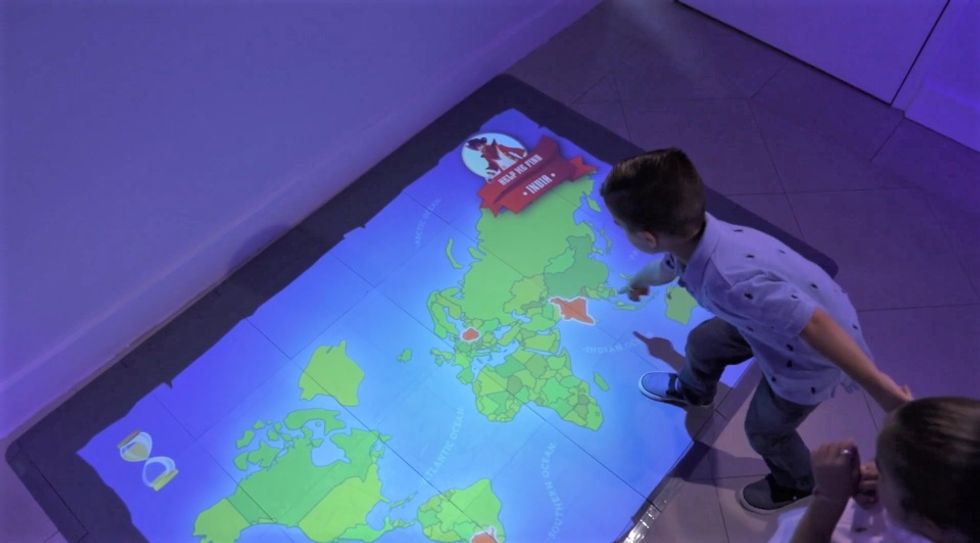
Interactive projection technology can engage audiences at attractions and educational institutions
Image courtesy of Breeze Creative
Assessing these factors can help venues select an interactive projection product that fits their space, audience, and operational goals.
"The next generation of visitor engagement will not be defined by screens alone," says a company spokesperson. "It will increasingly be shaped by what visitors can do, create, discover, and experience through them."
Last month, Breeze Creative shared details of Selfie Wall AI, a new product that turns visitor photos into a playful, shared interactive attraction for FECs, resorts, attractions, and events.