Born from renowned production company Done+Dusted, responsible for some of the world's most-watched events, from the London 2012 Olympic ceremonies to League of Legends World Finals, from the Emmys to the Riyadh Season Opening Ceremony, D+DX is a dedicated division created to bring the energy of live broadcast into the immersive experience sector.
As the experience economy develops, audiences seek more than passive observation; they want agency, intimacy, and Instagrammable moments.
However, the industry often struggles to balance the high-quality production standards of temporary events with the operational precision required for permanent attractions. D+DX has specifically positioned itself at this point of convergence.
Building on a 30-year heritage of global spectacle, the company aims to democratise culture, redefine the relationship between the camera and the guest, and expand how stories are designed for physical space.
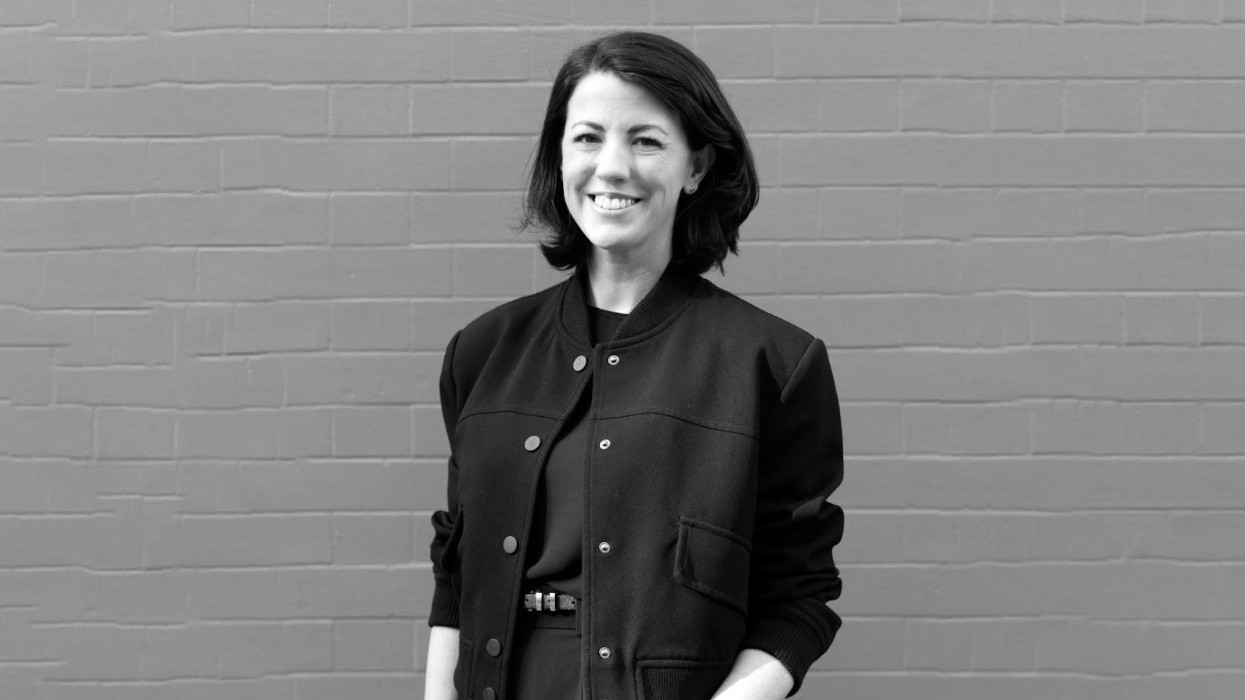
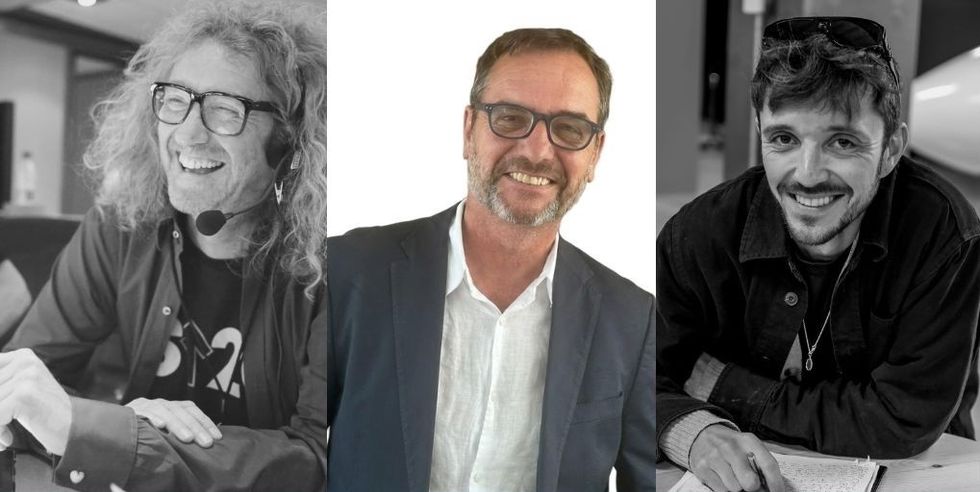 L to R: Hamish Hamiton, Adrian Pettett, and Ben Cooper
We speak to the leadership team at D+DX to explore the philosophy that drives them and how they plan to move the immersive genre forward.
A dedicated division for immersive experiences
Done+Dusted has long been associated with scale. But the decision to formalise D+DX as a standalone entity was driven by a shift in the global entertainment landscape.
According to the company’s own manifesto, the immersive sector has become "the fastest growing live entertainment genre," prompting it to dedicate itself to "bringing the art house movement to mainstream culture."
For director and executive producer Hamish Hamilton, who has directed the top ten most-watched shows in US history, including the Emmys, the Grammys, the Oscars, and the last 16 Super Bowl Halftime Shows, the launch of D+DX was a response to a fundamental shift in how audiences consume entertainment.
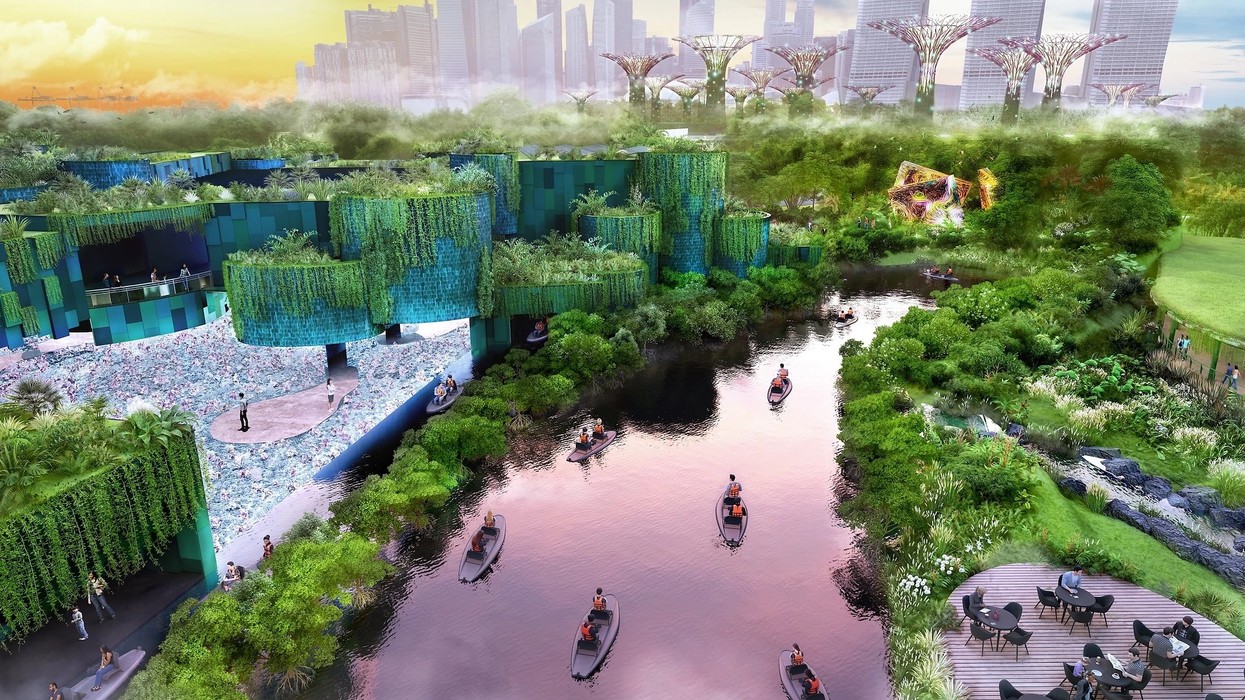
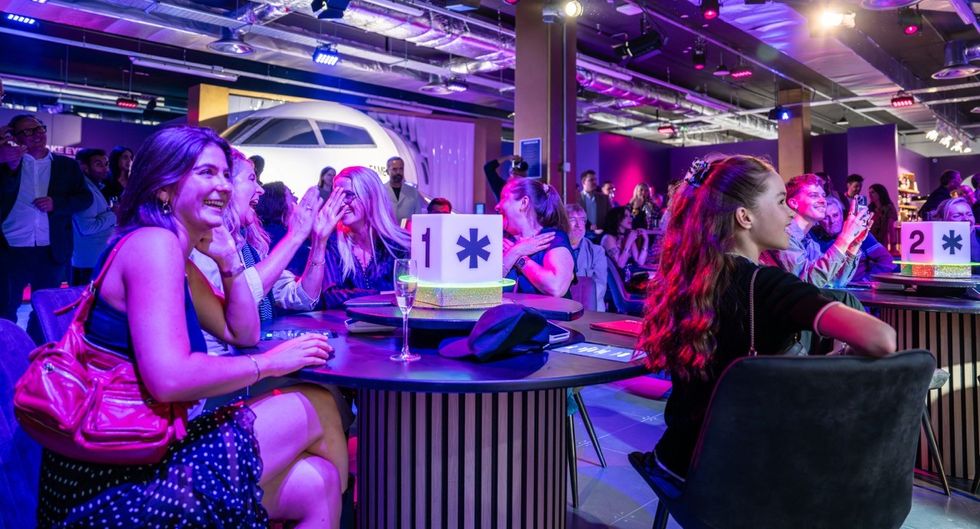 Fame Factory
"Live entertainment has changed a lot over the last thirty years, but it feels like the biggest changes have come in the last five," he says.
"We created D+DX as a dedicated division to recognise the huge growth in the market for live immersive experiences. Giving the division its own identity meant we could gather really talented specialists together to make some great shows in this new world of entertainment."
The distinction between a live event and an immersive experience is becoming increasingly blurred, yet the operational requirements vary significantly. While a broadcast event focuses on a single, definitive transmission, LBE demands a heartbeat that can be sustained daily.
Hamilton points out that, despite these differences, the primary goal remains to capture human attention:
"As with everything in entertainment, it’s all about bringing brilliant creative and production teams together who care deeply about the shows they are making.
"We have always had a dual focus, with the audience in the venue as well as the audience watching on TV.
"Working in immersive means we are looking obsessively at audience experience, whether that’s for long-running shows or for one-off events, we have the experience of working at multiple scales and an incredible network of people to call on."
Culture for all with D+DX
One of D+DX’s core goals is to make high-quality cultural experiences accessible at scale. The immersive sector has sometimes been criticised for becoming divided: high-end, exclusive theatrical experiences on one side and superficial "selfie factories" on the other.
Adrian Pettett, CEO of D+DX, is committed to bridging that gap by creating work that is culturally meaningful yet accessible to a wide audience.
Pettett contends that excellent cultural experiences should be accessible and not seem elitist or prohibitively expensive. He references traditional theatre performances at venues such as the Royal Opera House as instances of culture that, although outstanding, may be geographically or financially inaccessible.
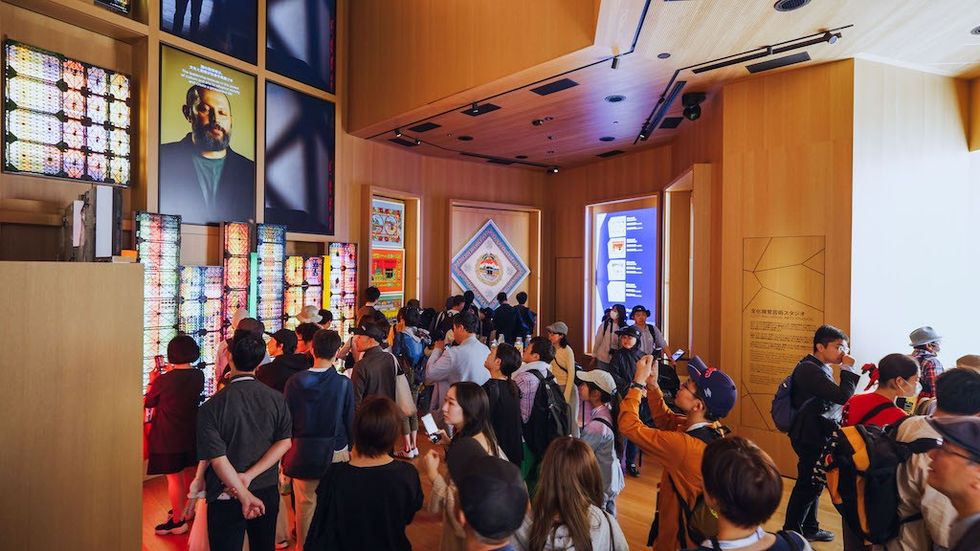 KSA Pavilion, Expo 2025 Osaka
"Immersive experiences are not a sudden new concept," he says. "Brands in particular have embraced experiential marketing and communication for many years.
"What has accelerated more in recent times is that other entertainment IPs and brands have embraced immersive solutions and ideas as a way of growing their IP outside of the original genre, thus allowing new audiences to find them and engage with them."
This drive for accessibility shapes the creative tone of their projects. Pettett questions the widespread industry belief that an experience cannot be both "cool and smart" and still appeal to the mass market.
He aims to design environments where visitors feel welcome rather than intimidated, a philosophy that aligns with the company's work on major public projects, such as the Expo 2025 Osaka in Japan.
"I want to see immersive theatre and entertainment live at the centre of the cultural digest and landscape and be open to everyone," Pettett says. "I hope they [audiences] experience work that genuinely ‘moves them’ in the same way a great movie or book or record does."
The creative philosophy
Translating the visual language of a Super Bowl show into a physical walkthrough experience requires a unique creative logic. Ben Cooper, creative director at D+DX, draws direct inspiration from Hamish Hamilton’s broadcast techniques.
"Hamish has always been one of my biggest influences as a creative," says Cooper.
"His particular style, bringing the camera right into the heart of the action so you feel like you’re there with the performer, and then pulling back to show the spectacle of the stadium, is this amazing language he’s developed.
“When we first started talking, that creative philosophy was something we discussed a lot: how we could imbue the immersive experiences we make with that same idea of intimacy in performance alongside scale and spectacle. That was the idea."
This philosophy of "intimacy versus spectacle" is clear in D+DX’s narrative approach. In immersive theatre, the story is not projected onto a screen but uncovered through movement.
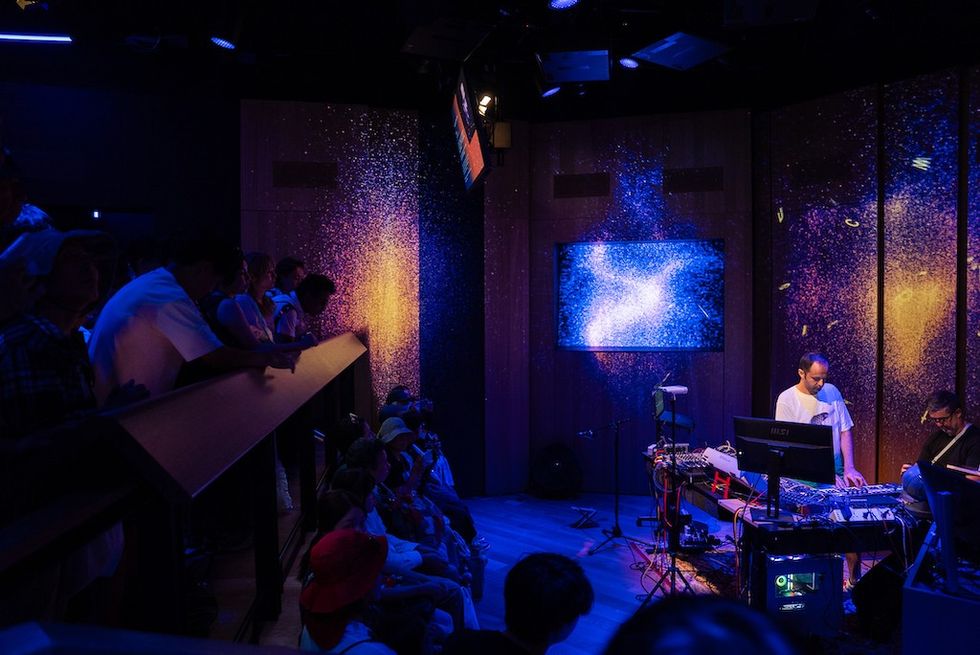 KSA Pavilion, Expo 2025 Osaka
Cooper highlights their work for the Saudi Arabia Pavilion at Expo 2025, which welcomed over 3 million visitors during the six months of the event, as a prime example of this duality.
“To realise the creative vision, we worked in close collaboration with amazing companies like 59 Studios and Insignia, which was such a key part of the process.
"Audiences went through a central courtyard with vast 17-metre columns, which created a real spectacle and gave a sense of scale and vastness.
"Then they went through two smaller studios. In the first studio, we built a visual arts space where artists were creating work live as audiences moved through. Then we had a music recording studio with Saudi artists recording music live... linking rooms and allowing small details to reappear on spectacular canvases."
Cooper cites The Drowned Man by Punchdrunk as a benchmark for this kind of world-building, highlighting the power of allowing audiences to carry narrative details physically as they move through a space.
"The challenge for me is how you show detail, allow audiences to collect those details as they move through a space, and then have them carry those details into moments of climax.
“Immersive has this unique opportunity, because you’re physically moving audiences around, to let them pick up those details and hold them in the climactic moments. That’s both the challenge and the excitement of it."
Experiences that are built to last
That creative ambition only works if it can survive real-world constraints. While creative ambition grabs headlines, long-term success in the attractions industry relies on operational durability. This is where D+DX applies a rigorous, practical lens to its "broadcast-level" ideas.
The team operates with a clear understanding that a concept is only as good as its execution three months post-opening.
According to project leadership at D+DX, led by project manager Hannah Blatch, the main challenge is maintaining the original creative intent across various environments and timelines.
Every project encounters issues from supply chains, regulations, and health and safety; the aim is to ensure the audience never notices the gaps.
Blatch emphasises that operational sustainability isn't just about whether a mechanism functions, but whether it is intuitive for the staff who need to operate it at 2 pm on a Tuesday, long after the premiere red carpet has been rolled up.
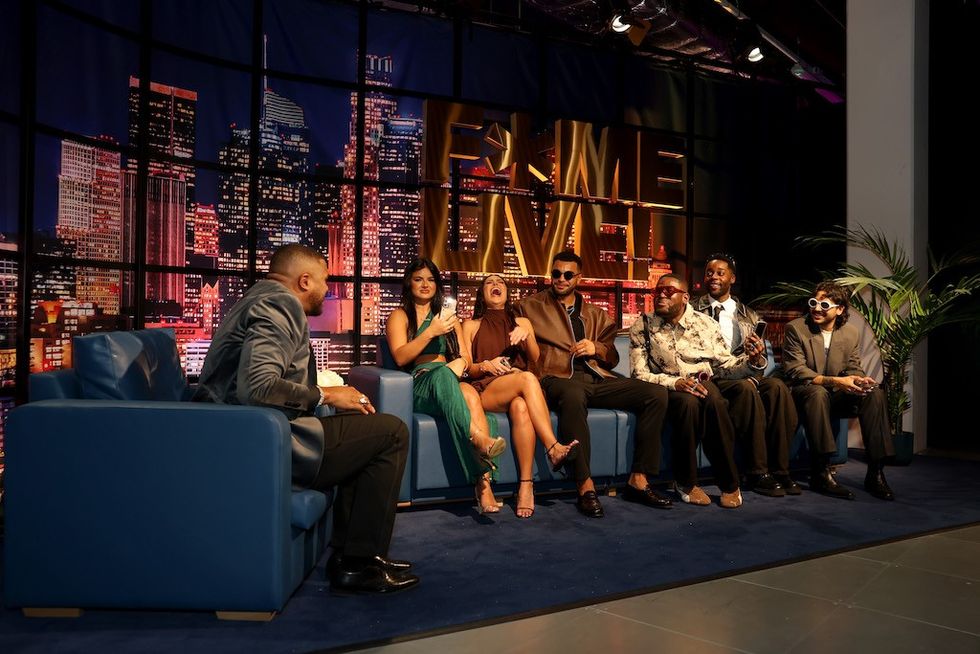 Fame Factory
To achieve this, D+DX employs an early integration strategy. Rather than handing a finished creative concept to an operations team to “make it work," real-world constraints such as guest flow and staffing are incorporated into the creative brief from the very beginning.
The belief is that constraints actually assist creativity, preventing the dilution of ideas that occurs when fantasy collides with reality too late in the process.
Furthermore, the company structures its projects around decision-making rather than strict hierarchies.
By empowering specialists and establishing clear ownership early, they aim to foster a "fail-safe" culture where stress-testing systems, redundancy planning, and scenario modelling (e.g., "What if the system goes down?") are as rigorous as creative brainstorming.
This discipline is directly borrowed from the live events world, where there is no room for error on the night—a mindset D+DX now applies to permanent installations.
Creating a lasting relationship with guests
One of the most notable features D+DX offers is its method of content capture. In a time when "pics or it didn't happen" is a cultural saying, many attractions have become passive backgrounds. D+DX takes a different stance, seeing the digital takeaway as an extension of the live experience.
Pettett highlights that for younger age groups (specifically 13 to 18-year-olds), the digital artefact they leave with is as important as the in-person experience. However, he insists that this should not lead to a superficial experience.
"One area we focus on a lot is content output and creating a lasting relationship with our visitors," he says. "Live content capture as you go through the live experience is something we are constantly exploring and developing."
"It adds to the commercial model, it provides opportunities for partners and brands and creates a lasting memory to be shared on social platforms, so your visitors become your evangelists and stakeholders."
Instead of banning phones or enforcing secrecy, the D+DX model promotes presence while the system records the guest. Pettett is especially interested in how mechanisms contextualise guests within the experience, often without their conscious awareness, allowing them to stay present in the moment while still receiving high-quality content to share later.
One of D+DX’s core strengths is its broadcast-level capability. Therefore, its expertise in effects, filming, and large-scale productions makes it especially proficient at bridging the gap between live experiences and recorded content.
D+DX and cultural authenticity
As D+DX expands its presence in the Middle East, with prominent projects in Saudi Arabia, including work at Qiddiya City and for the National Day celebrations, the importance of cultural authenticity becomes crucial. Cooper says that when working on projects linked to national identity, the role of D+DX shifts from "creator" to "facilitator."
"Projects around national identity are about seeing culture through the eyes of artists from that culture,” he says. “Ensuring authenticity is about knowing when, as a producer, to be a facilitator and when to be a creator."
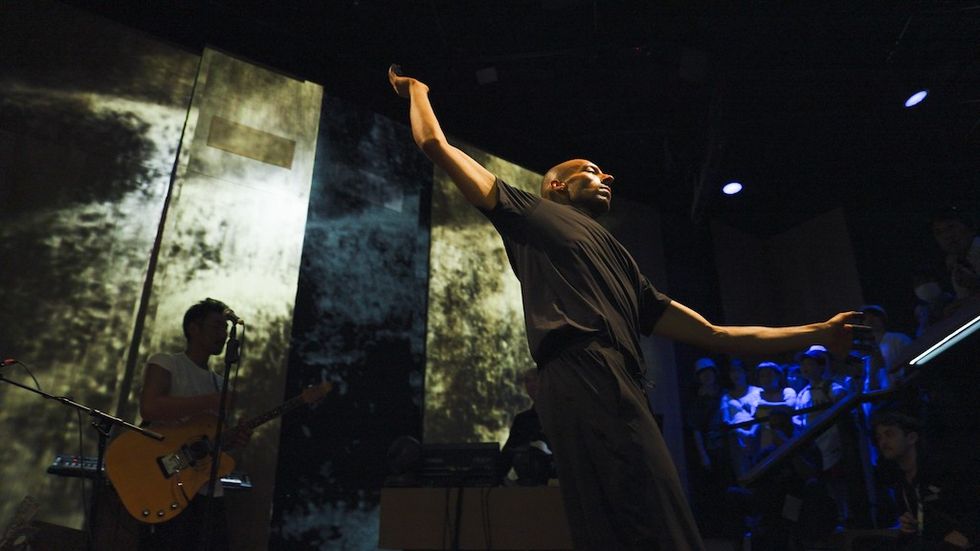 Cultural programming, KSA Pavilion at Expo 2025 Osaka
This involves close collaboration with cultural advisors and local curators. For Expo 2025, the team worked with a roster of Saudi talent, including Muhannad Shono and Manal Al Dowayan. Cooper views the UK production sector's technical expertise as a tool to serve these local visions.
" We feel like we’re running to catch up with the ambition of the Middle Eastern artists we work with," says Cooper.
"As a production company, it’s exciting — we have incredible production and technical expertise in the UK. It’s a great export. Bringing that expertise into the service of artists in any context is exciting."
More projects to come
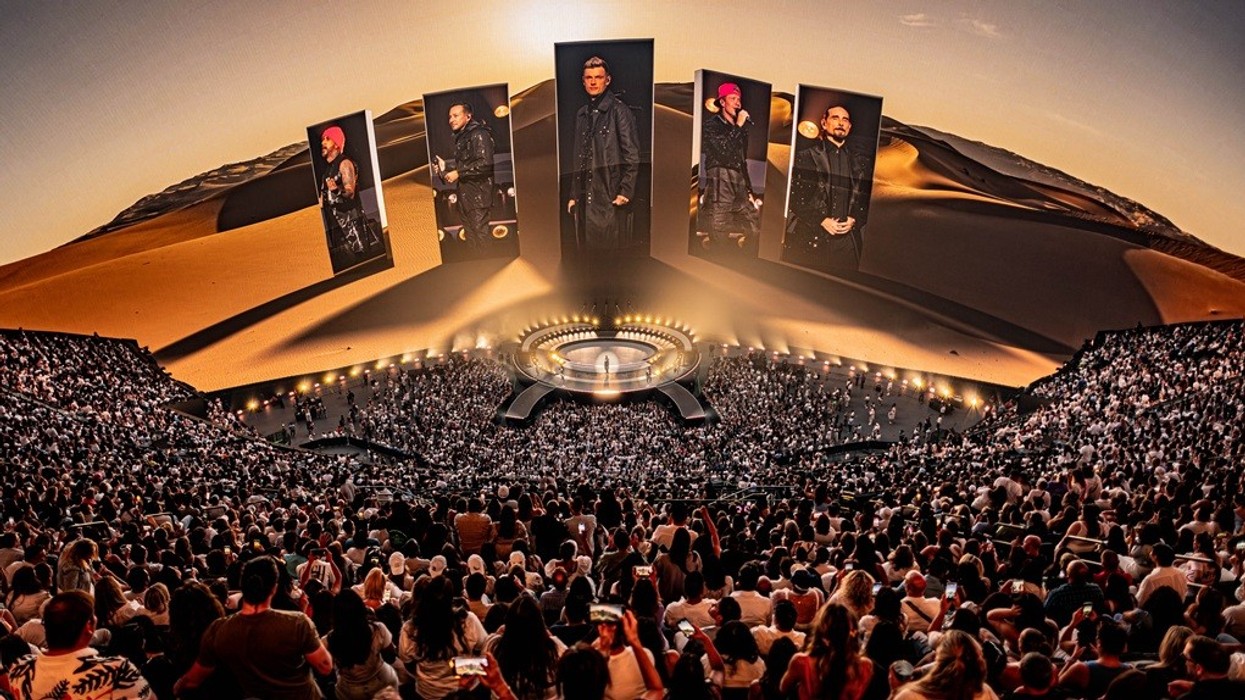
Looking ahead, D+DX sees vast potential in the music industry, an area where Done+Dusted has deep roots. As touring economics change, artists are seeking new ways to engage with their fan bases beyond stadium concerts.
"Intimate shows have always been artistically relevant and important, but now they’re starting to feel commercially important too,” says Cooper.
“It’s as important for an artist to connect with 500 superfans as it is to connect with 50,000 fans. There’s a massive opportunity in music to create immersive events that complement stage shows and allow artists to meet fans in new ways and to deepen engagement."
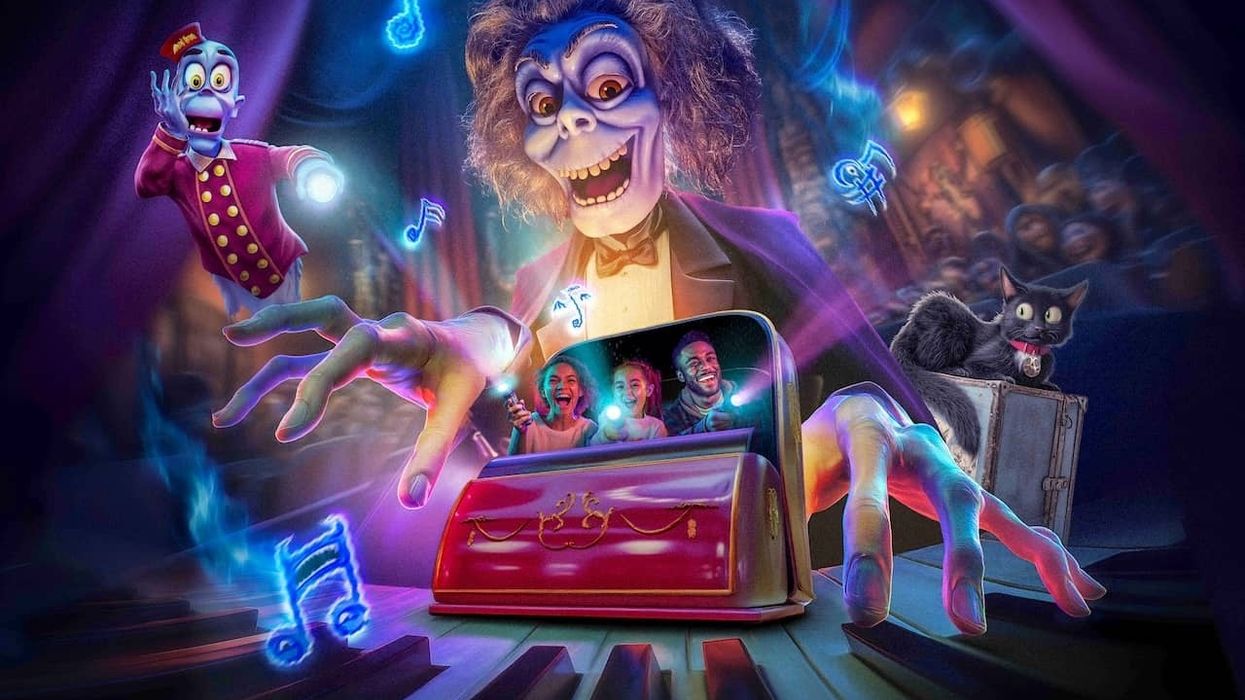
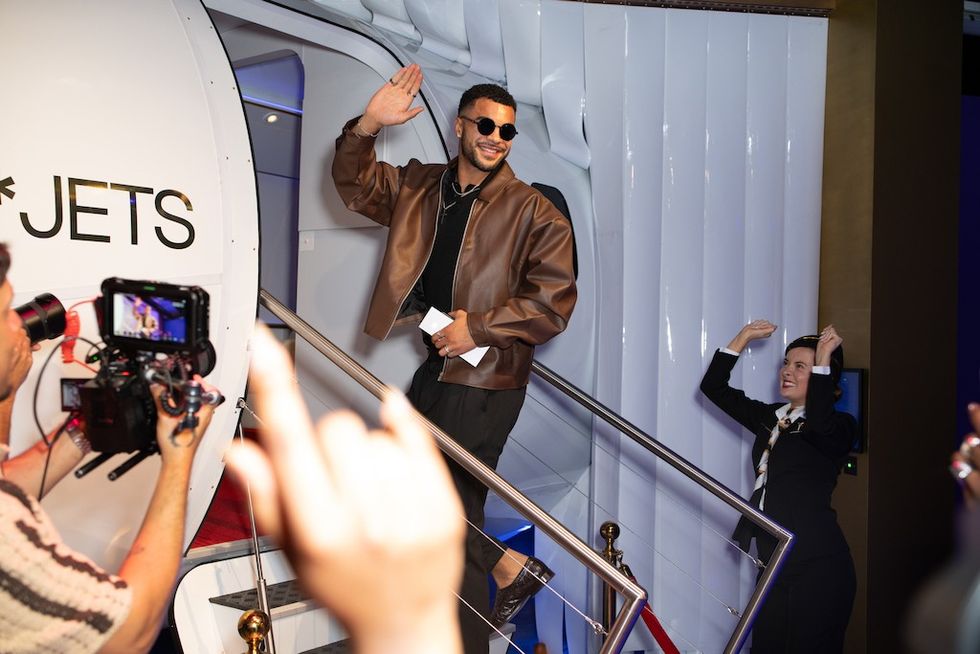 Fame Factory
Hamilton echoes this sentiment, seeing the breakdown of traditional media hierarchies as a playground for innovation: "The show is as important on the TV screen as on the phone screen as in the room. Audiences expect an intimate, multi-angle experience, and that is an exciting creative challenge, especially working at scale."
He adds: "We think there is a huge opportunity in creating the next generation of live events with the world’s biggest music artists."
Whether creating original IP such as Fame Factory or partnering with international brands like Johnnie Walker, D+DX is betting on a future where digital, broadcast, and physical formats operate as a single integrated experience.
Five years into this focused expansion, D+DX is showing how broadcast-scale creativity can be translated into permanent, high-capacity environments. Instead of viewing immersive as a novelty format, the company is applying production discipline and narrative precision to experiences designed for repeat visits and sustained engagement.
As the sector matures, operators face increasing pressure to combine spectacle with operational reliability and commercial resilience. D+DX’s ability to integrate these elements positions it at the forefront of immersive’s next commercial phase.